
Commentary
Canada has spent decades talking about truth and reconciliation. Governments have apologized, established commissions, expanded programs, and committed billions of dollars to addressing historical injustices and improving the lives of indigenous Canadians. Yet we continue to live with a law that places federal control over important parts of First Nations life.
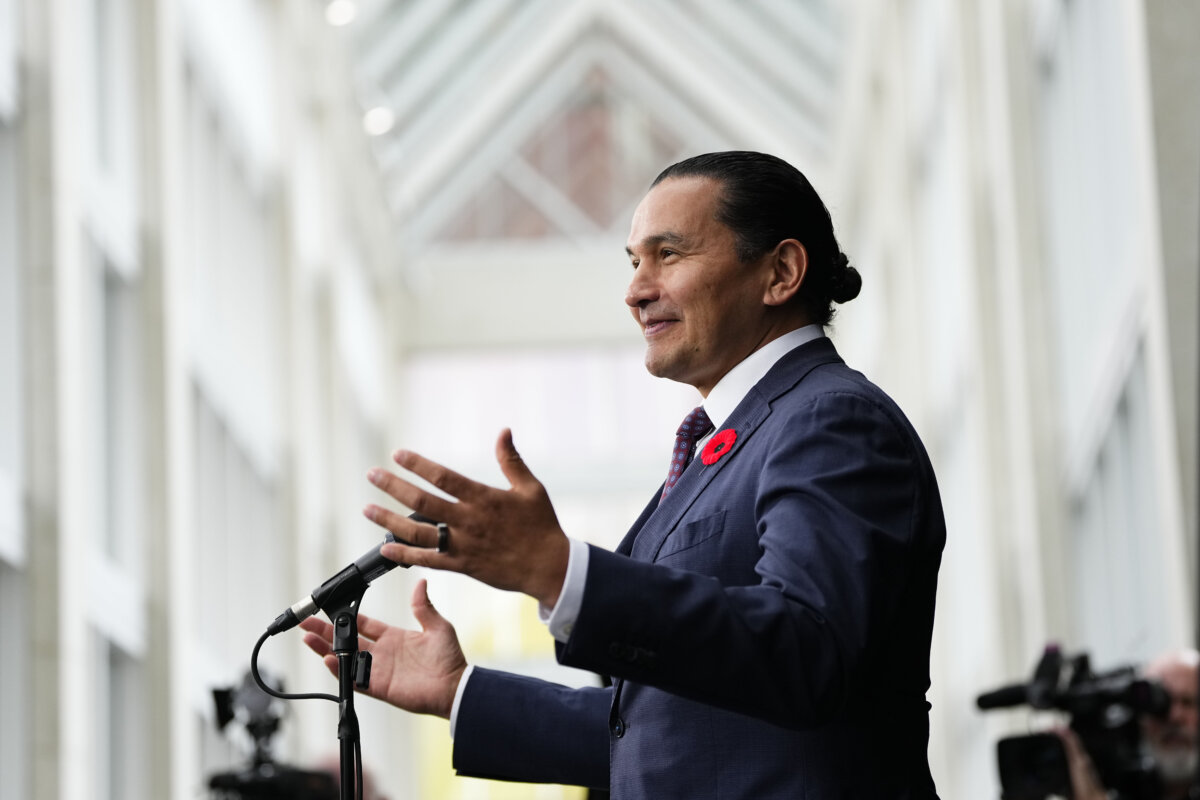
Now, Manitoba Premier Wab Kinew is calling for something more fundamental: abolishing the Indian Act. On Oct. 26, he challenged Prime Minister Mark Carney to move beyond legislation that has governed First Nations affairs for generations.
Kinew has raised a question Ottawa can no longer avoid. How can Canada promise reconciliation while maintaining a law that treats indigenous Canadians differently and restricts opportunities available to other Canadians?
Consulting First Nations is essential, of course. But we’ve been talking about the problems with the Indian Act for generations. We know it is paternalistic. We know it places restrictions on people that other Canadians do not face. How much longer are we prepared to live with that?
Consider homeownership. For most Canadian homeowners, using their property to secure a loan is relatively straightforward. For First Nations families living on reserves, it can be much more complicated. Reserve land is generally held by the Crown for the benefit of a First Nation. The Indian Act restricts lenders’ ability to seize property on reserves when borrowers default, making conventional mortgages more difficult to obtain. Special financing arrangements exist, but the underlying restrictions remain.
Homeownership is about more than having a place to live. It allows families to build wealth, finance businesses, and create financial security for their children. Why should First Nations families face additional obstacles to opportunities that other Canadians routinely enjoy?
The Indian Act also gives Ottawa authority over important aspects of First Nations land administration and governance. Some First Nations have moved to alternative arrangements, but others remain subject to rules that complicate development and limit local decision-making.
The Indian Act is not responsible for every economic or social problem facing indigenous Canadians. But how can we expect people to become more independent while preserving legislation that makes independence harder to achieve?
We should be removing those barriers, not creating more government programs to help people work around them. Ottawa has spent too long trying to manage the consequences of restrictions imposed by its own laws. Reforming individual provisions may help, but it leaves the larger system of federal control in place. The Indian Act needs to go.
And we must be equally clear about what replaces it.
Abolishing the Indian Act should not mean creating another system that treats Canadians differently based on their ancestry. All Canadians deserve equal protection under the law and the freedom to pursue opportunity. Reconciliation should bring Canadians together, not create new divisions between them.
There are difficult questions to resolve about reserve lands, treaty obligations, and how First Nations govern themselves. Existing indigenous and treaty rights are protected by the Constitution, and any replacement must respect them. First Nations must have a meaningful say in what comes next.
But we cannot lose sight of the individuals whose lives are affected by these decisions. Giving First Nations governments more authority must also give the people living in those communities more freedom to make their own decisions. Replacing federal control with another set of restrictions would hardly be progress.
What matters is whether people have greater control over their lives, whether they can own property, build businesses, and create opportunities for their families. Those should be the measures of success, not how many new programs Ottawa announces.
We have spent decades measuring reconciliation through apologies, commissions, promises, and government spending. Surely it is time to ask whether the people those efforts are meant to help are actually better off.
Kinew has challenged Ottawa to do what successive governments have avoided. The Indian Act has stood in the way of greater freedom and economic opportunity for too long. If we believe in reconciliation and equal treatment under the law, we should be prepared to abolish it and work with First Nations to build something better.
David Leis is the President and CEO of the Frontier Centre for Public Policy and host of the Leaders on the Frontier podcast. A seasoned commentator on Canadian public policy, he focuses on restoring accountability, economic common sense, and civic health to the country’s national, provincial and municipal institutions.
Views expressed in this article are the opinions of the author and do not necessarily reflect the views of The Epoch Times.







