
Commentary
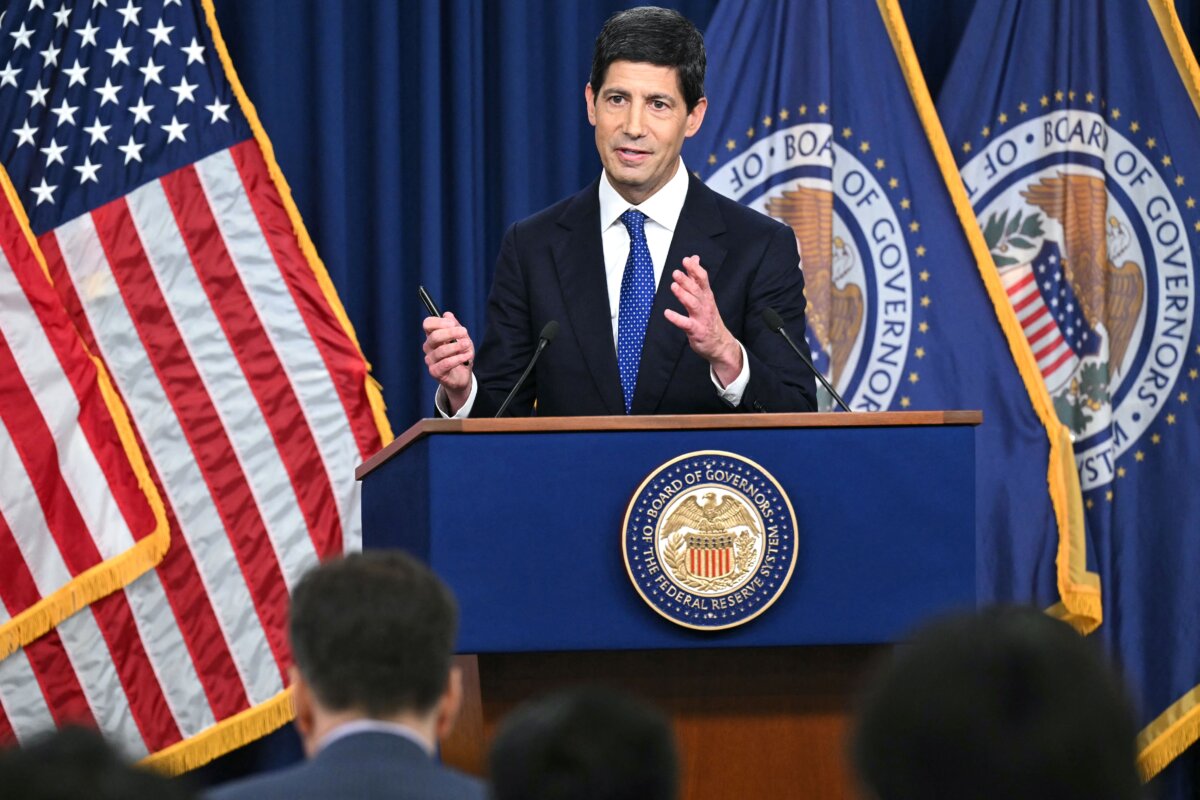
The new Federal Reserve chief, Kevin Warsh, has raised the federal funds rate by a quarter percent. He cited inflation numbers that are still running too high. Good for him. It was a brave move given the political environment that is demanding ever cheaper credit.
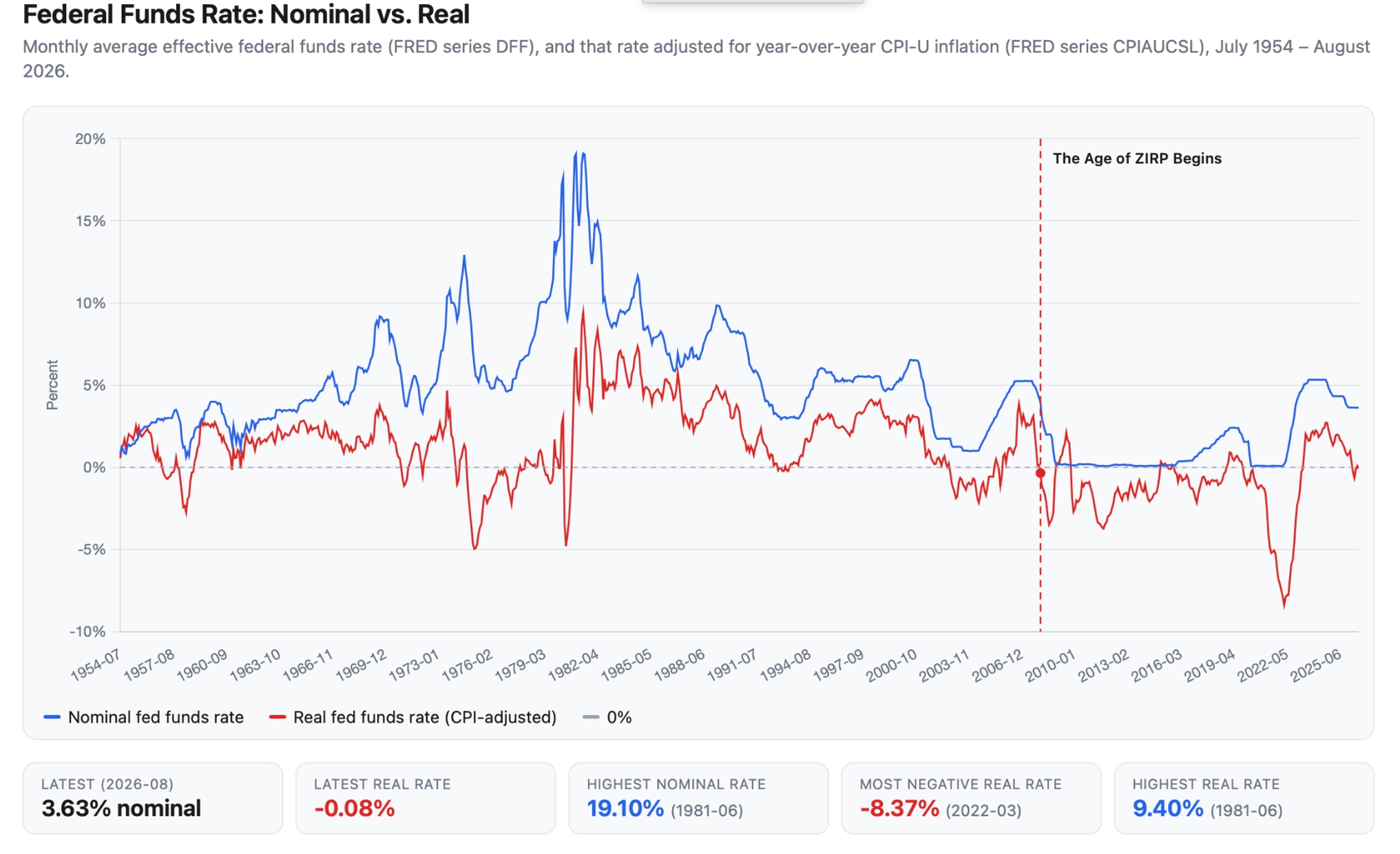
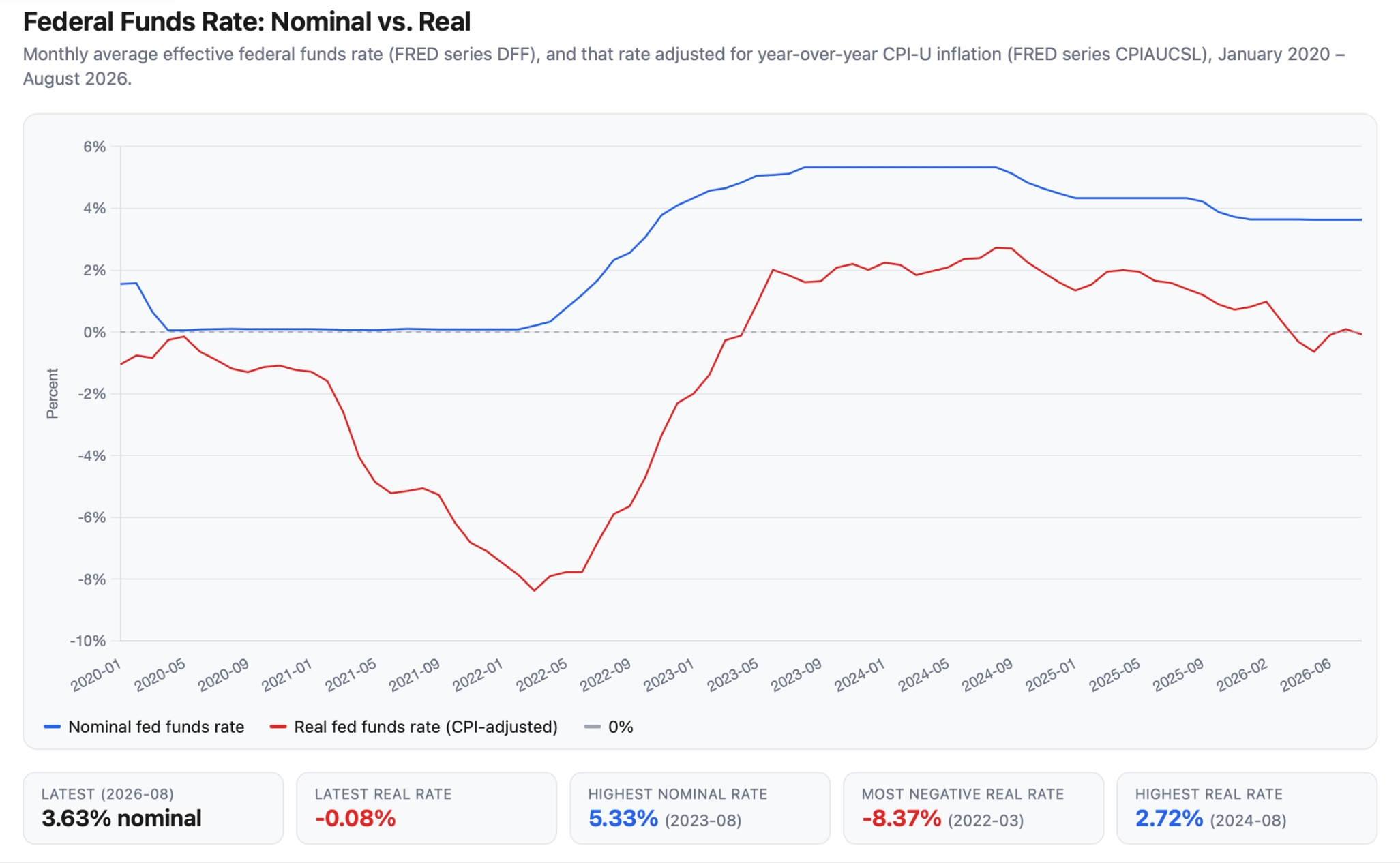
Sadly, he will have to do much more than that. Current short-term real rates are still in the negative category once you adjust them for the pace of monetary depreciation. Rates will have to come up much more to make a difference in the short term.
Long term, we have much larger problems. The entire economic structure in the United States has become addicted to leverage as a first principle of finance. This has turned economic structures and the culture of spending itself topsy-turvy. To set it right will require much more dramatic action toward tighter money and monetary restraint.
On any night of the week in major and minor cities, the bars and restaurants are still packed with people spending vast amounts on food and drink, at prices 30 percent to 50 percent higher than they were six years ago. This is still happening despite every poll registering high dissatisfaction with economic life today, and real incomes are either flat or declining for most people.
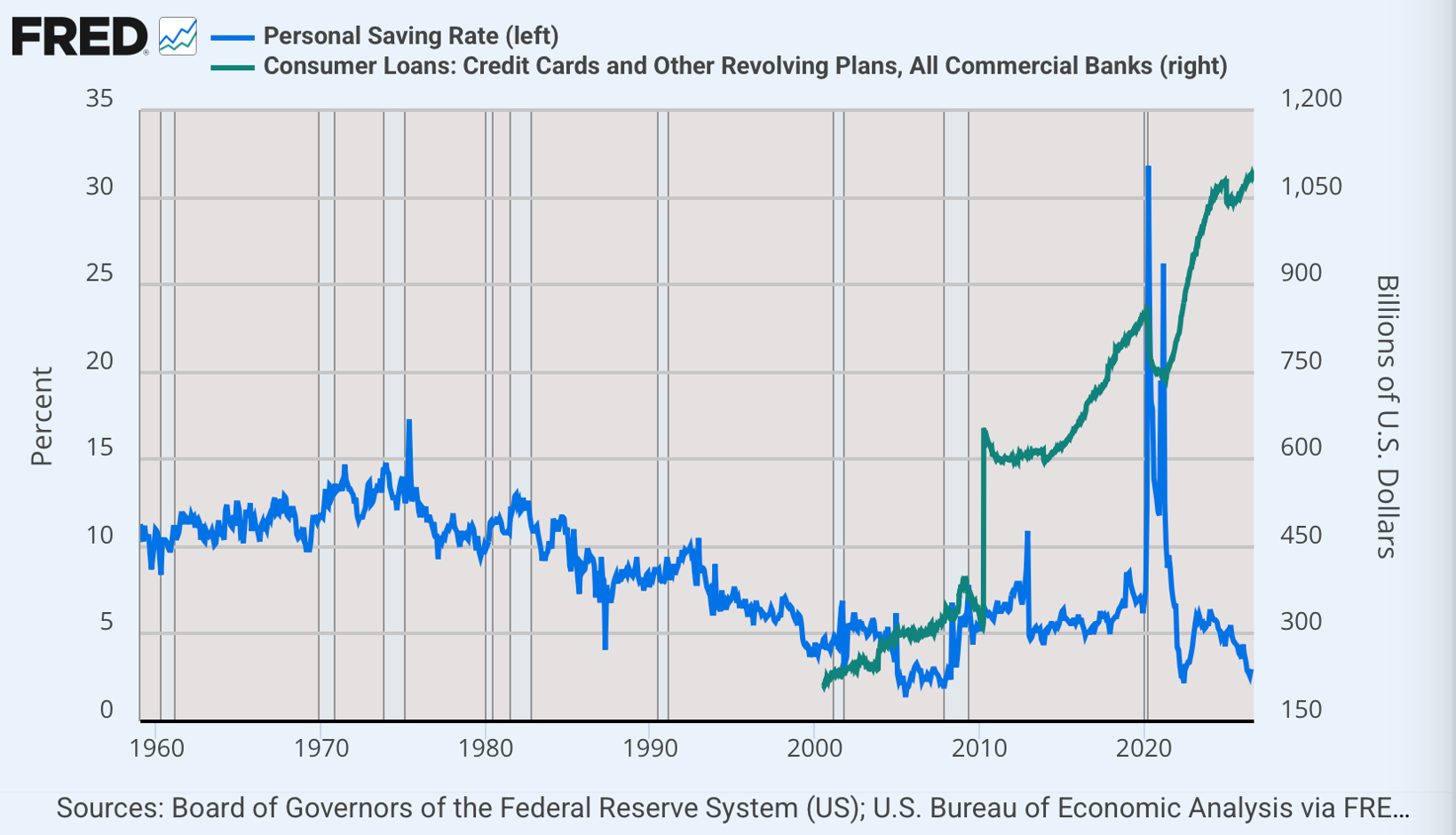
Americans are out of the habit of saving money. They know that they should but cannot seem to get into the practice. Another factor driving this tendency toward doom spending: Money is losing value at a more rapid rate than in most people’s lifetimes. Why sock away money that is falling in purchasing power when you can spend it now before prices go up?
This is why most periods of inflation are associated with a fall in the savings rate. Personal savings have hit historic lows, matching the lowest level following the financial crisis of 2008. In the 1950s and 1960s, savings was typically 10 percent to 13 percent of income, whereas now 3 percent is the norm.
In addition, living on credit seems to make financial sense in inflation because you are paying off debts with cheaper money. To be sure, credit cards are the worst way to go into debt because you are paying six times the rate of inflation. But people with revolving accounts are not known for their financial acuity. As a result, credit card debt is at historic highs.
In the same period, spending became easier than ever. The actual prices of goods and services became opaque to the buyer. There are subscription plans that ding the account without doing anything. There are extra fees on everything, and it is easy enough not to question the bill. The cards are easy enough just to touch on machines. When they arrive, people load them on their phones, creating this automatic payment device you carry around.
This is nothing like the old days when peeling off bills from one’s wallet imposed a psychological sense of the underlying reality. Today, every merchant and every payment processing system is working to make the process less visible in hopes that the consumer won’t notice. It all feels like a fictional world.
This is a feature of inflation that is most insidious. It creates the illusion of prosperity without reality. For example, we keep hearing how retail sales are increasing at record rates. But when you adjust those figures for inflation, we are barely at 1.2 percent above 2021, hardly any real growth in retail sales at all despite trillions in spending. Indeed, most of what people call prosperity today is really just a money illusion.
The Federal Reserve has been the handmaiden of this change over a 25-year period. This tendency to drive rates below the market level began in earnest after the dot-com bust in 2000. The Fed panicked and engaged in open-market operations to lift the markets. It did the same in 2008. This just keeps happening. The terrible reality is that short-term interest rates over a quarter of a century have trended toward zero. This makes no sense in a healthy economy with minimal savings.
We have been living in this zero interest rate policy world all this time. This has fundamentally changed economic calculations. Capital started a voracious hunt for return outside normal savings and normal rates of return. It found the financial markets. It has been seemingly wise all this time to live on leverage rather than thrift and frugality. This has profoundly changed corporate finance, but the shift bled down to the household too such that everyone got in on the action.
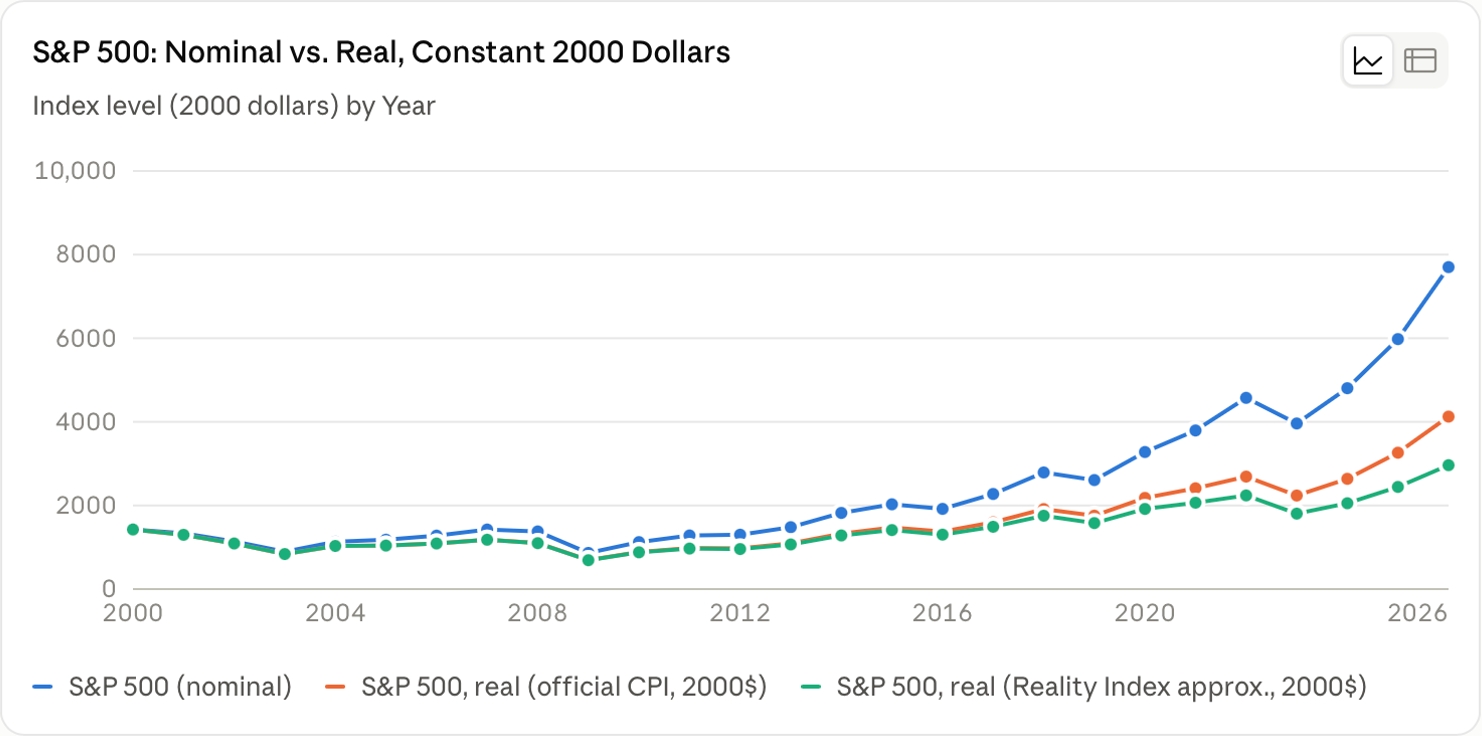
You cannot see this until you adjust the federal funds rate by inflation. And by the way, the conventional inflation rate is underreported by at least one-third because of dozens of statistical methodologies that misreport actual prices. Once you make these adjustments, you can see that rates have not been high but low for all these years, thanks only to Fed pressure and bailout promises.
Economic shifts usher in huge cultural shifts. In this case, it has been a turn against the old American values that built the prosperity of the past: thrift, frugality, long-term thinking, putting off current consumption for the future. All of these have been turned on their heads as a new generation (or two) have decided not to worry but just be happy dedicating their whole paycheck to debt service.
The same has happened in government, which is why there is such panic about the rising rates of the 10-year bond. That will commit government to ever higher debt service and take money away from discretionary budgets for the politicians to spend. This is the core of the concern—the finances of government, not the finances of the people.
In the end, we have to manage all that we really can manage, which is our households. The best and only path to success over the long term is found in the old values. To rediscover them requires a cultural retraining: eating at home rather than out, careful budgeting, cutting the subscriptions to only essentials, buying used rather than new, and so on.
Otherwise, we are going to find ourselves in the same position as the federal government is now: eaten alive by the debt service squeeze. The Fed has only begun to fight this problem. It’s not just about inflation. It’s about a fundamentally changed culture of all finance.
Views expressed in this article are the opinions of the author and do not necessarily reflect the views of The Epoch Times.