
Commentary
I’ve been fighting and losing the war over the necktie for as long as I can remember. Ties pull together the face with the rest of the body. They are beautiful. My early choice was for a bowtie but all ties are great, even essential to look put together.
And yet American men these days just don’t like them. They associate them with government workers and lawyers. They find them too fussy. Above all else, they regard them as uncomfortable. When standards came to be relaxed in the 1990s, men took advantage and many just gave them up forever.
The results are deeply regrettable. A man without a tie will always and forever look casual, slightly dismissive of the need for decorum, even unkempt. The tie’s absence opens up a cavernous space at the peripheral vision of anyone looking into your eyes. Something is missing. It feels dismissive of aesthetic demands.
This space below the head and above the chest has been filled by something in every culture and in every era. Look up any image of regal men from history, from Chinese emperors to German barons to Popes to the Sultans of Brunei. They all fill that space with something. Without some article of clothing there, dignity will be elusive.
These days, it is common for a man to throw on a shirt with a collar, a jacket and pants, and believe they have done what is necessary. They haven’t.
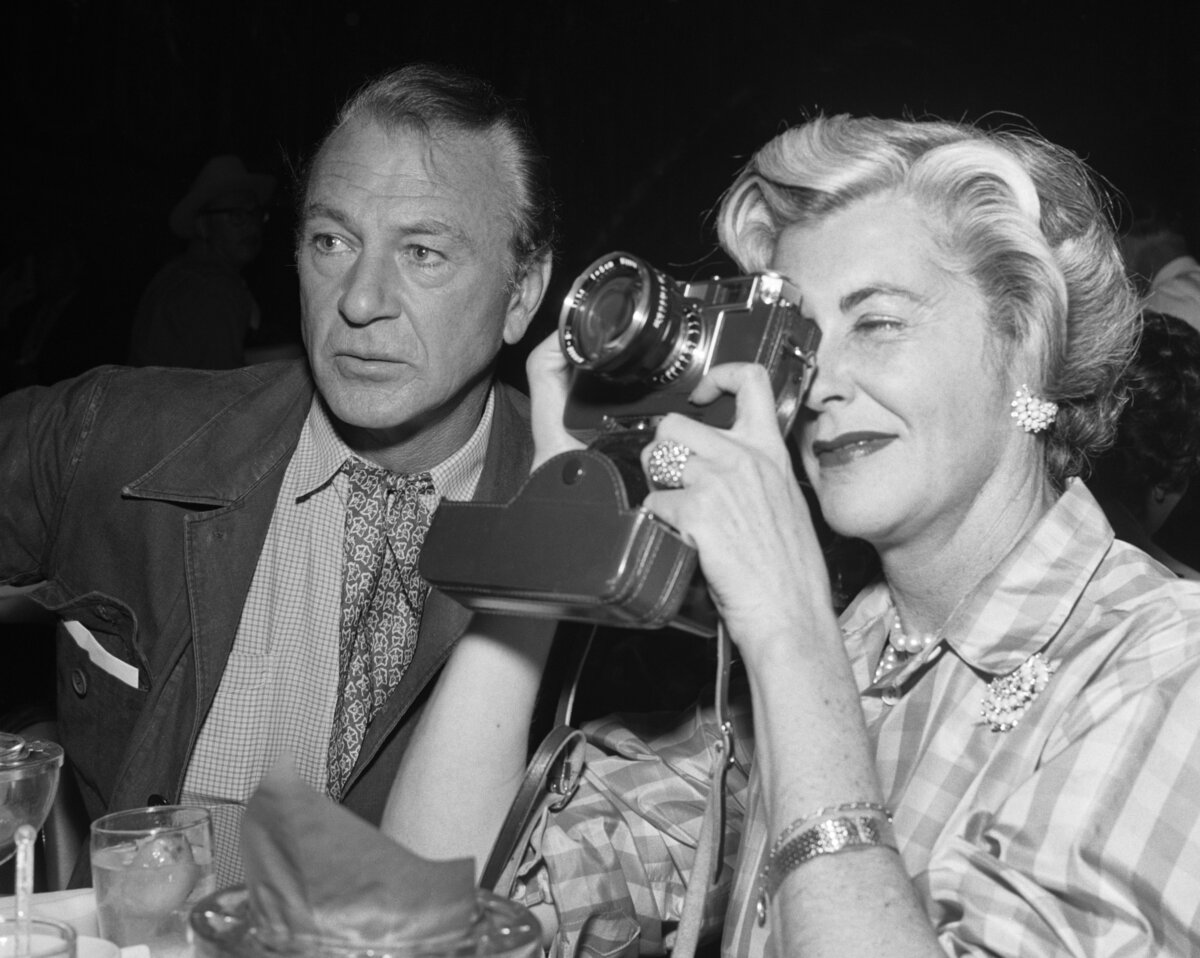
Look at the old Westerns with John Wayne. He did not wear a tie but he filled that crucial space with a bandana, a patterned cotton cloth tied up against his neck. It looks great. It serves a functional purpose of absorbing sweat but it also serves an aesthetic function. It was a Western version of the cravat, of which the ascot is a type (typically pinned).
There is an unspoken reason for the modern discomfort with a tie. It traces to the tightness of the shirt, which has intensified as American men—with their fast food, three meals a day, and sedentary lifestyle—have put on weight over the last decade. Meanwhile, they are stuck on an old model of what size shirt they wear. As a result, they can no longer comfortably button the collar much less put on a tie.
That’s just a theory in any case. I do think it is a valid one, however, even if we don’t speak of the problem in polite society.
This past week, I was puzzling over the strange problem in the United States that we have no real answer for proper formal daywear for men, and noticing how the English are still wearing the ascot with regularity. It’s formal daywear but also seen casually. There is nothing unusual about it and you can buy them in retail stores. I wondered why the ascot or cravat has never quite made the crossing over the Atlantic.
It’s not been for want of trying. The ascot was the choice of many in elite society in New England when they started camping out at summer homes. Thus did it come to be associated with an upper-crust snobbery.
Hollywood worked to change this association in the 1930s and 1940s when Cary Grant, Gary Cooper, Clark Gable, Errol Flynn, and Fred Astaire would wear them in nice clubs. Somehow it never caught on. This is for no great reason. There is nothing unAmerican about the ascot. They keep coming and going in various forms without ever achieving popular acclaim.
I vaguely recall seeing someone in one in the past at parties or on the street. But a few days ago, I was sitting alone at breakfast in a hotel and a finely dressed gentlemen came in with a walking stick—I later learned that he was blind—wearing a double-breasted navy blazer, gray trousers, a white open-collar shirt, and a burgundy cravat, loose rather than pinned.
He looked absolutely fantastic. Just great. Then I wondered whether this could be an option for everyone who doesn’t like ties but still wants to look dressed up. This began for me an investigation of where to get one and how to tie them.
It turns out not to be hard. You can of course buy one. But it is not necessary. You can use any silk or silk/wool scarf, with a pattern or without. Use some creativity here. You put it around your neck with one side 6 or so inches longer than the other. Wrap the long side around the short side twice and then pull it up through the center.
Rather than push the long side through the knot, you leave it open. Push the ensemble up to tighten and spread out the long side to cover the entire area and tuck it in. You are done. With an open collar shirt, this looks like gold. It’s just wonderful and surprisingly so.
There are many ways and styles. You can look them up and try them all out. Find one that works for you. They are worn with any shirt with a collar but it strikes me that it would be particularly compelling with a button-down collar of the sort that have been long popular in the United States.
Now comes the fun. Walk up to a spouse, roommate, or friend and see if they say anything. If they do, it will be in the form of a compliment, I assure you. You can do this at the office or at parties or just out shopping.
No discomfort, no trouble tying, no issues in storage. All the frustrations that people claim to have with a tie completely vanish. And yet you have filled up that unsightly flesh blob below the chin and above the chest with something that looks decorous.
To be sure, I’m still partial to ties but I think now we have at least found an option that does not raise the key complaint so many men have about ties. I see no reason why this ascot or cravat cannot make a mighty return. Putting one on is trouble-free and you probably have something in your drawers or closet that works just fine for this purpose.
How about it, men? No more complaining about ties. No reason to settle for a shabby open collar. There is an option that retains your desire for comfort without giving up elegance.
Views expressed in this article are the opinions of the author and do not necessarily reflect the views of The Epoch Times.