Commentary
Politics is messy. Coalitions are fragile. And movements that promise real change often fracture under the weight of their own expectations.
Right now, the Make America Healthy Again (MAHA) movement is feeling that strain.
You can see it clearly across social media and private conversations. People who were once united by a shared belief that the American health system is broken are now divided over strategy, personalities, and purity tests. Some are disappointed. Others feel betrayed. Many are simply exhausted.
Movements do not fall apart only when they lose. Sometimes, they fall apart when they refuse to accept incremental wins.
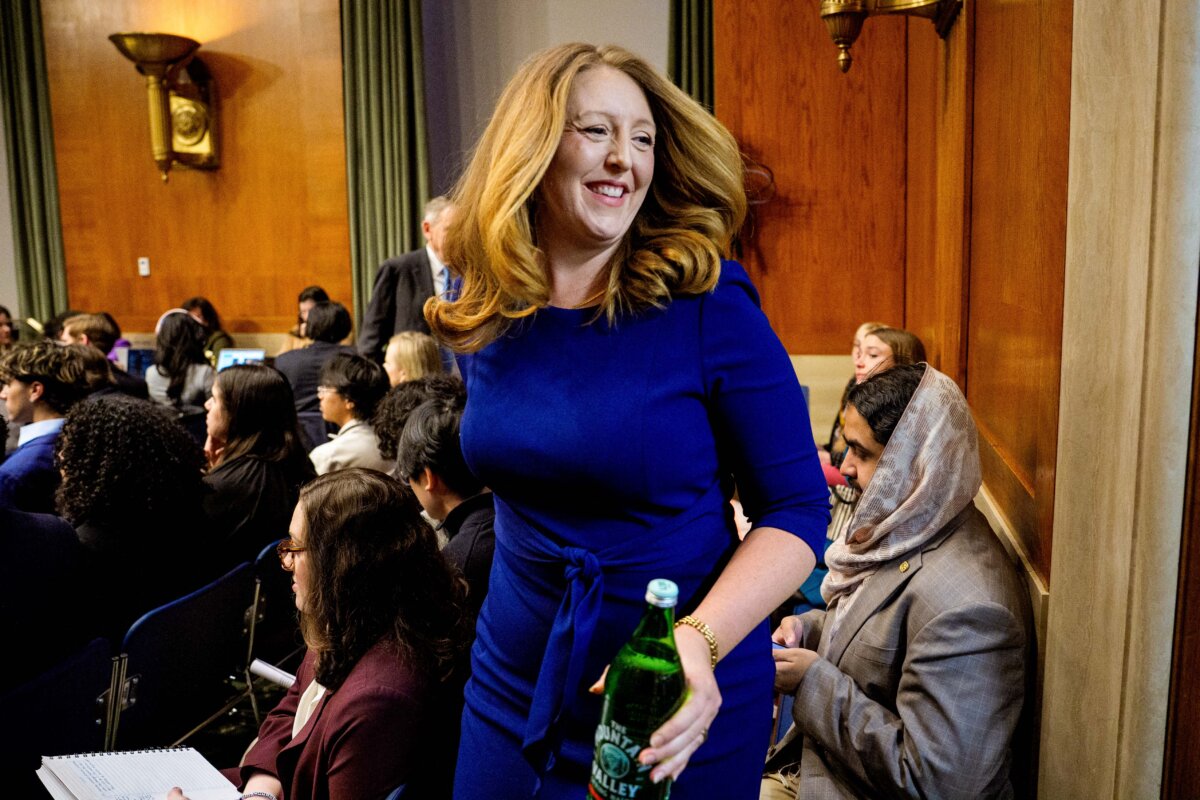
That brings us to Dr. Casey Means.
President Donald Trump nominated Means to serve as surgeon general of the United States in May 2025 after withdrawing a previous nominee. The position is often described as the nation’s doctor—a public health communicator who shapes the conversation around health policy, prevention, and medical guidance.
Her nomination has become a flashpoint.
Means is a Stanford-trained physician who began a surgical residency before leaving the traditional medical system to focus on metabolic health, nutrition, and chronic disease prevention. Along with her brother, Calley Means, she has become one of the more prominent voices in the growing movement questioning why the American medical system spends trillions treating disease but comparatively little preventing it.
She is closely aligned with the MAHA agenda championed by Health and Human Services Secretary Robert F. Kennedy Jr., which focuses heavily on food quality, environmental exposures, metabolic health, and chronic disease.
Supporters see her as a disruptor. Critics see her as unconventional.
And that is exactly why her confirmation has become controversial.
Her Senate confirmation hearing was originally scheduled for October 2025, but it had to be postponed when she went into labor with her first child. Because the Senate session ended before the hearing could be rescheduled, her nomination expired at the beginning of the new Senate term and had to be submitted again in early 2026.
She finally appeared before the Senate Health, Education, Labor and Pensions Committee on Feb. 25, 2026.
During the hearing, some Democrats raised concerns about her medical credentials because she left her surgical residency and does not currently hold an active medical license. Others pressed her on her views about vaccines, arguing that the surgeon general should reinforce existing public health messaging.
The vaccine issue has become one of the major sticking points in the confirmation process.
Yet that controversy also reveals something deeper about the current political landscape.
Writer and journalist Jeffrey Tucker recently broke down polling conducted in collaboration with the Brownstone Institute examining how Americans feel about vaccine choice. What he found was not a narrow partisan divide but something closer to a national consensus around medical freedom.
Depending on the specific question asked, between roughly 55 percent and 70 percent of Americans support the right of individuals to make their own decisions about vaccines and medical treatments. In other words, what is often portrayed as a fringe position in Washington actually reflects the views of most Americans.
Politics, however, rarely reflects simple majorities.
Within the MAHA movement itself there is disagreement. Some activists believe the movement should demand sweeping institutional change immediately. Others believe progress will require a series of smaller steps inside existing political structures.
This is where coalition politics becomes difficult.
When movements begin, unity comes from shared frustration. But when the opportunity to govern arrives, unity requires compromise.
At the moment, the MAHA coalition could use a win.
Means may not represent every hope or every demand of people in the movement. No nominee ever does. But her appointment would mark a clear shift in the national conversation about health—from managing disease to preventing it.
For me, this issue is also personal.
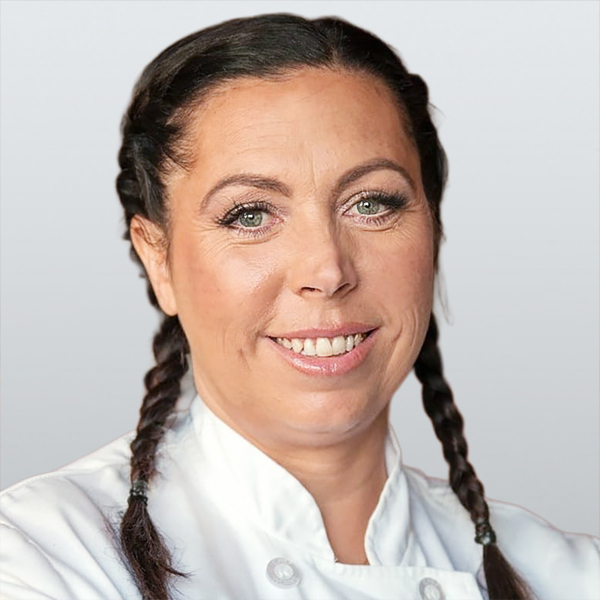
Years ago, when I shifted my restaurants from vegan to a whole-food, regenerative approach, the backlash online was intense. People said things about me that I would never repeat here.
In the middle of that storm, Means reached out to me.
She did not know me personally. She had nothing to gain. She simply told me that what I was doing was brave and that the message I was putting out into the world mattered.
She even made a point to take meetings at my restaurant in Los Angeles and invite friends and colleagues to come eat there, encouraging her community on social media to support what we were trying to build.
Ultimately, that support was not enough to save my Los Angeles restaurants, but the gesture meant something. It still does.
We are living through a moment when many institutions are losing the trust of the American public. The health care system is no exception. Chronic disease rates continue to climb. Childhood metabolic illness is rising. Americans spend more on health care than any country in the world while often getting worse outcomes.
That reality is what gave birth to the MAHA movement in the first place.
Confirming Means will not fix the American health care system. No single appointment could do that. But it would be a step in the right direction.
More importantly, it would help keep an essential conversation alive in our society: the conversation about freedom of choice, about personal responsibility for our health, and about our own ability to heal.
Ultimately, the government is never going to save us.
But the conversations we hear, the ideas we absorb, and the information we are exposed to do shape the choices we make in our lives.
In that sense, leadership matters.
And if confirmed as surgeon general, Means would continue pushing the national conversation in a direction that encourages Americans to reclaim responsibility for their own well-being.
Right now, that direction matters.
Views expressed in this article are the opinions of the author and do not necessarily reflect the views of The Epoch Times.