Nvidia’s Huang Resigns as US Probes Chip Flows; China’s AI Race Is Unsustainable

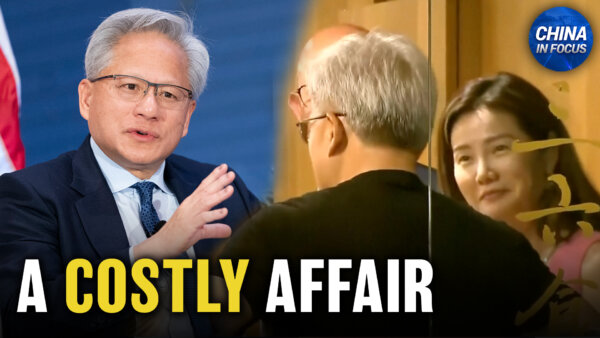
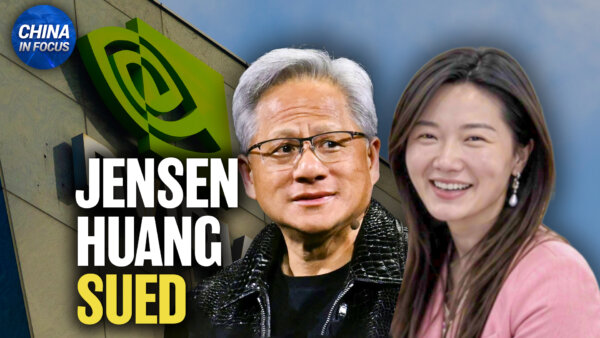
Following his resignation, former Nvidia CEO Jensen Huang faces growing scrutiny over China and national security, as well as a federal investigation. Questions are mounting over whether billions of dollars’ worth of advanced artificial intelligence chips were diverted to China. Now, Congress wants answers.
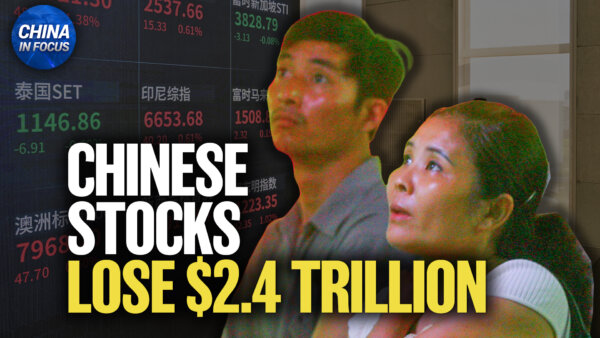
Money is pouring into the AI industry and the infrastructure supporting it. The Chinese Communist Party is determined to beat the United States in the AI race. But is that ambition fueling an AI bubble? And could it be on the verge of bursting?
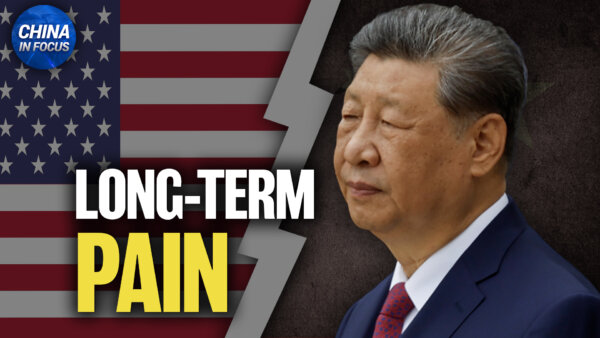
China’s trade surplus has hit a record, topping $1 trillion in the first ten months of the year. Did U.S. President Donald Trump’s tariffs work? And does the massive surplus signal strength or weakness in China’s economy?
-
Nvidia’s Huang Resigns as U.S. Probes Chip Flows
-
Huang Steps Down Amid Affairs and Spy Allegations
-
Huang Agrees to Testify Before Congress This Month
-
DOJ Probes Megaspeed as Commerce Chief Faces Scrutiny
-
What Happens After Jensen Huang’s Resignation?
-
Military-Linked Chinese Universities Buy Nvidia Chips
-
China’s AI Race Is Unsustainable
-
Chinese AI Firms Spend Big, Earn Little
-
China’s AI Rules Send Mixed Signals
-
China’s AI Woes Would Hit Broader Market
-
AI Bubble Could Trigger Global Financial Crisis
-
U.S.–China AI Bubbles: One Could Sink Both
-
China’s $1T Trade Surplus: Strength or Weakness?
-
China’s Trade Surplus Sparks Dumping Concerns in West
-
China’s Economy Is Still Struggling
-
Rubio, Wang Yi Discuss Trump’s APEC Trip to China
Views expressed in this video are those of the host and guest(s) and do not necessarily reflect the views of The Epoch Times.