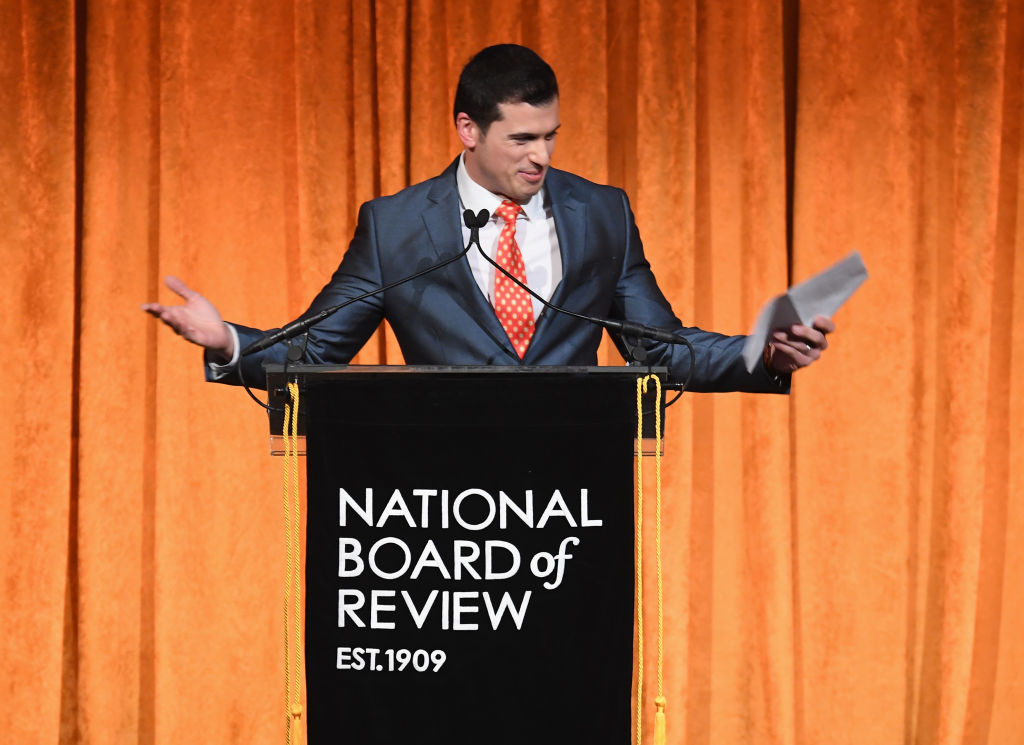

Good Morning America co-anchor Gio Benitez is opening up about his recent health diagnosis, after learning he has coronary artery disease at 41 years old.
Benitez shared the news in an interview with People published Tuesday, explaining that a routine screening discovered plaque buildup in his heart’s arteries despite his otherwise healthy lifestyle.
Benitez said he exercises regularly, eats healthy, does not smoke, and has generally maintained normal cholesterol levels. He also has no history of diabetes or high blood pressure.
The journalist said the diagnosis was particularly difficult to process due to his family’s extensive history of heart disease and fatal heart attacks.
“I actually had panic attacks every night for about a week after I heard,” Benitez told the outlet. “My husband would go to sleep or I’d been in my hotel room, because I was traveling for work, and that’s when I would literally just start thinking the worst.”
The diagnosis came earlier this month after Benitez underwent a coronary artery calcium scan, a non-invasive test that uses a CT scanner to look for calcium deposits in the arteries supplying blood to the heart.
The test took only a few minutes, and when the results arrived the following morning, Benitez said he was shocked to learn his calcium score was 137. A score above 100 is generally considered an indication of elevated cardiovascular risk.
According to Benitez, the screening was recommended by ABC News chief medical correspondent and cardiologist Dr. Tara Narula. The two had previously discussed his family history while working on a heart health segment approximately a year ago.
“My grandmother, 61 years old, died of a heart attack,” he said. “My aunt had heart attack in her sleep, also young. My uncle? Heart attack. He was young, too. My other uncle, another heart attack, also young.”
Despite his concerns, Benitez had previously been reassured by doctors that his heart appeared healthy. He also passed a cardiac stress test, which evaluates how the heart performs during physical activity.
“It was literally everywhere all around me,” Benitez continued. “I was always sort of panicked around it, even though doctors over the years told me everything’s fine.”
“But when I got the diagnosis, with the kind of heart health trauma that I have in my life, that’s something that I started thinking about myself. ‘Is this going to happen to me tonight? Is this it? Will I close my eyes and just never open them again?’”
Coronary artery disease develops when plaque, made up of cholesterol and other substances, accumulates inside the arteries that supply blood to the heart.
Over time, the buildup can restrict blood flow and increase the risk of a heart attack or stroke, according to the Cleveland Clinic.
Since the diagnosis, Benitez started treatment under medical supervision. Treatment for coronary artery disease can include cholesterol-lowering medication, dietary changes, regular exercise, and other measures designed to reduce the risk of future complications.
By sharing his experience publicly, Benitez hopes to encourage others, particularly those with a family history of heart disease, to discuss their cardiovascular risk with their doctors.
He also highlighted that feeling healthy does not always mean there are no underlying issues.