
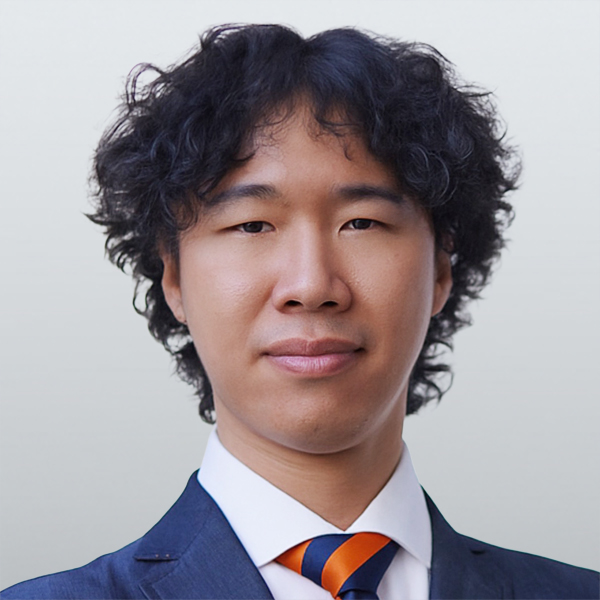
A Chinese dissident legal scholar says that Beijing operates a long-running intelligence program targeting influential figures worldwide through money, sex, and prestige.
Yuan Hongbing, a former law professor at Peking University and renowned Chinese dissident based in Australia, told The Epoch Times on Nov. 15 that China’s Ministry of State Security (MSS) has operated a program known as “Sky Net” since the early 2000s, seeking to recruit influential figures in politics, business, academia, media, and other fields.
Yuan said the program aimed to turn international elites into supporters of the Chinese Communist Party’s strategic interests by exploiting their financial interests, sexual interests, and ambition.
According to Yuan, the Sky Net program was initially managed by the MSS’s 10th Bureau but was later transferred to the ministry’s general office under Chinese leader Xi Jinping. He said the program now operates as a special national security project directly overseen by MSS Minister Chen Yixin.
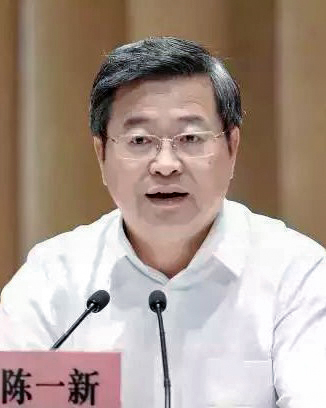 Chinese Minister of State Security Chen Yixin. (Public Domain)
He also said that Beijing established specialized training facilities to prepare male and female agents to approach foreign targets. One program at Beijing’s University of International Relations allegedly offered short courses in “special psychology,” teaching recruits how to exploit individuals through money, sexual relationships, and promises of prestige, Yuan told The Epoch Times.
Yuan said that recruits were primarily selected from university students and subjected to strict secrecy requirements. Those who enter the intelligence system lose control of their personal lives and face severe consequences if they attempt to defect.
These accounts were attributed by Yuan to unnamed sources within the CCP’s political system.
Beijing’s Alleged Response to Jensen Huang Affair
Beijing’s alleged use of “Honey Traps” received global attention earlier this month following a New York Times report on Nvidia CEO Jensen Huang’s alleged relationship with Alice Huang. The article cited U.S. intelligence agencies’ concerns that she allegedly passed information to Beijing.
Huang was forced to resign from his position by Nvidia’s board after admitting to having had an extramarital affair, although he did not publicly identify the woman.
U.S. Attorney General Todd Blanche said the Justice Department had not reached a conclusion about whether Alice Huang was a Chinese spy.
According to Yuan, in response, Cai Qi, a senior CCP official who heads the Party’s Secretariat, issued three propaganda directives in response to Jensen Huang admitting his extramarital affairs amid the reports involving Alice Huang.
The first was to portray the case as a product of U.S. partisan political infighting, encouraging international audiences to view Jensen Huang as a victim of domestic political rivalries.
The second was to frame the controversy as an example of racial discrimination against Chinese Americans, emphasizing Jensen Huang’s Chinese or Taiwanese heritage and success in the United States.
The third was to keep public discussion focused on Jensen Huang’s alleged extramarital relationships while minimizing questions about the exports of advanced semiconductors to China and the potential national security implications.
Yuan further alleged that Beijing was mobilizing supporters in the United States to encourage Nvidia employees and shareholders to call for Jensen Huang’s reinstatement. The allegation cannot be independently verified.
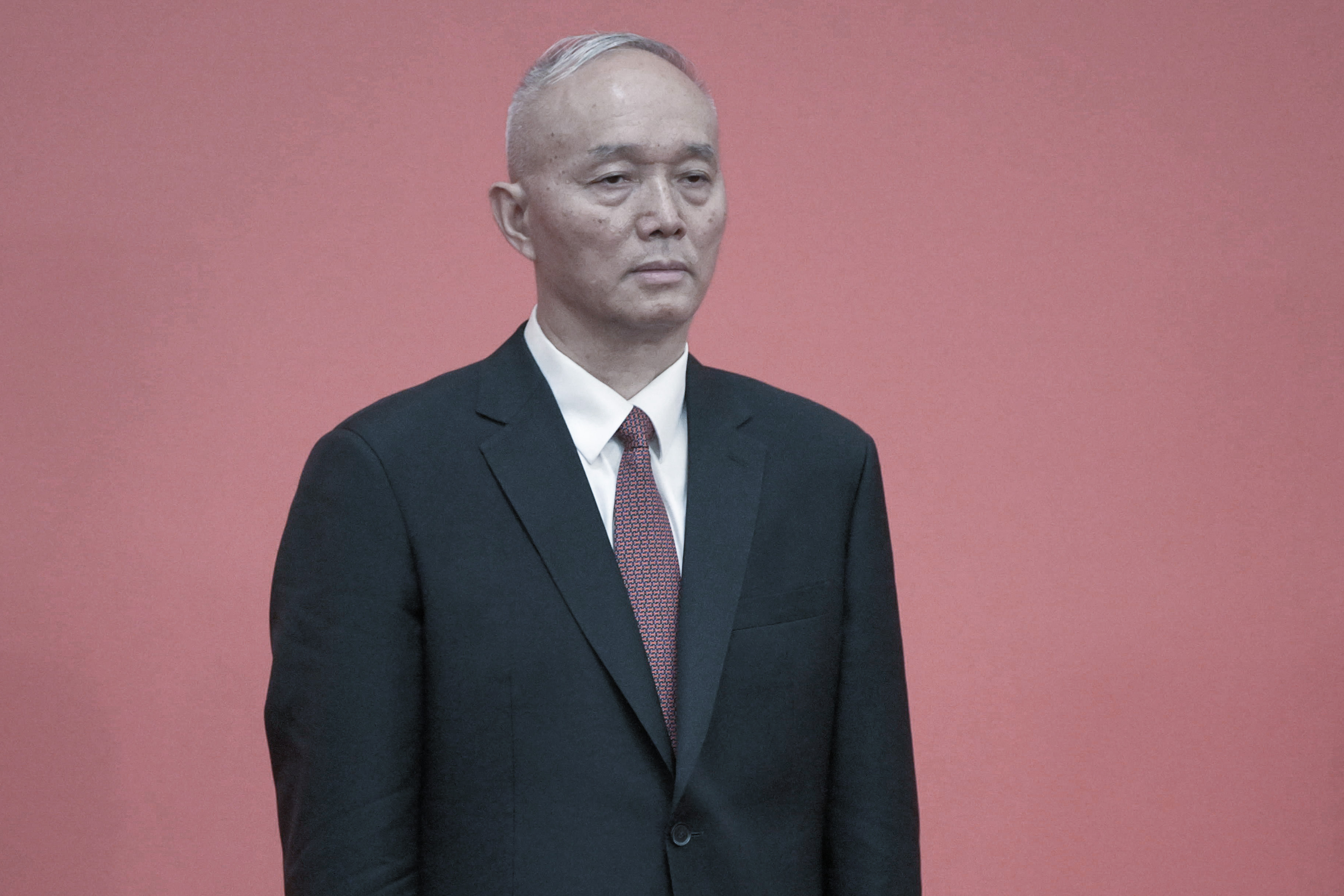 Standing Committee member Cai Qi is seen at a press event with members of the new Standing Committee of the Political Bureau of the Communist Party of China and Chinese and Foreign journalists at The Great Hall of People in Beijing on Oct. 23, 2022. (Kevin Frayer/Getty Images)