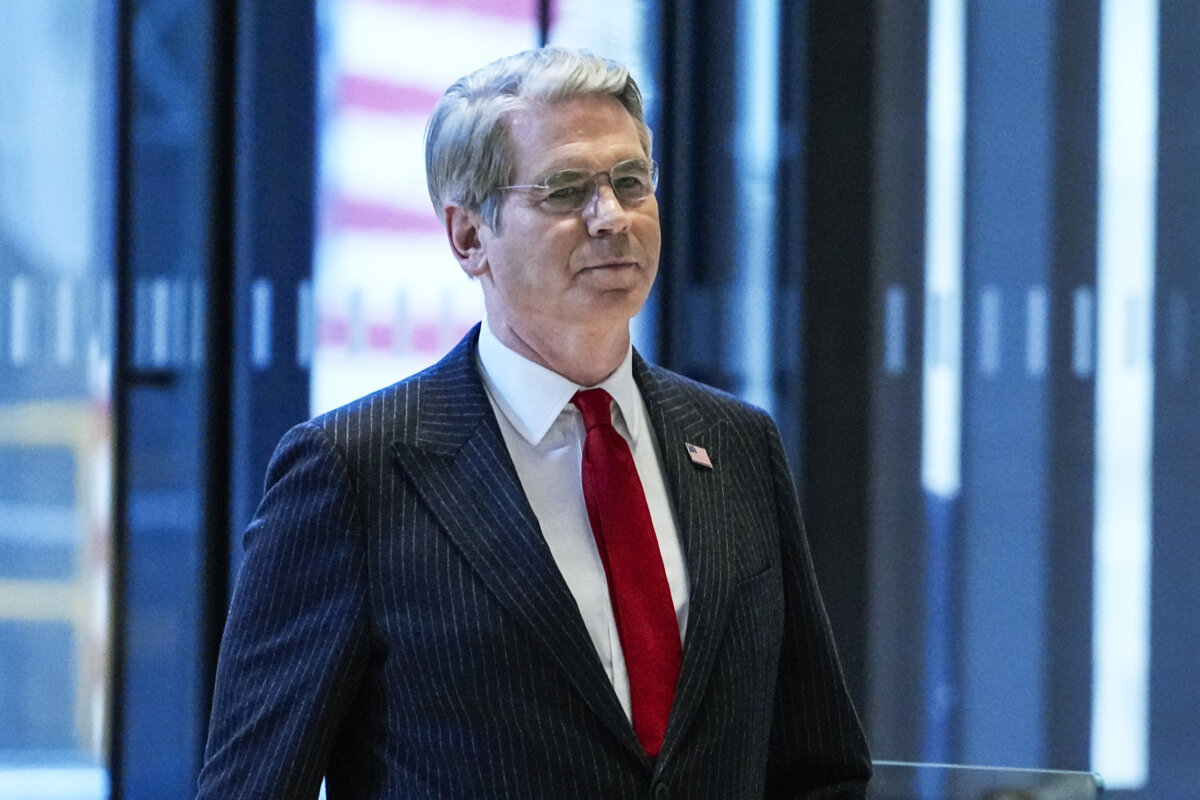

The United States and China agreed to extend a trade truce for two months, Treasury Secretary Scott Bessent said Wednesday, after another round of talks with the Chinese regime’s lead trade official, He Lifeng.
“We have agreed today that we will extend what we call the ‘Busan Agreement,’ the economic détente between the two countries that was scheduled to end on Nov. 10,” Bessent told Fox News on Wednesday evening. “That is going to be extended until Jan. 10 to give us more time to see what we can do on the economic front.”
China’s commerce ministry spokesperson told a Thursday briefing that Chinese and U.S. trade officials reached multiple points of consensus after the latest round of talks, which he characterized as in-depth and constructive. The spokesperson didn’t offer details about the consensus.
Bessent said he was not sure whether a bigger deal could be done.
“There are some deliverables that have not been perfect on the Chinese side, so we also want to see, now that we’ve sat down and told them our expectations, to see if, over the coming months, they could be a bit more fulsome in enacting the agreement,” Bessent said.
Under the one-year trade truce—reached after U.S. President Donald Trump and Chinese leader Xi Jinping met in Busan, South Korea, in October 2025—Beijing agreed not only to suspend tariffs and resume purchases of U.S. agricultural products, but also to roll back export controls on rare earths critical to a wide range of U.S. industries.
U.S. officials have said the flows of rare earth and critical minerals from China had not met expectations.
Bessent on Wednesday said that China has been fulsome in its commitment to buying U.S. soybeans this year. But Beijing is behind schedule on its commitments to purchase other agricultural products, he said.
“We are encouraging them to pick those up,” he added.
The Treasury chief’s comments came as Trump is set to host Xi in White House, their second summit in four months. Xi landed in Washington on Wednesday evening.
Asked what Trump could potentially walk away with from the latest summit, Bessent said they could see announcements on financial services and agricultural purchases.
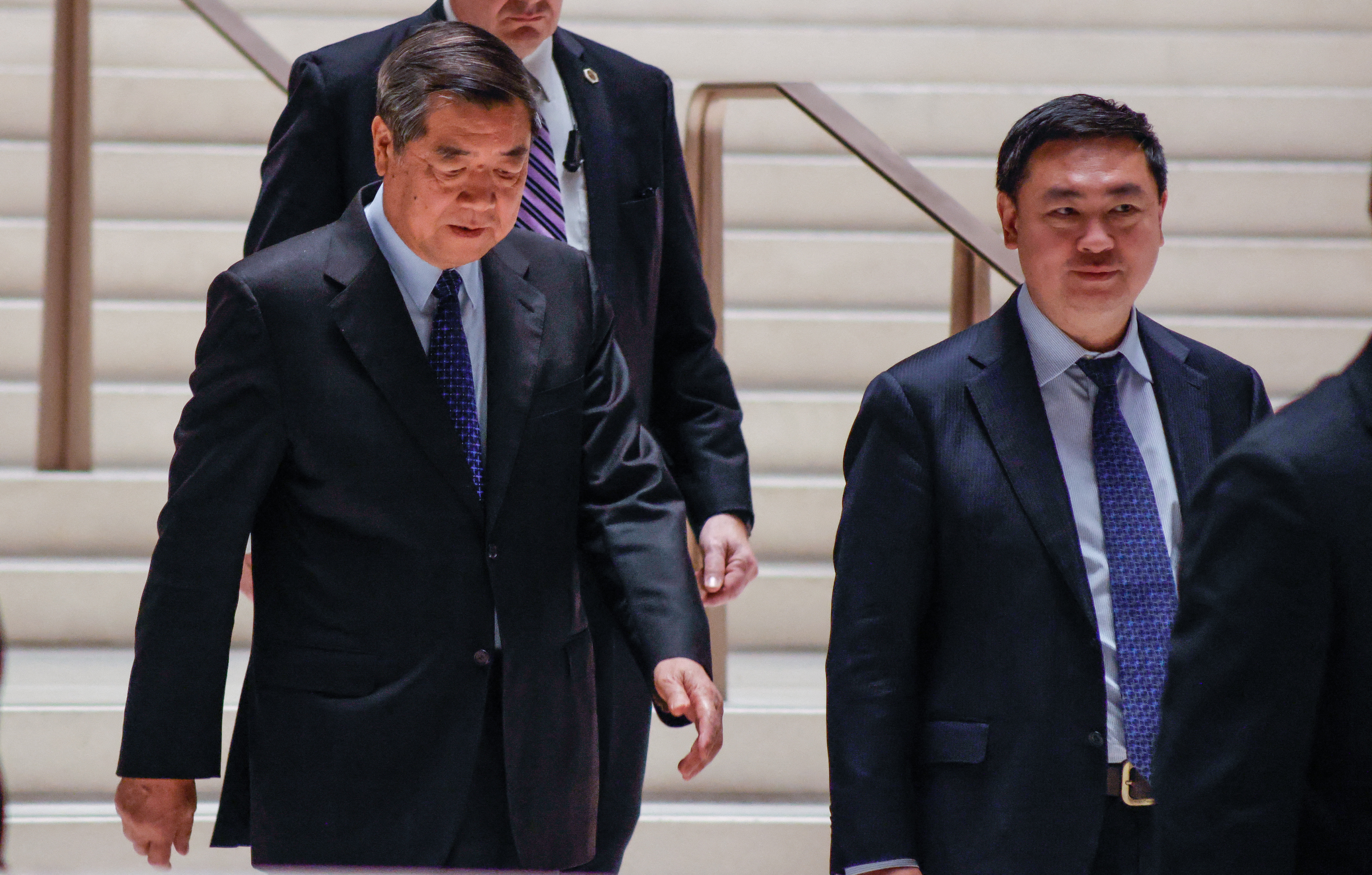 Chinese Vice Premier He Lifeng (L) leaves after a meeting with the U.S. Secretary of the Treasury Scott Bessent in New York on Sept. 20, 2026. (Kena Betancur / AFP via Getty Images)
“We’re open to the idea of just continuing the Busan arrangement or examining the bigger deal,” Bessent said after emerging from talks at the World Bank headquarters in Washington. “We’re fine with both, and we’re going to do what’s best for the American people.”
In a social media post, Bessent characterized the discussions with He as “substantive.”
“Our discussions continued to focus on securing meaningful commitments that protect American workers, farmers, and businesses while advancing U.S. economic and national security interests,” he said on X after the meeting.
Negotiation teams led by Bessent and He last met in New York on Sunday to prepare for the upcoming summit between the leaders of the world’s two largest economies. After the first day of talks, the two sides agreed to “operationalize” U.S. proposals for a Board of Trade and to launch a formal artificial intelligence (AI) dialogue, according to Bessent.
“We’ve now formalized something called the USA-China AI dialogues. We’ve agreed to meet again probably in two months in Shenzhen,” Bessent told CNBC on Monday.
Bessent said the two sides also agreed to set up “an incident line” to ensure constant communication about AI, especially in the event of safety incidents.
“And then we want to start discussing protocols … so both sides can agree on what the leading AI dangers are, whether it’s uncontrollable agents, whether it’s non-state actors, and cyber non-state actors in bioweapons,” he added.
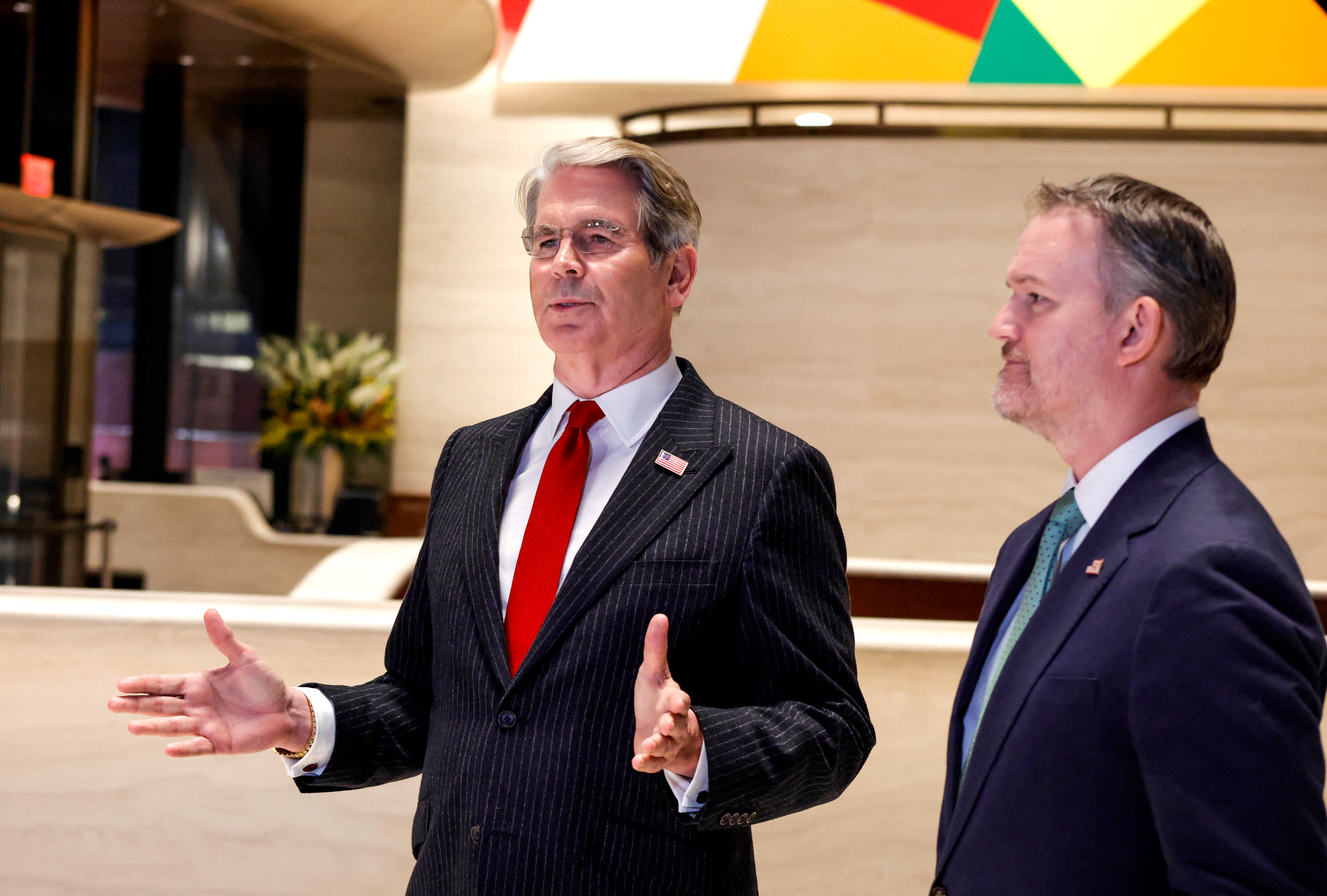 U.S. Treasury Secretary Scott Bessent speaks next to U.S. Trade Representative Jamieson Greer (R) during a media briefing after a meeting with China’s Vice Premier He Lifeng in New York City on Sept. 20, 2026. (Kena betancur/AFP via Getty Images)
Asked why the deal cannot be extended now, Greer pointed to ensuring China’s compliance with its commitment to issue export licenses for rare earths.
“China has created this uncertainty. They’ve limited rare earth exports. They’ve controlled them. We monitor them,” he said. “And I think just saying, you know, we have full trust and full confidence in each other at this point, I think is a little naive.”