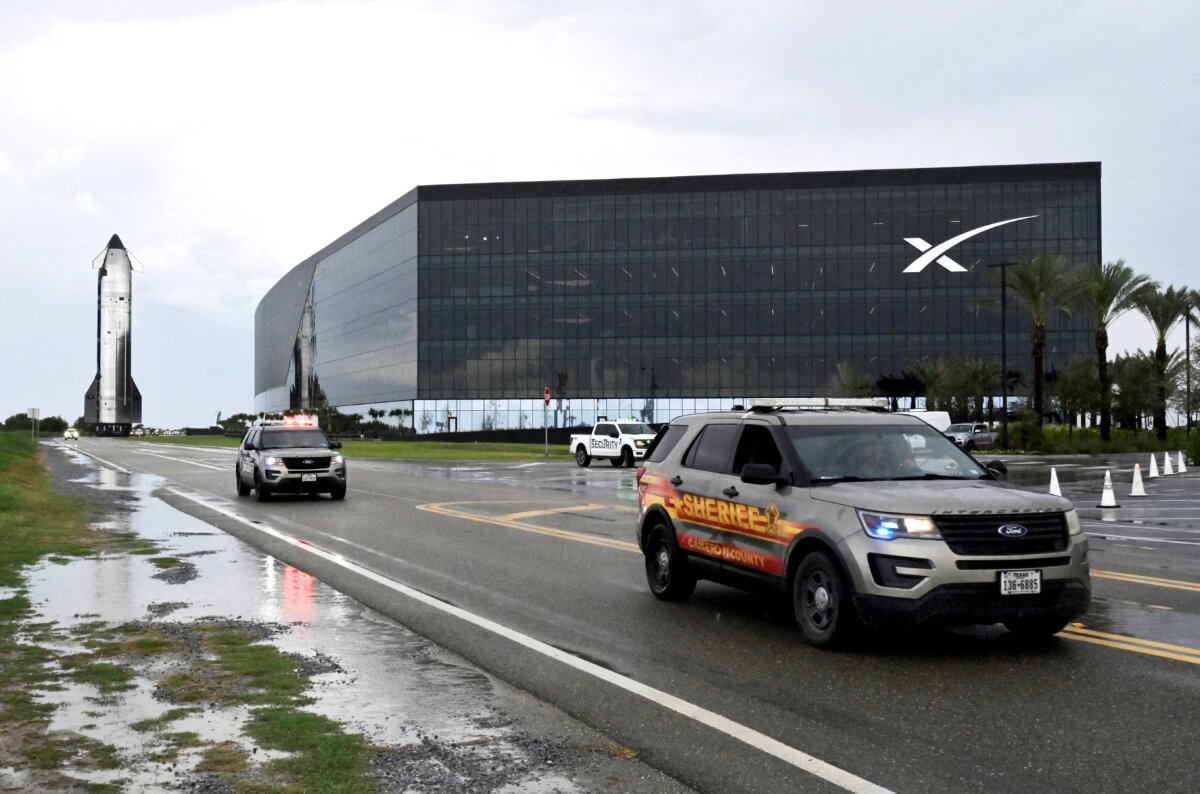

SpaceX has said it will invest more than $74 billion in two artificial intelligence data centers in Texas and Arizona, with commitments to fund its own electricity and water infrastructure.
The projects, announced on Nov. 12, include a supercomputer campus at Starbase in South Texas, estimated to cost more than $24 billion, and a roughly $50 billion campus in Cochise County, Arizona.
SpaceX said the projects would benefit surrounding communities by creating jobs and building new power generation and water supply networks.
“The facility will generate its own electricity without drawing power from the public grid,” SpaceX said of the Texas data center, which will sit on 444 acres of Starbase-controlled land near the Port of Brownsville and the city’s landfill.
Earlier this year, Brownsville voted to remove the land from its city boundaries at SpaceX’s request, in exchange for up to $220 million to fill a funding gap in the city’s water and wastewater infrastructure.
The annexation placed the land outside the reach of a 90-day moratorium on data center applications within the city’s jurisdiction, which took effect on Nov. 5.
Roughly three-quarters of Brownsville’s primary water supply comes from two Rio Grande reservoirs, both of which have faced critically low water levels, according to SpaceX.
Relying on traditional public financing to close the $220 million funding gap would have cost ratepayers $370 million over 25 years, including interest, the company said.
In Arizona, SpaceX said it is working with local electric cooperatives to win approval for a power project it said would use existing renewable resources and potentially lower cooperative members’ electricity bills by as much as 20 percent.
SpaceX also said the Arizona campus would use dry cooling, with no planned industrial groundwater consumption.
Dry cooling uses a closed-loop system that circulates cooling fluid into a device exposed to outside air. As long as the ambient air is cooler than the fluid, the system can run without drawing water to make up for evaporation.
The Arizona campus is expected to create about 5,500 construction jobs and 1,000 permanent jobs. SpaceX said the Texas project had already generated more than 3,000 construction jobs and would support more than 500 permanent workers.
The Texas site has drawn opposition from environmental advocates.
The South Texas Environmental Justice Network organized a protest against the project, arguing that the new facilities would pollute the air, use up water, and raise energy bills for residents.
Brownsville said it stands by its deal with SpaceX, emphasizing the importance of securing the $220 million in water funding.
The city said in a message to residents that it “remains committed to evaluating those concerns and protecting water resources, evaluating infrastructure impacts and ensuring responsible growth that serves Brownsville’s long-term interests.”
Across Texas, data center developers are expected to face stronger headwinds under Gov.-elect Gina Hinojosa, who campaigned on halting new data center approvals until the state adopts additional rules governing electricity costs, water use, and the role of local communities.
The Arizona site remains subject to approval by local authorities.