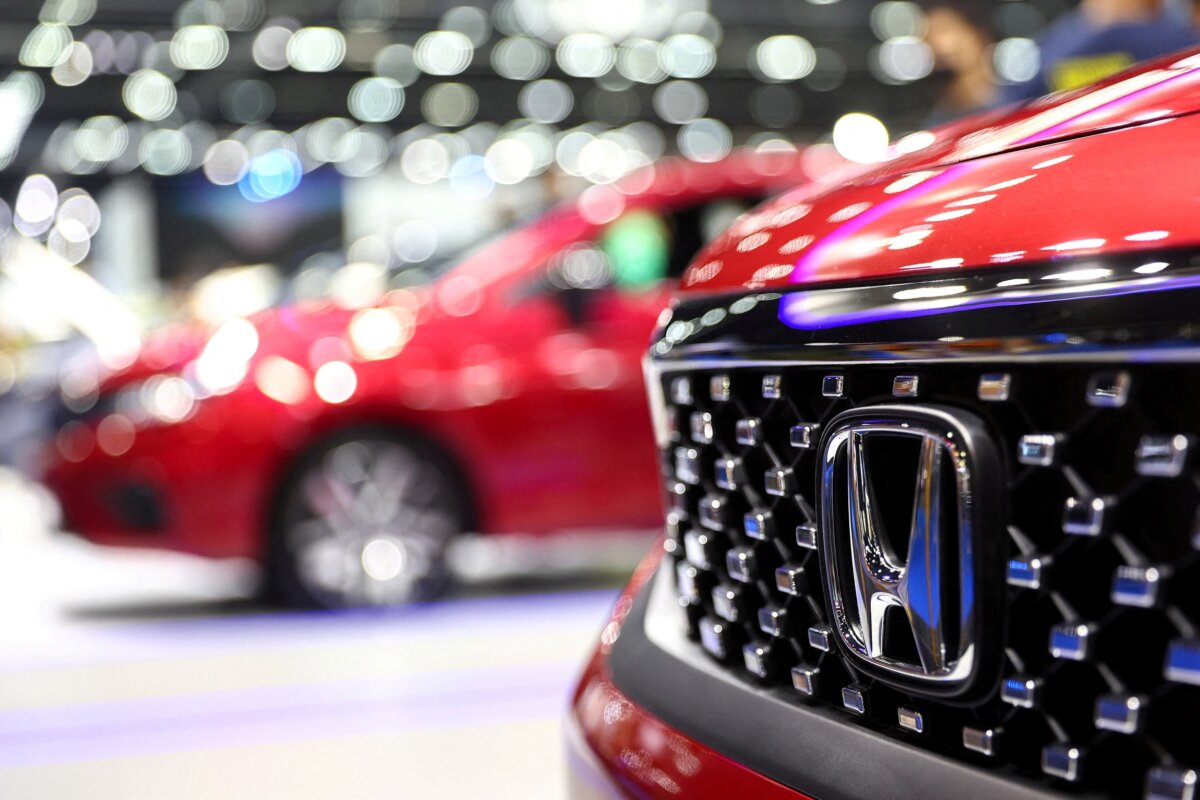

The American Honda Motor Company has issued a recall of 635,808 vehicles due to a possible loss of power steering assist, which could increase the risk of an accident or injury.
According to a report posted on Nov. 10 by the National Highway Traffic Safety Administration (NHTSA), the recall includes certain 2021–2025 Acura TLX, 2022–2024 Acura MDX, and 2023–2025 Pilot models.
The NHTSA indicated that an improper software configuration could cause the electric power steering system to enter into a failsafe mode, resulting in a loss of the power steering assist function. Without this assistance, the report noted, required steering effort increases and could reduce the driver’s ability to control the vehicle.
The report attributed the problem to incorrect electric power steering software by the supplier, containing an error in the Driver Attention Monitor road condition compensation calculation.
Notification letters to owners of affected vehicles are expected to be mailed starting Dec. 14. Local dealerships will reprogram the electric power steering control unit free of charge. The notice does not contain a “Do Not Drive” warning.
Honda received the first report of the issue in November 2021, followed by subsequent reports and testing. As of Oct. 22, the automaker had 146 warranty claims, one report of an injury, and no reports of death related to this issue.
In early October, Chrysler recalled 265,512 vehicles for a possible loss of power steering assist. In that case, the report indicated that water may have entered the electric power steering wiring harness, disabling the steering assist system.
Tesla issued a similar recall in February 2025 involving 376,000 of its electric vehicles. The loss of power steering assist was attributed to a software issue.
An August report from Car ADAS, an auto system repair firm based in Salt Lake City, noted that many vehicles now have a power steering warning light to detect a problem with the system. That light, which typically presents as a steering wheel icon with an exclamation point, will also let drivers know the severity of the issue.
While an amber or steady light indicates assistance may be reduced, a red light means the system has shut off the assist function, and steering may become more difficult.
“If the light is on but the steering still feels normal, the vehicle is drivable with caution,” the report stated, adding the owner should get it checked out within days.
“If the steering has gone noticeably heavy, drive only as far as it takes to get somewhere safe, and expect the wheel to require real muscle at low speeds,” the report stated.
The report said that on newer models, the steering system can also work in tandem with the lane-keep assist and lane centering to steer the car.
“That shared hardware means a steering fault is rarely just a steering problem,” the report stated.