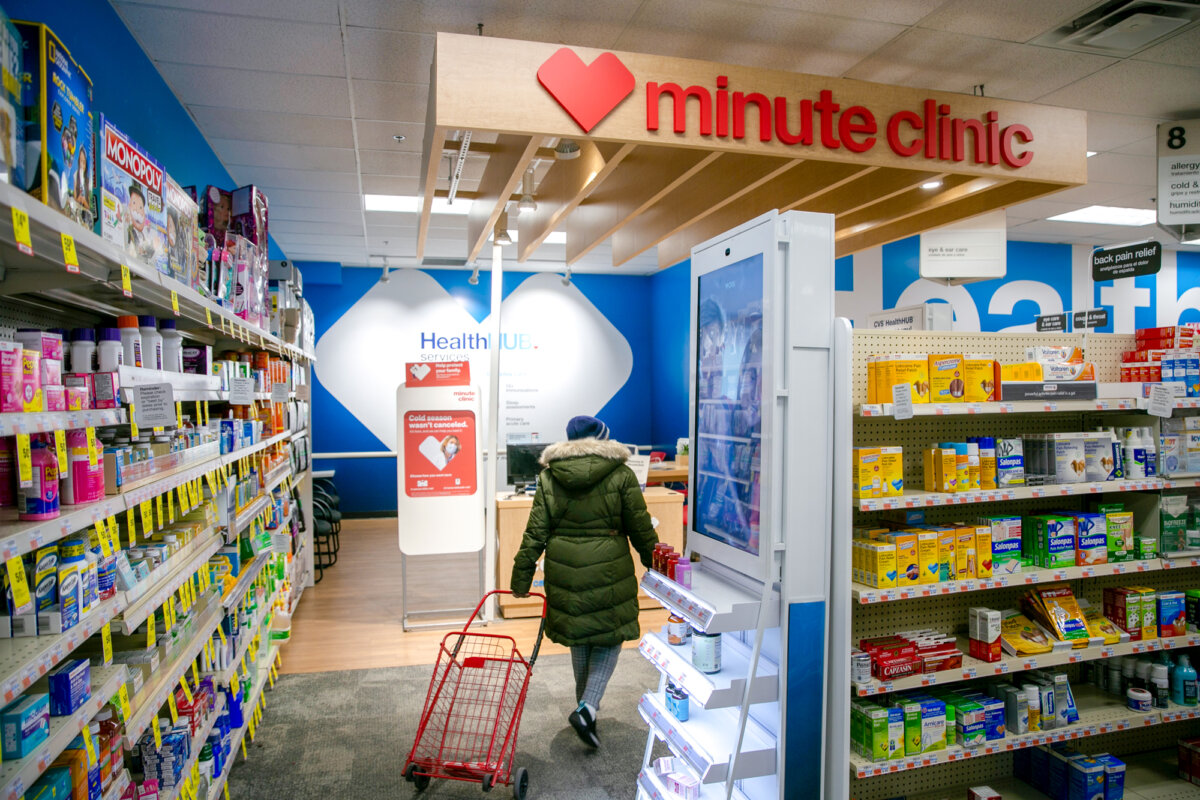

CVS Health plans to split into two independent and publicly traded companies, marking one of the largest corporate restructurings in history.
Under the proposed separation, one company, temporarily named CVS Health, will operate as a healthcare solutions business encompassing Aetna, CVS Caremark, CVS Specialty, Oak Street Health, and Signify Health.
The move effectively unwinds CVS’s $78 billion acquisition of insurer Aetna and dismantles the vertically integrated healthcare giant the company built following the landmark 2018 deal.
The second company, CVS Pharmacy, will focus on retail pharmacy and community-based healthcare services. It will include approximately 9,000 CVS pharmacy locations, the company’s mail-order pharmacy operations, MinuteClinic clinics, and the Health100 technology services business.
“From a position of strength, and a focus on the long term, we plan to create two focused companies to improve consumer engagement, affordability, and care coordination,” David Joyner, currently chairman and CEO of CVS Health, said in a statement.
The more than $100 billion healthcare empire, in terms of market capitalization as of 10:30 a.m. ET on Nov. 4, expects to complete the corporate split in the first half of 2028.
Officials made the decision following a comprehensive strategic review to deliver more affordable, accessible, and simpler healthcare solutions, the company said in a Nov. 4 news release.
“Both companies will continue to advance innovative technology solutions to improve the healthcare experience as we deliver on our purpose to simplify healthcare, one person, one family and one community at a time,” Joyner added.
Following the separation, each firm is expected to move ahead with solid investment-grade credit profiles, ample balance sheet capacity, and strong free cash flow generation, enabling them to invest in their core businesses while offering attractive dividends to shareholders, CVS said.
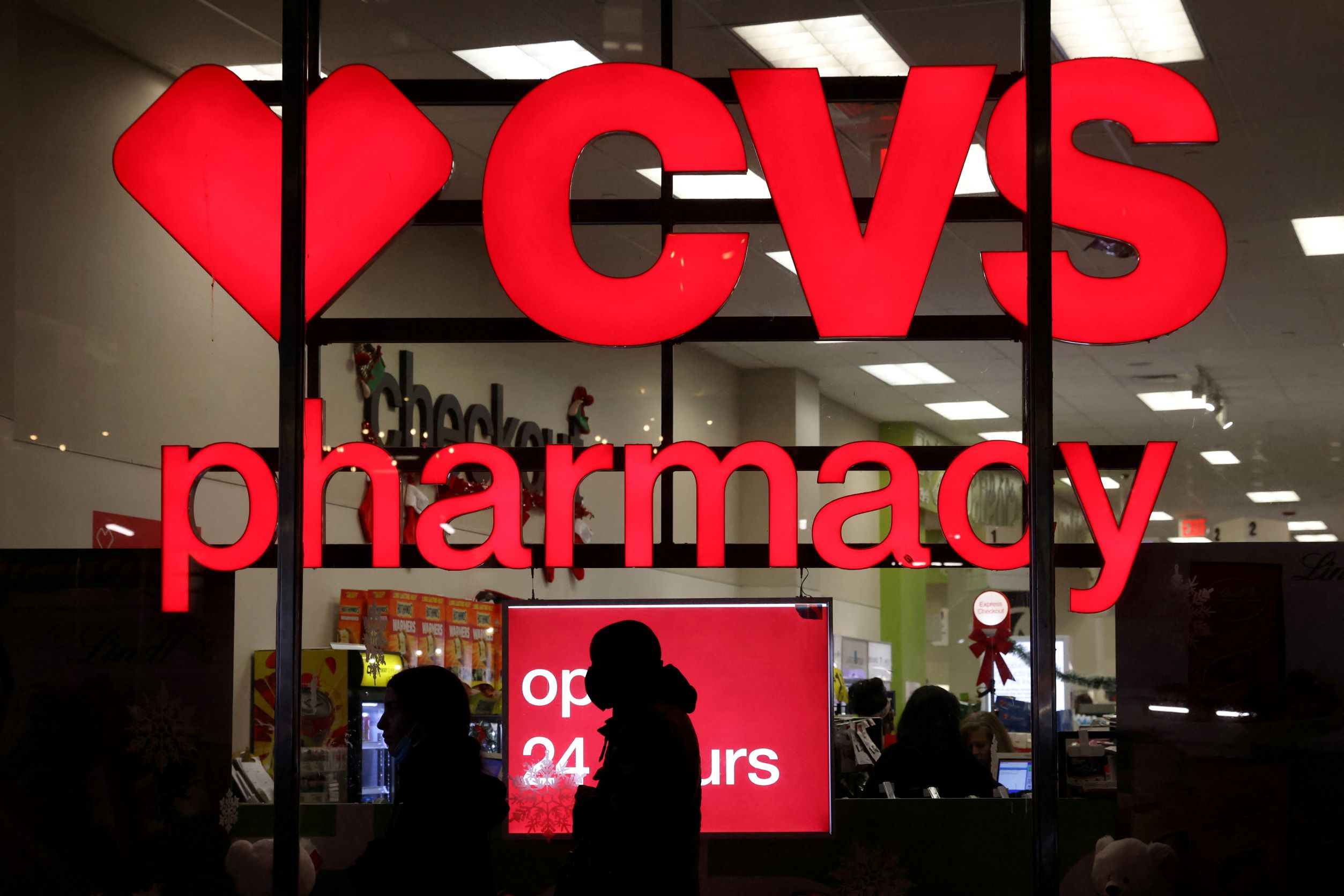 People walk by a CVS pharmacy store in New York on Nov. 17, 2021. (Andrew Kelly/Reuters)
The move comes as pharmacy benefit managers—also known as PBMs—face increasing scrutiny from federal and state lawmakers and regulators over pricing transparency, growing market concentration, and potential conflicts of interest stemming from ties to insurers and pharmacy operators.
With Democrats regaining control of the House of Representatives and the Senate, heightened scrutiny is expected to happen.
Inside CVS Earnings
CVS Health also reported its third-quarter earnings, blowing past Wall Street expectations.
Total revenues were $108.4 billion, up more than 5 percent year over year and topping the market estimate of $104.75 billion. Healthcare benefits and health services drove the growth, while pharmacy services sales also advanced from the previous year.
Adjusted earnings per share—a company’s profitability after removing one-time or nonrecurring items—were $2.09, surpassing analysts’ expectations of $1.65 per share.
It also raised its full-year earnings outlook.
Still, CVS Health shares fell sharply after the announcement to split its drug business.
The stock failed to join the broader market rally, as the leading benchmark indexes were up about 2 percent on easing political risks.
Heading into 2027, a divided government could have several policy implications that could affect several industries, including healthcare, says Jeff Buchbinder, chief equity strategist at LPL Financial.
“A cohesive Democratic majority could also delay or reverse some healthcare spending cuts, potentially providing support for healthcare services while adding a bit to consumption in 2027,” Buchbinder said in a note emailed to The Epoch Times.
“Drug pricing will continue to get headlines, but the rules of the road limit price increases are already in place.”
Correction: A previous version of this article misstated CVS Health’s pharmacy services sales. The Epoch Times regrets the error.