SEARCH


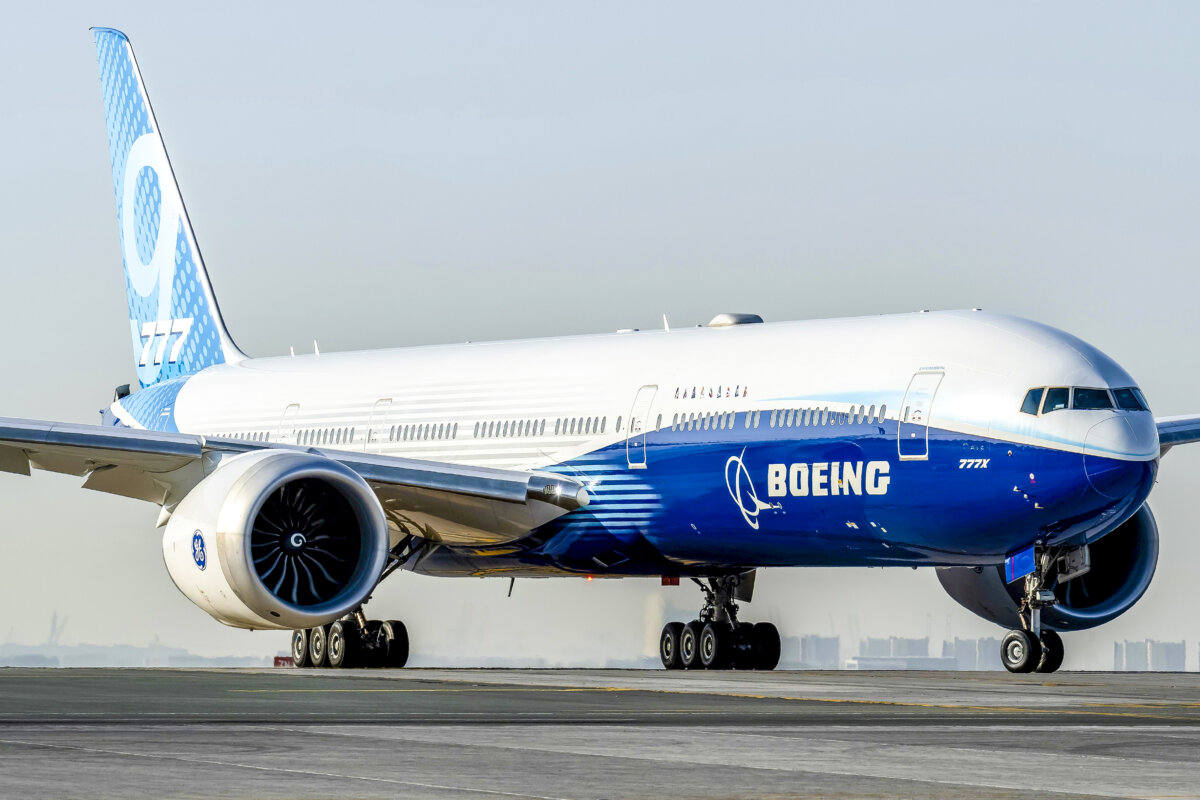
William Boeing came to aviation by way of timber, not an engineering laboratory. He made his money in the lumber business, working in a region where forests fed sawmills, and ships crowded the waterfront. The first airplanes appearing above the Pacific Northwest caught his attention. He saw a business opportunity in a technology still struggling to prove itself.
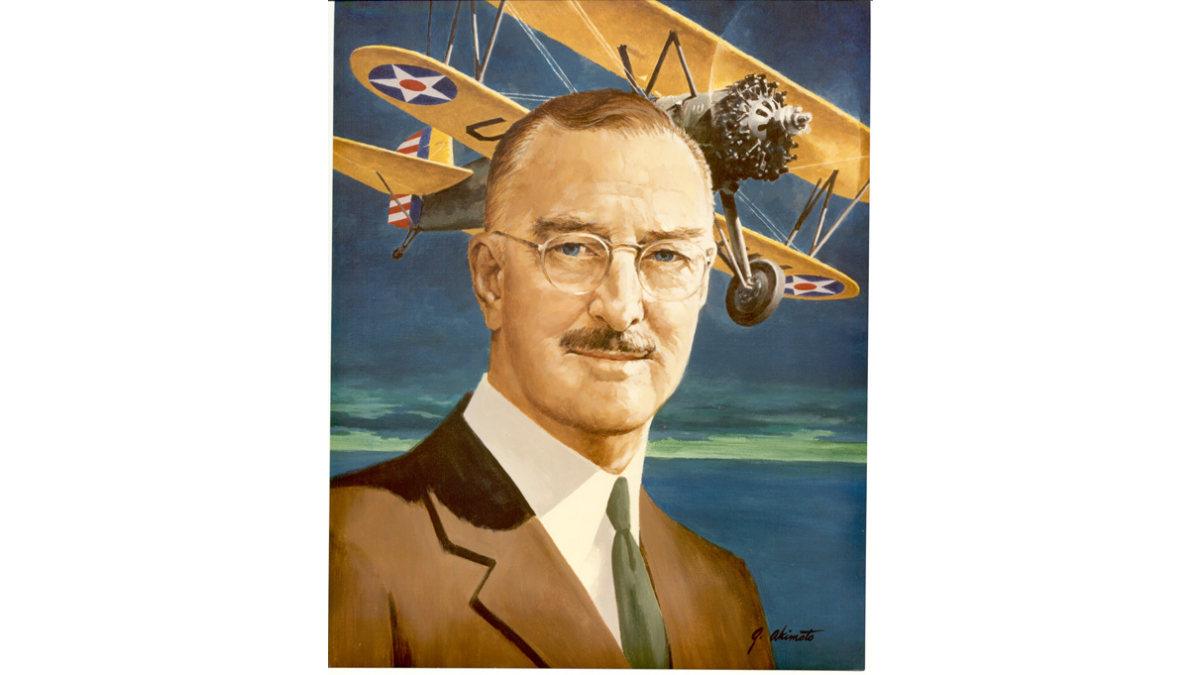
Born in Detroit on Oct. 1, 1881, Boeing attended Yale’s Sheffield Scientific School before heading west in 1903. He entered the timber trade in Washington state, acquiring the practical experience and capital that would later help finance his aviation ventures. He was a businessman before he became an aircraft manufacturer, and that background would shape the company he built.
In July 1914, Boeing took an airplane ride in Seattle with aviator Terah Maroney. The experience sharpened his interest in flying. He later traveled to Los Angeles to take lessons at the Glenn L. Martin flying school, under instructor Floyd Smith, and purchased a Martin aircraft. The machine gave Boeing a closer look at the limitations of early aviation: open cockpits, exposed struts, fabric stretched over wooden frames, and engines whose reliability could never be taken for granted.
A Businessman Takes Flight
Boeing wanted to build his own airplane. He found a partner in George Conrad Westervelt, a U.S. Navy officer interested in aircraft design. Westervelt helped develop the first seaplane, while Seattle aviation pioneer Herb Munter assisted and became the company’s first test pilot. They assembled their B&W, named for Boeing and Westervelt, near Lake Union, where the water offered a natural runway for testing a machine designed to take off and land on floats.
On June 15, 1916, the B&W made its first flight. Munter conducted the initial test, followed by Boeing himself. The company’s beginnings were modest: a small operation, a handful of workers, and an aircraft that still had to prove its worth. Boeing incorporated Pacific Aero Products Company on July 15, 1916, hoping to turn the experiment into a viable business.
The Navy rejected the B&W for its training needs. Boeing did not abandon aircraft development, but the next step depended on a different design. In 1916, he hired Wong Tsu, a Chinese aeronautical engineer educated at the Massachusetts Institute of Technology. Wong applied his specialist knowledge to the Model C training seaplane, working within a wider effort that also involved other company personnel, including engineer James Foley.
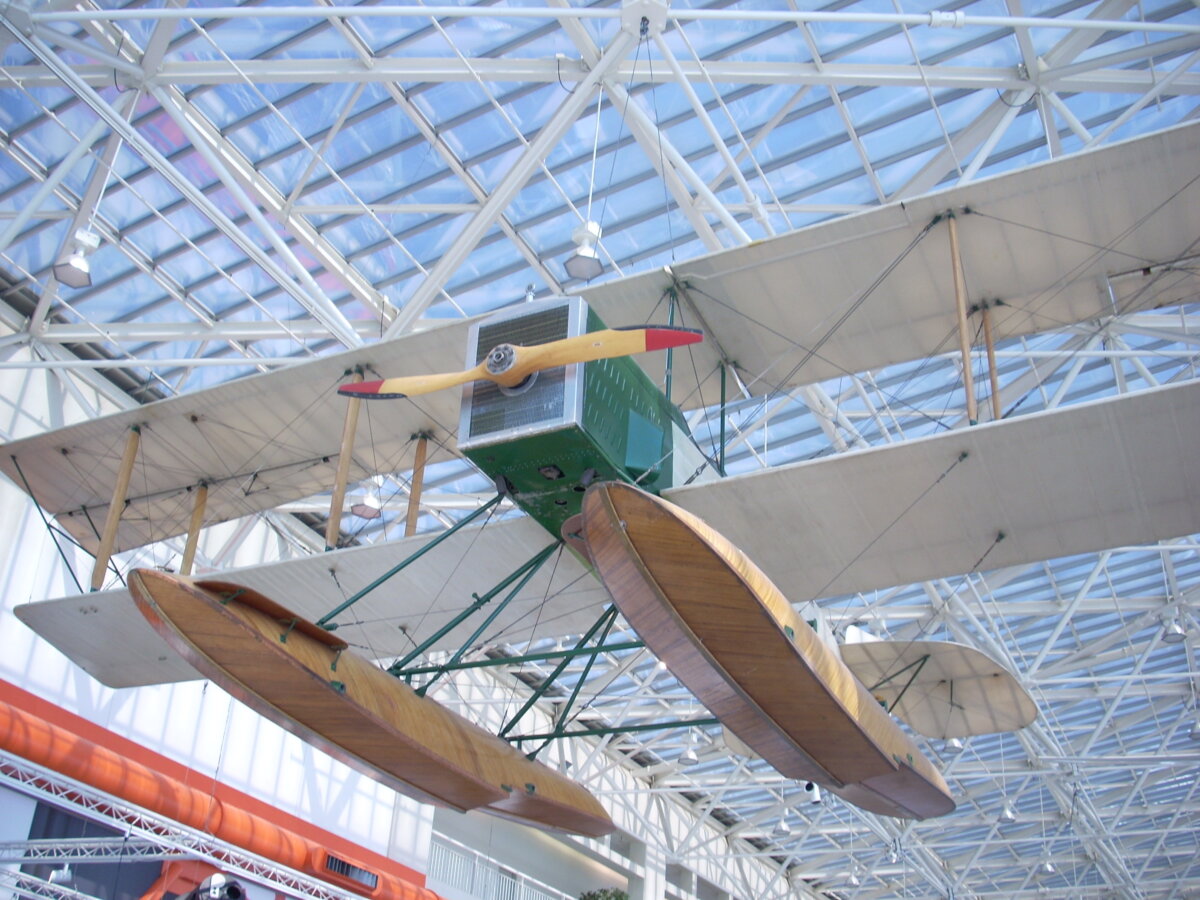
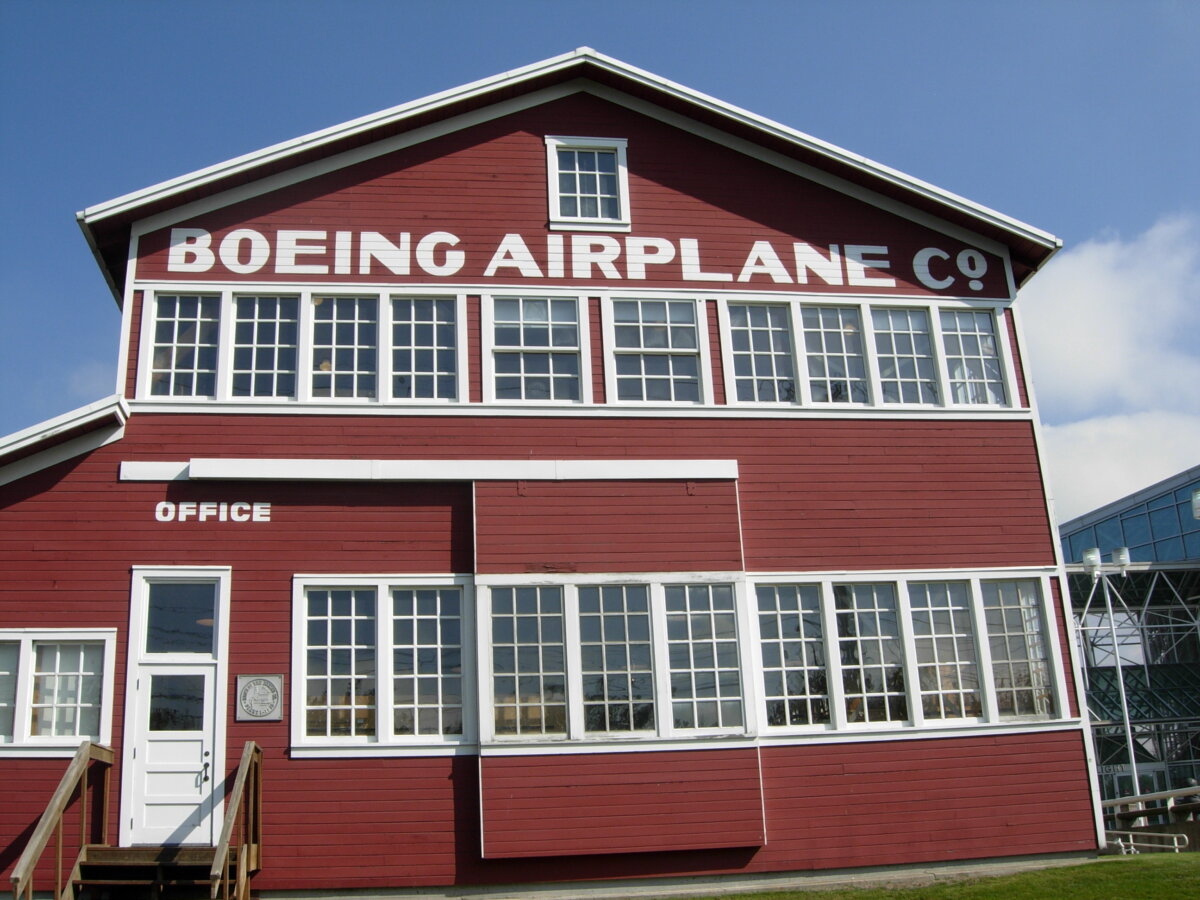
The Model C first flew in November 1916 with Munter at the controls. Its performance helped win the Navy’s confidence. After the United States entered the First World War, the Navy ordered 50 aircraft. The contract gave the young company a financial foothold. On April 26, 1917, Pacific Aero Products became the Boeing Airplane Co.
Boeing’s early success rested on a division of labor. Westervelt contributed design expertise, Wong brought formal aeronautical training, Foley helped with the engineering, and Munter tested the machines. Boeing supplied the business direction and kept the enterprise moving toward customers. His achievement was in bringing these skills together and turning aircraft construction into a functioning manufacturing operation.
From Mail Routes to an Aviation Empire
After the war, military orders declined, and Boeing’s company struggled to find enough work. It took on manufacturing jobs beyond aircraft while continuing to develop and repair airplanes. Airmail offered a way forward. Government contracts helped establish regular routes, gave pilots and operators experience, and created a commercial purpose for aircraft outside military service.
In 1927, Boeing Air Transport won a contract to carry mail between Chicago and San Francisco. Service began on July 1, using the Model 40A, which carried mail and could accommodate two passengers. The route linked aircraft manufacturing to the daily business of scheduled flying. Mail paid the bills; the passenger cabin hinted at a larger market.
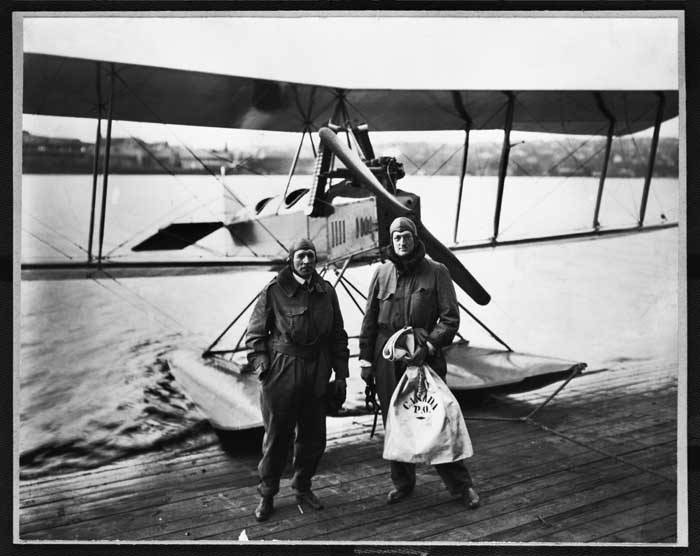
In 1929, Boeing helped form United Aircraft and Transport Corp., combining interests in aircraft manufacturing, engines, and air transport. The conglomerate became a major force in American aviation, but its reach brought political scrutiny during the Depression. Government airmail contracts became the center of a national controversy.
In 1934, after President Franklin D. Roosevelt canceled existing domestic airmail contracts and Congress enacted new legislation, the aviation holding companies were broken apart and airline operations separated from aircraft manufacturing. Boeing sold his stock and withdrew from the business. The company continued without its founder at the helm.
In retirement, Boeing pursued private interests that included ranching, yachting, and thoroughbred horses. He died on Sept. 28, 1956, three days before his 75th birthday.
Boeing began with a few men, a wooden seaplane, and the waters of Lake Union. What followed was an industry that shrank distances, changed warfare, and remade the way people traveled. He didn’t accomplish that alone, and he didn’t live to see the full reach of his name. But he recognized what those early, rattling machines might become—and put a business behind the idea. That was his real legacy.
What arts and culture topics would you like us to cover? Please email ideas or feedback to features@epochtimes.nyc.