SEARCH


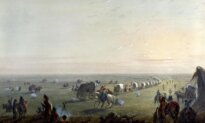
Since 1865, more than 60,000 books—and some historians consider that a low-ball figure—have been written about the Civil War. Every year, publishers put out more books on this subject. Clearly, the war, with its many historical figures, dramatic battles, and consequences that extend into our own time, remains a subject of fascination for both writers and readers.
Of the novels included in that library, the best-known is probably Stephen Crane’s “The Red Badge of Courage,” in part because of its widespread use in classrooms. Of course, many other worthy novels about the war have also attracted many fans. Michael Shaara’s “The Killer Angels” and Charles Frazier’s “Cold Mountain,” for example, were bestsellers that are now considered classics of this genre.
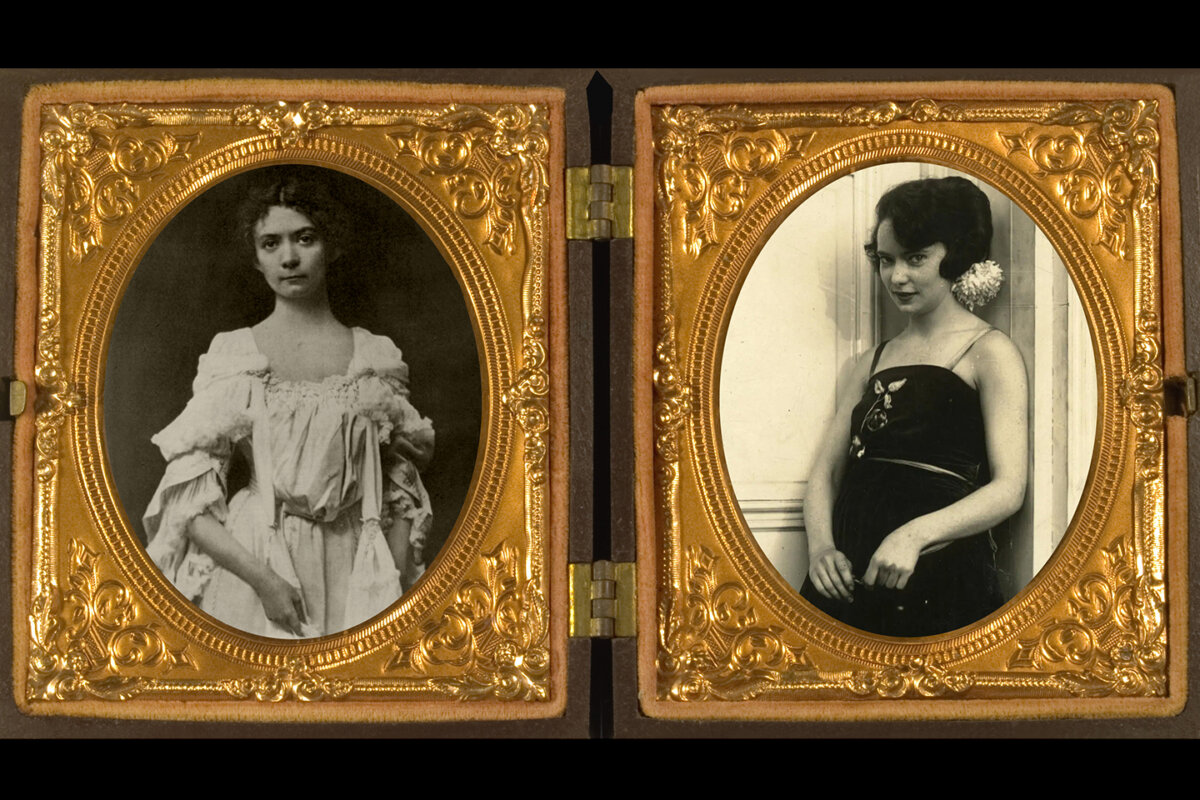
While many of these writers are male, women have also left their stamp on this body of literature. Two whose work attracted large audiences and critical praise were Mary Johnston and Margaret Mitchell.
Growing Up With Soldiers
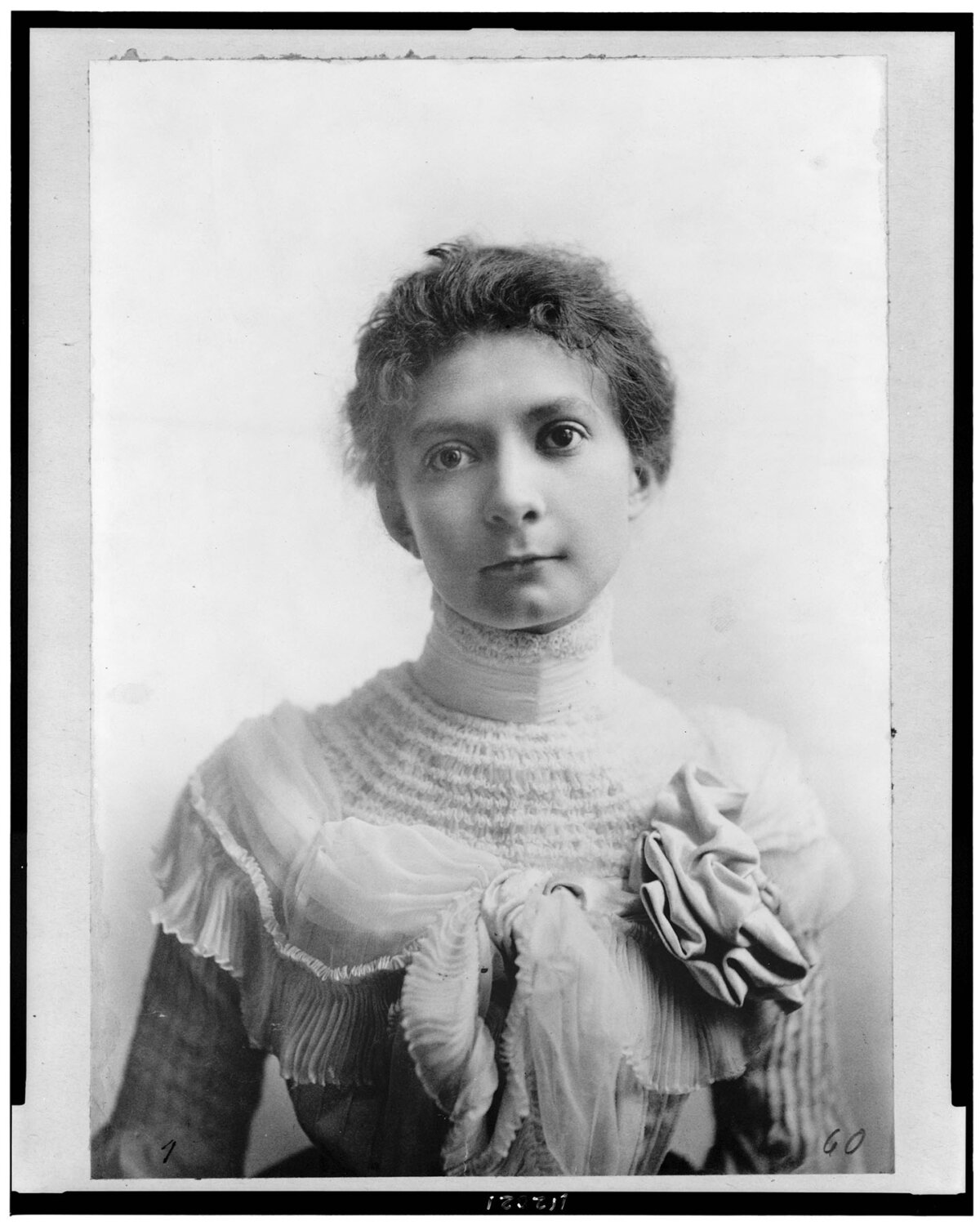
Though her family moved several times in her adolescence and youth—her father was president of a railway company—Mary Johnston (1870–1936) reserved her deepest affections for her native state of Virginia, the home of her ancestors. Often sickly, a condition that recurred throughout her lifetime, she received only three months of formal education.
Her father’s library, home instruction, and traveling, however, nurtured her sophisticated tastes in the arts and literature. With the death of her mother in 1889, she took up the mantle of companion to her father, serving as hostess on social occasions and mothering her five younger siblings. She also began writing fiction.
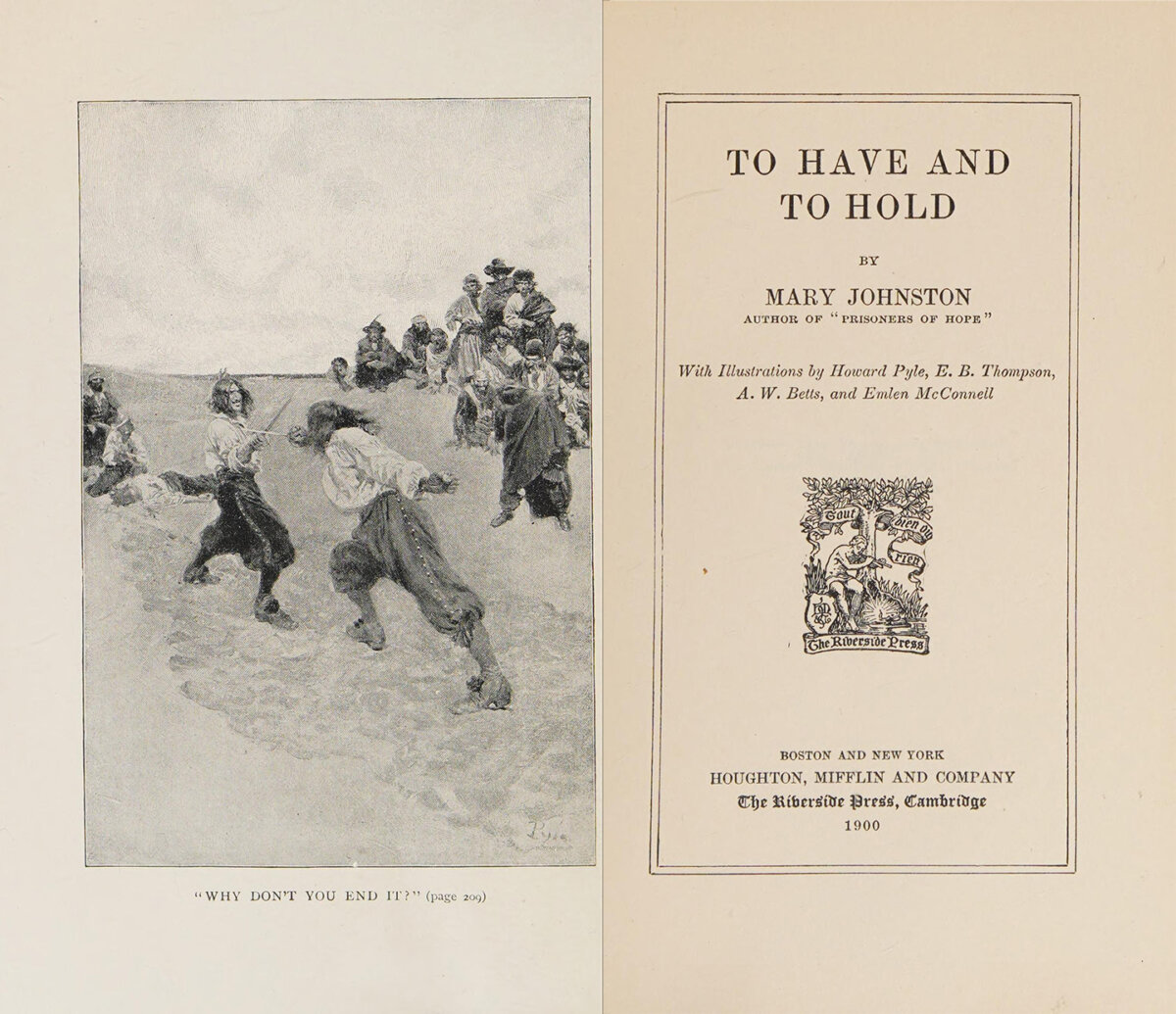
In 1900, Johnston’s “To Have and to Hold,” a novel of adventure and romance set in 1660s Virginia, became a roaring bestseller. From that point on, she produced novel after novel, often with large advances from publishers. Among these were two Civil War stories: the 1911 “The Long Roll” and its 1912 sequel, “Cease Firing”; both were widely read.
In “The Long Roll,” Johnston weaves together not only fictional characters, with artillery officer Richard Cleave front and center, but also many prominent Southerners of the time, like Robert E. Lee, Jefferson Davis, Confederate commanders familiar today only to historians and Civil War buffs, and especially Stonewall Jackson. “Cease Fire” continues this tapestry and follows the war to its end. In both books, the details of battles and troop movements speak of the knowledge and research that Johnston brought to her story.
These vivid scenes of Army life and combat owe much to Johnston’s contact with the men who had fought in battle and the women who had seen war firsthand, often from their front porches. Her father, for instance, commanded Confederate artillery, and living as she did in Richmond for several years, he would have brought home a harvest of stories. The war was still so ever-present in the South at this time that in 1911 Stonewall Jackson’s widow, Mary Anna Jackson (1831–1915), wrote an article for The New York Times decrying Johnston’s descriptions of her husband.
In his Foreword to the “The Long Roll,” writer and professor George Garrett doubled down on this all-encompassing influence: “We tend to forget that Mary Johnston grew up among old soldiers, in a defeated society in which one out of four men between the ages of eighteen and sixty-five had been killed or permanently disabled—a society with one-armed and one-legged men everywhere. Mary Johnston knew the history of the war at first hand.”
Old-Fashioned Class
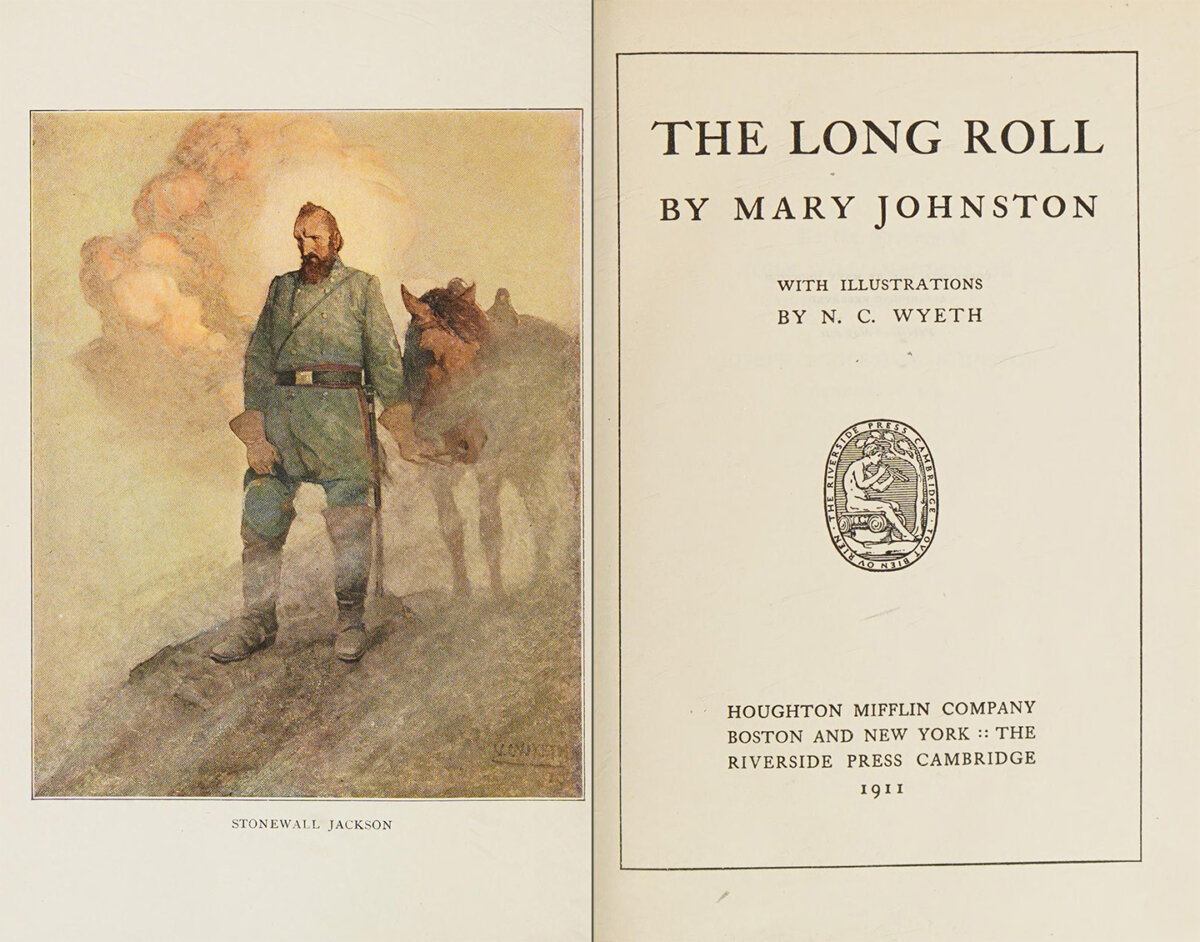
In this same piece, Garrett also wrote of “The Long Roll” that “some of the language, both literary and vernacular, is dated.” True, but that same language, more formal than our own today and with a richer vocabulary, can summon the spirit of the Civil War era that we find in the letters, poetry, and fiction of the time.
Some may also find the authorial voice of history that enters the novel distracting, yet others will find Johnston’s intrusions informative and with a charm of their own. At the end of her account of the First Battle of Bull Run, for instance, an omniscient narrator, described as “the tongue of the case,” lays out in detail why the victorious Confederates didn’t pursue the panicked Union forces and capture Washington, D.C. Johnston concludes this lengthy explanation with a pointed observation:
“It is true that Stonewall Jackson, as history reminds us, was heard to exclaim while the surgeon was dressing his hand, ‘Give me ten thousand fresh troops, and I will be in Washington to-morrow!’ But there were not the ten thousand troops to give.”
Scarlett, Rhett, and an American Classic
Among Mary Johnston’s many admirers was Georgia writer Margaret Mitchell (1900–1949).
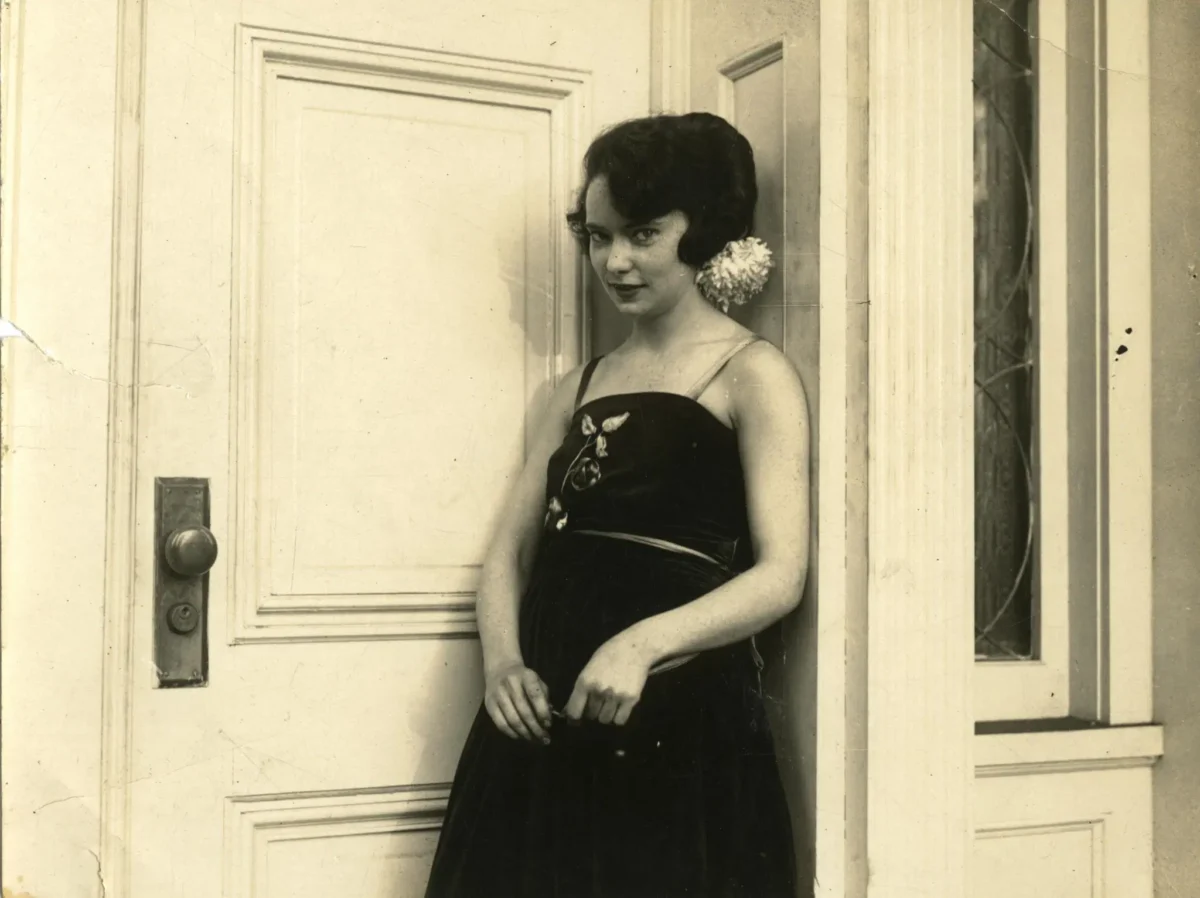
Though time had blunted the impact of the war, in Mitchell’s younger years she heard the reminiscences of elderly veterans and the women and children who had endured the ravages of war during Sherman’s March to the Sea and the Battle of Atlanta.
Like Johnston, Mitchell was an avid reader and writer from an early age who grew up in a relatively affluent household and who, on the death of her mother during the 1919 flu epidemic, ran the family household for a time.
Unlike Johnston, however, Mitchell spent her childhood in one place, Atlanta, where she received formal schooling. Moreover, she was an audacious flirt, entered a horrible first marriage with an abusive drinker, got divorced, and then married John Marsh. For several years, both before and after her marriage, she worked as a reporter for the Atlanta Journal before an ankle injury required her to leave that job and remain at home. It was there that she began writing “Gone With the Wind.”
One sticking point in Mitchell’s progress on her novel occurred early in her research. After rereading Johnston’s two war novels, she viewed her own work as a poor cousin: “I found that I couldn’t possibly write anything on my own book. I felt so childish and presumptuous for even trying to write about that period when she had done it so beautifully, so powerfully—better than anyone can ever do it, no matter how hard they try.”
One War, Two Perspectives
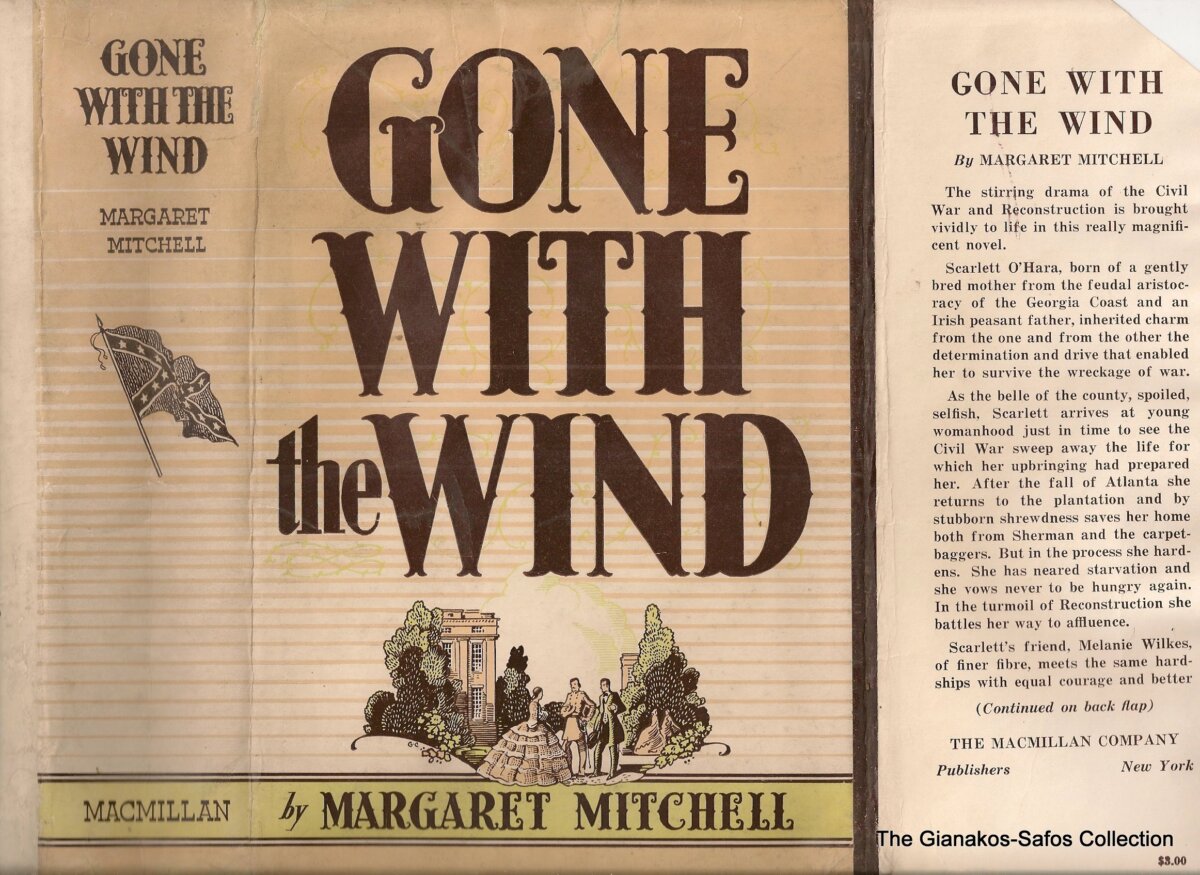
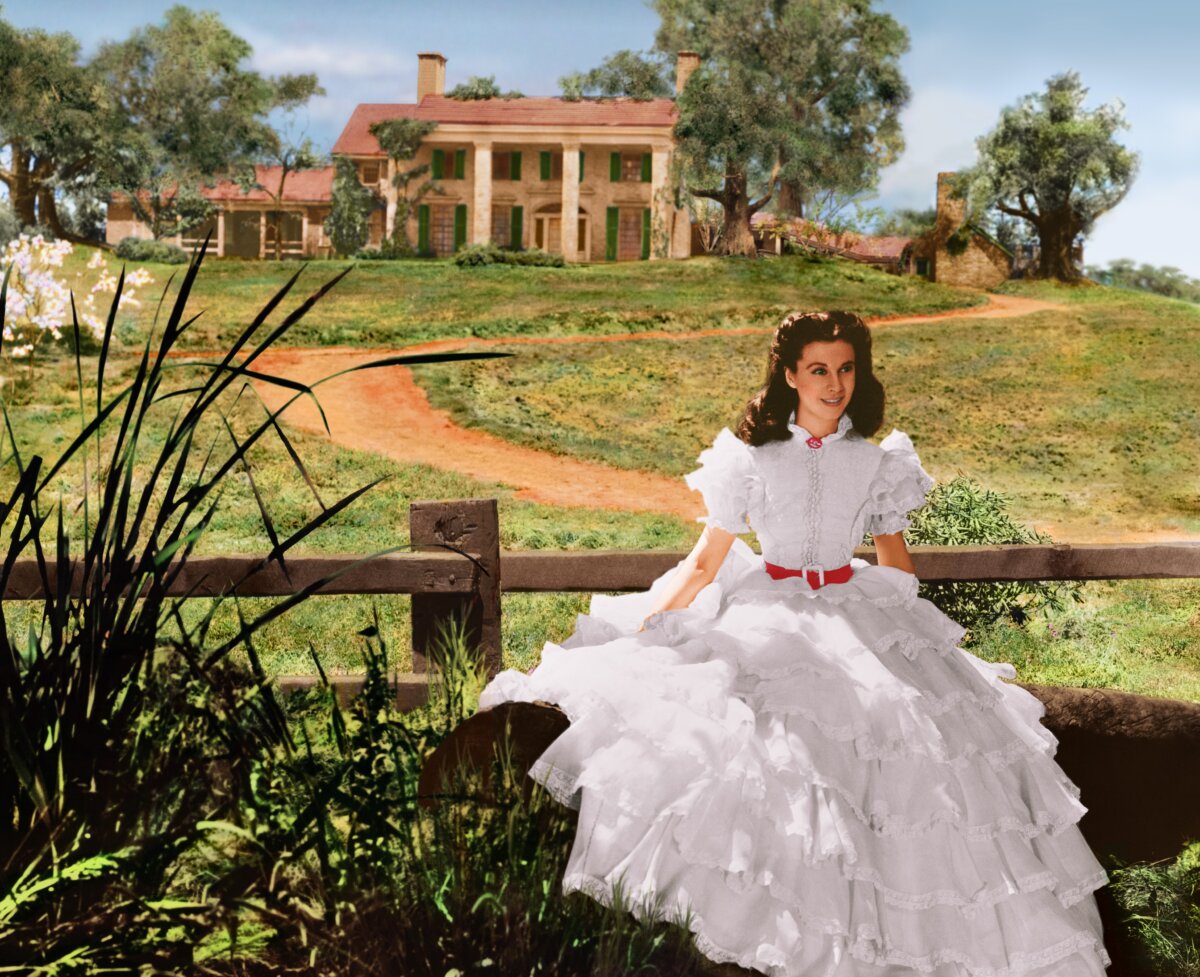
Mitchell need not have worried, for the 1936 launch of “Gone With the Wind” was an immediate success, with the book becoming one of the bestselling American novels of all time. The 1939 film by the same name won eight Academy Awards and boosted sales of the book through the roof.
Mitchell’s anxiety was misplaced for two other reasons as well. First, “The Long Roll” and “Gone With the Wind” take radically different approaches to the war. Johnston focused her attention on the battlefield, while Mitchell stuck with the home front. The fighting intrudes on civilian life through casualty lists, visits from the front lines, and newspaper reports of battle, but only when the war comes to Georgia and Atlanta falls to the Yankees do readers encounter firsthand the grotesqueries and suffering of combat. Even here, we mostly witness the action through the eyes of the protagonist Scarlett and other civilians.
Johnston’s and Mitchell’s language and style also sharply distinguish their work. With her more formal prose, Johnston had both feet planted firmly in the 19th century. World War I and the Roaring ’20s put Margaret Mitchell just as squarely in the 20th. Her prose style is more familiar to us, and she delves more deeply into the emotional makeup of her characters.
At the end of “Cease Firing,” Lee’s Army is trying to escape the Union forces pursuing them, staggering toward Appomattox Court House. When a soldier asks Allan Gold, a key figure throughout the story, who was right or wrong in the war, Gold proclaims both sides right and wrong and all too often lacking in patience and wisdom. He then says:
“Did you never hear of the shield that had two sides and both were precious metal? The traveller who said, ‘This is a gold shield,’ was right—half right. And the traveller who said, ‘This is a silver shield,’ was right—half right. The trouble was neither took the trouble to walk round the shield.”
Johnston and Mitchell gave us both sides of that fabled shield in their novels. Together, their books re-create an American tragedy.
What arts and culture topics would you like us to cover? Please email ideas or feedback to features@epochtimes.nyc