SEARCH


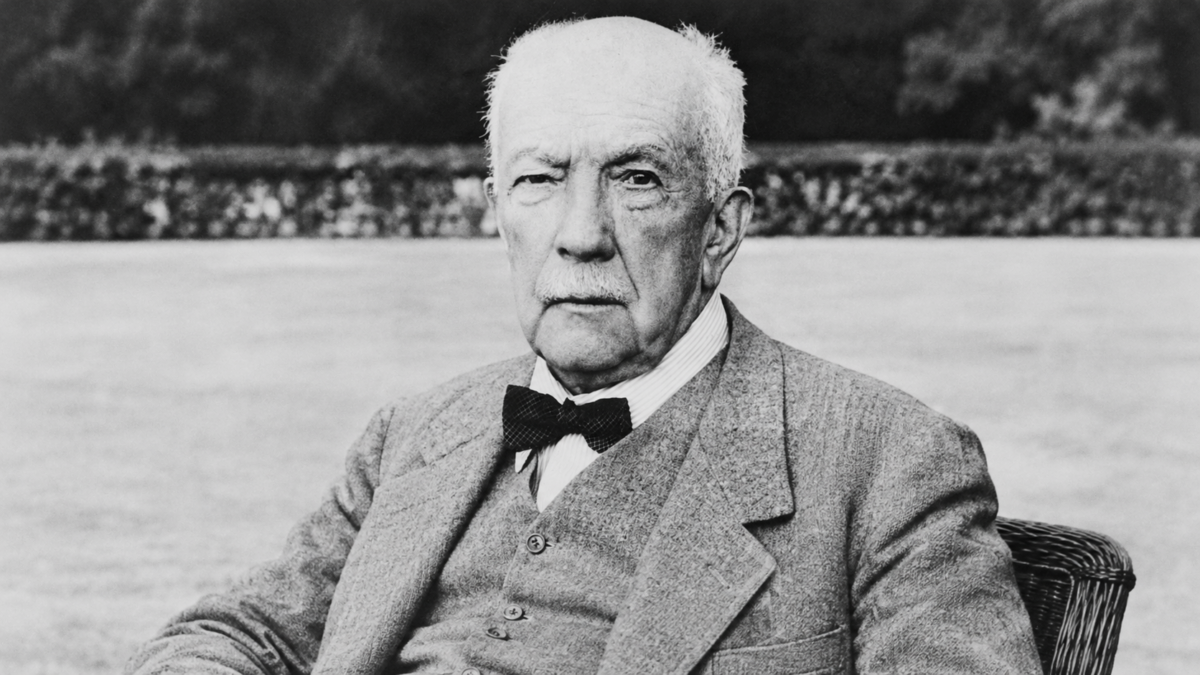
Last week’s “Tune in Today” explored Richard Strauss’s beloved Horn Concerto No. 1 in E-flat major. Composed when he was just 18, the concerto harkens back to the early Romantic music of Mendelssohn and Schumann with its emphasis on lyricism and clarity.
However, the work is only the first of Strauss’s Horn Concertos. Six decades later, after a storied career of masterpieces in the symphonic poem and operatic genres, Strauss’s Second Horn Concerto followed as a work described as the “finest horn concerto of the twentieth century.”
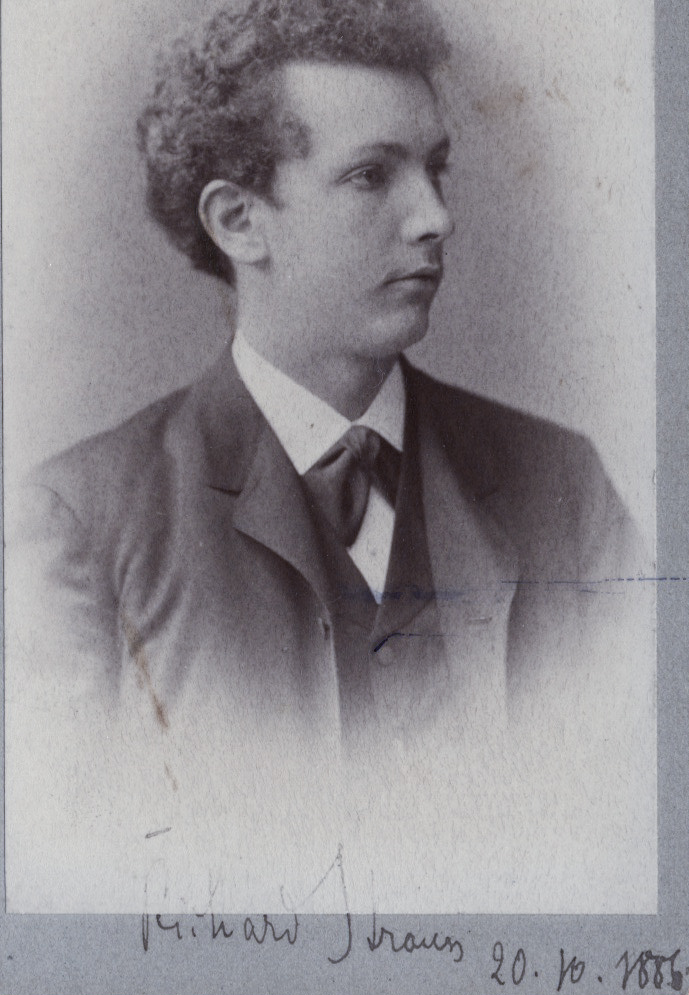
Indian Summer
In 1941, almost 60 years after composing his first concerto, Strauss began considering writing a second concerto for the horn. The elderly composer, now approaching 80, had already lived through one devastating world war and was now living through a second.
The experiences left him feeling old and a bit jaded. Works written around this time, such as his “Metamorphosen” for 23 solo strings, embody the tragedy and sorrow of the destruction brought about by the World War II. Strauss was also likely keenly aware of his own physical decline; his Sonatina No. 1 for 16 Winds contains the subtitle: “Aus der Werkstatt eines Invaliden,” or “From the Workshop of an Invalid.”
In fact, after he finished his opera “Capriccio” in 1942, Strauss wrote: “My life’s work has been concluded with ‘Capriccio.’ Whatever notes I scribble down now have no bearing on music history.”
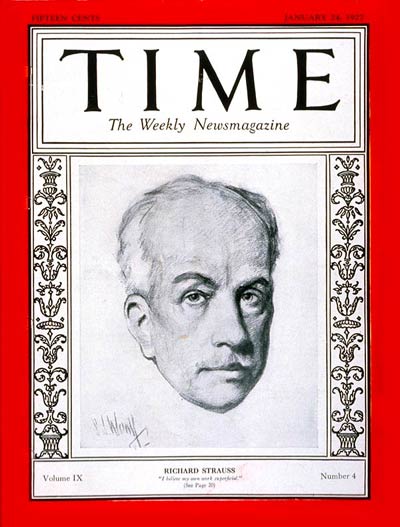
The years after “Capriccio” led to a series that conductor and biographer Norman Del Mar, among others, famously called Strauss’s “Indian Summer.” Many of these works were published posthumously and left without opus numbers, representing a remarkable final flowering of the composer’s creativity.
The first of these is none other than the Horn Concerto No. 2 in E-flat Major. Dedicated to the memory of Strauss’s father, Franz Strauss, one of the most accomplished horn players of the 19th century, this astonishingly lyrical work is reminiscent of the music of Mozart.
Horn Concerto No. 2 in E-flat Major
Today’s recording of the first and second movements of Strauss’s second horn concerto, I. Allegro and II. Andante con moto, is by Hermann Baumann, with the Gewandhausorchester led by Kurt Masur. (Listen)
This work begins with a nostalgic call, an ascending arpeggio in E-flat. The soloist continues with a series of short notes which meander, evoking a longing of memories past. At 0:33, the horn sings a long melody, accompanied by soft strings in the background.
Like the first horn concerto, the second concerto’s orchestration is light and transparent. Listen, for example, at 3:10, where the horn converses with instruments such as the solo flute, clarinet, and oboe. Strauss achieves a particularly beautiful timbre by blending the horn with various woodwinds. The music begins to build with brief orchestral exchanges and interjections from the soloist culminating in an orchestral tutti.
Suddenly, at 5:13, we hear the opening “horn call” return, this time in the violins, with the register of the various notes displaced. The music enters a sequence like Mozart’s, the harmony progressing until it unfolds into a classical cadential melodic pattern.
The soloist continues with an endless melody that stretches until 8:08. The music sounds almost like mourning or longing for a distant past. The music ends with the opening of the return horn call, this time transformed by the flute and violins into a faint echo that fades into the distance.
Ernst Krause describes it best in his book “Richard Strauss: The Man and His Work.” “It is above all the music of Strauss’s old age which demonstrates most clearly his ability to create music of classical clarity and perfection of form. … The themes are not, indeed, so much ‘unfolded’ in the classical sense as ‘illuminated.'”
What arts and culture topics would you like us to cover? Please email ideas or feedback to features@epochtimes.nyc.