SEARCH


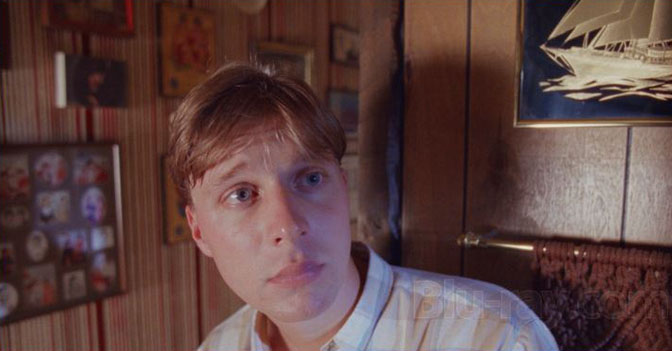
NR | 1h 28m | Comedy, Mystery | 1997
In crime stories from Hong Kong or Japan, losing a service pistol carries a particular kind of humiliation. The weapon belongs to the badge, the unit, and the chain of command. Somewhere out in the city that gun might surface in the wrong hands. The man who misplaced it ends up tied to whatever follows.
Director David Maquiling’s “Too Much Sleep” sits squarely in that environment. It takes the missing-gun idea and places it in suburbia, letting the situation wander through the peculiar social landscape of a small American town. The result reflects the loose, slightly crooked temperament common to indie filmmaking, where a simple mistake can send a character wandering into encounters that feel half comedic and half uncomfortable.
American independent film tends to treat the same idea from another cultural corner. The 1990s indie scene thrived on small stories built from everyday misfortune, awkward personalities, and the uneven rhythms of ordinary towns. Instead of focusing on formal institutions or strict codes of honor, these films often follow people drifting somewhere outside clear structures and responsibilities.
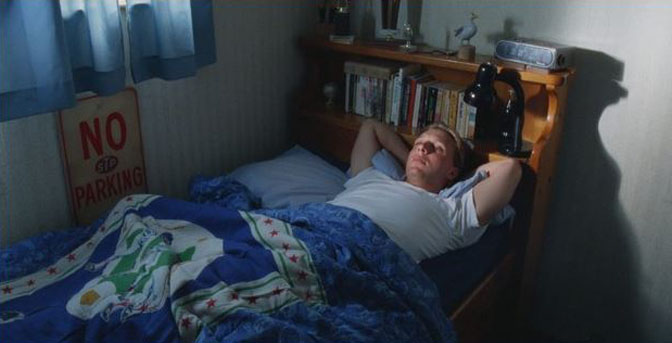
Maquiling treats the entire situation with a dry curiosity. Instead of tightening the problem into a major crisis, the film lets the premise drift through the everyday theater of burb life.
The Gun Goes Missing
Jack Crawford (Marc Palmieri) drifts through life as a night security guard in a sleepy New Jersey suburb. His routine stays simple until one bus ride throws everything sideways.
Jack keeps the pistol his father left him wrapped in a paper bag. Somewhere between watching a woman across the aisle and stepping off the bus, the weapon disappears.
The problem gets complicated fast; the gun was never registered, which means calling the police would raise questions he has no good answers for.
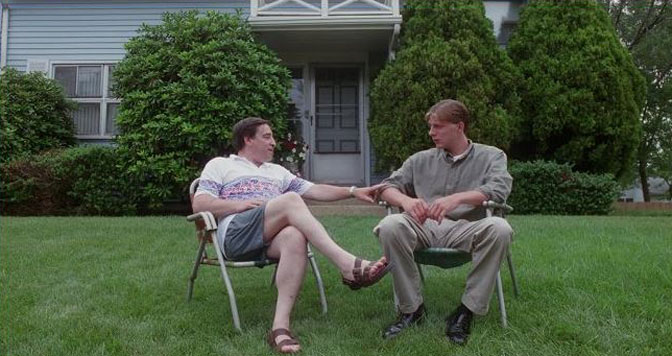
The search pulls Jack into corners of town he usually passes without noticing. Along the way, he falls in with Eddie DeLuca (Pasquale Gaeta), a deli owner who talks like a man convinced he understands every mystery on earth.
Eddie fills Jack’s head with theories, suspects, and half-baked plans; he points Jack toward people who might know something about the scam that took place on the bus. One stop leads to another as Jack wanders through town, chasing rumors that grow more ridiculous with every conversation.
Wandering Through Jersey
Maquiling shoots the film, his feature debut, with a loose hand that fits the story’s meandering path. Streets, storefronts, buses, and parking lots fill the frame with the look of everyday suburbia.
The camera lingers on locations most movies ignore. It moves along at the pace of someone wandering through town with no clear schedule. That relaxed approach gives the setting a personality of its own.
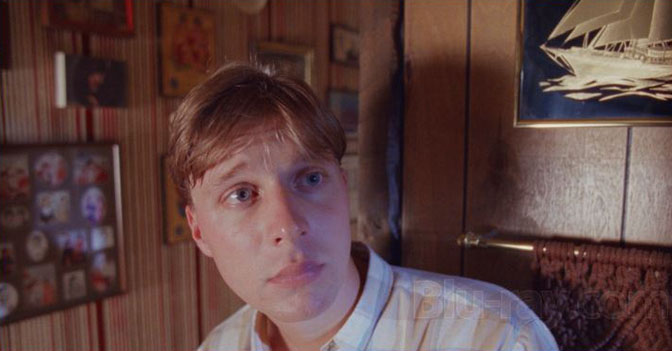
Palmieri plays Jack with the sleepy posture of a young man who spends far too many late nights working security shifts. Jack reacts to the zany folks he encounters more than he drives events himself, which works well for a character drifting through unfamiliar situations.
Palmieri carries the film through long stretches of conversation where Jack mostly listens; Jack blinks and tries to keep up while the town’s various denizens inundate him with their own hare-brained theories.
Gaeta turns Eddie into the film’s walking loudspeaker; he behaves like a self-appointed authority on everything that happens in town. Gaeta delivers his lines with the rhythm of someone who loves hearing himself talk, jumping from speculation to advice to gossip without slowing down.
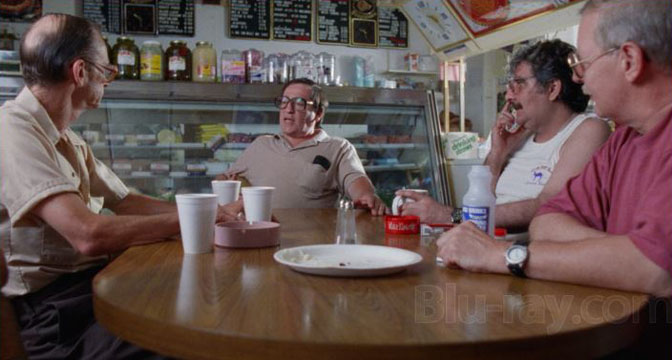
Eddie pushes Jack along the search regardless of whether Jack asks for help, and the character supplies much of the film’s humor.
Maquiling’s direction shows a fondness for conversation and small behavioral details. Scenes stretch out while characters talk, argue, or offer unsolicited advice. The snappy dialogue carries a casual rhythm that feels closer to overheard street chatter than scripted punch lines.
Some viewers will likely walk away wondering what exactly they just watched, but that reaction almost feels baked into the film’s design.
“Too Much Sleep” behaves like a long summer afternoon. You step out to run one simple errand and end up spending the day talking to half the town. By the time you get home, the original task feels beside the point.
“Too Much Sleep” is available on GanJingWorld.
‘Too Much Sleep’
Director: David Maquiling
Starring: Marc Palmieri, Pasquale Gaeta, Nicol Zanzarella
MPAA Rating: PG-13
Running time: 1 hour, 28 minutes
Release Date: March 23, 2001
Rated: 4 stars out of 5
What arts and culture topics would you like us to cover? Please email ideas or feedback to features@epochtimes.nyc