SEARCH


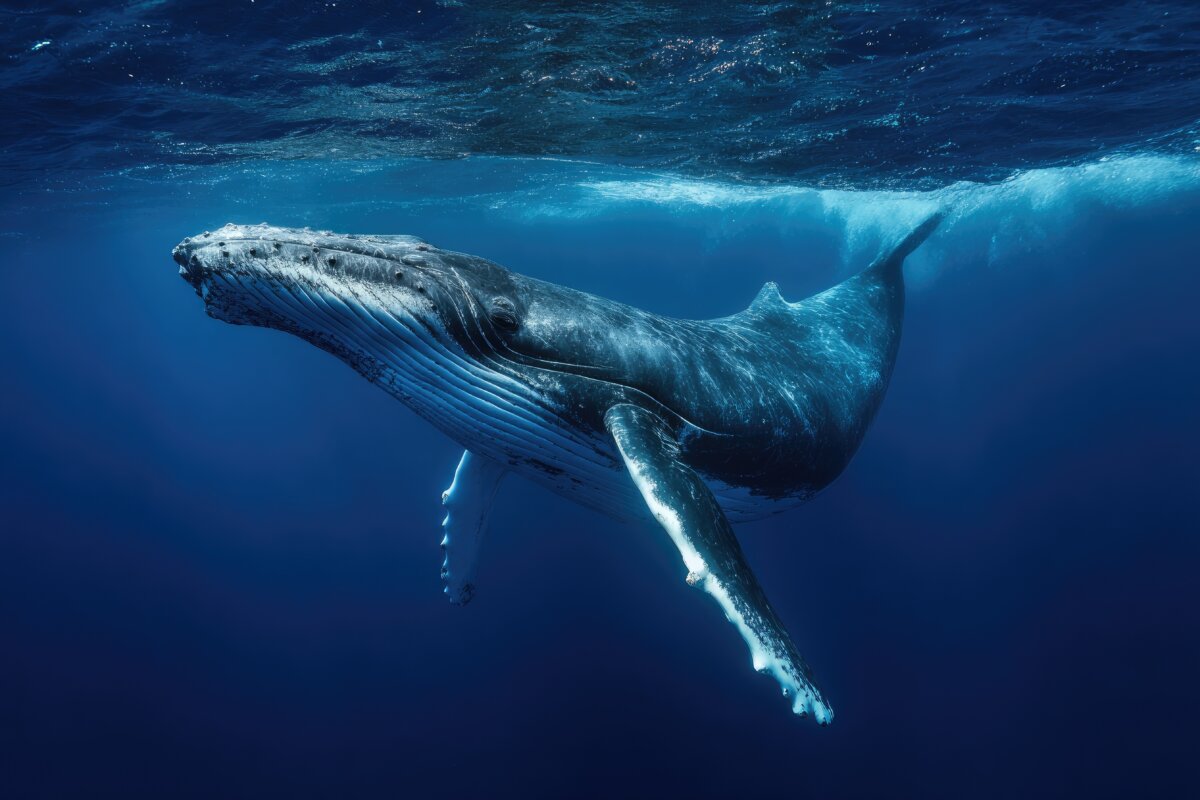
Over their history, sailors faced plenty of adversity during their voyages—storms, a lack of food and water, illness, and pirates, just to name a few. But nighttime brought about what they perceived to be a peculiar foe—one they couldn’t see but could hear. While trying to sleep, sailors would sometimes be awoken by strange noises—haunting moans, high-pitched whistles, and trumpet-like sounds that could last for hours. The ship acted as an echo chamber; its wood was an acoustic amplifier for these distant but powerful tones. Over time, mariners came up with theories to explain the captivating sounds, paving the way for folklore involving returning ghosts of sailors-past, sea monsters, and sirens.
But by 1952, tales of the ocean’s noisy monsters were put to bed thanks to the U.S. Military. As the Cold War heated up, underwater surveillance increased. Navy sonar engineer Frank Watlington submerged specialty microphones known as hydrophones underwater off the coast of Bermuda. He was listening for enemy submarines, but all he heard were mysterious otherworldly sounds. Watlington wasn’t exactly sure what the noises were, but locals suggested they could be coming from humpback whales known to be in the area.
Over a decade later, in 1967, biologists Roger and Katy Payne listened to Watlington’s recorded tapes. Based on the whales’ repeated audible patterns, they discovered that the animals weren’t simply making noise. They were making a type of music in order to communicate.
The sailor’s age-old mystery had been solved, but fascination with the sounds of whales, often called “whale song,” only deepened. The question now became: How do whales “sing,” and why?

Music as Language
When the Paynes listened to Watlington’s recordings, over time they noticed the sounds the whales were making were structured. Specific patterns were heard together and repeated, like a song. Songs often lasted upwards of 30 minutes to an hour. Sometimes, an individual whale sang a single song for an entire day.
The humpback whale, which Watlington heard back in 1952, is a rorqual, a subgroup of whales named after the rows of keratin plates, called baleen plates, in their mouths that filter sea life for food. The rorqual family’s humpback whale is well-known for their musicality. Moans, grunts, clicks, and whistles are all part of the whale’s daily routine. But the intricate songs they create, with structured, distinct sequences, are different from everyday noises and act as a type of language. Their songs carry elongated bellows and cries and can change based on the songs of other whales or the region they call home. New verses, or sections of songs, are added or replaced each new breeding season. Singing is both a solitary and a group activity for these whales.
But how do whales make this mesmerizing music? Their ambient songs wafting through the depths of the ocean are formed through a specialized voice box entirely different from those of humans.
Reasons for Singing
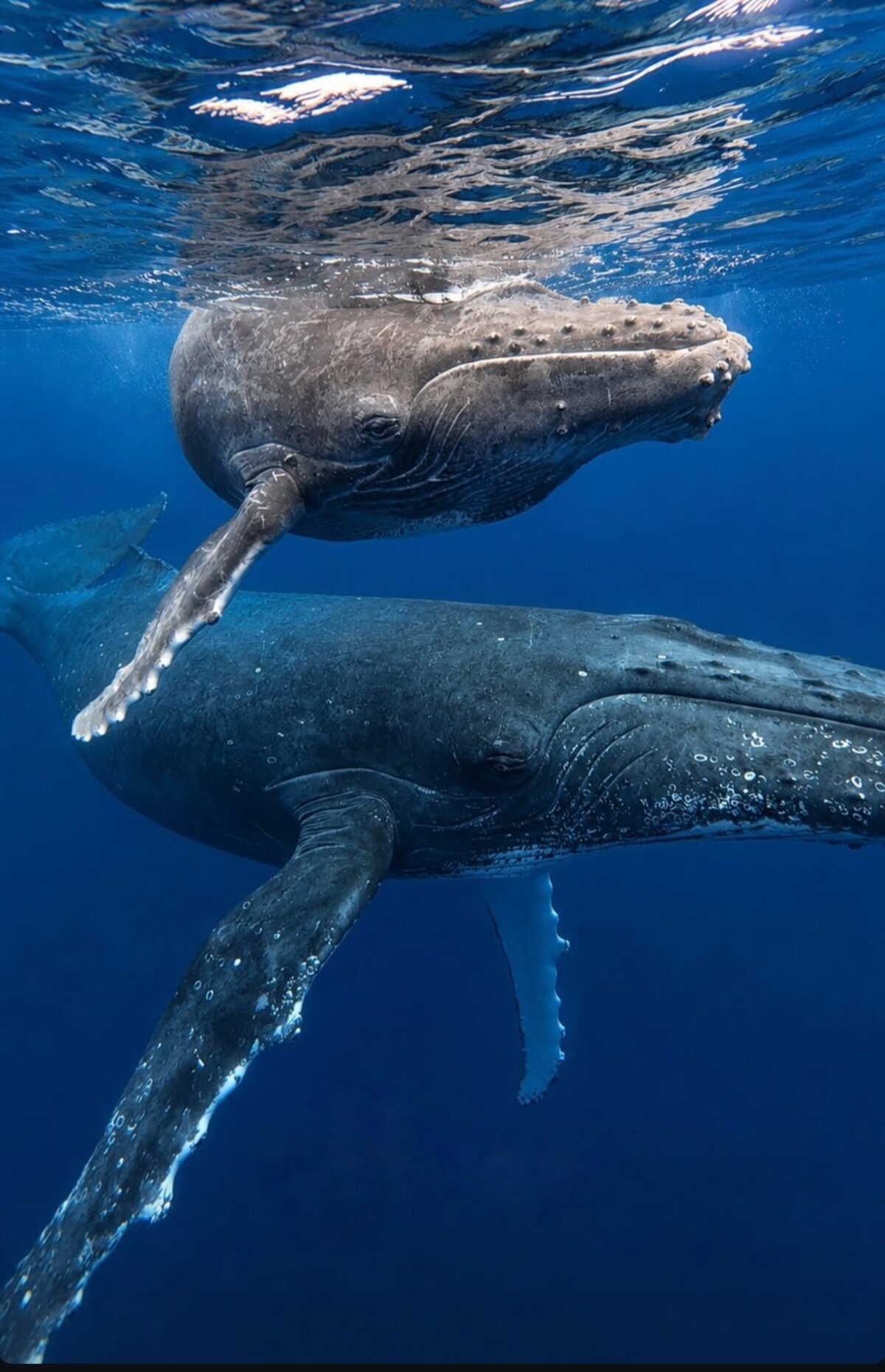
While people use vocal cords to communicate, whales such as the humpback have a unique, U-shaped voice box, or larynx, with tissue that vibrates against muscle and fat when air is pushed and cycled through the area. The design of their voice box simultaneously creates sound and blocks off the airway. Because of this, whales can sing continuously for 15 or 20 minutes before needing air. Their songs and calls emanate from the throat into the water without the whale having to exhale or open its mouth. The humpback’s song is especially powerful and can cross vast distances and reach other whale pods. So far, scientists have yet to find another animal that vocalizes this way.
Humpback whales are some of nature’s most sociable creatures. Only males bellow this way. Females emit softer vocalizations akin to whispers to communicate with their young. For decades, scientists hypothesized that males sang for mating purposes. But after studies showed that recordings of singing males caught the attention of other males, scientists began looking into various reasons for their complex music. “A popular theory … is that the males might use songs to coordinate their behavior,” the Pacific Whale Foundation explains.
“While singing, a male humpback is advertising his position whether he wants to or not. This could invite competition from other males, or those other males might be looking for partners in an alliance. Alliances between male humpback whales have been observed in competitive groups and might help males displace other competitors.”
Variations in the males’ songs led to another theory behind whale song—echolocation, the process of gauging distance and movement based on echoes. The University of Buffalo shared that a recent paper published in the scientific journal Learning & Behavior showed humpbacks sing as a way to “actively explore their environments.”
A Worldwide Audience
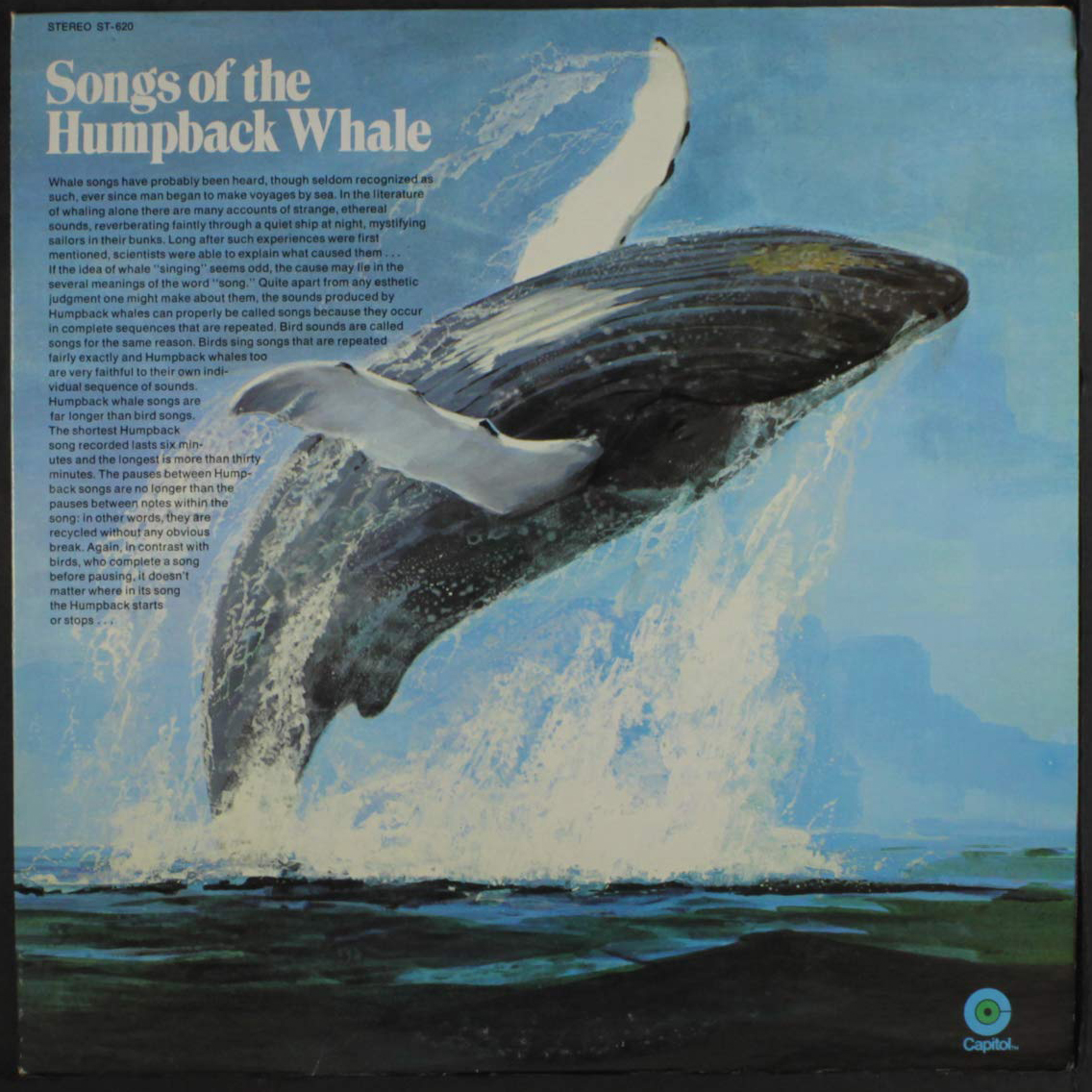
In 1970, the commercial album “Songs of the Humpback Whale” was released, created from the recordings of Watlington and the Paynes. The best-selling album became a global hit and introduced a worldwide audience to the musicality of the majestic ocean mammal for the first time. The Library of Congress notes the monumental release “is probably the most famous nature album in American history.”
Even now, there is still much to discover about the nature of humpback whale singing. It is fascinating to think that even before the age of the sailor, like land, the ocean has long been filled with music.
What arts and culture topics would you like us to cover? Please email ideas or feedback to features@epochtimes.nyc