SEARCH


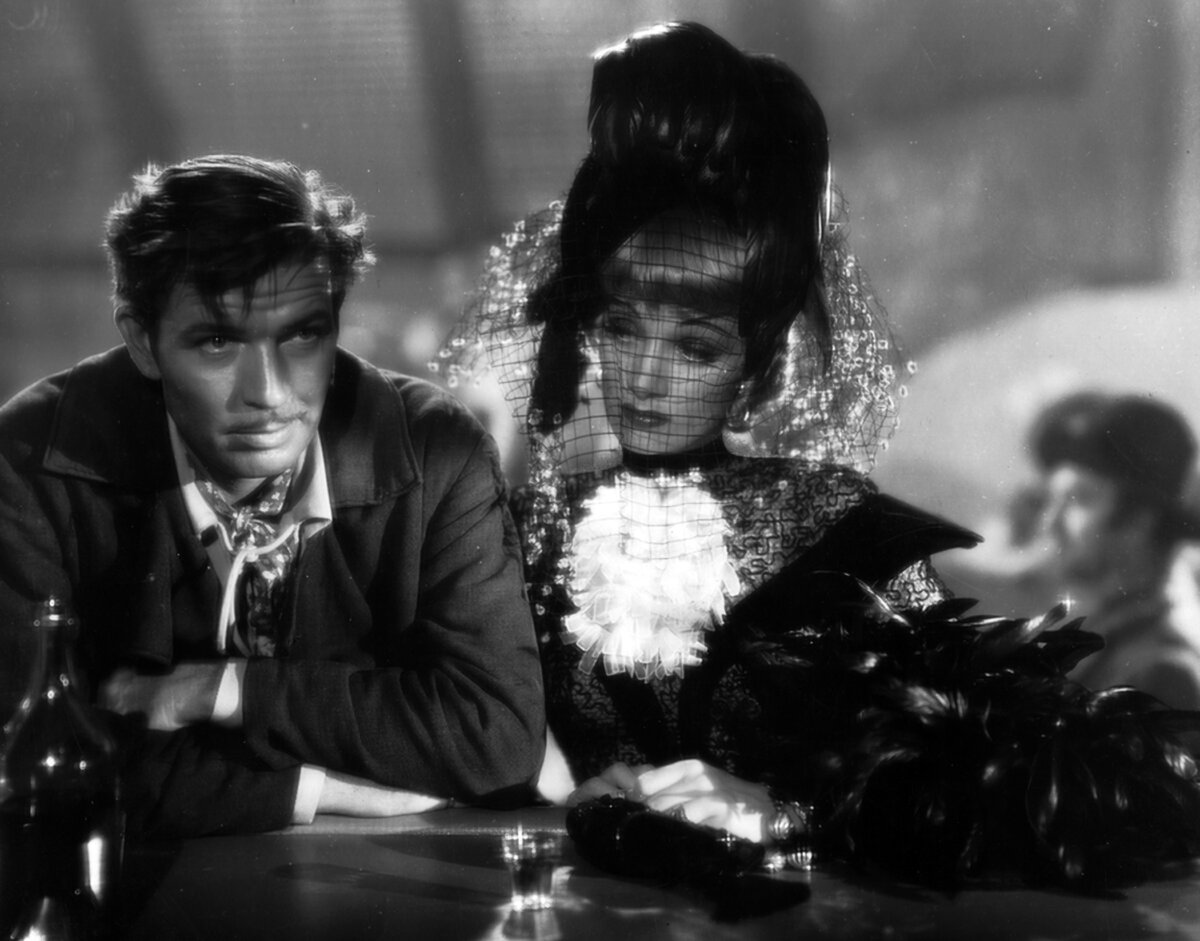
NR | 1h 19m | Adventure, Comedy, Romance | 1941
Marlene Dietrich’s status as a Hollywood legend is well earned, having shared the screen with some of the biggest leading men of classic cinema, from James Stewart to John Wayne. Dietrich, originally from Germany, built a remarkable career in America; she also became a shining example of how legal immigrants can thrive and give back to their adopted country.
Beyond captivating audiences on-screen, after settling in Hollywood in 1930, Dietrich dedicated herself to the American war effort during World War II. She raised significant funds through war bonds and personally entertained troops overseas. She embodied an era when stars proudly stood behind the nation that embraced them.
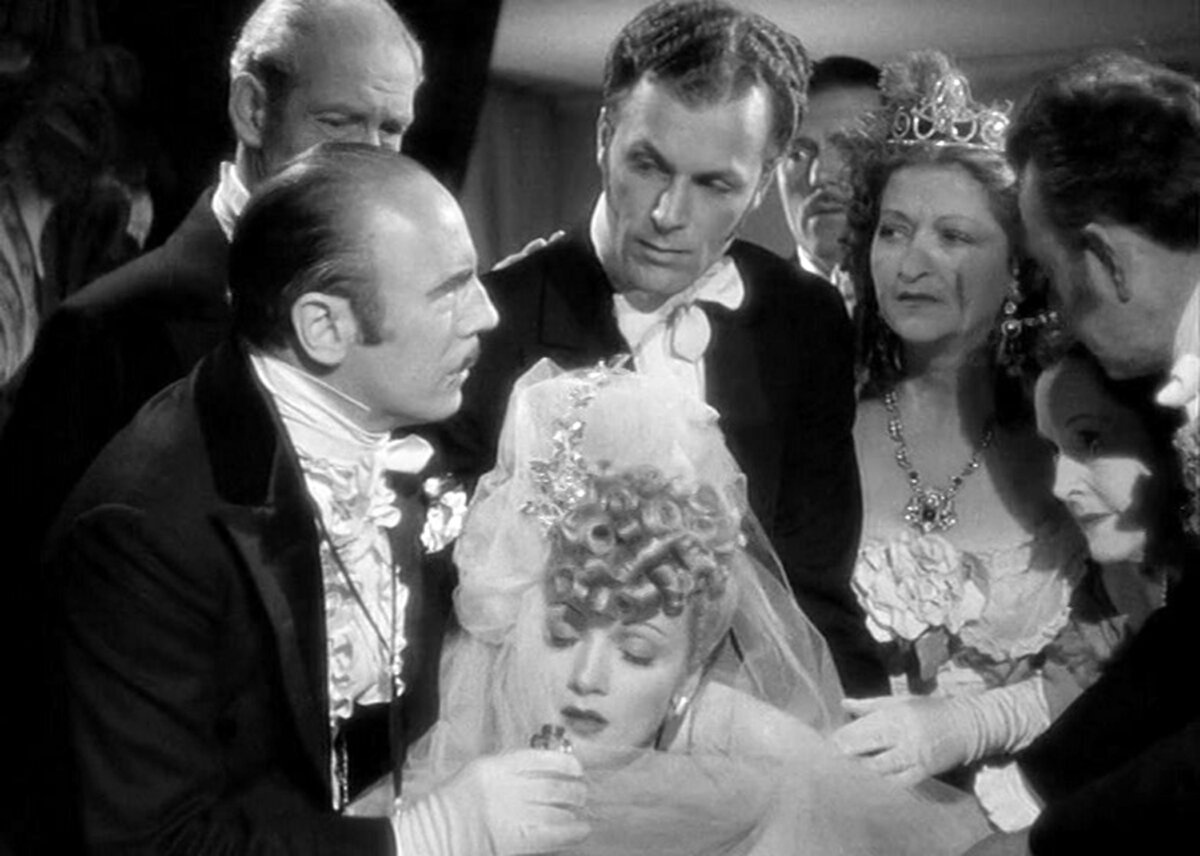
Having recently enjoyed her performance alongside John Wayne in “The Spoilers” (1942), I was curious to see her take on something different. In “The Flame of New Orleans” (1941), Dietrich trades her usual strong-willed persona for the illusion of refinement and delicacy, or so it seems at first.
Our story begins with the discovery of a wedding dress drifting down the Mississippi, drawing a crowd of curious onlookers. Who had worn it? And how had it ended up in the river? No one could say for certain, but as speculation turned to legend, the truth behind its origins slowly unraveled.
A Conflicted ‘Countess’
We then meet Claire Ledeux (Dietrich), posing as a European countess, who makes a grand entrance at the opera. During the middle of the show, she suddenly and dramatically faints, immediately catching the eye of wealthy banker Charles Giraud (Roland Young). Smitten, Giraud begins courting her, unaware that Claire is not who she claims to be.
Complications arise when Claire crosses paths with Robert Latour (Bruce Cabot), a ship captain. Their rocky first encounter, thanks to his mischievous pet monkey, soon gives way to an unexpected attraction.
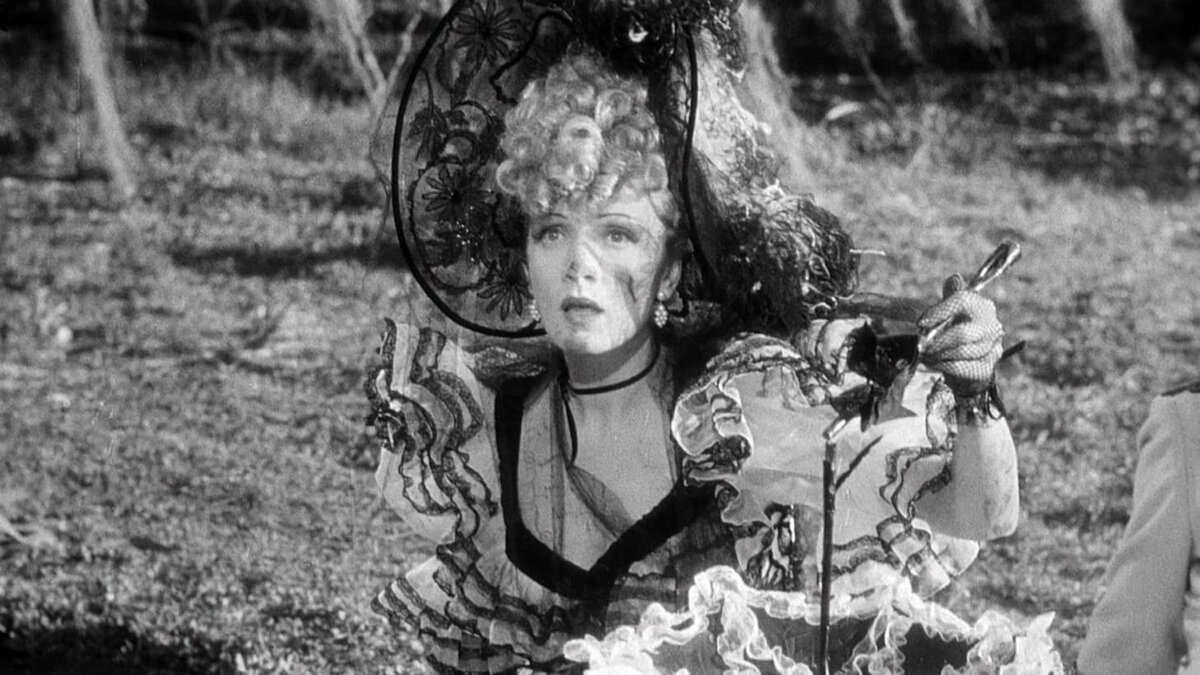
Claire’s schemes are nearly exposed when Giraud overhears her talking about her financial troubles. To keep up the illusion, she and her maid fabricate a troublesome “cousin” (also played by Dietrich) to fool him.
As Claire juggles deception, romance, and the mounting suspicions of Giraud’s family, misunderstandings and mistaken identities spiral into classic screwball chaos, threatening her carefully laid plans.
Flames Mixed with Fumbles
I found this film to be a visually elegant but narratively uneven romantic comedy, balancing old-world sophistication with Hollywood spectacle. Dietrich takes on a playful triple role, posing as the refined Countess Claire Ledeux, fabricating a troublesome “cousin,” and revealing her sharp-witted true self only in moments of privacy.
While not one of her most commanding performances, Dietrich nevertheless remains captivating, even as her co-stars struggle to match her presence. Bruce Cabot, as the rough-edged Latour, lacks the magnetic swagger needed to make their romance truly spark, while Young’s stiff and proper banker Giraud remains serviceable, if unremarkable, in his pursuit of Claire.
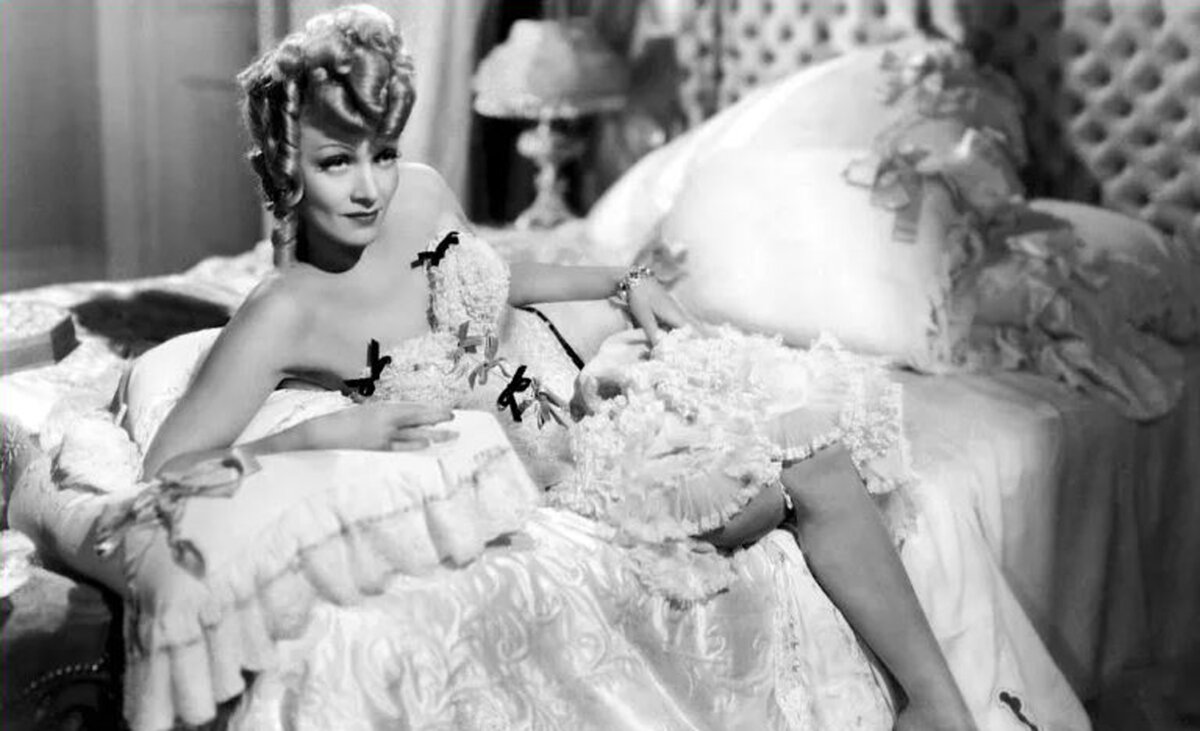
Despite a premise ripe for madcap antics, the film unfolds at a reserved pace, hindered by behind-the-scenes tensions, such as director René Clair’s lack of English language skills, that seep into the performances.
Yet the film shines in other areas. Rudolph Maté’s black-and-white cinematography lends a dreamy elegance, René Hubert’s costumes are lavish, and the film’s re-creation of 19th-century New Orleans is rich with period detail.
Standout supporting performances, from Mischa Auer’s winking mischief-maker and Andy Devine’s bumbling first mate, bring occasional energy to the otherwise restrained storytelling.
Though met with a lukewarm reception upon its initial release, “The Flame of New Orleans” remains a visually sumptuous piece of Golden Age Hollywood. It may not be Clair’s strongest work, but it offers a lighthearted showcase for Dietrich’s versatility and a glimpse into a bygone era of cinematic grandeur.
“The Flame of New Orleans” is available on The Criterion Channel and on DVD.
‘The Flame of New Orleans’
Director: René Clair
Starring: Marlene Dietrich, Bruce Cabot, Roland Young
Not Rated
Running Time: 1 hours, 19 minutes
Release Date: April 25, 1941
Rated: 3 stars out of 5
What arts and culture topics would you like us to cover? Please email ideas or feedback to features@epochtimes.nyc