SEARCH


NR | 2h 6m | Epic, Drama, War | 1953
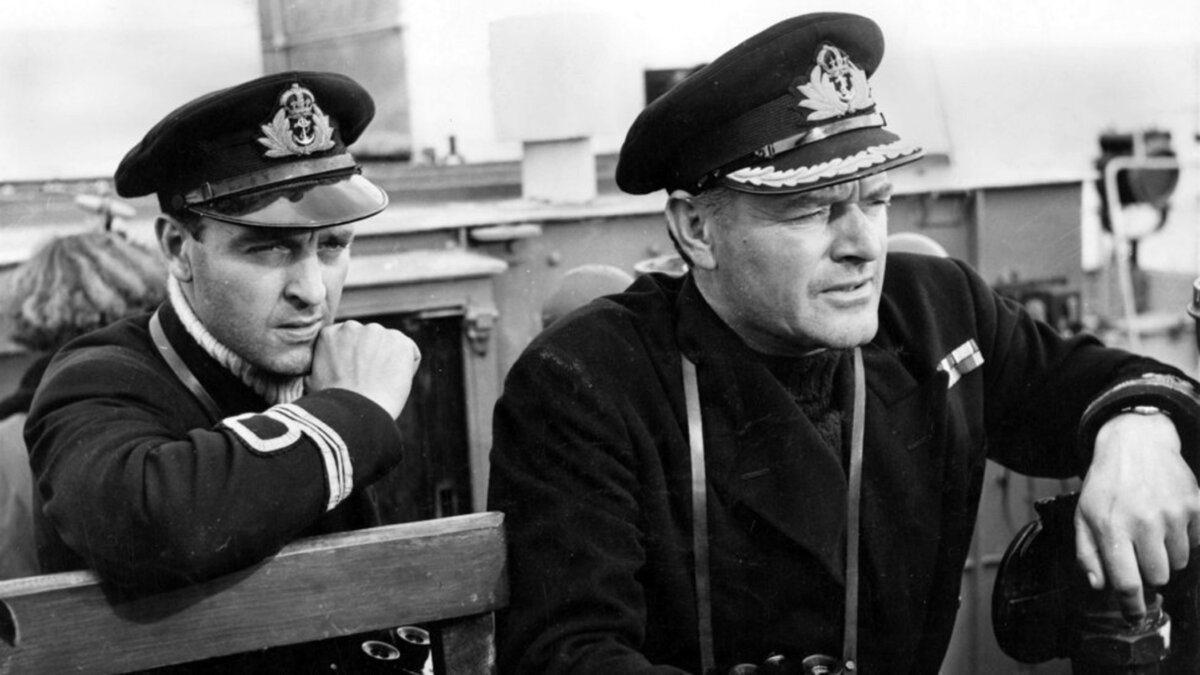
In the early 1950s, Britain was still catching its breath from World War II, and audiences weren’t quite ready to turn away from it. When “The Cruel Sea” premiered in 1953, it struck a chord with moviegoers who had lived through the chaos it depicted.
Here was a film that didn’t glorify battle or drown itself in sentimentality. Instead, it showed the long, weary grind of duty, the kind that tests men far from medals or parades. The film’s honesty and its distinctly British restraint made it an immediate success at home.
Produced by the venerable Ealing Studios, the film emerged from a creative community still processing the war’s long shadow. Adapted from Nicholas Monsarrat’s best-selling novel of the same name, it followed the officers and crew of a Royal Navy corvette (small warship) patrolling the North Atlantic. Monsarrat knew the material firsthand; he had lived it.
That authenticity is what separates the so-called Golden Age of war cinema from most modern interpretations. The films of the 1940s and 1950s might have relied on soundstages, modest effects, and recycled sets, but their sense of uncompromising conviction came from real-life experiences.
Many of the leading men of that era, from James Stewart and Clark Gable to Britain’s own Jack Hawkins, had worn real military uniforms before stepping in front of the camera. Their portrayals carried an authority that no method acting classes could imitate.
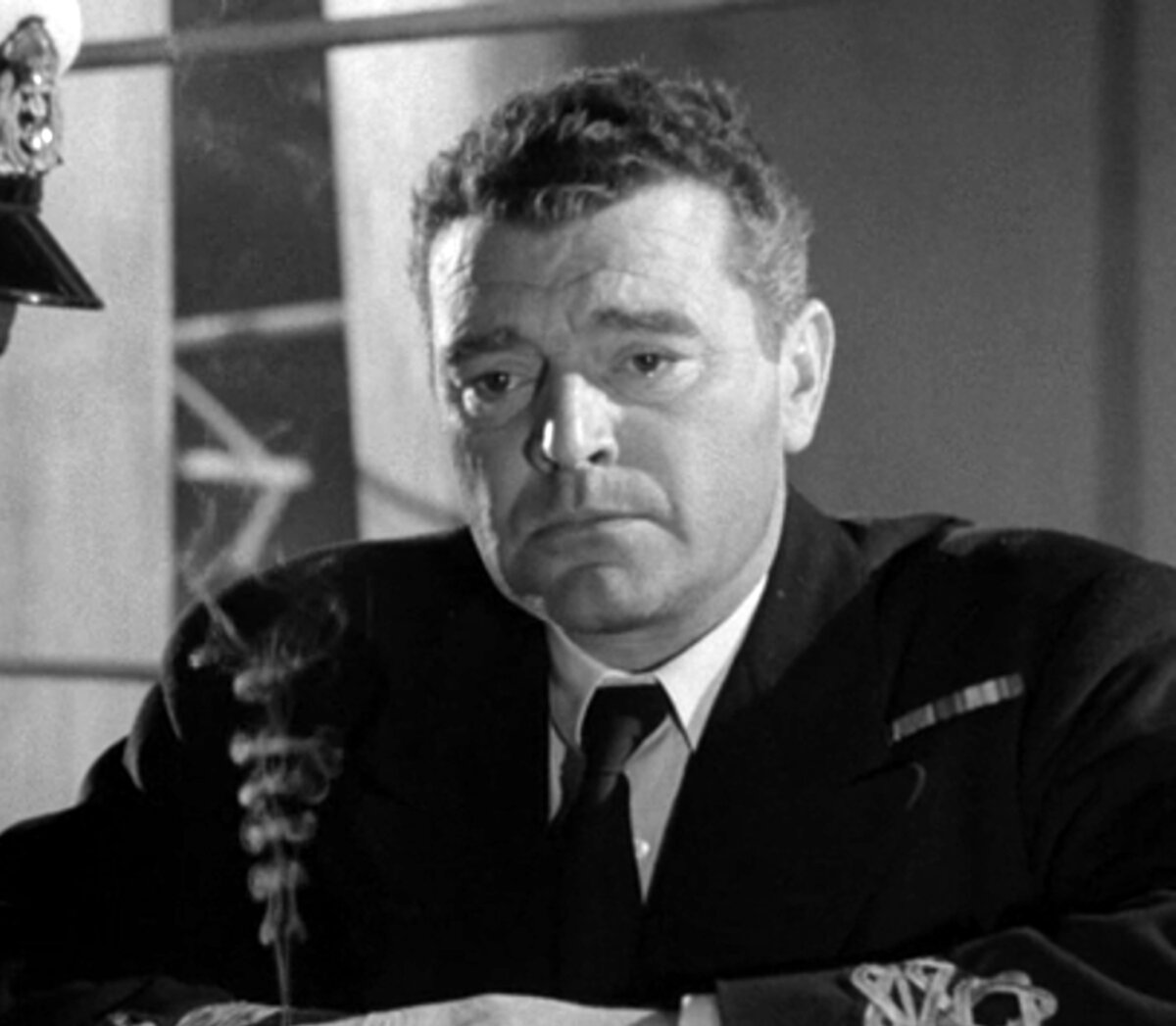
Hawkins, who anchors “The Cruel Sea” as Lt. Cmdr. George Ericson, embodied that sense of lived truth. His performance as a steadfast leader burdened by impossible choices turned him into one of Britain’s defining postwar stars. Under director Charles Frend, the film transforms limited studio resources into something raw and human. It captures the restless unease of a world trying to move forward.
Keeping the Engine Running
The film opens in 1939 as World War II erupts. Lt. Cmdr. Ericson, once a merchant-navy officer, is given command of the Compass Rose, a small corvette tasked with guarding merchant ships across the North Atlantic, hunting German U-boats, and keeping his crew alive in between.
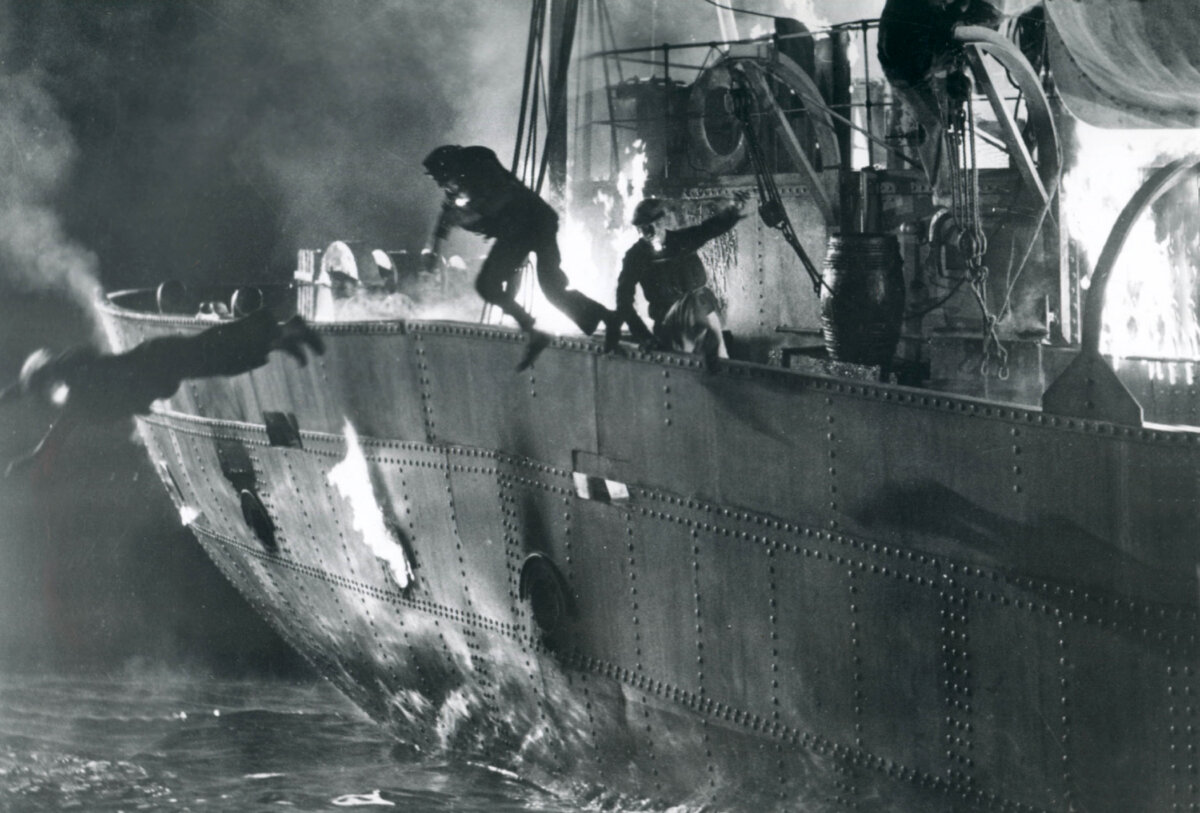
It’s a rough assignment. The corvette is packed with green sailors and a first lieutenant whose discipline may be iron-fisted but whose sea legs are weak. As U-boats grow bolder and storms more vicious, Ericson must whip his men into shape quickly if they are to stand a chance against not only the Germans but also the sea itself.
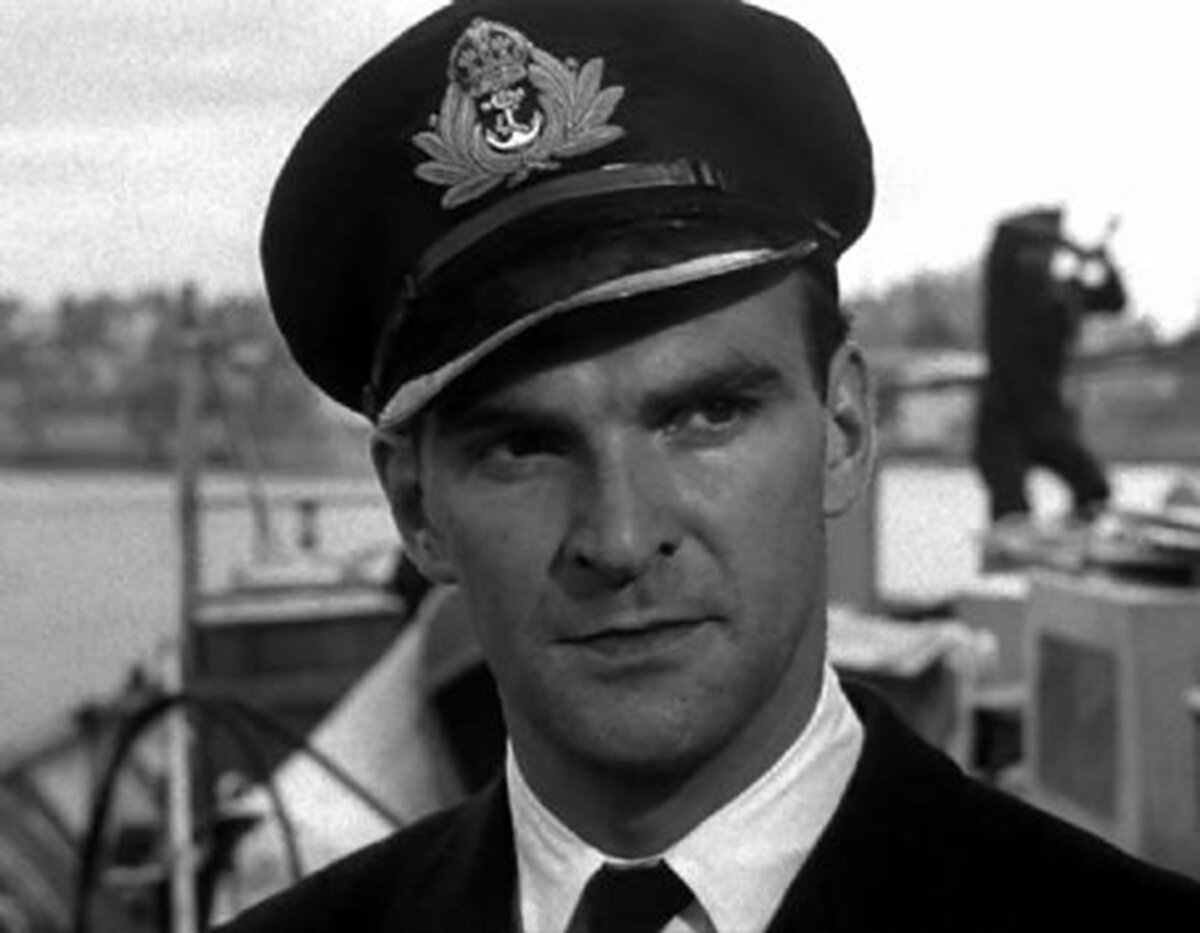
One of the quirkiest casts in a war film has three newly minted officers with zero sea time. Sub-Lts. Lockhart (Donald Sinden), Morell (Denholm Elliott), and Ferraby (John Stratton) come aboard to learn what life at sea means, the hard way. They soon clash with Lt. James Bennett (Stanley Baker), who tries to bully his way into competence but frays under pressure.
However, the real opponent is the sea itself: uncharted, bitter, relentless. Ericson and his crew press on through loss, homesickness, and the never-ending swells that remind them how small they are against the vastness of the Atlantic Ocean.
Saltwater and Snorkers
“The Cruel Sea” seems less a war movie and more a survival course. The North Atlantic feels like the real lead character here: cold, unpredictable, and in a permanently bad mood. The crew just happens to be the unlucky crowd stuck dealing with it.
For all the military bearing and clipped British accents, what really stands out is how these men face something they can’t shoot at. The sea doesn’t hate them; it just doesn’t care whether they live or die.
Hawkins plays Ericson with the weary authority of a man who has seen too much and learned to keep it to himself. He carries his command as if it’s a weight on his shoulders, never letting it show until the cracks begin to appear. His guilt feels palpable, not acted, and the look behind his eyes says more than any speech could. There is the sense that this is a man who has done what he thought was necessary, but will spend the rest of his life wondering if it was the right choice.
Some Army veterans may laugh during a scene of a night of particularly rough seas. A sailor on deck grumbled that some of the crew below were beginning to think the Army might have been the better deal. Army vets used to joke that they should have joined the Air Force because they had more comfortable lodgings and better food. Every branch of service has its own misery.
What gives the film its strength is how human it feels beneath all the steel and sea spray. It doesn’t rely on speeches or heroics. The camera catches the tired glances between men who are holding it together through sheer willpower. Life aboard the Compass Rose isn’t glorious. It’s damp, freezing, and held together with tea, camaraderie, and grim humor.
The film does find time to breathe here and there. Spurts of humor, such as a running joke about canned sausages called “snorkers,” cut through the gloom just enough to remind crew members why they keep going.
“The Cruel Sea” isn’t about winning the war so much as surviving it, one grim watch at a time. Seeing it now, viewers will come away with a sense of respect for those who endured, knowing full well that the sea takes what it wants in the end.
“The Cruel Sea” is available on Amazon, Fandango At Home, and Apple TV.
‘The Cruel Sea’
Director: Charles Frend
Starring: Jack Hawkins, Donald Sinden, John Stratton
Running Time: 2 hours, 6 minutes
Not Rated
Release Date: Aug. 19, 1953
Rated: 4 stars out of 5
What arts and culture topics would you like us to cover? Please email ideas or feedback to features@epochtimes.nyc