SEARCH


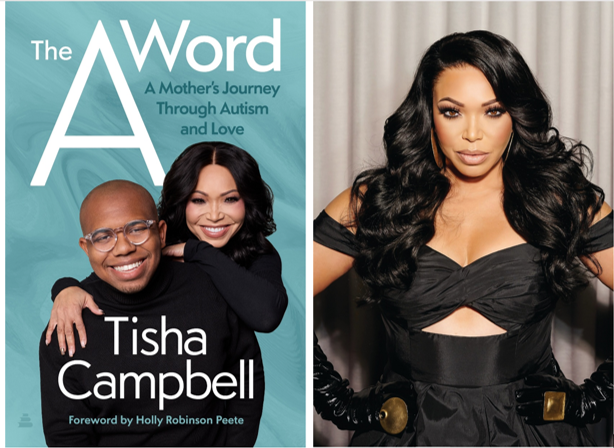
Actress Tisha Campbell opens her book “The A Word” by recalling her 11-year-old son, Xen, giving a speech at his 6th-grade graduation ceremony. Campbell, who is best known for her roles in the popular television comedies “Martin” and “My Wife and Kids,” proudly describes how the audience was invigorated by “his command of language, his wit, and his confidence.”
That moment was not supposed to happen, or at least, that’s what several medical experts predicted. Xen was diagnosed with autism at 18 months. Campbell was told he could go through life without speaking.
“The A Word” in the title riffs on the significant discomfort that some people have in speaking about autism. Campbell’s forceful retelling of how she raised Xen should help obliterate the too many misconceptions surrounding the subject.
Understanding the Situation
Campbell admitted knowing little about autism before Xen’s diagnosis, but she gained expertise rapidly. She was fortunate to be surrounded by very supportive family members and friends, and her constant thanks to these people represent a deep well of gratitude.
But she also had to swat off ignorant comments on her child’s wellness. These remarks included the insistence that Xen would “grow out of” his condition because autism doesn’t happen to black children.
In an email she sent to friends and family worried about the child’s future, she calmly explained that autism is not a contagious disease; it is a neurodevelopmental condition that impacts a person’s ability to communicate, interact with others, and experience the wider world.
Campbell passionately recalls the slow and often painful discoveries of how Xen’s autism impacted his behavior. She determined that he was sensitive to loud noises and tried to coordinate situations where he would not experience a sensory assault.
One of the book’s most dramatic passages finds Campbell taking her infant son in his stroller to a Cheesecake Factory restaurant. Although she tried to acclimate Xen to this environment by standing inside the restaurant’s front door, away from the dining area, the the noise in the venue caused a painful reaction in the child. Xen reacted by crying and gnawing at his sleeve, which irritated other patrons.
One woman at the restaurant recognized Campbell from her role on “Martin” and, in a too-loud voice, commented that a famous actress couldn’t control her disruptive child. Campbell responded by calmly explaining Xen’s condition and his struggle with an auditory processing disorder. Then, she told the woman to mind her own business, using language that cannot be reprinted here.
Sources of Support
In fairness, one cannot blame Campbell for losing her temper. “The A Word” finds her in a stressful and seemingly endless odyssey among multiple pathologists, therapists, pediatricians, teachers, and other assorted experts.
The input from these professionals ran the gamut from helpful to worthless. It also didn’t help that she had to deal with the notoriously lethargic Los Angeles traffic to get between medical appointments.
On several occasions, help came from the unlikeliest of sources. For example, she discovered that singer Chaka Khan operated a foundation that raised funds for support of families with autistic children. During a charity fundraiser for the foundation, Campbell unexpectedly found herself among entertainment industry professionals raising autistic children.
Throughout the book, Campbell repeatedly notes healthcare disparities impacting nonwhite families. This inspired her to co-found the nonprofit Colored My Mind, which raises awareness of autistic resources and support for black and Hispanic families.
“At the time, most African American children were being diagnosed two to three years after their Caucasian counterparts,” Campbell writes. “Some were misdiagnosed, while others were just labeled bad or delinquent.”
The Personal Toll
While raising Xen, Campbell continued her career in television comedy. The pressures of having to be funny on camera while dealing with the difficulties in finding proper support for Xen impacted her health. At one point, what seemed to be a persistent cold evolved into a health crisis, resulting in Campbell being hospitalized with a collapsed lung.
At several points in “The A Word,” Campbell pauses to talk with Xen and seek his input on what he recalls from his childhood. His retrospective reflection adds a poignant dimension to the author’s views on what she was witnessing.
One curious aspect of “The A Word” involves the other parent in this story. Throughout the book, Campbell refuses to identify her husband by his full name, only calling him “Xen’s father.” He is actor Duane Martin. He’s cited only by his first name in a very brief but heated exchange with Campbell’s mother. The couple divorced in 2020 after 22 years of marriage. Xen was in his teens when the marriage ended, but its dissolution is barely mentioned.
The book concludes with Xen as a college student eager for a career as an animal conservationist. It is a much-deserved happy and hopeful ending to this story of Campbell’s resilience and perseverance in bringing out the best in her child.
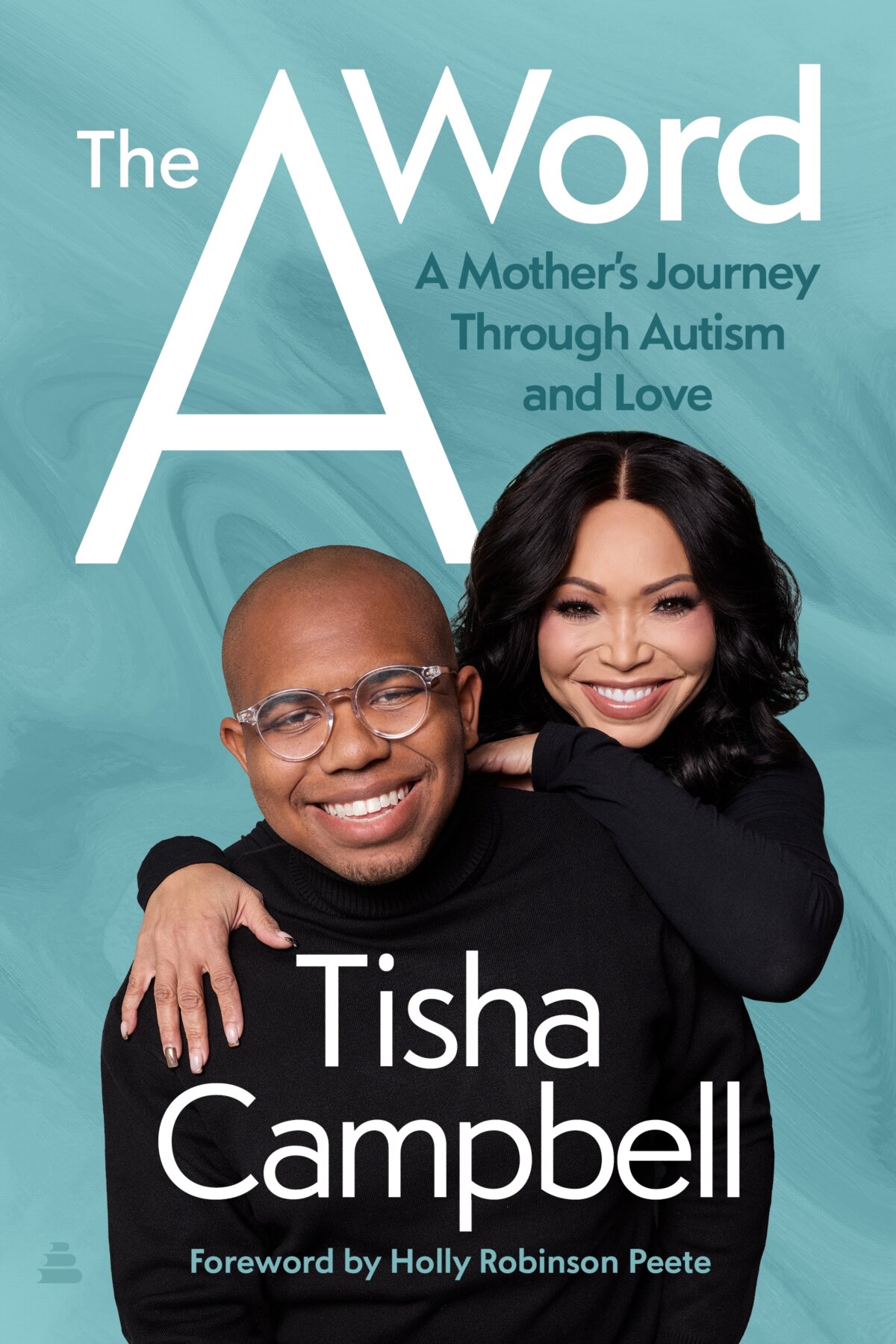
‘The A Word: A Mother’s Journey Through Autism and Love’
By Tisha Campbell
Amistad: Sept. 15, 2026
Hardcover, 352 pages
What arts and culture topics would you like us to cover? Please email ideas or feedback to features@epochtimes.nyc