SEARCH


Christian worship buildings have been historically seen as images of the New Jerusalem, following upon the Old Testament vision of the Prophet Ezekiel. This perfect city of God and his people is further described in Book of Revelation as coming down from Heaven, with Christ the King seated in victory on his throne.
God’s glorious surroundings are described in terms of precious stones: emerald, jasper, sapphire, topaz, and amethyst. This New Jerusalem is described so majestically that its lowest part—the street—was said to be made of what on earth is considered to have the highest value: gold.
Quite fittingly, the first building to serve as a church was a home located in the earthly city of Jerusalem. Its large, furnished upper room, or Cenacle, was chosen by Jesus as the site of his Passover meal with the Apostles. This “Last Supper” has been revisited countless times through the ages in churches across the world.
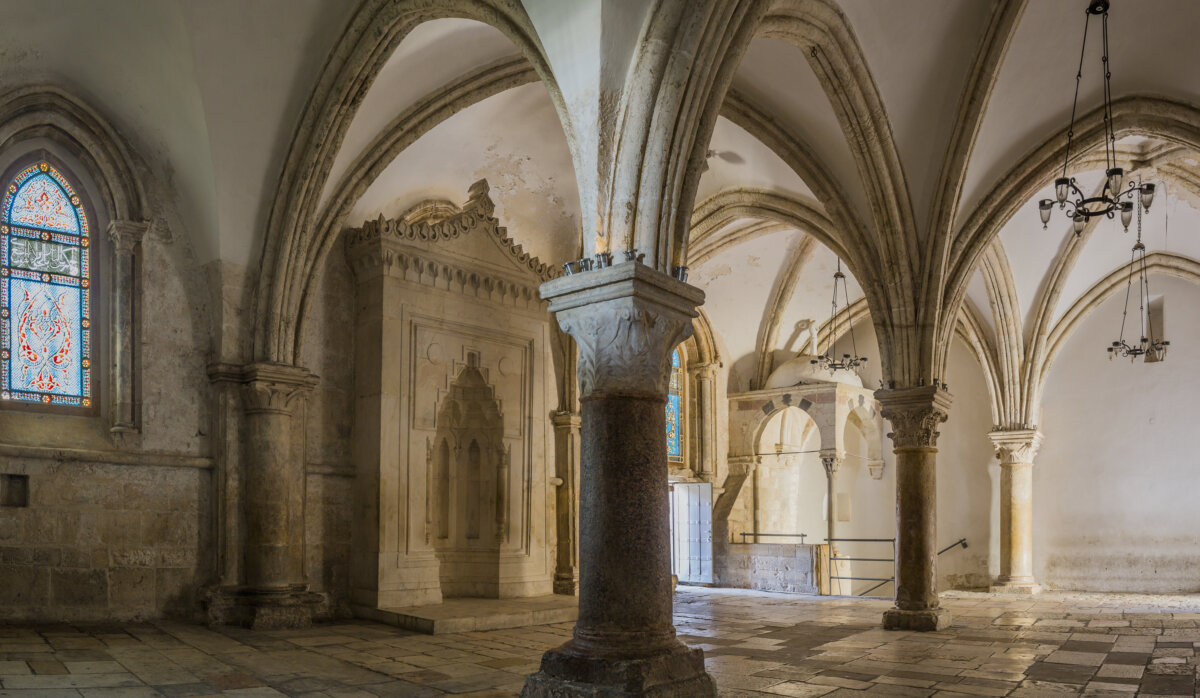
These church buildings have been called “sermons in stone”—visible, rather than audible, explanations of Christianity. The walls of churches do talk, with their countless depictions of biblical scenes and subsequent Church history. An integral part of that history is the topic of this series: sacred architecture.
Dura-Europos
Although it is commonly believed that the first Christians practiced their faith clandestinely in small houses and catacombs, historian Stefan Heid states otherwise. In “Altar and Church,” the top Vatican archaeologist offers a fascinating take on how early Christian churches developed
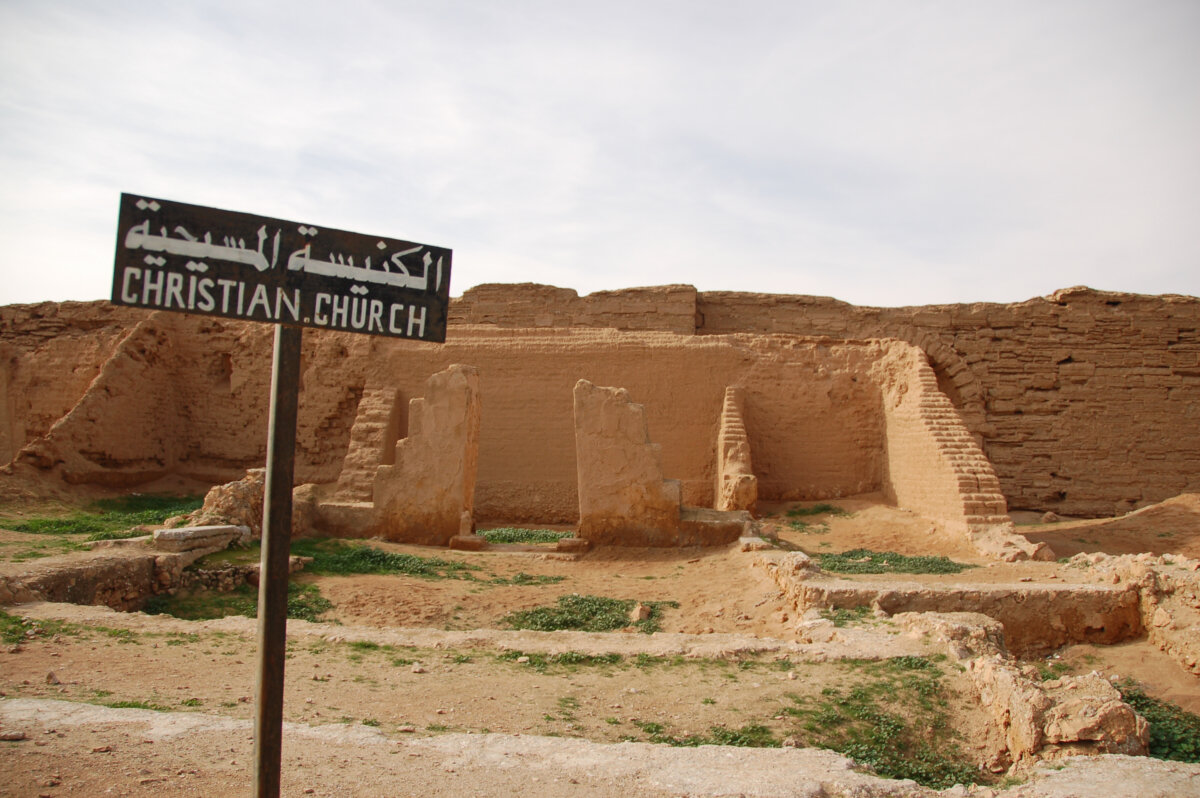
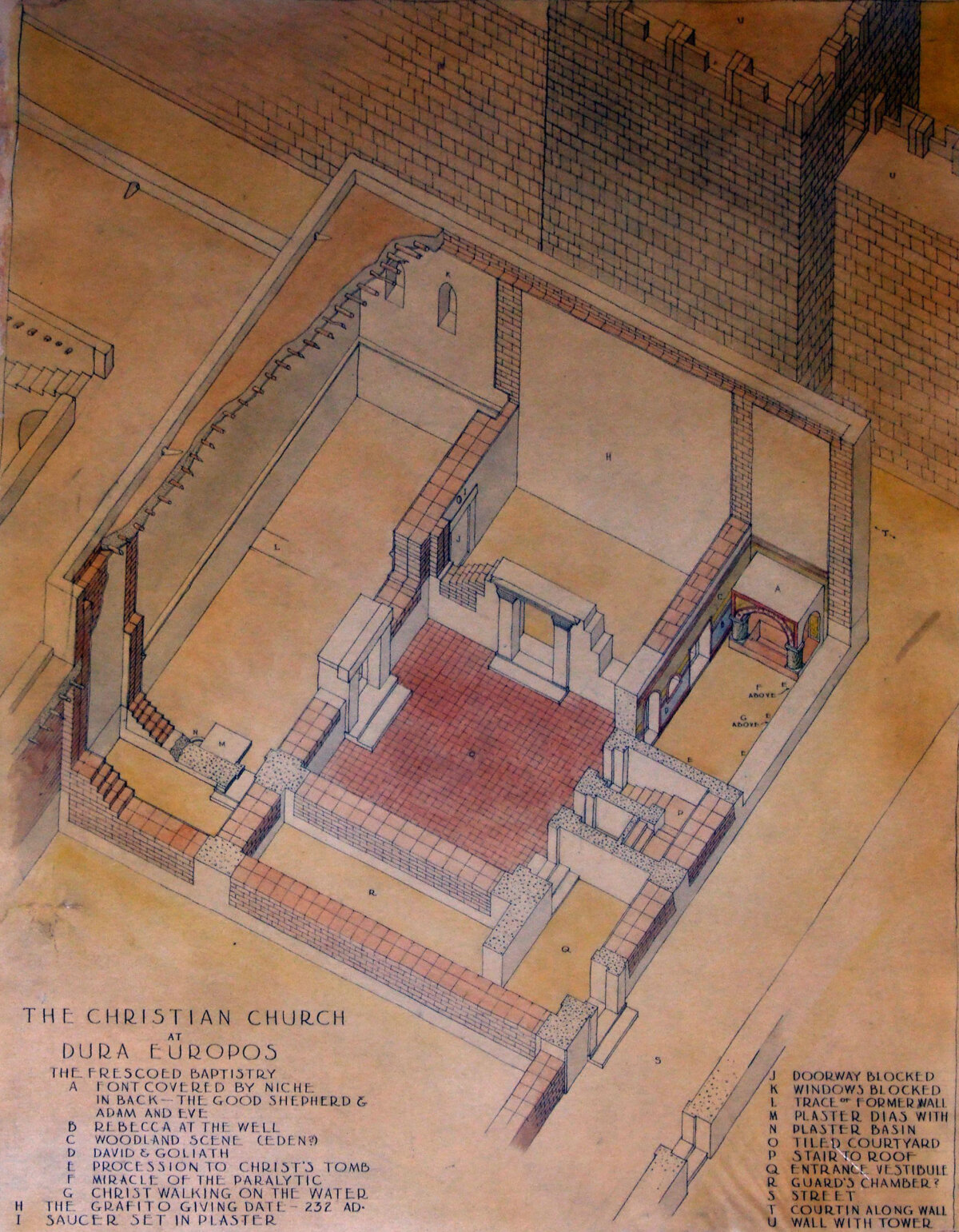
Heid points out that the Emperor Diocletian’s edict of A.D. 303 called for the destruction of Christian church buildings, which means that they existed and could be identified. The earliest identifiably Christian worship building so far discovered, the Dura-Europos church in Syria, dates back to around A.D. 240. This ancient architectural artifact appears to be a large house converted into a church, rather than a structure originally built for worship.
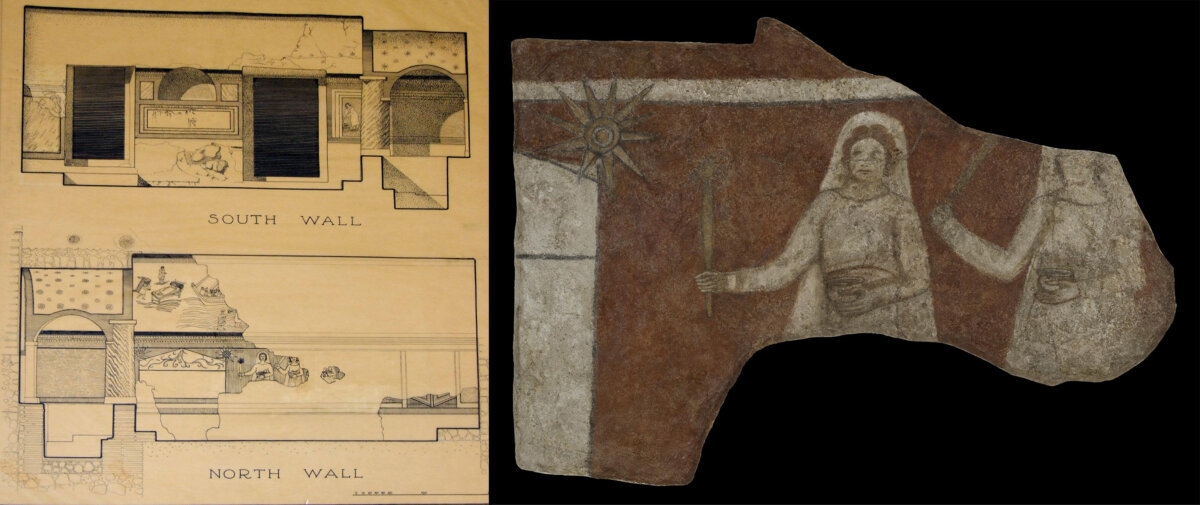
Dura-Europos serves as a transitional structure leading toward a clearly defined set of principles for building churches from scratch.
Elements of Early Christian Architecture
Early Christian architecture was a development of ancient Roman architecture. Predating Christianity, a large building used for legal and other civic functions was known as a basilica, a word with origins in ancient Greek for “royal gateway” or “royal hall.” A magistrate would preside over cases and make judgments known at a basilica, with the King of Rome being the primary magistrate.
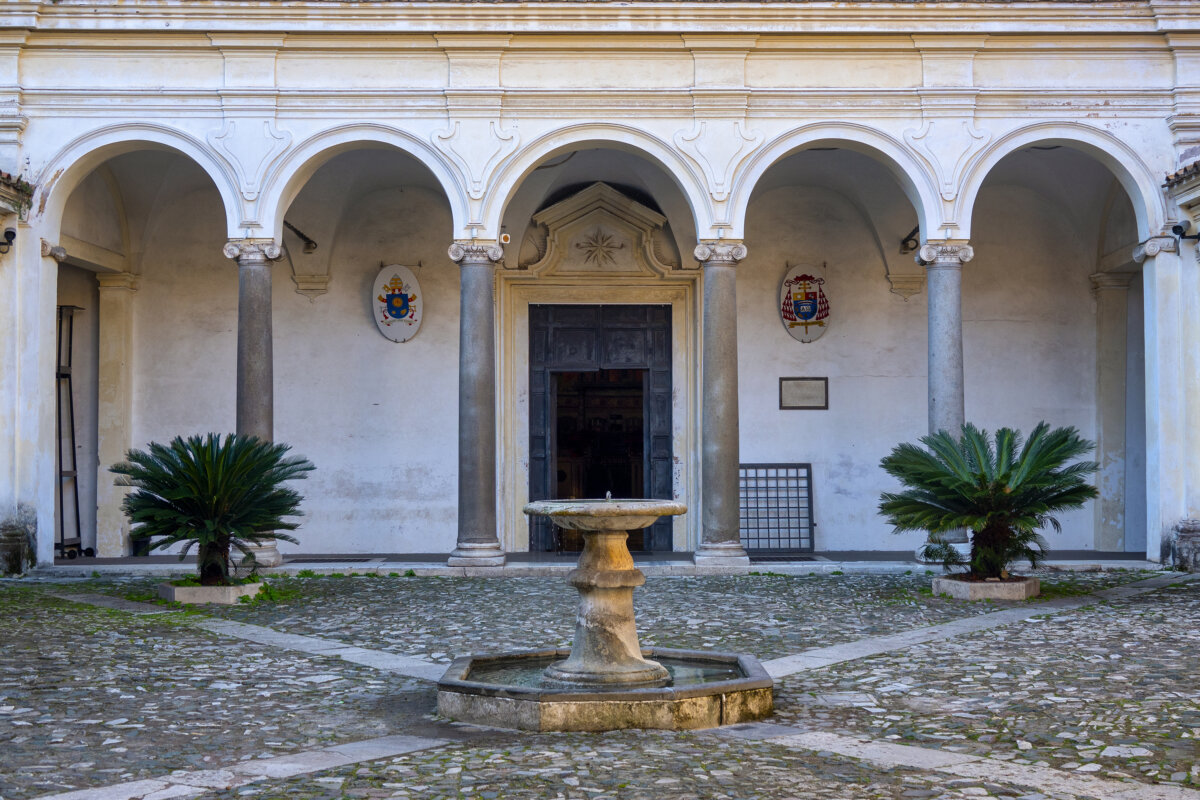
Like secular basilicas, churches were often preceded by a courtyard surrounded by columns, an arrangement known as an atrium. The large buildings were usually constructed from stone in a rectangular shape, with high-placed windows to make use of natural light.
The interiors featured long aisles leading up to an elevated altar placed at the (eastern) sanctuary wall, or apse, symbolic of the congregation’s entry point into Heaven. The Incarnation took place in the East, and the Second Coming is expected to emanate from the same direction, according to the Gospel of Matthew.
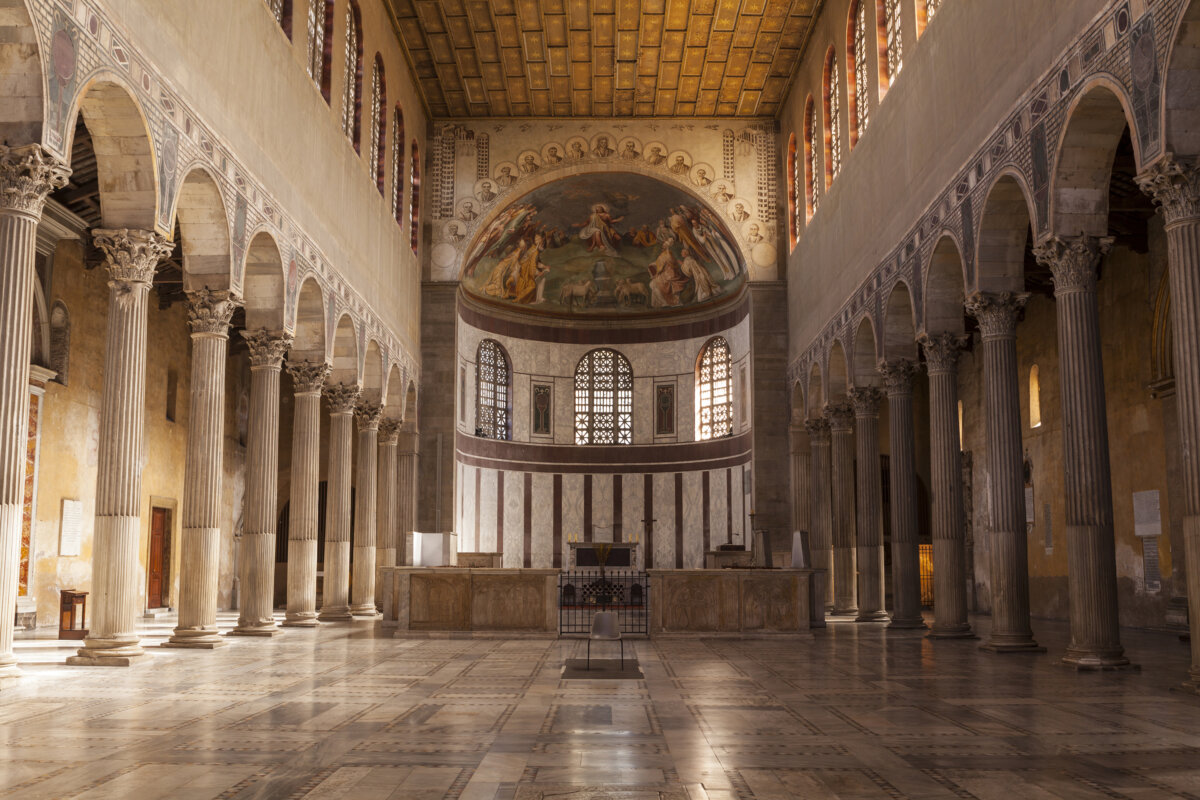
The East has such a historical significance for the positioning of churches that even the verb “to orient” derives from the East-facing building practice common in the Church. From the Latin word for “the rising sun” or “east,” the term “orientation” is now widely used to describe the permanent disposition of one thing to something else.
What arts and culture topics would you like us to cover? Please email ideas or feedback to features@epochtimes.nyc.