SEARCH


New York City was America’s manufacturing center of luxury furniture and interior decorations during the late 1870s and early 1880s. The post-Civil War era boomed for U.S. industries producing high-end household objects, which coincided with an unprecedented residential construction spree spurred by national economic growth.
Pottier and Stymus Manufacturing Company was among the leading firms known for artistically beautiful and exquisitely made furniture and interior design schemes. They became one of the largest companies in the trade, employing many newly immigrated, highly skilled European craftsman. The company had a showroom and multiple workshops housed in Manhattan and, later, Queens.
Today, their historic works are owned by museums across the United States and continue to be acquired by private collectors.
New York Cabinetmakers
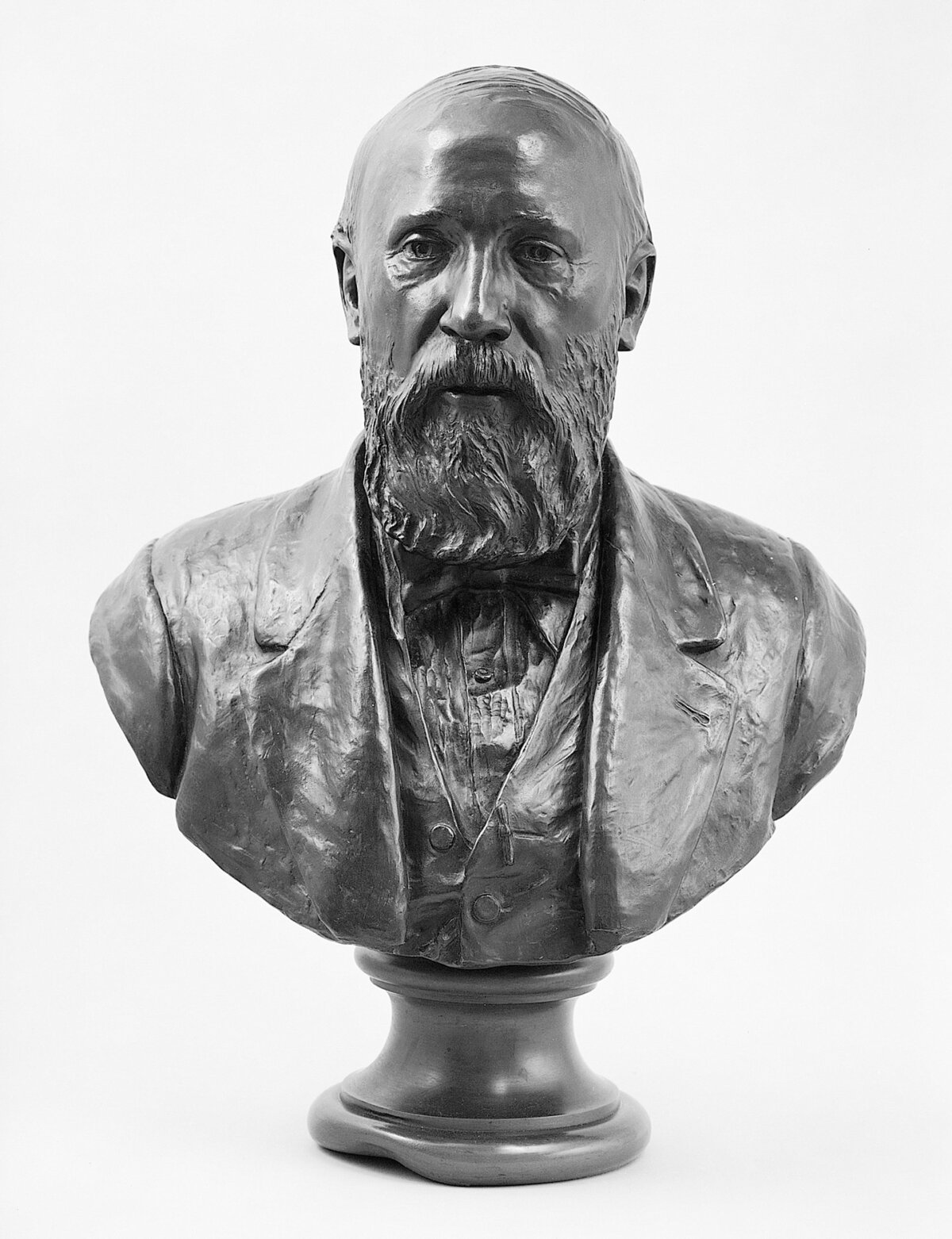
Auguste Pottier and William Stymus formed their eponymous company in 1859. They met at a previous job as foremen for a New York cabinetmaker. Upon their employer’s death, they bought the company, renaming and expanding the enterprise. Stymus, a born and raised New Yorker with German parents, had experience in upholstery. Pottier, a Frenchman, had trained in Paris as a wood sculptor. The newly formed Pottier & Stymus created custom-made furniture for clients throughout the country. They also sourced antiques and conceptualized and implemented interior decoration.
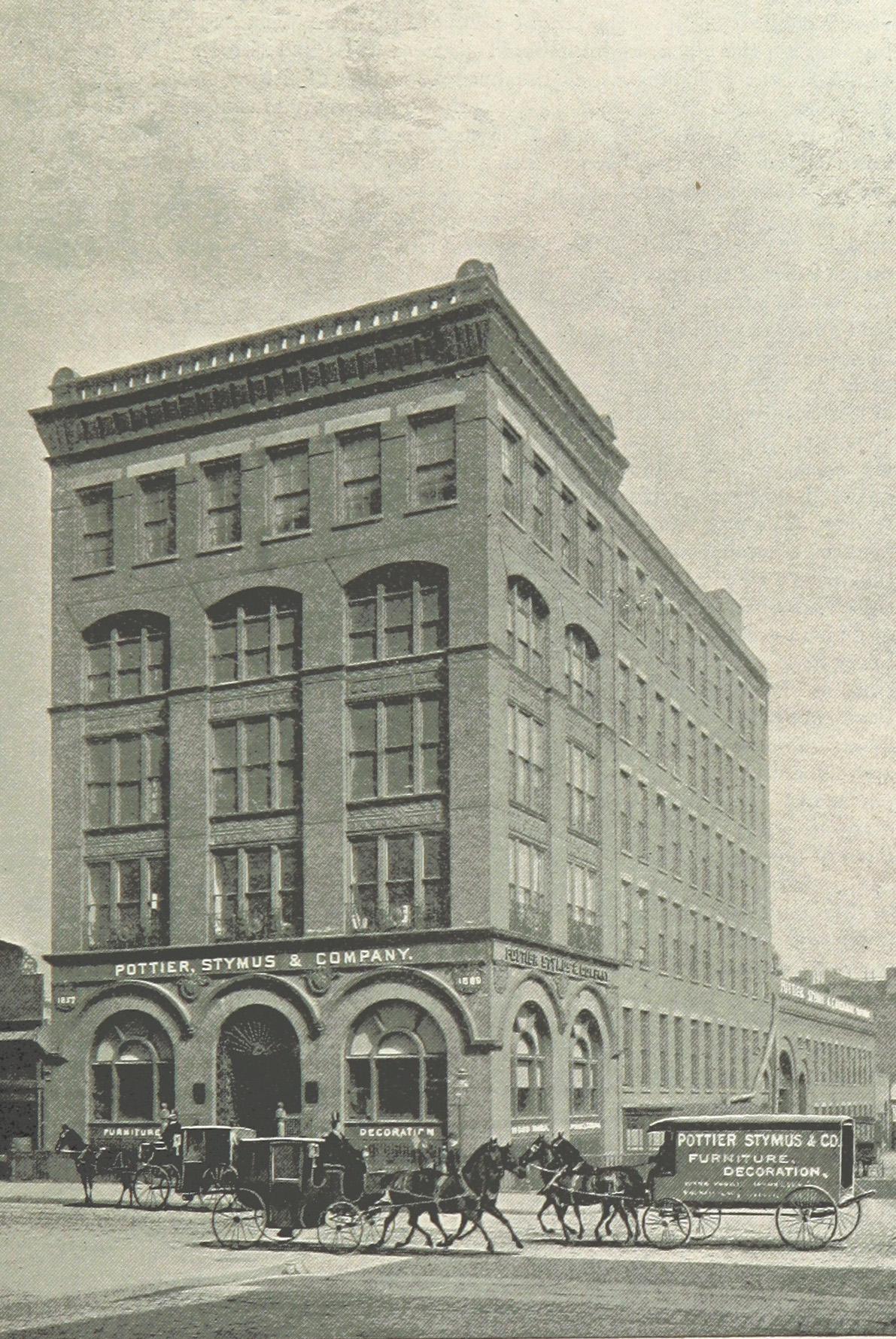
The firm prospered: Its prominent client list grew to include titans of finance, railroad tycoons, and mining magnets. By 1871, their facility on Lexington Avenue took up a whole city block between 41st and 42nd streets. In its heyday, Pottier & Stymus employed 700 men and 50 women, and included architects, carvers, designers, painters, needleworkers, weavers, upholsterers, metalworkers, and gilders. A French-language paper described the place as a “wonderland.” Not just a design company for the wealthy, the company also manufactured lines of less-expensive furniture. Altogether, sales exceeded $1 million.
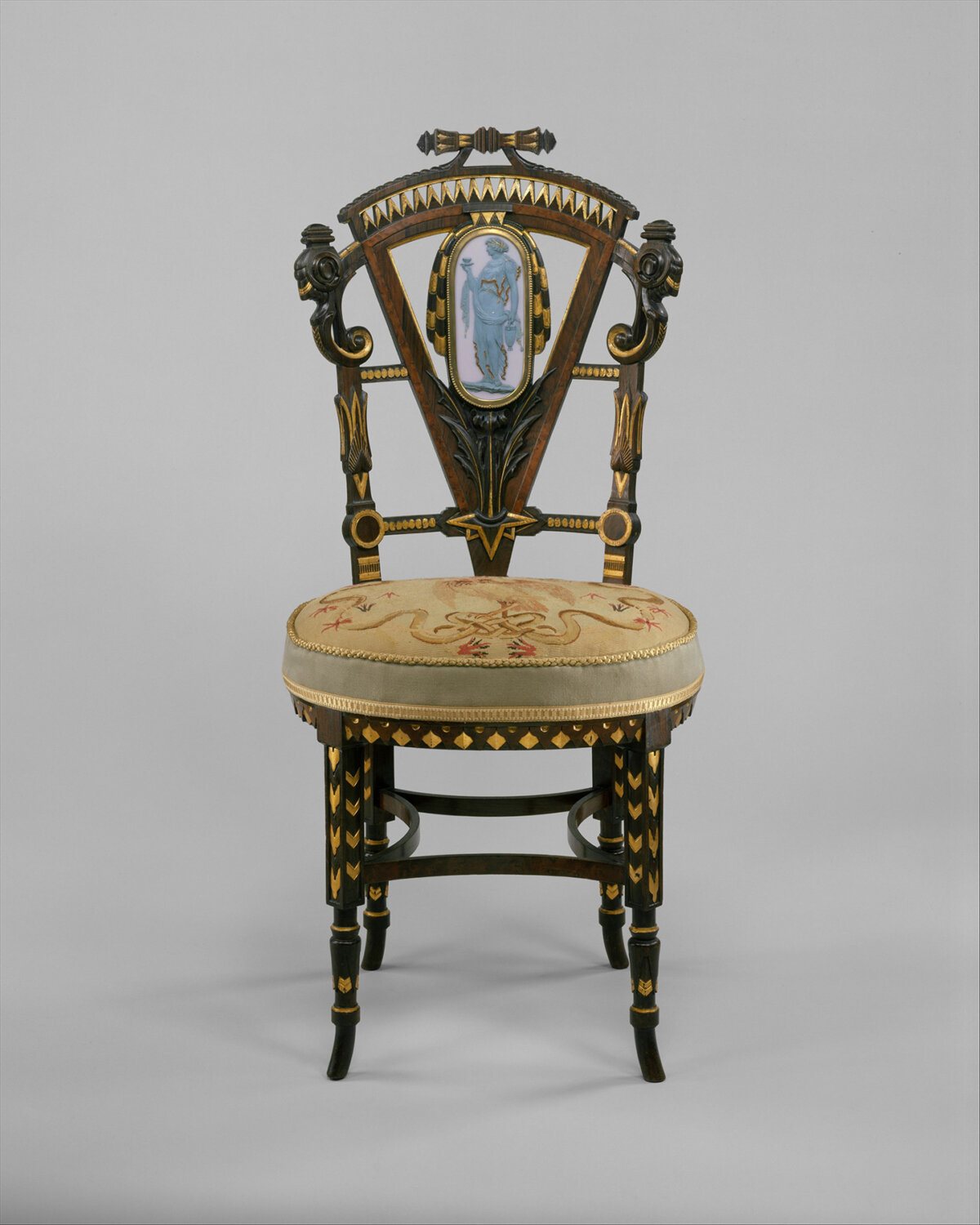
Pottier & Stymus’s creations were made in a range of styles: Egyptian Revival, Neo-Greco, Renaissance Revival, Modern Gothic, and Japonesque. The firm’s elaborately ornamented work is characterized by its use of porcelain plaques, gilt-bronze mounts, and an array of sumptuous woods. Among the types of fashionable furnishings produced were parlor cabinets—a classic showpiece of the period in nouveau-riche homes—tables, chairs, sofas, and bedroom sets.
The firm’s most prestigious commission came from the White House in 1869. President Ulysses S. Grant, previously a commanding general for the Union Armies during the Civil War, hired the firm to oversee the refurbishment of the Executive Mansion. Stymus supervised the project onsite in Washington. Impressive pieces that are part of the White House Historical Association today include a practical walnut conference table and patriotic sofa.
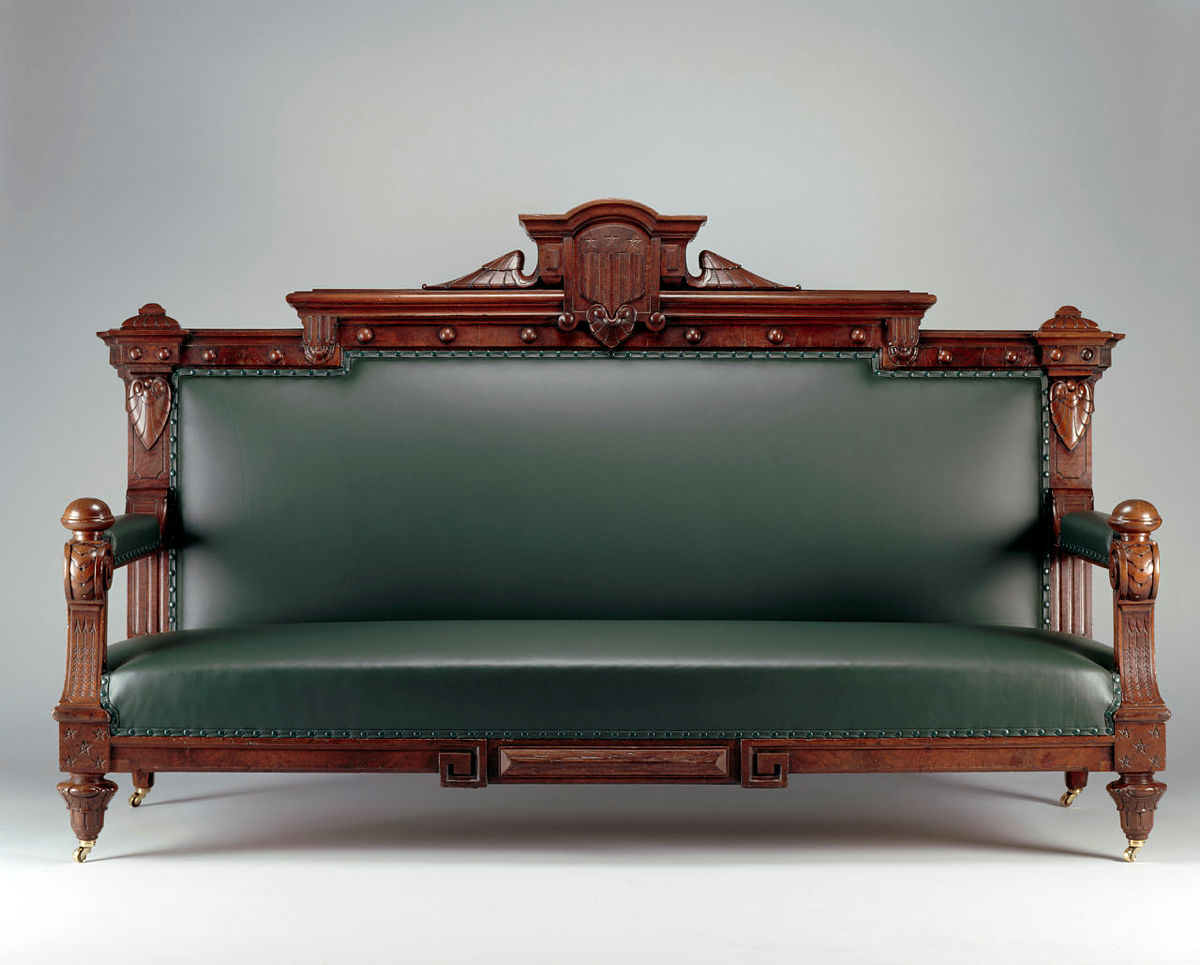
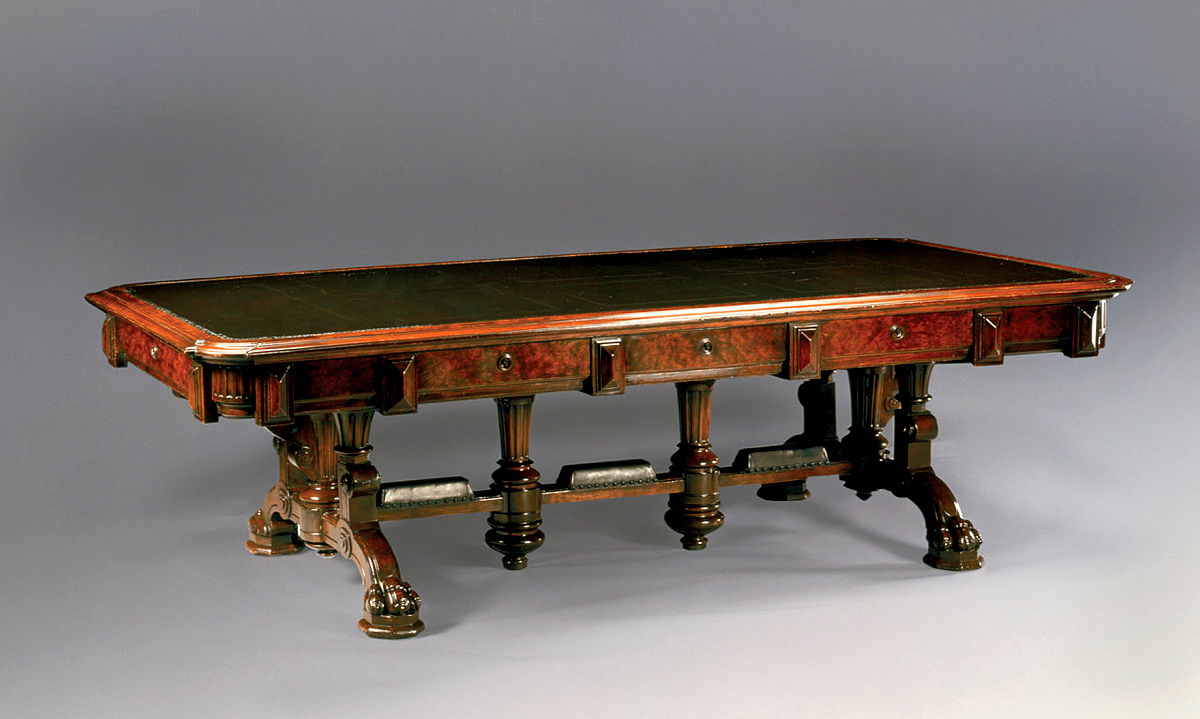
The table was the star of the Cabinet Room. It has eight lockable drawers so that each cabinet member had a secure space for state papers. A number of international treaties were signed atop it. The Renaissance Revival sofa, also in walnut, features a shield believed to be inspired by the one from the Great Seal of the United States.
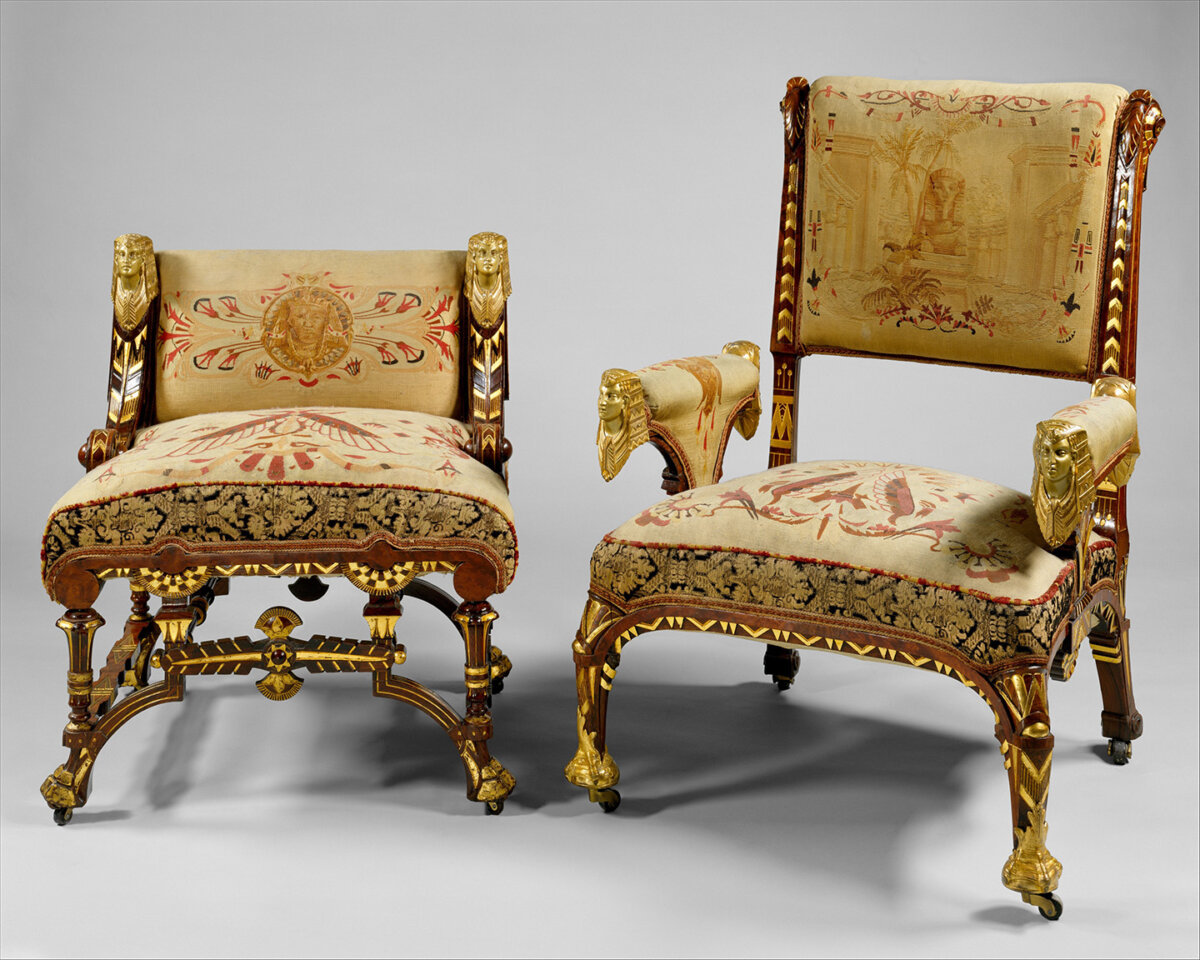
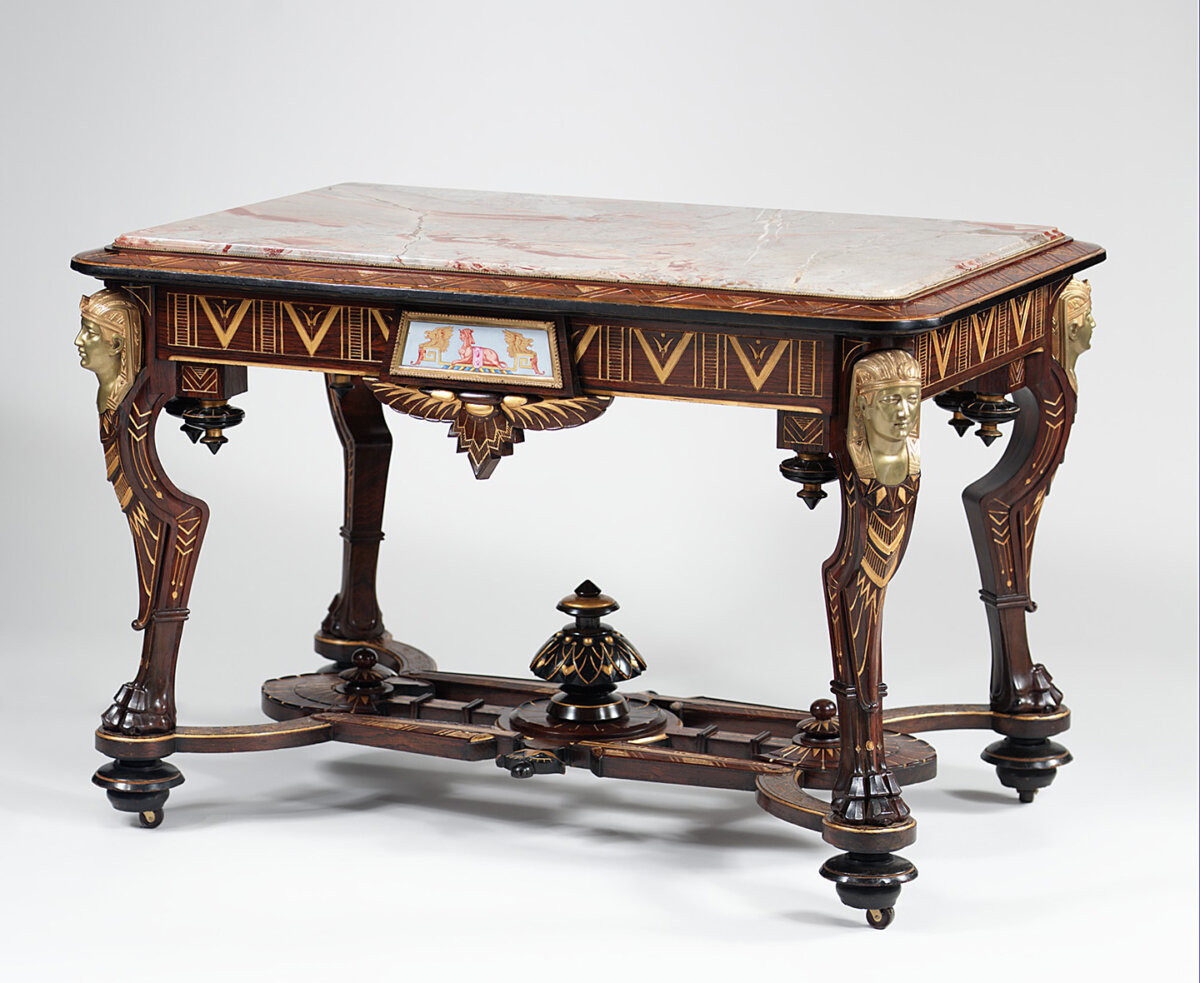
The firm became most famous for its Egyptian-influenced pieces. Egyptomania was popular in the United States during the 1870s, precipitated by the 1869 opening of the Suez Canal. The Metropolitan Museum of Art writes, “Egyptian Revival furnishings bear no resemblance to furniture made in Egypt but are, instead, a manifestation of fascination with the ancient world and exoticized non-Western cultures.” Objects in this style feature motifs such as sphinx heads, palmettes, lotus blossoms, and animal feet.
A Passion for Aesthetics
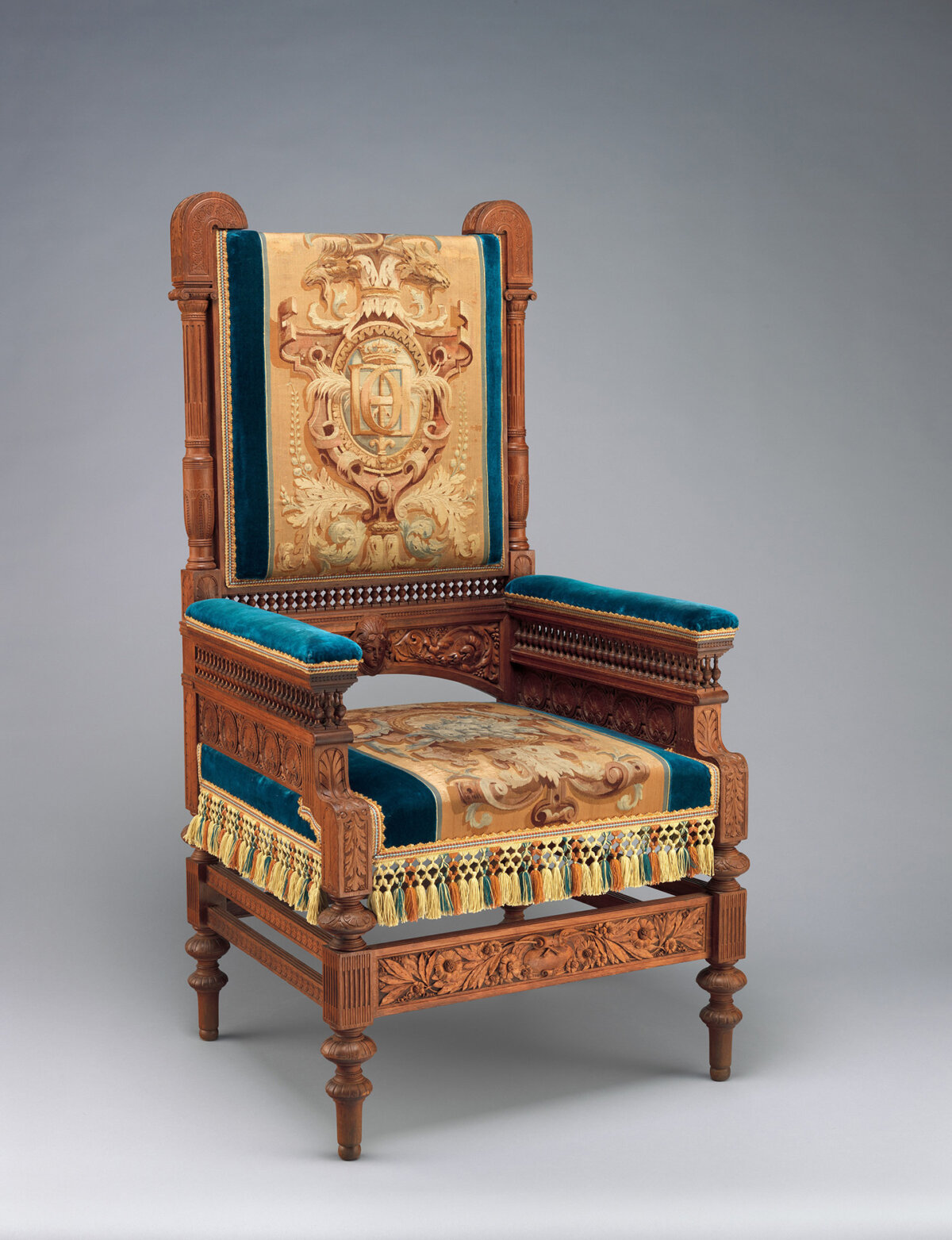
The Centennial Exposition of 1876 was the first world’s fair in the United States. It took place in Philadelphia as a tribute to the birthplace of the Declaration of Independence and the 100th anniversary of its signing. The exposition was opened by President Grant and provided a showcase for the country’s industrial and artistic achievements. Exhibitors received enormous publicity and opportunities to meet potential patrons. Pottier & Stymus displayed exemplars of their contemporary furnishings, including a finely carved and embroidered armchair.
The exposition fueled the country’s passion for the Aesthetic style. This movement, which lasted through the 1880s, was especially prevalent in New York. The Met describes how Aestheticism was “a cultural phenomenon of its time that promoted beauty as an artistic, social, and moral force, particularly in the domestic realm.”
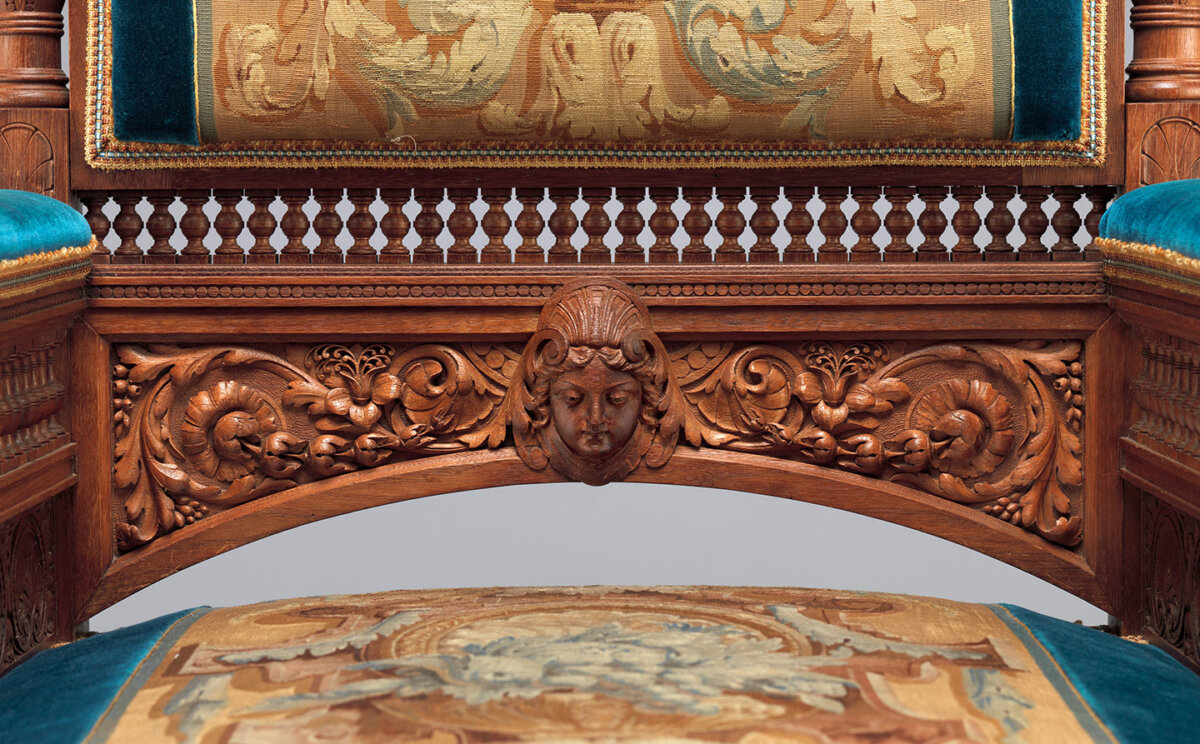
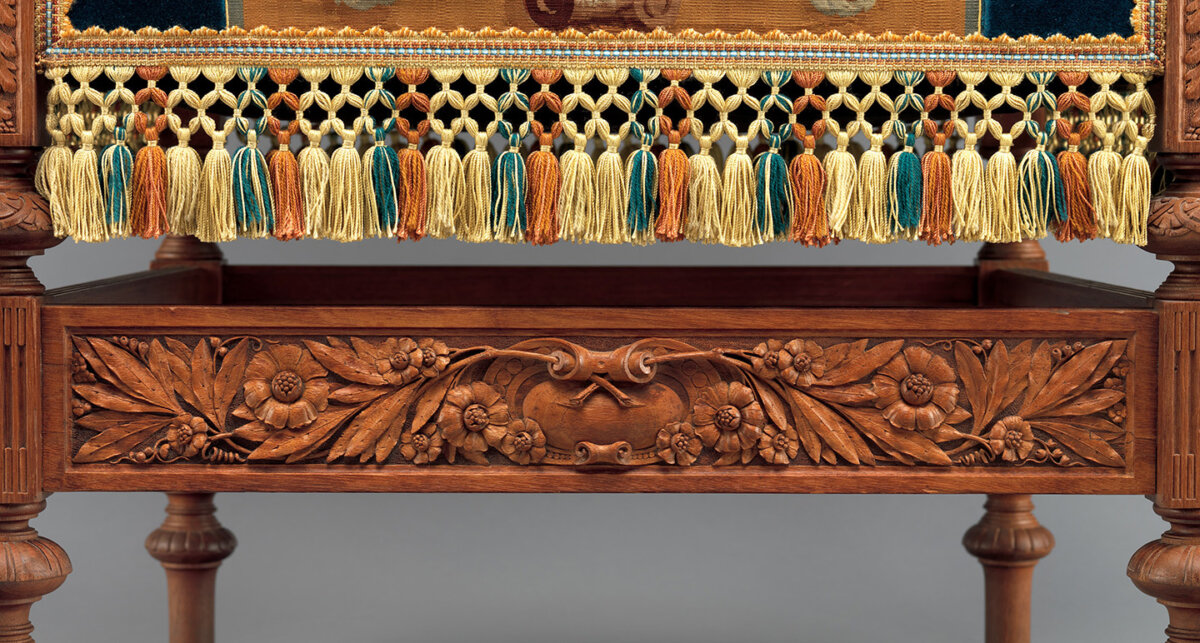
Concurrently, there was an increasing interest in collecting and displaying art not only in one’s home, but for public education and enjoyment. Many of the country’s important art museums were founded at this time. Indeed, Pottier was one of The Met’s first hundred patrons and went on to donate the Centennial Exposition armchair to the Museum.
Preserving Glenmont
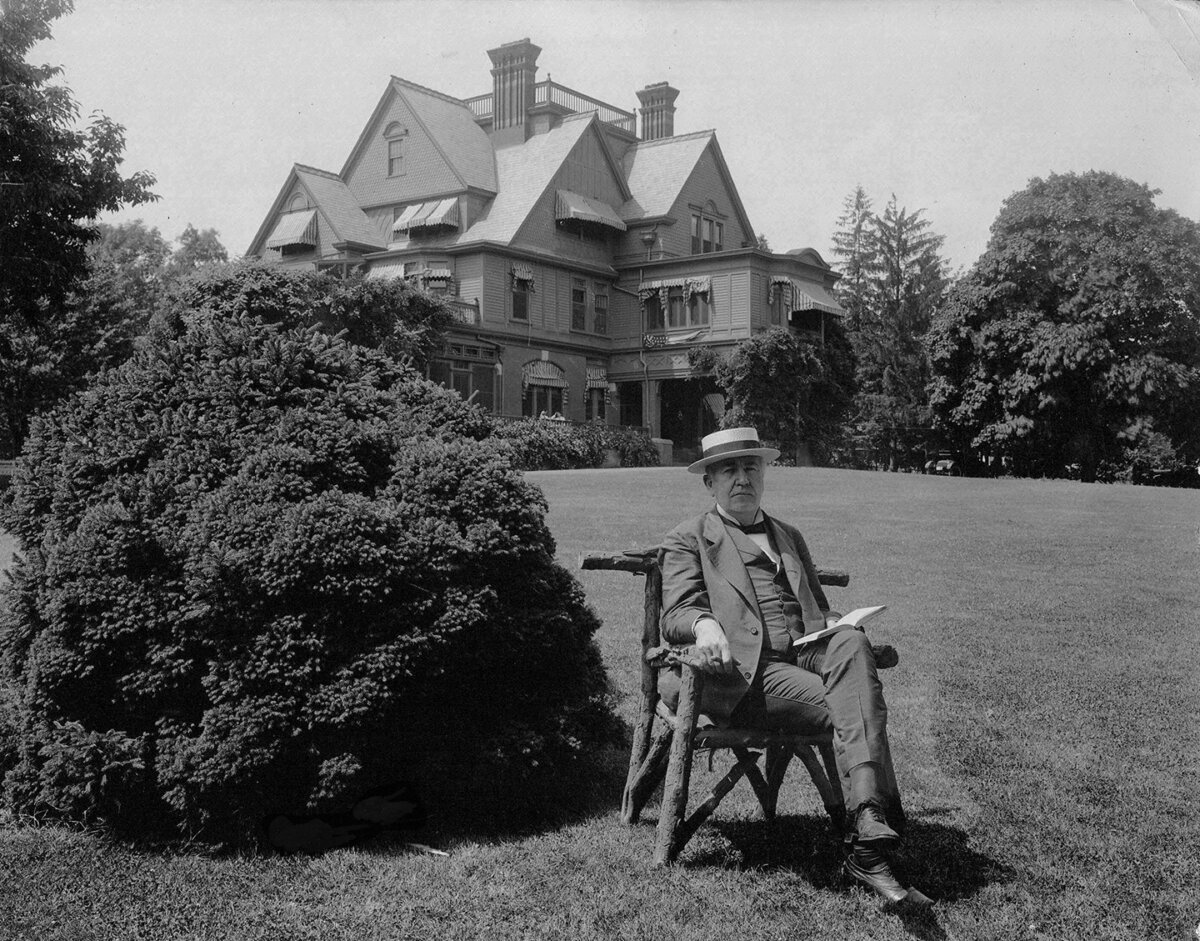
Glenmont Estate in West Orange, New Jersey, is part of Thomas Edison National Historical Park. It presents a rare opportunity to see a well-preserved Pottier & Stymus interior given that many homes the firm decorated were later torn down. The company furnished the Glenmont mansion for its original owner, who bought the property in 1879. Pottier & Stymus decorated it in an opulent modern Gothic style, either manufacturing or procuring its furnishings. Seven years later, Thomas Edison purchased the Victorian home. He and his wife valued Pottier & Stymus’s designs and made only minimal adjustments to the décor.
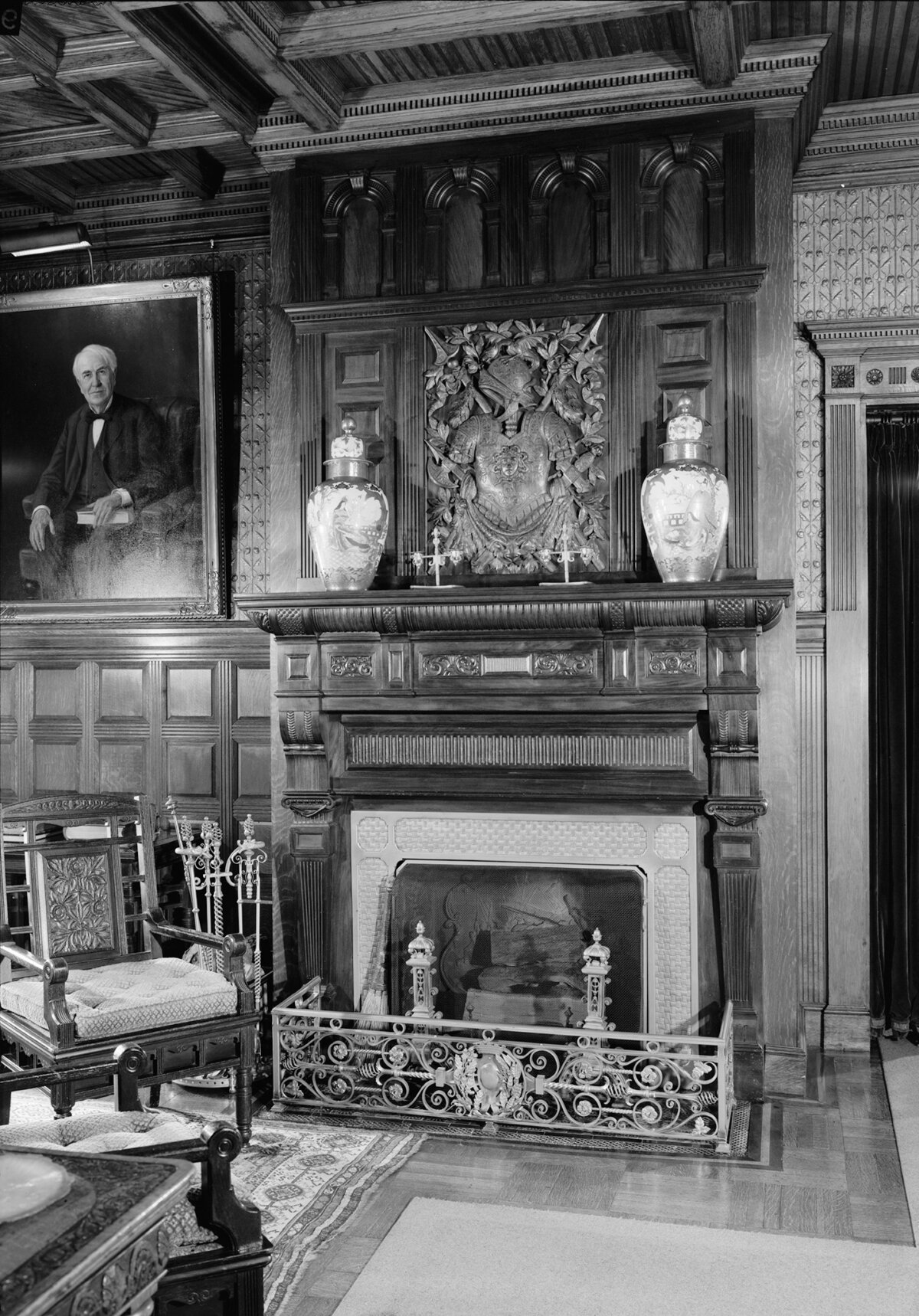
The American decorative arts profoundly flourished in the second half of the 19th century. Pottier & Stymus Manufacturing Company, active from 1859–1919, contributed the most significant furniture of this period, displaying virtuosic versatility and cementing its place in history. In addition to the White House, commissions included New York hotels and townhouses, California mansions, and even the Presidential residence at Chapultepec in Mexico City. More scholarship is needed to uncover the range of objects they created. Tragically, the majority of the company’s records were lost in a warehouse fire in 1888. Now that much of America’s mass production is overseas, firms like Pottier & Stymus are a reminder of America’s exceptional craftsmanship.