SEARCH


R | 2h | Crime, Thriller | 2026
Warning: Beth de Araújo’s “Josephine”—one of the most celebrated films of 2026’s Sundance Film Festival—opens with such a nauseating, emotional gut-punch of a scene that it haunted me for three days. I carried around enough pent-up rage to set off a bout of lower-back stress-pain.
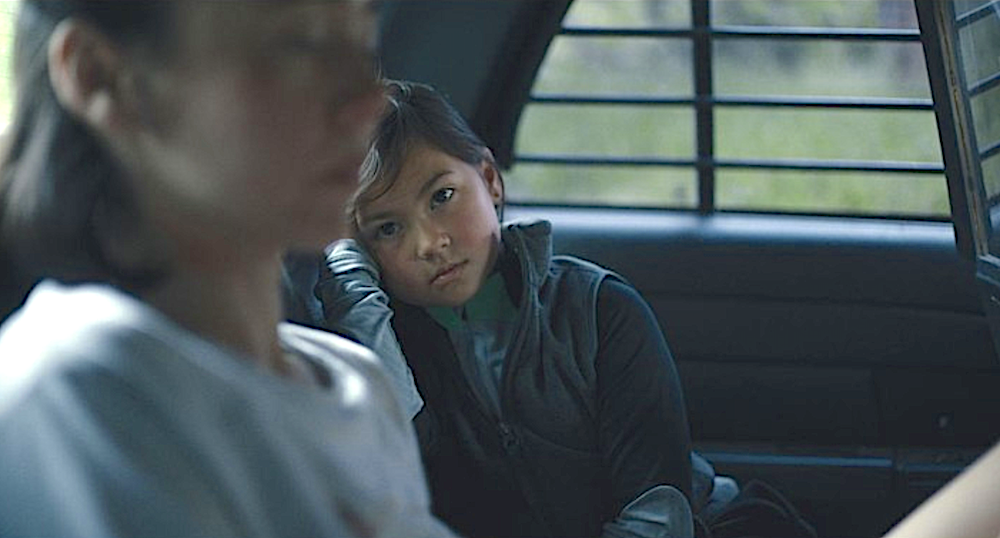
The titular Josephine (a star-is-born performance from young Mason Reeves) is an 8-year-old girl, jogging in Golden Gate Park with her dad, Damien (Channing Tatum). At one point, she scampers ahead, winds up on a different, leafy path, loses sight of her father, and ends up witnessing a “graphic assault.”
It’s become politically correct to swap out the word “rape” with “sexual assault.” I’m here to tell you—this is a rape, it’s a bad one, and because you’re viewing it through the eyes of a little girl, you’re hit in the chest with a double-barreled blast of simultaneously witnessing a strangulation-rape, as well as an execution of childhood innocence.
What If?
What if your 8-year-old girl-child witnessed such a horrific thing near an unattended park restroom? How would you help her process that trauma, answer her questions, help her understand what she just saw, and put it in context?
“Josephine” unflinchingly forces us to share the perspective of a small girl having her illusion of safety shattered. The trauma unlocks deep irrational fears in her, and she begins acting out in unexpected ways. She latches onto and refuses to release a plastic assault rifle in the toy department; she responds to a bully by attempting to asphyxiate him mob-style with a plastic bag over the head, and gut-punches her pregnant mom, Claire (Gemma Chan).
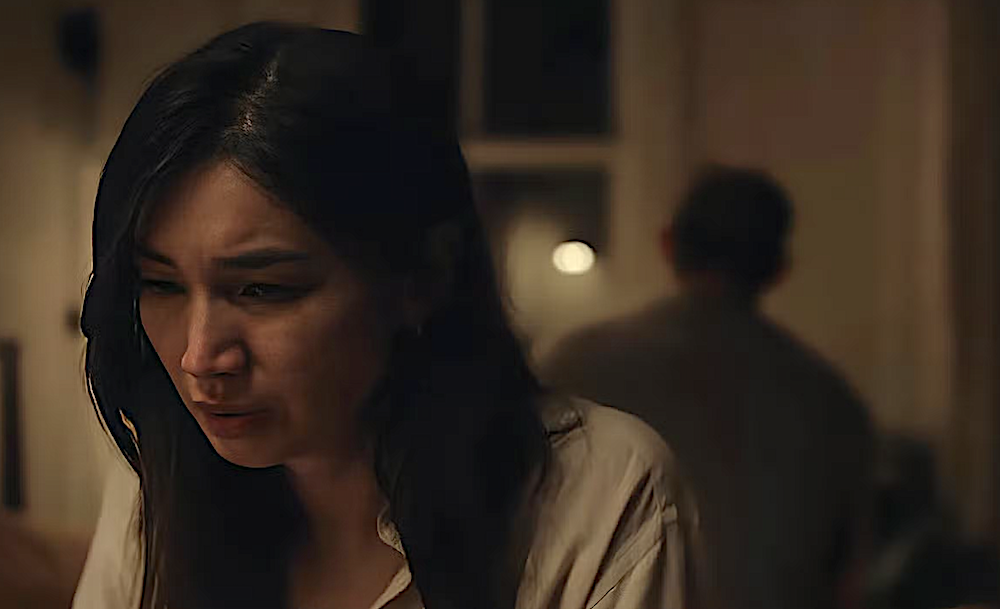
Although not a thriller in the traditional sense, “Josephine” packs a deep, nail-biting lethality most thrillers only wish they could achieve. A palpable dread mounts as every second passes, because Josephine is clearly not healing from the trauma, but becoming further strangled by it.
As her volatile behavior escalates, and she continues to be troubled by post-traumatic hallucinations of the rapist (Philip Ettinger), a terror-inducing stress sets in. She sees him sitting in her room, playing with her pet mouse. At one point she tells a therapist, “I see him everywhere. All the time.” The audience has come to care for Josephine so deeply that the steady decline in her mental health is highly disturbing.
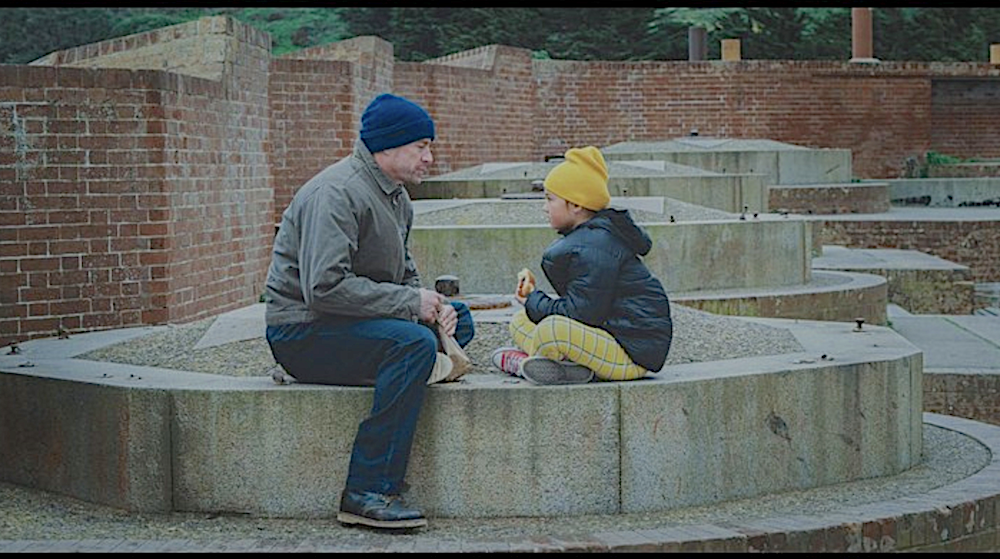
Director-writer de Araújo excels at depicting the lingering sense of paranoia; Josephine’s crippling apprehension—unsure whom to trust—is represented in ways that ring true to a child’s imagination. The frequently employed eye-level point of view and low-angle handheld shots emphasize a child’s perspective and let us view the world through a little girl’s eyes, and better understand her fear, curiosity, dread, and rage. The soundtrack and sound effects enhance all of the above.
Performances
The Costa Rican-Chinese, trilingual, 10-year-old Reeves delivers an astounding performance. Actors can sometimes get away with not thinking actual thoughts onstage, but the camera has x-ray vision. You can read Reeves’s mind and feel the emotional weight of her swirling, myriad emotions via her facial expressions, as she experiences something no young child should have to endure. Her natural, magnetic charisma comes from her impressive range of fearful vulnerability to fearless volatility. Reeves’s powerful turn is easily one of the best performances from a child actor this century.
Tatum as Josephine’s at-a-loss dad feels largely authentic. He’s fiercely protective. He’s got a classically Channing Tatum-funny, every-dad-explanation of why he would prefer Josephine to become a lesbian rather than date boys, but his frustrations mount realistically as his daughter’s disobedience escalates.
Chan is sweet, tender, confused, and sensitive as a mother unprepared to handle a situation of such emotional complexity.
Overall
Many decades ago, while in fourth grade, one of my brother’s classmates was abducted, brutally raped, and murdered. “Josephine” serves as a devastating, all-too-real reminder that, no matter how desperately we try to protect children from the world’s excruciating realities, we can’t always keep everything from getting through the safety barriers.
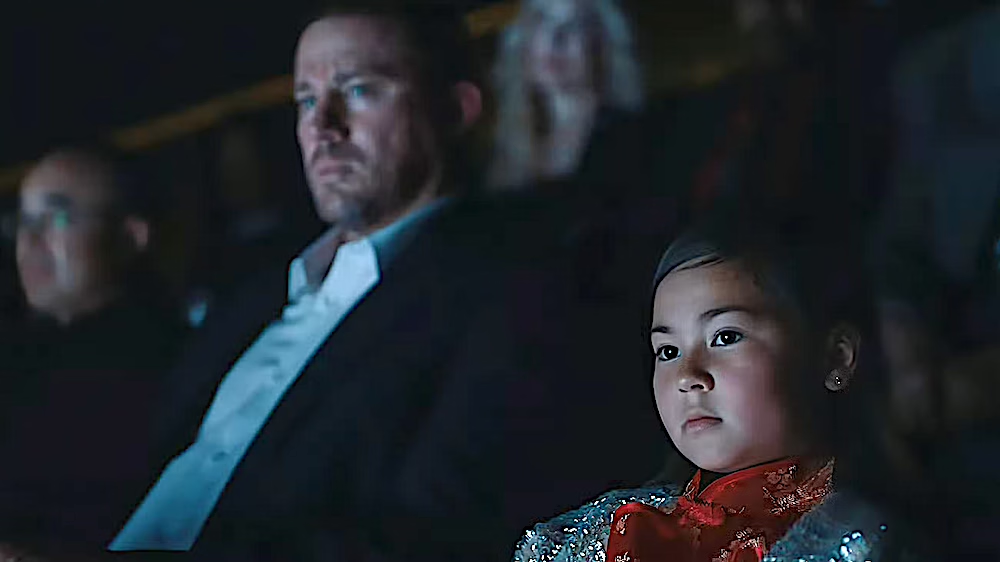
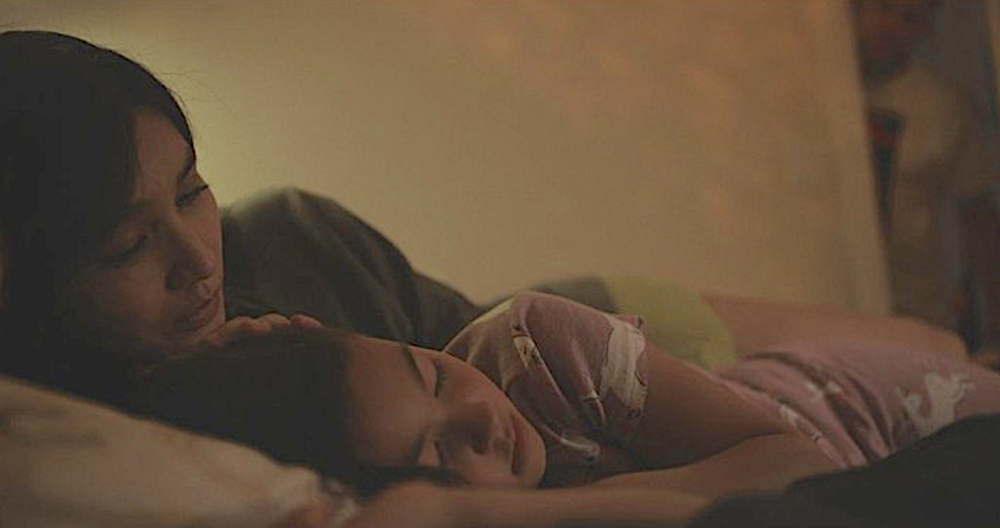
The film offers a mindset to go through life with: We might not be able to control what happens to us, but we can control how we respond. As Claire tells here daughter, “There will be so many people and situations that will hurt you. And that’s not your fault. But it is your responsibility to fix your own pain.”
At first, I was suspicious of the exploitation and shock-value possibilities inherent in such a choice of material. I still question whether using an actress this young, no matter how gifted, is a good idea—there’s inevitably going to be a parallel loss of innocence. That said, I’m starting to think of “Josephine” as a wake-up call, and a form of parental public service.
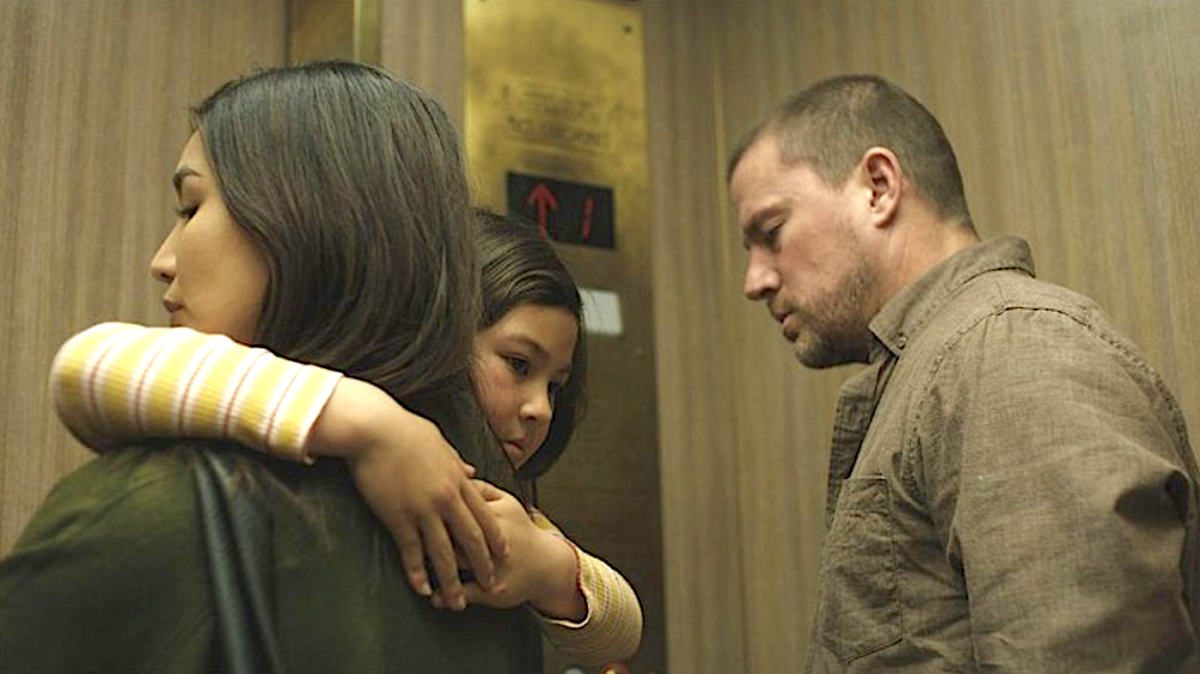
Full of perceptive ruminations on parenting, the justice system, and gender, “Josephine” is simultaneously thoughtful and thought-provoking. That it’s a difficult watch is fitting because having these kinds of conversations with children is difficult. Anyone wanting to raise little girls in this insane day and age should watch “Josephine” first.
It will help dithering parents put their non-negotiable, extracurricular martial arts instruction in place ahead of time, and motivate them to reflect on how they would navigate such harrowing circumstances.
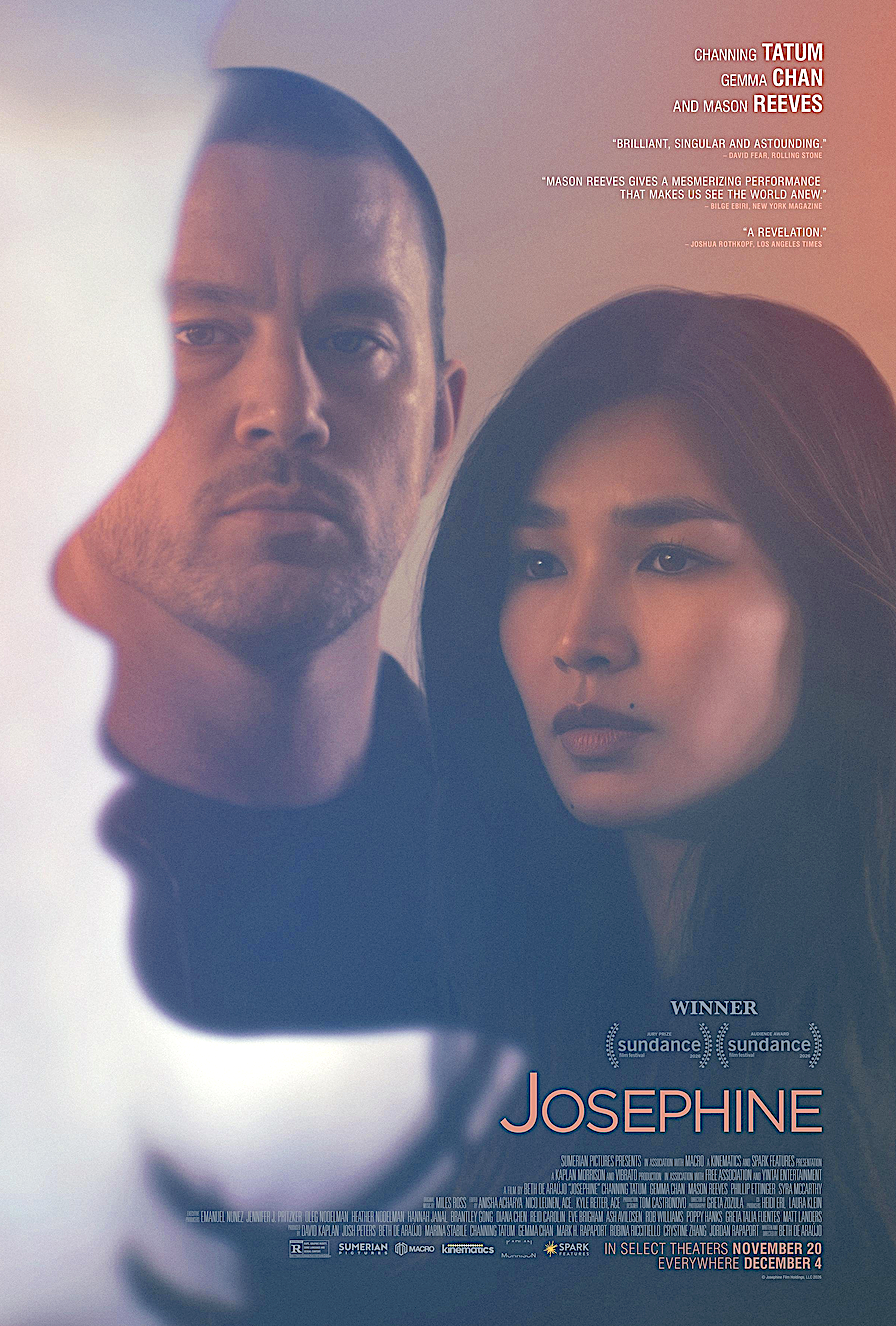
‘Josephine’
Director: Beth de Araújo
Starring: Mason Reeves, Channing Tatum, Gemma Chan
MPAA Rating: R
Running Time: 2 hours
Release Date: Dec. 4, 2026
Rating: 4 stars out of 5
What arts and culture topics would you like us to cover? Please email ideas or feedback to features@epochtimes.nyc