SEARCH


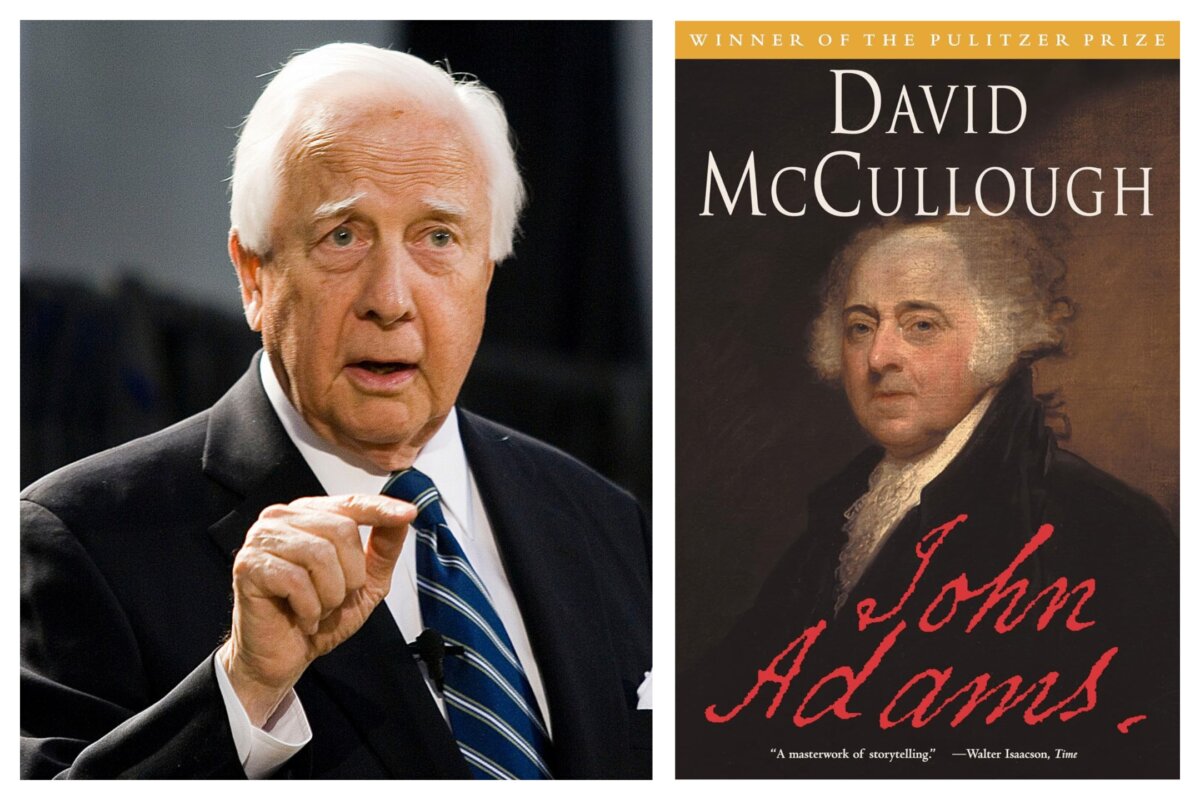
Before he passed in 2022, David McCullough authored some of the most compelling and highly detailed history books on presidents, explorers, and catastrophic events. One of these was “John Adams.” This detailed biography of the second president’s life—from before the Revolutionary War to his death—earned not only a Pulitzer Prize but also a seven-part, HBO miniseries adaptation.
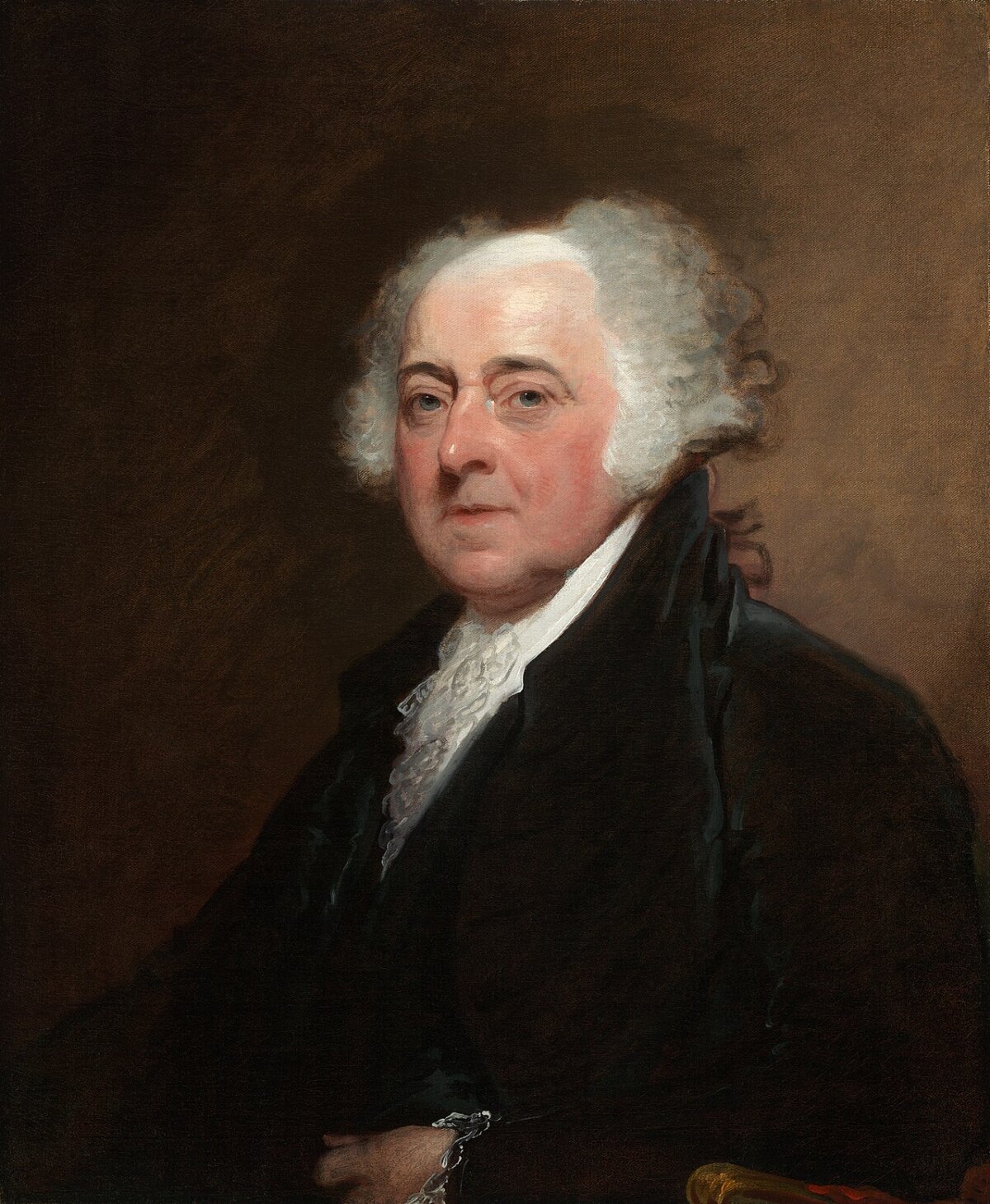
While countless books have been written about early presidents, especially George Washington and Thomas Jefferson, Adams has been overshadowed, in McCullough’s estimation. The author attributes the slight to Adams’s short stature and humble New England personality and lifestyle, in comparison to Washington and Jefferson’s height, fame, and affluency.
McCullough planned to write a book that showed how the lives of Adams and Jefferson were interconnected. However, when he began delving into The Adams Papers, which he called a “national treasure” in the book’s acknowledgments, he realized that “no comparable written record of a prominent American family” existed. McCullough was determined to tell Adams’s story through the patriot’s own written words preserved in letters, diary entries, family papers, and other primary sources.
In fact, most prominent in “John Adams,” is the correspondence between John and his politically astute wife, Abigail. McCullough noted in the book’s acknowledgements: “The letters number in the thousands, and because they both wrote with such consistent candor and in such vivid detail, it is possible to know them, to go beneath the surface of their lives.”
McCullough added that no other early founder, including Benjamin Franklin, wrote so “forthcoming on paper” about “his world” as did Adams.
Unwavering Dedication
The book begins on Jan. 24, 1776, by describing Adams’s 400-mile journey with traveling companion Joseph Bass from his Braintree, Massachusetts home to Philadelphia to attend the Second Continental Congress. The author pulls from researched primary sources to take readers into Adams’s world, and he does it in Henry David Thoreau’s sense-of-place style.
Chapter 1 begins: “In the cold, nearly colorless light of a New England winter, two men on horseback traveled the coast road below Boston, heading north. … They were barely distinguishable from each other, except that the older, stouter of the two did most of the talking.”
McCullough explained that, just a few months before Adams signed the Declaration of Independence, he was 40 years old, a “known talker,” lawyer, farmer, Harvard College graduate, and devout Christian. He was also the “best, dearest, worthiest, wisest friend in the world … a good man,” according to his devoted wife, Abigail. He had four children, three boys and a girl.
Adams did not have the social standing of other early founders in terms of his ability to dance, play cards, spot fine art, or flatter. Yet, his zeal for the burgeoning American colonies and focus on justice made him an ardent patriot. In fact, it was the short, portly Adams who, after the bloody conflict in Lexington and Concord, spoke passionately to Congress about “the urgent need to save the New England army facing the British at Boston and in the same speech called on Congress to put the Virginian George Washington at the head of the army.”
From Chapter 1 on, the book revealed how Adams never wavered in his service or commitment to the “Great and Common Cause,” as it was then known. He spent emotionally painful years away from his wife and children helping to establish America’s freedoms and foundation. He risked his life multiple times sailing rough seas and traversing wilderness routes to establish diplomatic relations and treaties in France, Holland, and Great Britain. He was both excoriated and lauded in the media during his time before, during, and after his one-term presidency.
Despite all that America’s second president accomplished, most of which McCullough captures in this weighty biography, Adams shied away from the task of writing an autobiography. The prolific writer was reluctant to write about himself. He told his son, John Quincy Adams (who became the sixth president), “It is a delicate thing to write from memory.”
Instead, he let the more than two-centuries-old political correspondence, papers, and personal letters express all that the public needed to know about him. By carefully mining those writings, McCullough captured Adams’s essence in a way that leaves readers familiarly informed and inclined to admire one of America’s great founders.
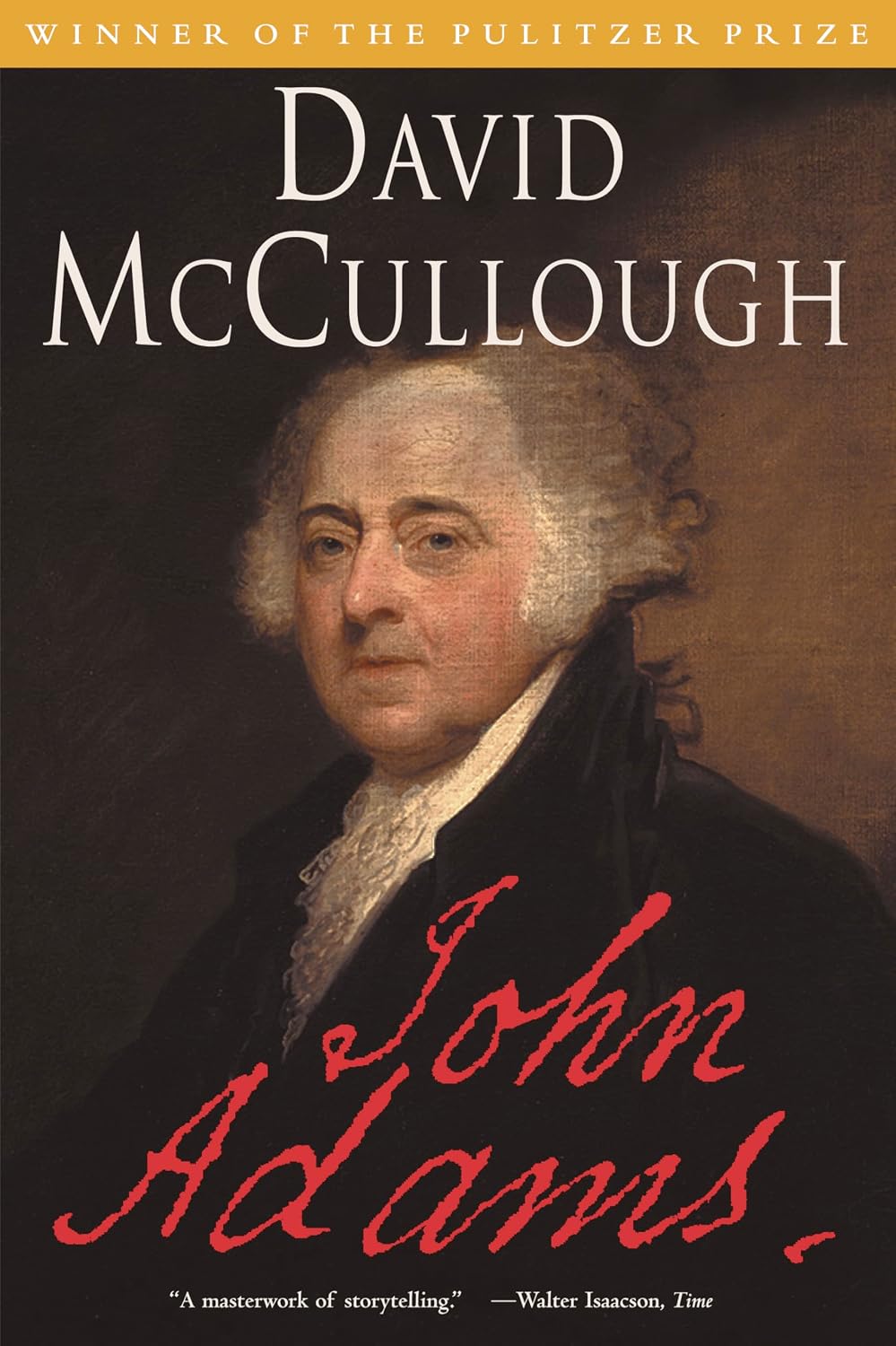
‘John Adams’
By David McCullough
Simon & Schuster, Sept. 3, 2002
Paperback, 752 pages
What arts and culture topics would you like us to cover? Please email ideas or feedback to features@epochtimes.nyc.