SEARCH


“A rose by any other name would smell as sweet.”
Sorry, Will. Not anymore.
Perhaps we should update William Shakespeare’s famous epigram by substituting a hip-hop couplet: “A rose today by any other name/ Would totally still look the same.”
Why? In the mid-20th century, rose fragrance became gone with the wind. Breeders, especially in the United States, had focused on appearance, cutting quality, strong stems, disease resistance, and color—and inadvertently bred out the powerful innate perfume this most famous of flowers was originally famous for. Blackspot, for instance, is much feared by rose gardeners, and resistance is an oft-cited characteristic in nursery catalogs. The conical teacup blossom shape is key for tea roses. Crimson red is globally iconic.
So it went … favoring these factors disfavored scent. Similar agronomic practices led to modern grocery stores stocked with flavorless vegetables and fruits; these items were bred for shipping, not taste. The average American has no idea what a ripe strawberry tastes like.
Fragrant flowers have become the endangered species of gardening. Sightless cave minnows have legions of advocates, but until recently there has been little overall hue and cry about the disappearance of floral scent. In my experience, some people avidly embrace the scent-free ethos.
“Your house smells like urine. … Do you suppose it’s that lily bouquet on the dining room table?” I’ve heard this comment when someone walks in my front door, as if a strong floral fragrance were so obnoxious that one can abandon all standards of etiquette and courtesy.
“You must like death flowers.” I’ve also heard this snarky reference to lilies’ long-standing use in funeral bouquets.
What on Earth does one say to that? I’m sticking to my massive midsummer lily bouquets, which occupy center stage on the dining room table from June 15 to the end of August.
Sea Changes Afoot
Happily, the fragrance tide is rolling back in the nursery trade.
“For centuries, breeders in the United States selected with their eyes,” said Danielle Dall’Armi Hahn, a master rosarian whose Rose Story Farm near Santa Barbara, California, is one of the largest private collections in the world—30,000 roses representing 130 varieties.
“Now the pendulum is swinging back, with a concerted effort to restore fragrance to varieties that were once known for it. Genetic science is helping—now breeders don’t have to carefully smell each rose for generations.”
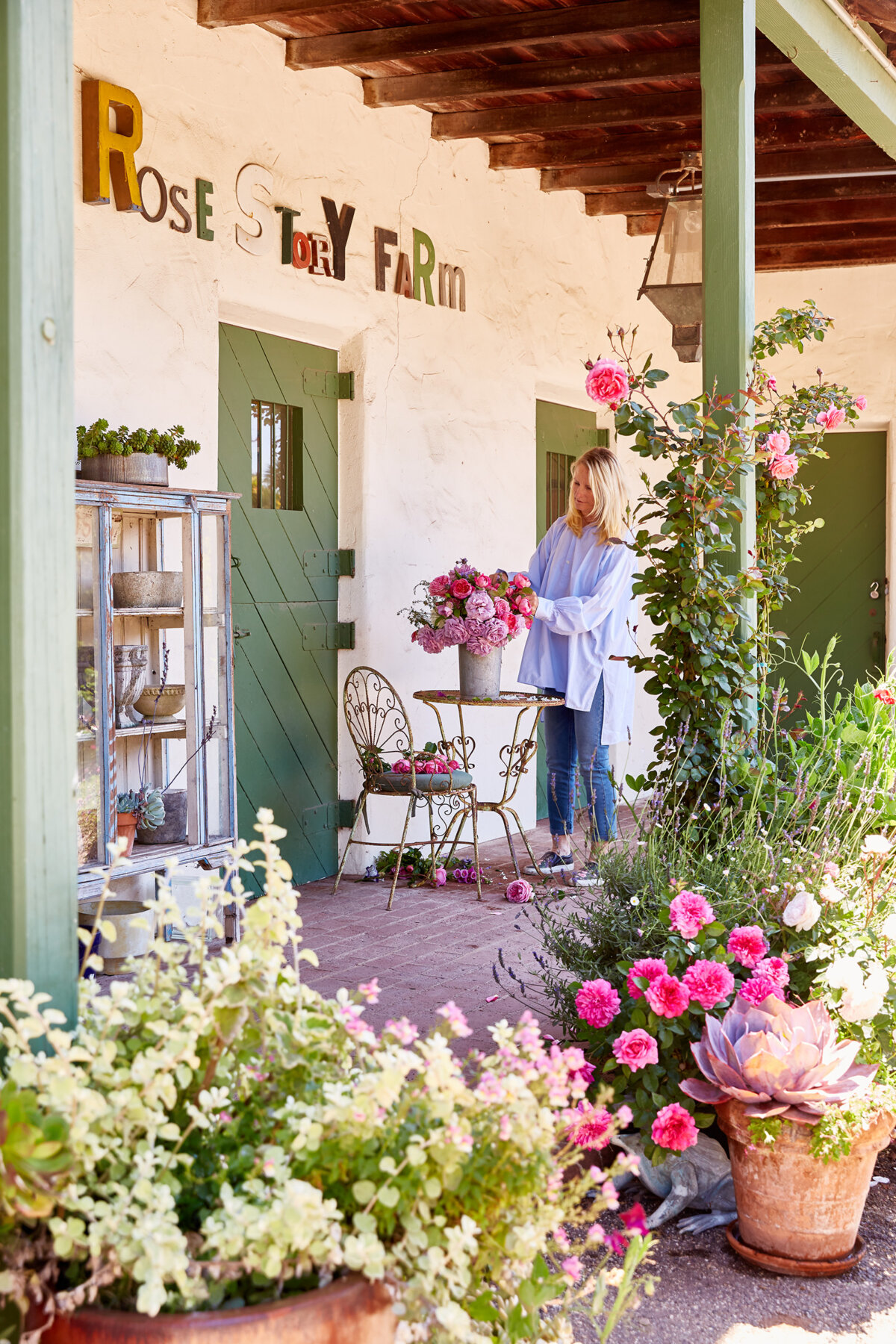
“Fragrance is the number one thing my customers look for,” said Hahn, who ships thousands of cut flowers to florists, event planners, and wholesalers across the country. “I don’t have a non-fragrant rose at my farm.”
I do at mine, alas—several old-fashioned, supposedly fragrant roses that I ordered partly for their scent. For example, a Peace rose, one of the most famous of all; mine has zero scent and I keep it just for old times’ sake. I actually removed a scentless Chrysler Imperial this past winter. My two remaining stalwarts are Double Delight and Mr. Lincoln, but their moderate fragrance pales in comparison to the wild Pacific coastal shrub roses native to my farm.
Luckily, some nurseries now take pride in their restored fragrance roses—most famously, David Austin. If you do order a rose and find it scent-poor after growing it, you should request your money back, as most nursery stock comes with satisfaction guarantees.
The Buck Doesn’t Stop at Roses
There are other flowers available to fragrance fans. If you’re plotting fragrant bouquets next year, now is the time to scour catalogs for suitable plants. Alas, very few of the reliable annuals gardeners use are fragrant: zinnias, cosmos, sunflowers, snapdragons, gladiolus, and so on. But many perennials and bulbs planted this fall or next spring will yield wonderful scented bouquets next summer and years after that.
Have I mentioned that scent is the most compelling and evocative of all the six senses? Hahn still remembers that her lifelong love affair with roses began when she was a young girl and encountered a famous yellow rose, Sutter’s Gold, in her grandmother’s garden. The fragrance lingers in her memory to this day—and in her daily life, as she has dozens of Sutter’s Gold plants in her garden.
All my selections below are for cut flower bouquets, and they have proven to be both dependable and wonderful. And if you think that my house smells funny, the door is right over there.
Roses: The world’s first major rose show took place in Victorian London in 1858, and was followed by a similar New York City show at the turn of the 20th century. Attendees—most importantly, plant nursery buyers—came to look, not smell. As fictional detectives say, follow the money: In the United States, succeeding decades of breeding for appearance resulted in largely scentless flowers.
By 1956, a famous horticultural study found that less than one-quarter of all rose varieties were still strongly fragrant. Hahn said she believes that this was inadvertent—“Nobody thinks it’s a good thing.” Focus on botanical factors that determine appearance and commercial suitability, and fragrance falls invisible by the wayside. As Hahn noted, fragrance is emitted by pores in the petals, which tend to make more delicate petals that don’t last as long in a vase—or on display in a store.
Hahn’s luscious 2023 coffee table book, “The Color of Roses,” rates 300 varieties for color, bloom size, and fragrance. Her top choices are Double Delight, Mr. Lincoln, Fragrant Cloud, a new variety called Pope John Paul, and, of course, Sutter’s Gold.
Lilies: The showiest and most glorious of these tall, regal bulb flowers are highly fragrant. Whether by happenstance or design, fragrance was never lost in the lilium world—especially because most newer lilies come from Europe, where the market strength of fragrant flowers never disappeared.
My premier, empress-of-them-all lily, for instance, is Conca d’Or, a gloriously golden and stunningly fragrant four-foot masterpiece bred in the Netherlands in the mid-1990s that is the most recent plant variety in my entire garden. It’s visually magnificent and aromatically awesome. Like most lilies, when you cut a stem just as the first two blooms open, the entire stem will go ahead and bloom, providing a bouquet that lasts two weeks or longer. No other flower is this spectacularly robust. Catalogs describe the scent as subtle, which is bollocks—the aroma fills my entire great room. I can only guess that the catalog writers are trying to fend off fragrance fright.
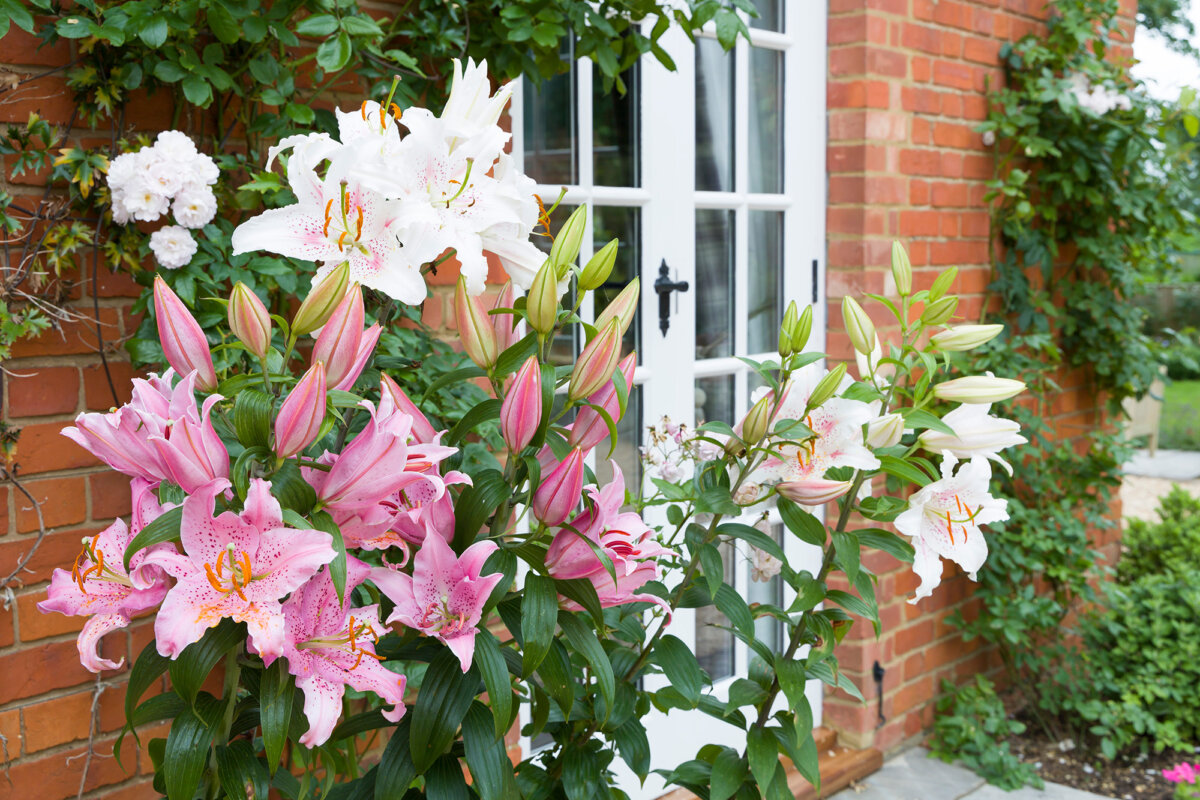
Trumpet and Oriental lilies are the most fragrant (and most spectacular), as are Orienpets, crosses between the two. Asiatic lilies, first to bloom in June, are less fragrant and have shorter stems—but look awesome in a bouquet at a time when few other flowers are at their peak except, of course, roses.
Phlox: These revered, old-fashioned American garden perennials are derived from wildflowers native to Eastern woodlands, and their spicy fragrance is delightful but not as strong or sweet as that of lilies. They range widely in color and size: blue to red, pink to purple, two to four feet tall. They’re wondrously simple to grow, require little care, expand rapidly, and do not mind if all their stems are used for bouquets. I have an entire four-by-20-foot bed devoted to phlox, and it’s an amazing sight in full bloom.
Heirloom varieties are, like most flowers, more fragrant, as modern breeders have sought stem height, vivid color, disease resistance, and so on. Reputable sources include White Flower Farm; be sure to check for fragrance when ordering.
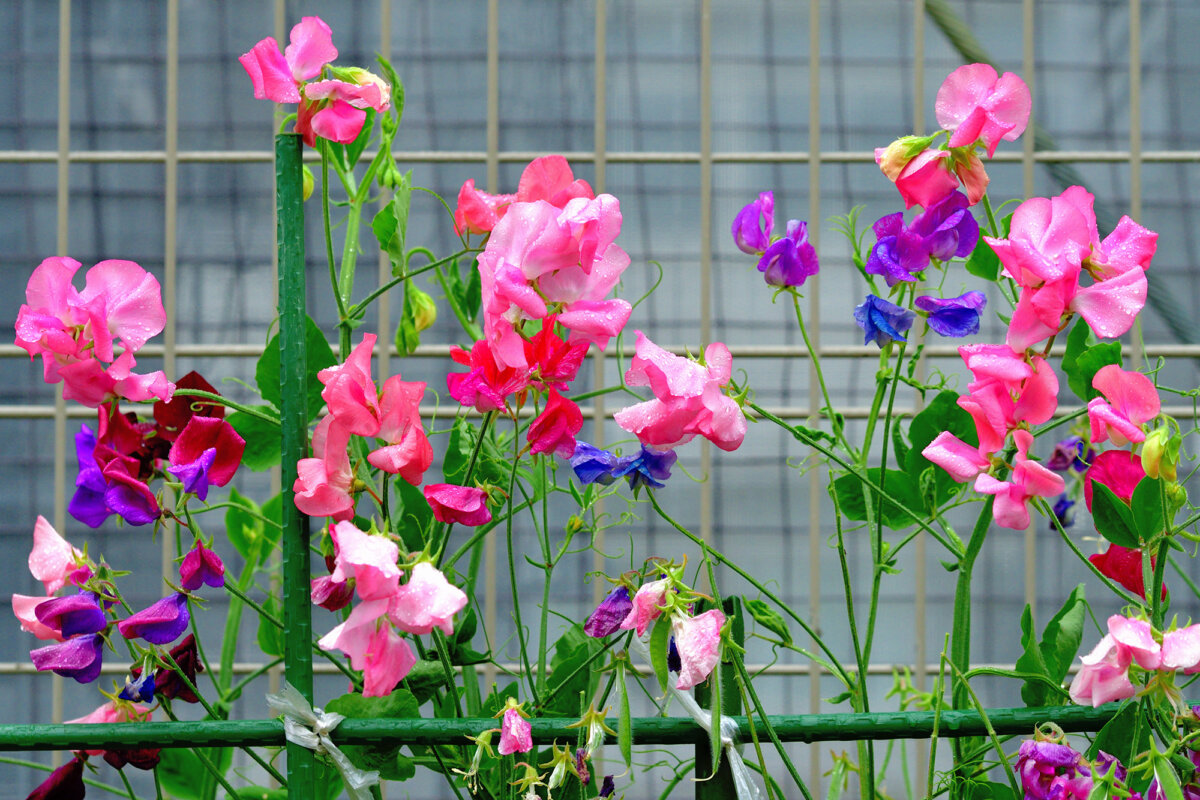
Sweet Peas: These are gloriously scented, and their showy, vivid blossoms in any medium flower vase are perfect for a side table, bathroom counter, or other spot where a massive bouquet isn’t suitable. Well-grown, the vines keep producing six- to eight-inch-tall stems from midsummer on.
But there are issues. They are peas, and notoriously subject to pests and soil diseases. Powdery mildew can be a problem from late August on. They require a tall trellis of five feet or more and they must be planted in rich, high-nitrogen soil.
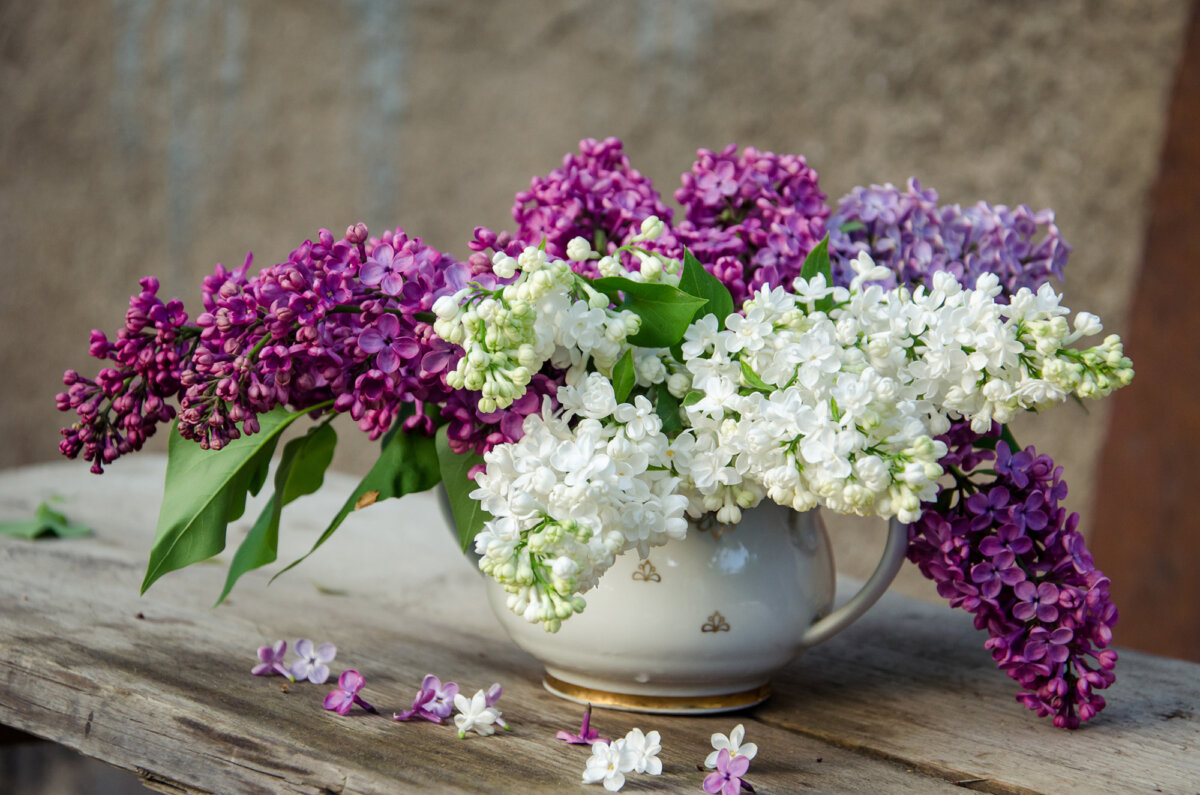
Lilacs: Once famous for their powerful spring fragrance, lilacs, like roses, have been bred recently for showy qualities. But that subdues the original spicy scent with which they arrived from the foothills of Asia centuries ago. New cultivars with vivid vermilion floral spires in profusion atop tree-like bushes—these are lanterns visible from 100 feet away, but not smell-able. Again, older varieties are best.
Other Fragrant Trees and Shrubs: Almost all temperate fruits have scented flowers. Cherries, plums, apples, pears, and more—I can stand in my orchard on a still evening in early May and breathe in the intoxicating scents that not only please the nose, but also hint at the late summer and fall bounty to come. Plums are especially lovely, with a soft, sweet, candy-like aroma.
The trouble is that hardwood branches don’t make good cut flowers. Make sure the cut is diagonal, put them in warm water, add floral preservative, recut the stems every other day—I’ve tried every gimmick possible, with modest success at best. Plum stems may last two to three days; cherries, pears, and the rest? Even less. Wonderful for a while. No fruit afterward.
Exotic Errata: Some daffodils and tulips are lightly scented. Hyacinths have a powerful fragrance, but are challenging to maintain in the home garden. Like tulips, their bulbs mysteriously disappear in a few years. They rot in damp soil, I suspect. Peonies can be fragrant, but they flop over like wet socks after a couple of days in a vase.
Mock orange, honeysuckle, and witch hazel are fragrant, but don’t last long in bouquets; the latter is a midwinter wonder in mild climates. Same for several varieties of azalea. Citrus blossoms—especially lemon—are powerfully fragrant, but blossoms on cut stems wilt quickly. One presumes you’re growing the trees for fruit, not bouquets. Gardenias, jasmine, and other semitropicals all produce fragrance, but make mediocre cut flowers. And, of course, they can only be grown in above-zero climates.
Growing fragrant flowers spurs introspection about what nature is up to. So many of the best fragrant garden flowers have been in human cultivation for centuries and are long past the point of needing fragrance to attract pollinators. While working in my corn patch the other day, I noticed that the flowers atop the stalks have a light scent—but corn is wind-pollinated.
Why so fragrant? Do pollinators visit flowers with little fragrance? Of course they do. What American child hasn’t stepped on a honeybee visiting a scentless clover blossom?
I believe that it’s because, quite simply, flowers are scented to make the world a better place. Plant them outdoors and bring their flowers indoors and you’ll see—they accomplish their mission perfectly.