SEARCH


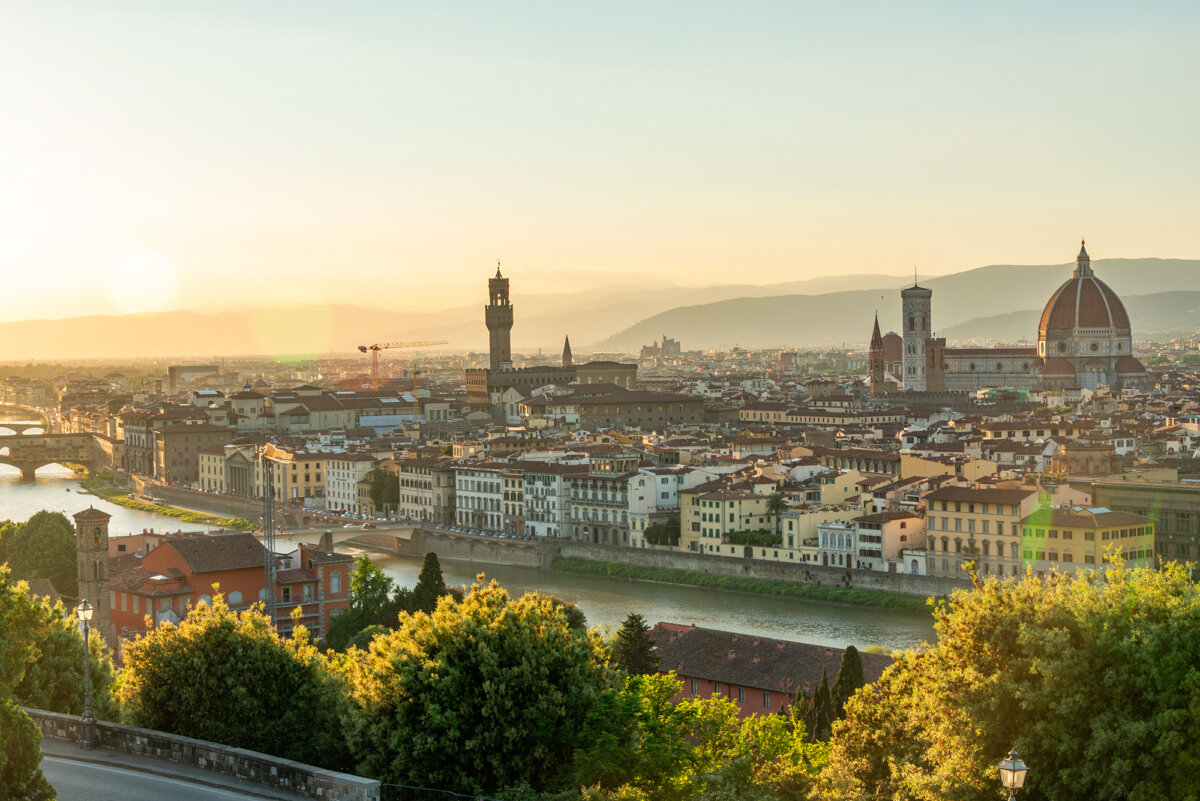
Even its name sounds lovely. Say it out loud: Florence. What comes to mind? Undoubtedly, all sorts of Tuscan treasures, a wealth of monuments, and beauty and history all around. Plus a plethora of precious and delicious things.
Today, Florence isn’t especially big or influential—it’s only the eighth-largest city in Italy. But the legacy of one family lives on here in the capital of Tuscany, where their wealth and power are still on display. (More on that below.)
Yes, Florence is busy and touristy. That’s all for a good reason. Take an extremely well-preserved historic Renaissance city center that’s been a UNESCO World Heritage Site since 1982. Add to it a number of world-class galleries and, for sure, millions of people will visit. But after several visits here myself, I can attest that this compact, magnificent place is much better when you know how to visit it. Here’s my guide.
Arrival
Florence’s main airport is not huge by any standard. It’s not even the busiest place to land or take off in Tuscany (Pisa’s airport has a heavier workload). But Florence Airport (FLR) has been the city’s primary gateway to the world since 1931.
The runways here invite flights from a lot of national hubs: Athens, Greece; Amsterdam; Madrid; Paris; Zurich; and Lisbon, Portugal, are just a few of the options. Unfortunately, nonstops from North America aren’t on the table. Your trip to the Tuscan capital will probably involve a connection on the continent.
Still, once you land, things get pretty convenient. The main terminal stands only five miles out of the city center, meaning that you can get where you’re going rather quickly, without an expensive taxi. The T2 tram is cheap and fast, rattling to the central train station in just about 20 minutes.
The Medici Family
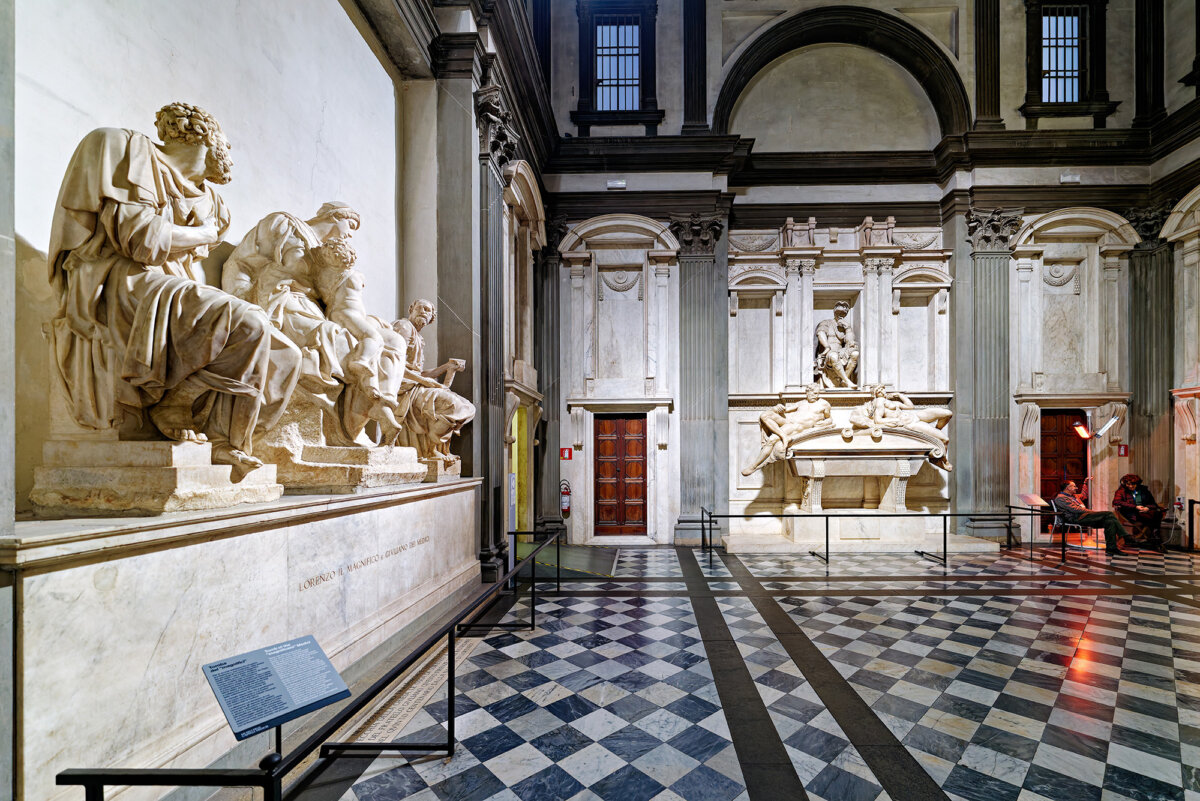
From Cosimo de’ Medici and Lorenzo “The Magnificent” in the 15th century until the family ran out of rightful heirs in 1737, the Medici were the richest, most influential family in the republic of Florence. Gaining wealth through their bank, they steadily consolidated power. Over the centuries, the Medici became popes, queens, dukes, and lords.
They made Florence the beating heart of the Italian Renaissance.
“We have all these wonderful things today because of the Medici family,” a guide told me on a recent walking tour. And indeed, a stroll around town brings treasure after treasure. It’s absolutely required to plan and book ahead for some of the most popular attractions. But my first hot tip is to just wander—this is a city that rewards meanderers with beautiful surprises.
The Duomo
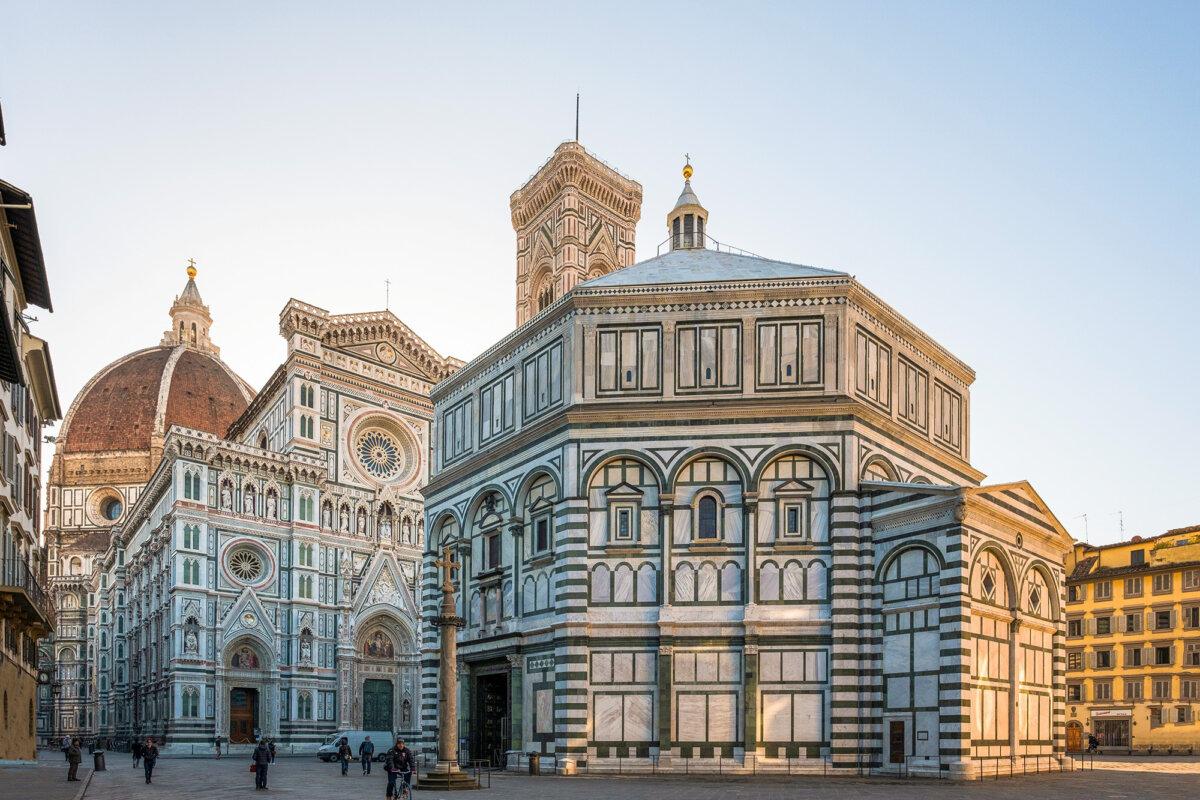
Despite the crowds, you must visit the cathedral. Even compared with the Duomo in Milan and the grand St. Peter’s at the Vatican, nothing quite stuns like Brunelleschi’s dome. Constructed in the first half of the 15th century, the terracotta-tiled dome, accented by white marble ribs, is a masterpiece of Renaissance engineering.
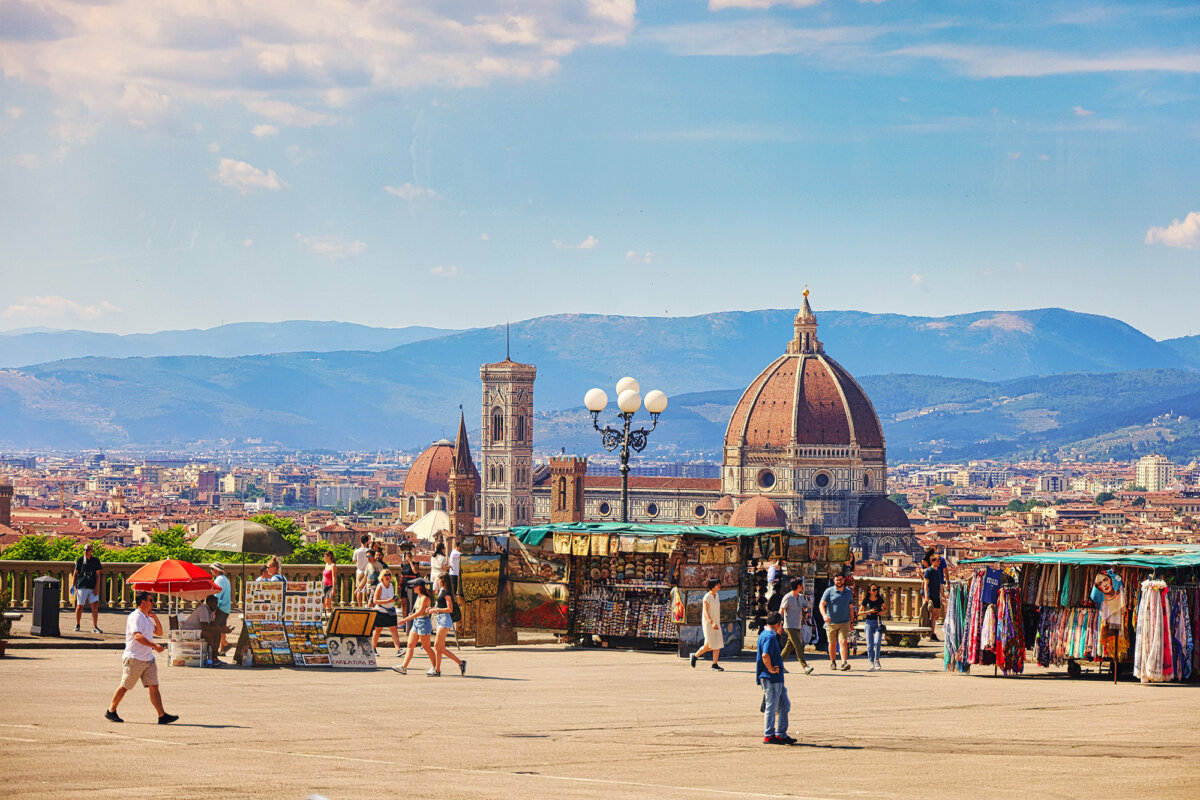
In my opinion, Florence’s cathedral is best appreciated from outside. Entrance is free of charge, but queues can stretch for an hour or even two. The lines are shortest in mid-morning and late afternoon.
Take the time to navigate around the outside and enjoy the views of the exterior. Revel in the sight of the marble facade and Giotto’s 278-foot-tall bell tower. Don’t miss Andrea Pisano’s bronze doors, which date to the 1330s.
The Uffizi and Accademia
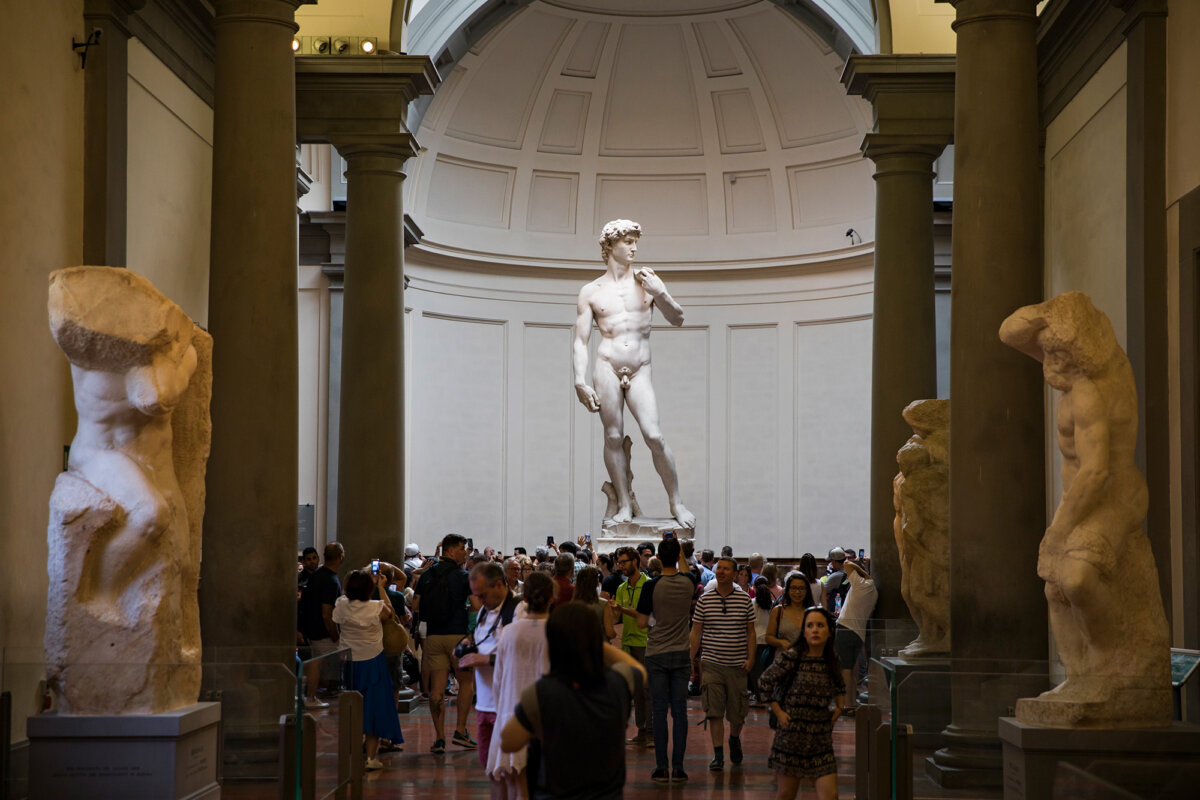
The Renaissance was, by definition, a revival of culture as Europe emerged from the Dark Ages. Some of the greatest works of art ever produced by humans were painted and sculpted during this period. A number of them, from Sandro Botticelli’s “The Birth of Venus” to Michelangelo’s “David,” are housed and displayed in one of two galleries: the Uffizi Gallery and the Accademia Gallery.
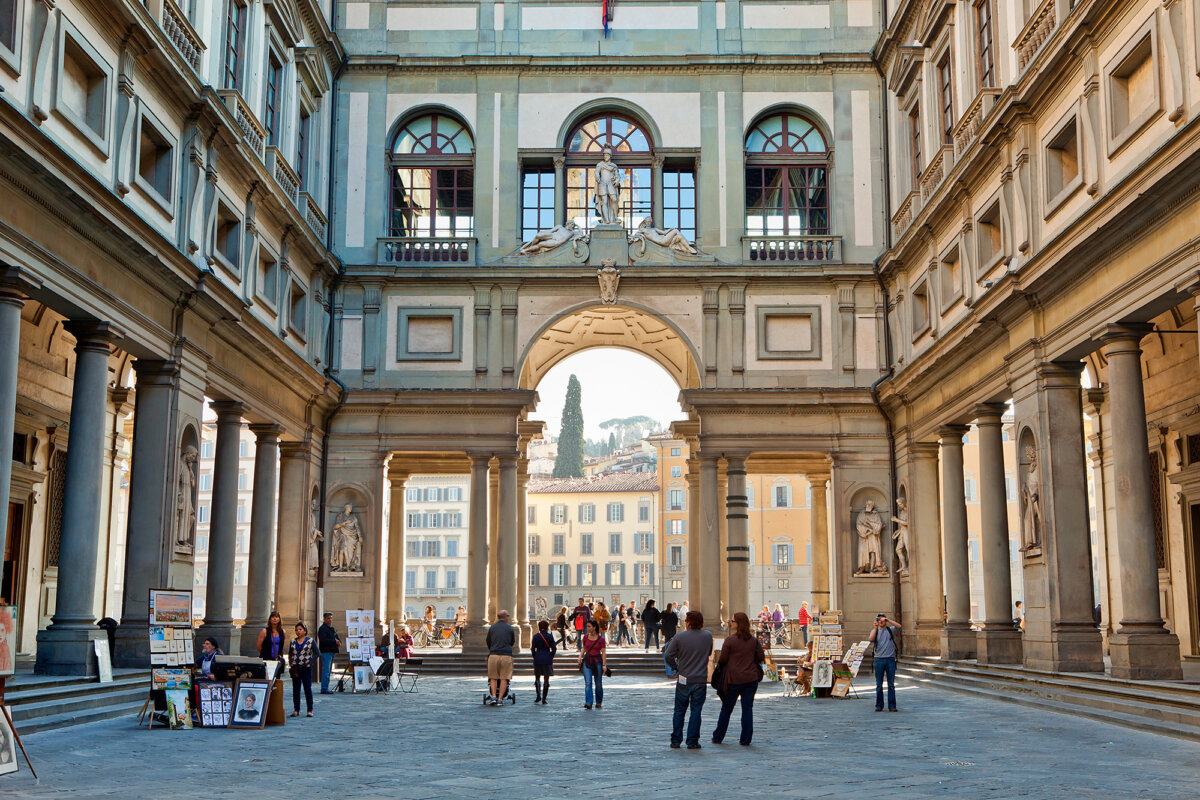
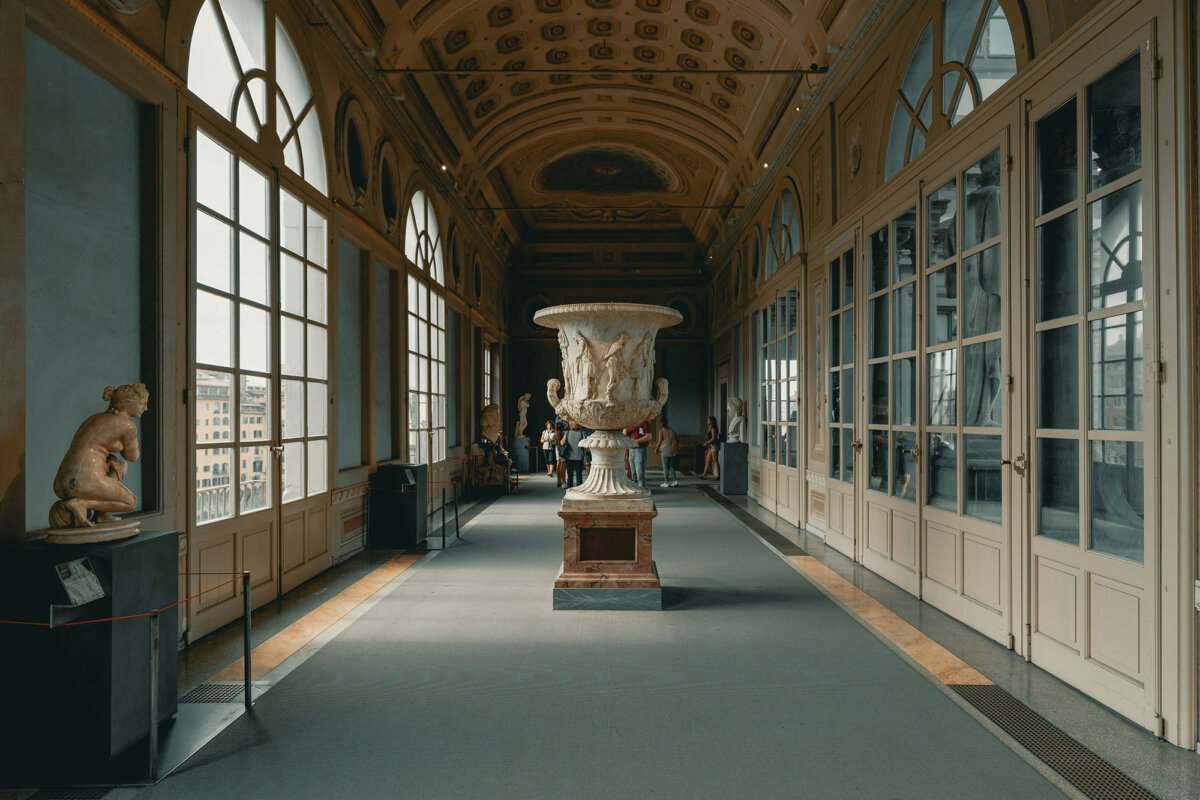
Their marvels are well-documented, so I won’t spend much time talking about them. But just note: Even for a weekday visit, off-season, be prepared to book an online ticket days or even weeks in advance. Pack a little patience before you cross the threshold. It will be busy, especially at the foot of the most famous works of art, as fellow patrons take photos and selfies. Allot enough time to enjoy these two massive galleries without getting frustrated.
If you’re looking for a photo of the statue of David, stroll over to the open-air Piazza della Signoria. You’ll find a sunny sculpture gallery that includes flowing fountains, Baccio Bandinelli’s “Hercules and Cacus,” and a very good reproduction of Michelangelo’s masterwork. He stands tall in the same spot where the original stood for hundreds of years. Trust me, when you show your non-traveler friends the photo, they’ll never know the difference.
Busy City
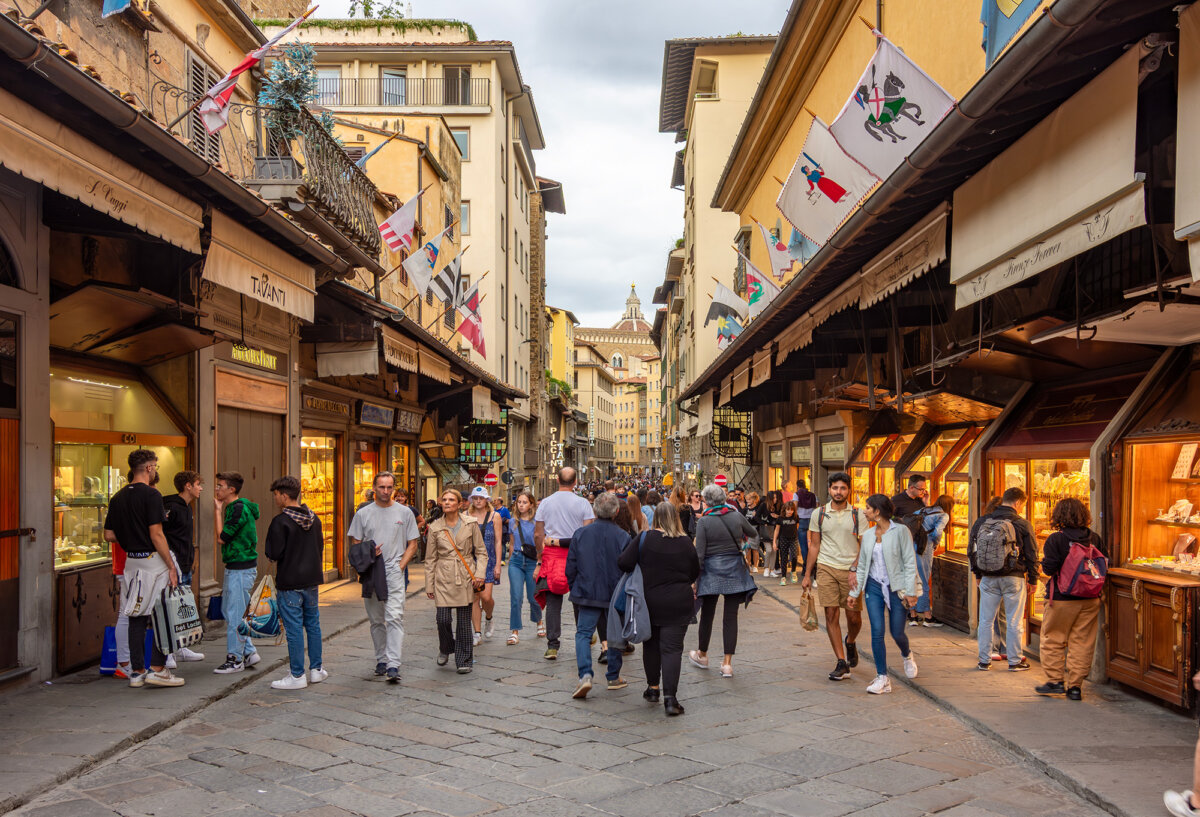
Florence is, of course, an old city, with a core built for far fewer people than currently live there. Add on all the many tourists, and the quaint little side streets and even sidewalks along main thoroughfares quickly become packed. I’ve visited during all seasons and never found it quiet. So, like at the galleries above, take your time, and try to avoid situations in which you’re in a rush. Add a few minutes to any map app arrival estimates, especially if traveling by foot.
The Negroni
The best beverages are attached to legends, and that’s certainly the case with this super-classic Italian aperitivo. Here’s how the story goes: In 1919, Count Camillo Luigi Manfredo Maria Negroni stiffened up his Americano, a very popular cocktail at the time, with gin (instead of sparkling water). When others noticed, they, too, started ordering “Negroni’s drink.” Entrepreneurial by nature, the count bottled the concoction (which also includes vermouth and Campari) and sold it around the world.
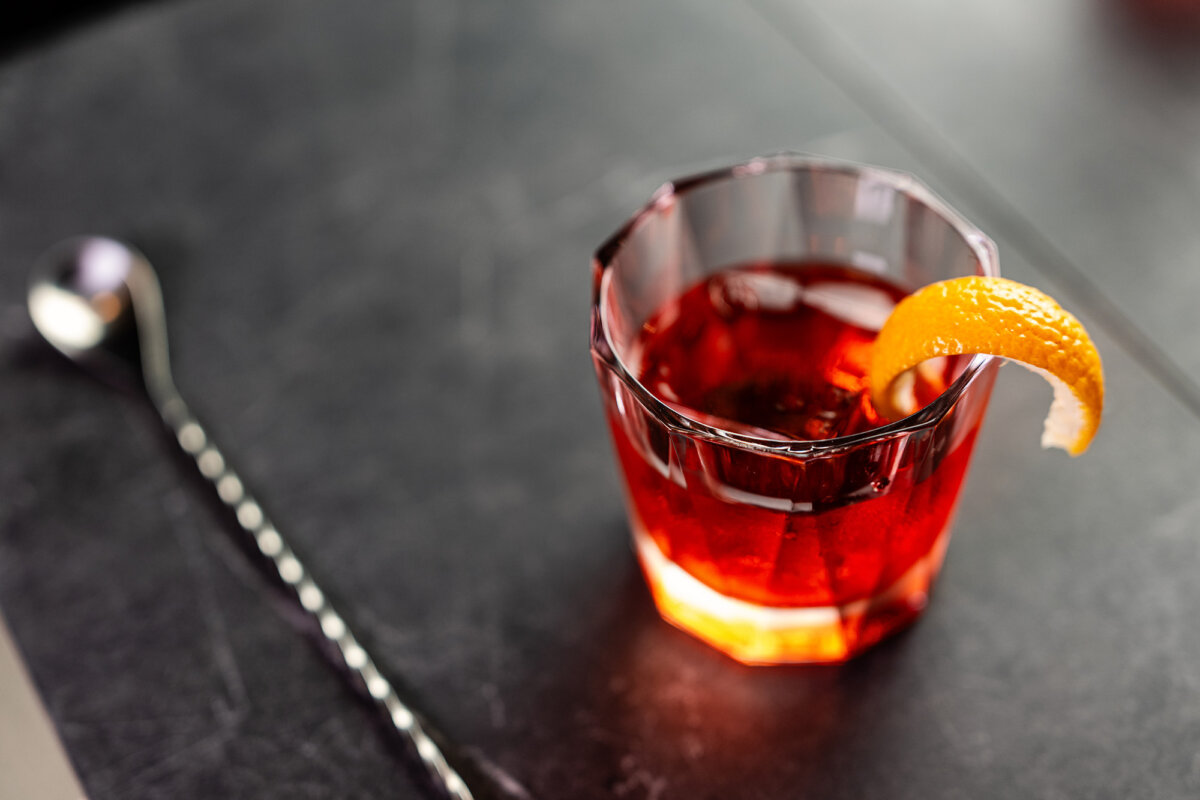
Today, you can order this strong cocktail at pretty much any bar or restaurant in Florence—and the server might have his own version of the story. The original Caffè Casoni, where Negroni added the gin, is now known as Caffè Giacosa. It feels a little like a place where you might find James Bond.
In fact, Bond sometimes ordered a Negroni when he was tired of his shaken-not-stirred martinis. As you’d expect, the bartenders at Giacosa make a mean cocktail, and you can also partake in a Negroni-tasting experience to imbibe a number of variations. If you indulge in the latter, make sure you’ve already arranged a ride home!
Ferragamo Shoe Museum
For me, shoes are mainly a conveyance. I want to look cool. But if it comes at the cost of comfort? No deal.
Fortunately for a plethora of classic Hollywood stars, the famed Salvatore Ferragamo felt the same way.
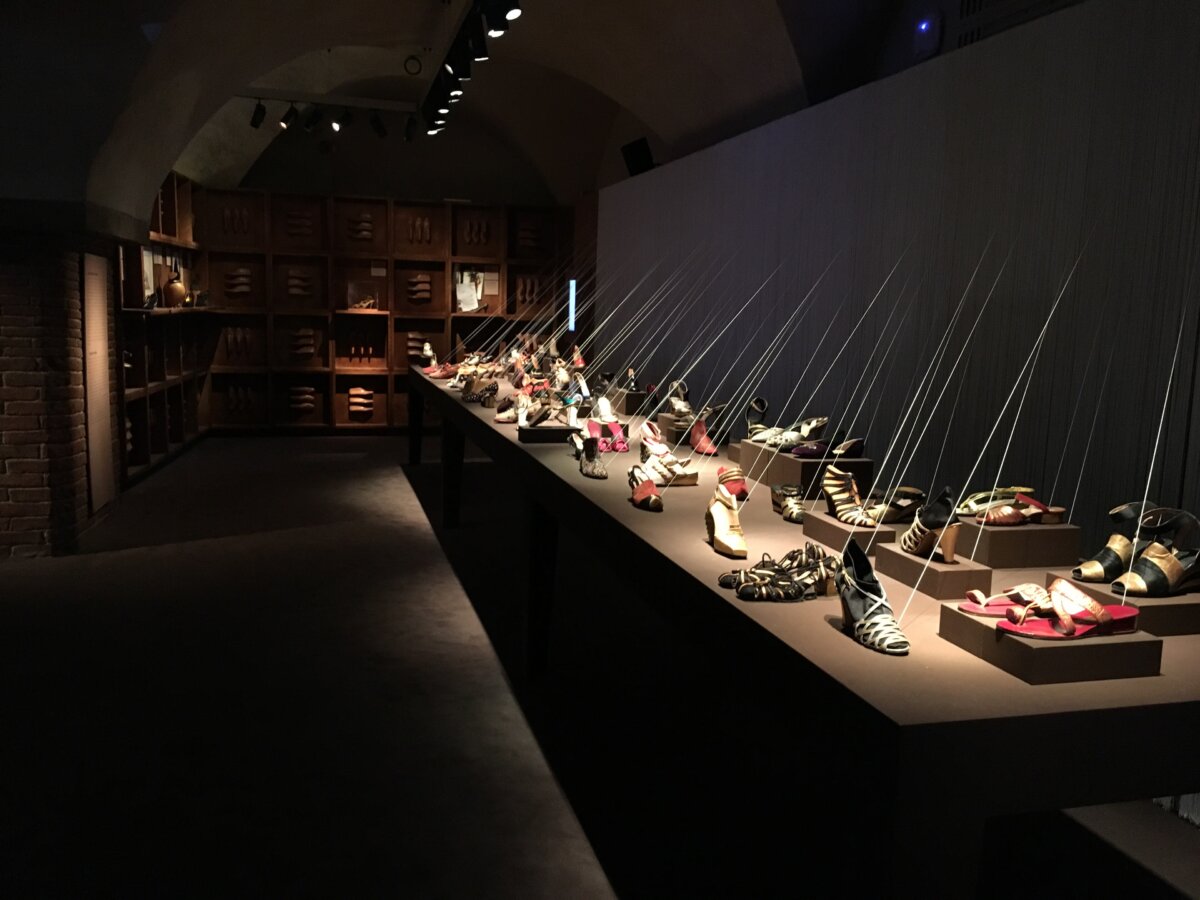
“He studied the foot,” a guide explained on a recent visit to the surprisingly fascinating footwear museum built to honor his life. The guide noted that through his research, he was able to design shoes that both looked and felt great.
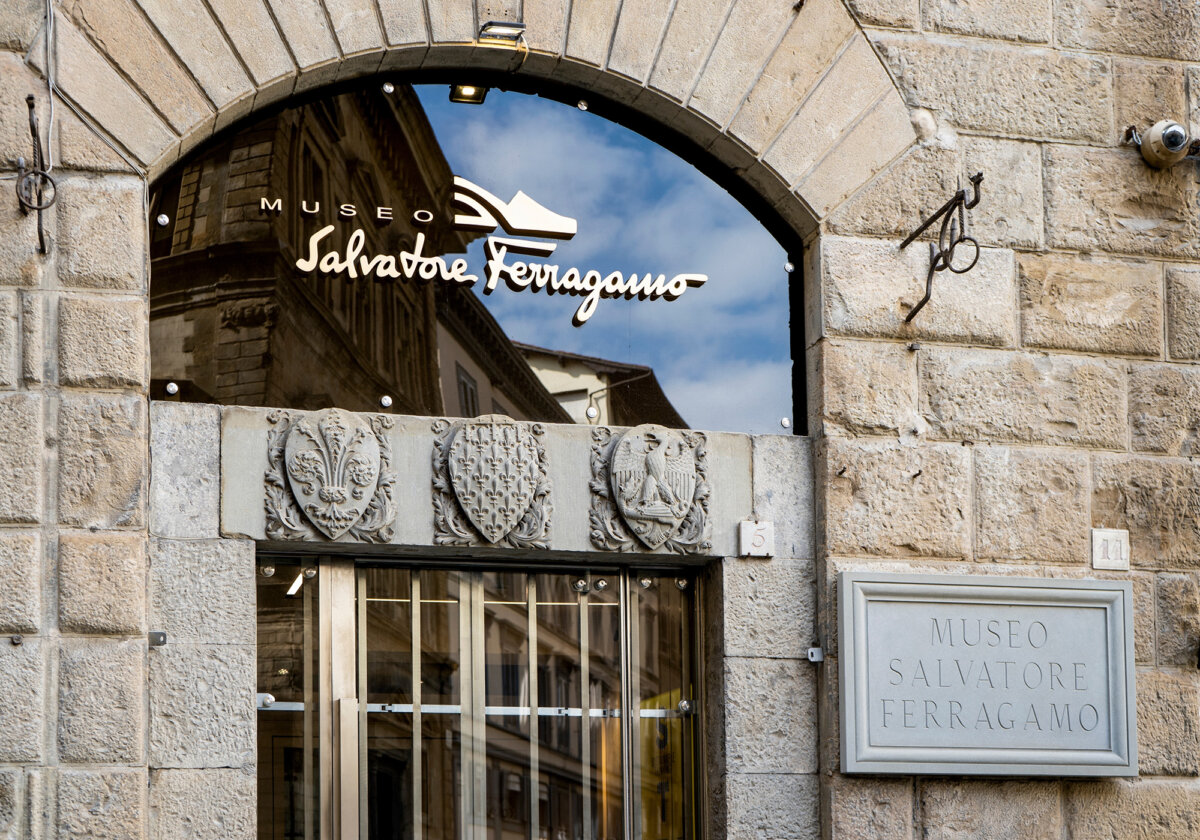
Tucked away down a flight of stairs a few steps (pun intended) from the Arno, the Museo Ferragamo traces the course of the designer’s life. Born into a large farming family and given little formal education, he made his first shoes for his sisters. He left Italy and crossed the ocean to America in 1915 on a rusty old ship in third class—“terrible,” the guide told us, waving at a black-and-white photo of the vessel.
Working hard, he taught himself to speak English. Eventually, he opened a boot shop in Hollywood. Soon enough, his shoes were appearing on screen, on the feet of everyone from Mary Pickford to Marilyn Monroe and dozens of other names you’d know. It’s a true story of a man who pulled himself up by his bootstraps. (OK, I promise, that’s the last pun.)
Ponte Vecchio by Night
Nearing 700 years old, this medieval stone span is another absolute icon of the city. It was once lined with smelly vendors such as tanners and butchers, but the Medici had them replaced with jewelers and goldsmiths in the 16th century. Fun fact: In 1565, the wealthy family installed the Vasari Corridor above the shops. This private passage meant that they could cross without rubbing elbows or shoulders with their humble vassals.
Despite the crowds, it’s worth visiting during the day because the shops close fairly early in the evening, completely changing the vibe. But, wow, what a sight it is at night. Come back after dark, and walk the narrow streets that line the river Arno. Marvel at yet another Medici treasure, the bridge all lit up and reflected in the calm waters of the river, before you head to bed.