SEARCH


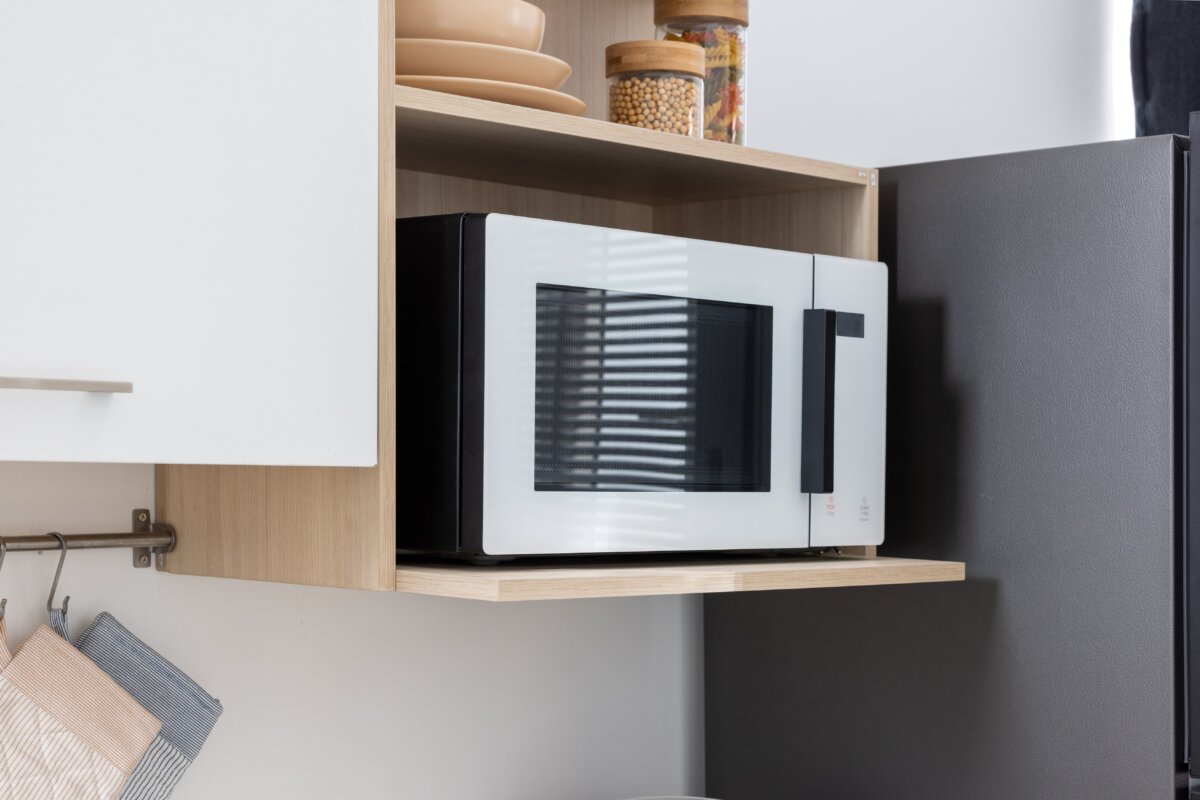
I have a theory about microwave ovens. They are equipped with a secret mechanism that causes food to explode the moment you turn your back. Spaghetti sauce, melted butter, leftover chili. Apparently, everything tastes better after it’s been launched onto the ceiling.
And the walls. And the door. And that little turntable that somehow manages to collect an entire week’s worth of culinary evidence.
The good news is that cleaning a microwave doesn’t require expensive specialty products, harsh chemicals or the upper-body strength of a professional wrestler. All you need are a few ordinary household items, a little steam and about 10 minutes.
The secret is to let moisture do the scrubbing for you.
Start with a microwave-safe bowl or measuring cup filled with one cup of water. Add two tablespoons of plain white vinegar. Place it in the microwave and heat on high for three to five minutes, depending on your oven’s wattage, until the water is steaming and the interior is foggy.
Don’t walk away and forget about it. You want steam, not a science experiment involving a boiled-dry bowl.
Once the heating stops, leave the door closed for another five minutes. This is where the magic happens. The trapped steam softens dried-on splatters, grease and mystery substances that may have been there since the Fourth of July. Which year is anybody’s guess.
Carefully open the door, keeping your face away from the escaping steam. Use oven mitts to remove the bowl if necessary. The water and container will be extremely hot.
With a soft cloth or sponge, wipe the interior walls, ceiling, floor and inside of the door. Most of the mess should come away with surprisingly little effort. For stubborn spots, dampen the cloth with the warm vinegar solution after it has cooled to a safe temperature.
No vinegar? No problem. Just plain water produces the steam that does most of the work. You can also add a couple of lemon slices to the water for a pleasant citrus scent.
For particularly stubborn, baked-on deposits, reach for baking soda.
Mix a tablespoon of baking soda with just enough water to form a soft paste. Apply it to the offending spot with a damp cloth and let it sit for several minutes. Gently rub, then wipe thoroughly with a clean, damp cloth to remove the residue.
Avoid abrasive scrubbers, steel wool and scouring powders. They can scratch or damage the microwave’s interior finish. You want to remove last Tuesday’s lasagna, not the protective coating that came with the appliance.
Next, remove the glass turntable and its roller ring, if your microwave has them. Wash both in warm, soapy water, rinse and dry completely before reinstalling. Check your owner’s manual before putting either piece in the dishwasher. And allow a hot glass turntable to cool before washing to avoid thermal shock.
While you’re at it, give the door seals and surrounding edges some attention. Food buildup in these areas can interfere with proper closing. Use a damp cloth and mild dish soap, taking care not to damage the seals or push water into openings.
For the exterior, a little dish soap diluted in warm water works beautifully. Wipe with a soft cloth, then buff dry. Spray cleaner onto the cloth rather than directly onto the control panel, vents or electronic display.
One important caution: Never use bleach, ammonia, oven cleaner or other harsh cleaning products inside your microwave unless the manufacturer specifically approves them. And never operate a microwave with a damaged door, latch or seal.
Of course, the cheapest cleaning trick of all is preventing the mess in the first place. Cover food with a microwave-safe lid or vented cover, leaving room for steam to escape. A plain microwave-safe plate works too, provided it allows venting.
And here’s my favorite habit: Give the inside a quick wipe while spills are still fresh and the oven has cooled enough to touch. Thirty seconds today can save 15 minutes of archaeological excavation next week.
A clean microwave doesn’t require a shopping trip, a specialty spray, or an afternoon of scrubbing. Just water, a little patience and the satisfaction of discovering what color the inside of your microwave was originally.
Who knew?