SEARCH


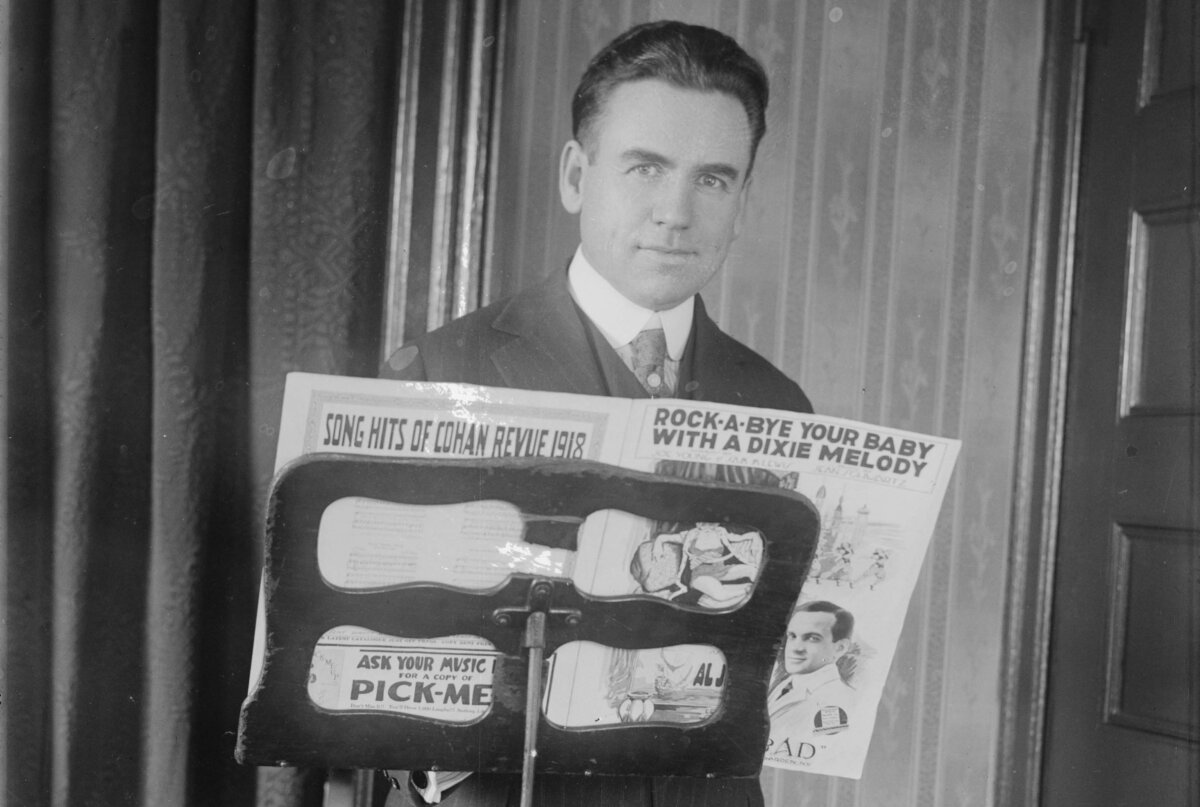
Vocalist Vernon Dalhart found himself at a musical crossroads in the early 1920s. The classically trained singer couldn’t earn a sustained livelihood with opera, and he didn’t find a home in the pop genre either.
One day in August of 1924, he visited a recording studio for a session with the Victor Talking Machine Company, which later became RCA Victor. There, he recorded “The Wreck of the Old 97,” an acoustic ballad with a real-life story.
With that session, Dalhart’s luck changed. While opera couldn’t offer him commercial success, Appalachian-inspired songs could. After the debut of “The Wreck of the Old 97” on Oct. 3, the Texas-born singer suddenly had a record-setting release on his hands and one that would clear a path for the birth of a brand-new genre.
A Surprise Sensation
In the fall of 1903, a Southern Railway mail train derailed near Danville, Virginia, causing several casualties among the crew. The accident drew national headlines, and the events were immortalized in the folk tune “The Wreck of the Old 97.”
The song was written by Frederick Jackson Lewey and Charles Weston Noell, and they set the melody to an 1865 song by Henry Clay Work, “The Ship That Never Returned.” Musician and Virginia native Henry Whitter released a version of the song in 1924 called “The Wreck of the Old 97,” and received little public response. Later that year, Dalhart gave the song a try and released his own rendition.
Dalhart’s signature version of the song features himself on the harmonica and the acoustic guitar played by another early recording artist, Carson Robison. The minimalist acoustic instrumentation is embellished by occasional sounds of a train whistle. The singer’s clear, smooth vocal delivery, a product of his training at the Dallas Conservatory of Music, helped the single appeal to a wide audience.
While folk recordings typically experienced popularity only in the southeastern region, “The Wreck of the Old 97” became a surprise nationwide sensation. It was released on a record alongside another single, “The Prisoner’s Song,” but the train ballad would be the driving force behind record-setting sales of 1 million copies.
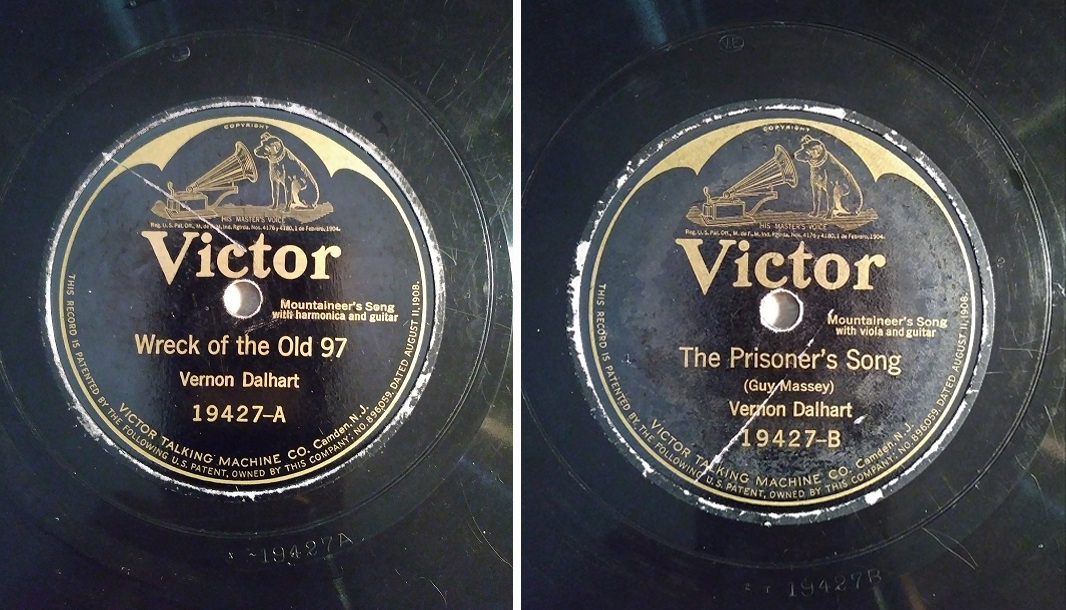
Between 1924 and 1934, a total of 7 million copies of the record, including its subsequent releases, were sold in America, proving the commercial viability of a style simply called at the time “hillbilly music.” But Dalhart’s popularity and influence would be the proving ground for the creation of an official genre.
After the success of his recording, record producers saw the marketability of Southern and Appalachian folk songs and traveled throughout America in search of talent. A few years later, in 1927, Jimmie Rodgers and the Carter Family were discovered, and the popularity of what was known as hillbilly music not only continued but grew. This foundation set by Dalhart eventually ushered in new generations of Southern musicians, from troubadours like Johnny Cash to polished singers like Patsy Cline. In only a few short decades, by the 1950s, country music as an official genre flourished.
From Hit Single to Country Standard
After Dalhart’s success with “The Wreck of the Old 97,” he began recording for other labels, including Okeh Records and Columbia Records, and he would sometimes record under pseudonyms. He would go on to release hundreds of recordings during the span of the 1920s alone and is now recognized as country music’s bestselling artist of that decade. His creative output spans more than 4,000 commercial recordings over the course of his career.
Though Dalhart’s influence on country music stretched far and wide, his background in opera and the attention he gave other genres meant that he’d remain an underrated artist. But in the 1950s, popular country musicians such as Johnny Cash and Hank Snow honored the foundational artist by covering his songs.
Today, “The Wreck of the Old 97” is considered not just country music’s first national hit but also one of its timeless standards. The narrative focus of the song would serve as the template for the earliest stars of country music, who wrote lyrical stories about everyday life, events that impacted their communities, and lessons learned along the way. The symbol of the song, the train, would become a recurring theme in the genre with various meanings, from representing freedom and exploration to dreams and adventure.
Dalhart, who was born Marion Try Slaughter II in 1883, was posthumously inducted into the Country Music Hall of Fame in 1981. The event celebrated the artist who introduced country music to a national audience and gave the genre its first big hit. The success of “The Wreck of the Old 97” is just one of the many reasons that researcher and author Jack Palmer believes Dalhart should be called the true “first star of country music.”
What arts and culture topics would you like us to cover? Please email ideas or feedback to features@epochtimes.nyc.