SEARCH


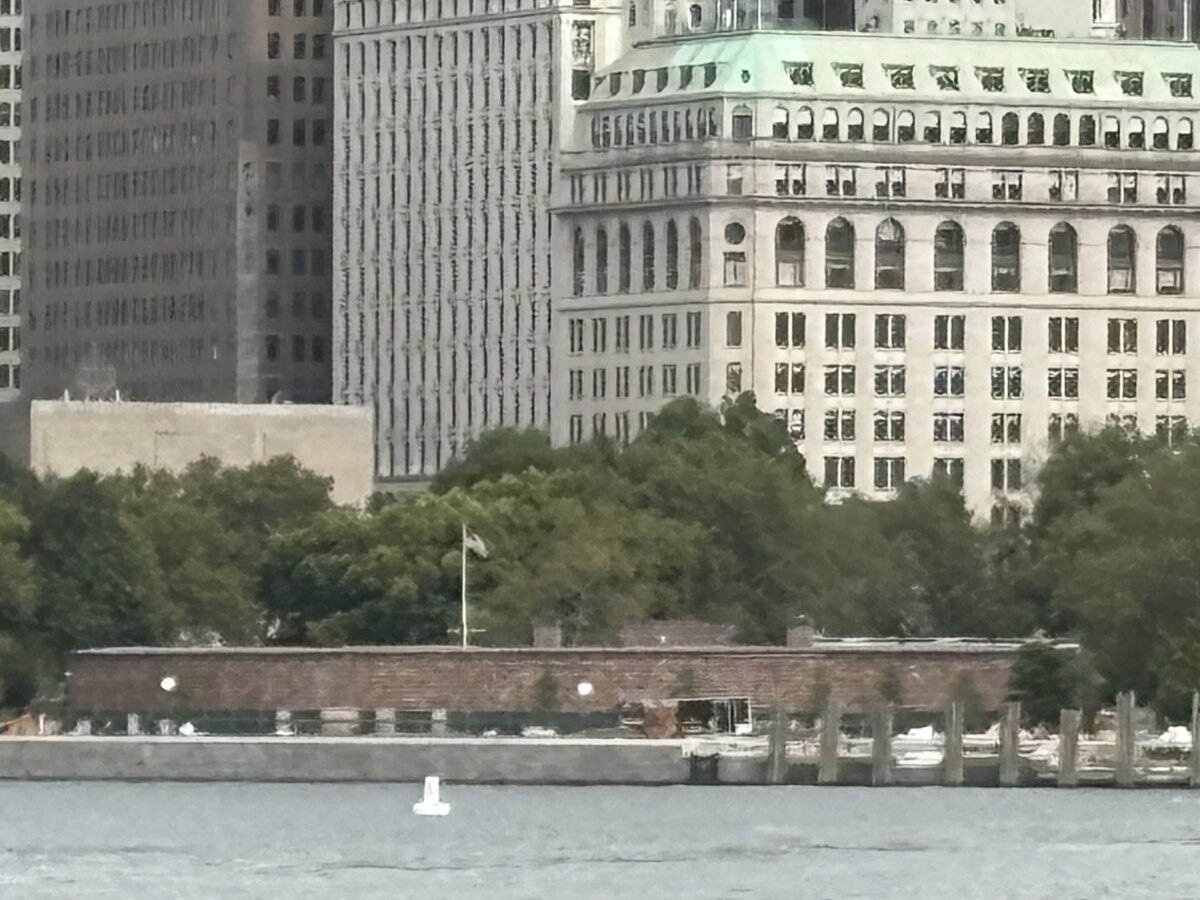
Thousands of people, both residents and visitors, converge on the southern tip of New York City—called the Battery—to take ferries heading to the Statue of Liberty and Ellis Island. Most know little about the origins of a prominent nearby fort and its varied 214-year history. In fact, Castle Clinton is often overlooked as a historically significant site. It’s one of dozens of forts originally constructed to protect the major port city.
Though other forts had been built in the 1700s before the Revolutionary War, Castle Clinton was built as trade issues with Great Britain intensified. Completed in 1811, just before the War of 1812, it was an intimidating stronghold meant to convey a message to forces entering Manhattan at the confluence of the Hudson and East rivers.
It was designed by architect John McComb Jr., with the help of consulting engineer Lt. Col. Jonathan Williams. Williams was well versed in military operations because he was the first commandant of the U.S. Military Academy at West Point. The fort was equipped with 8-foot-thick walls and outfitted with 28 cannons, none of which were ever fired against an enemy of the United States.
Originally named the Southwest Battery due to its strategic location, the fort was renamed in 1815 to honor former New York City Mayor DeWitt Clinton.
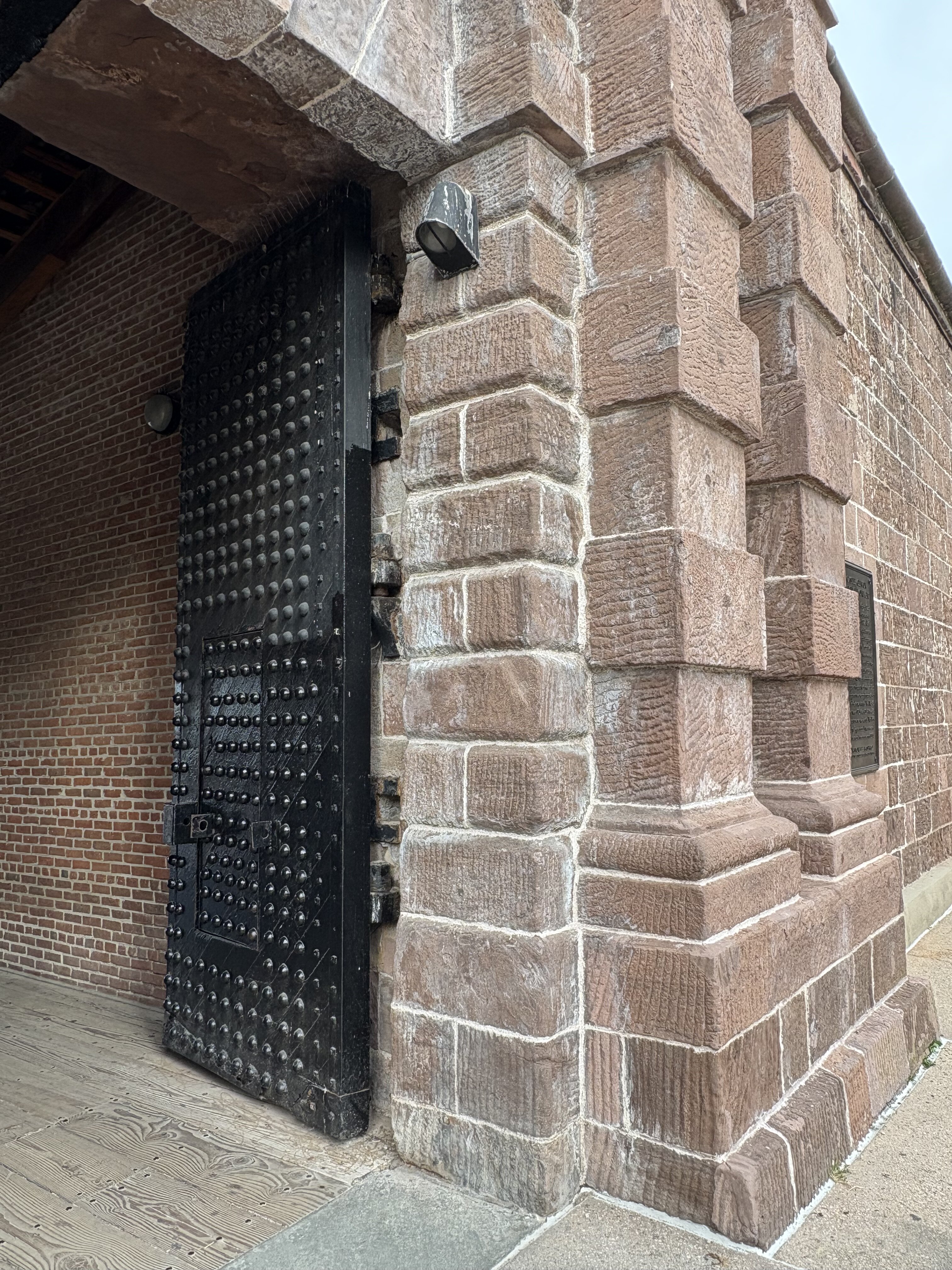 The walls of Castle Clinton are 8-feet thick, which is evident from a view of the doorways. (Deena Bouknight)
Decommissioned and Repurposed
As threats to New York City lessened, the garrison stationed at Castle Clinton relocated to nearby Governor’s Island. The fort was decommissioned in 1822. The circular fort is made of red sandstone, and it was built on a rock outcropping not far from the Battery’s shoreline. Water originally surrounded the fort.
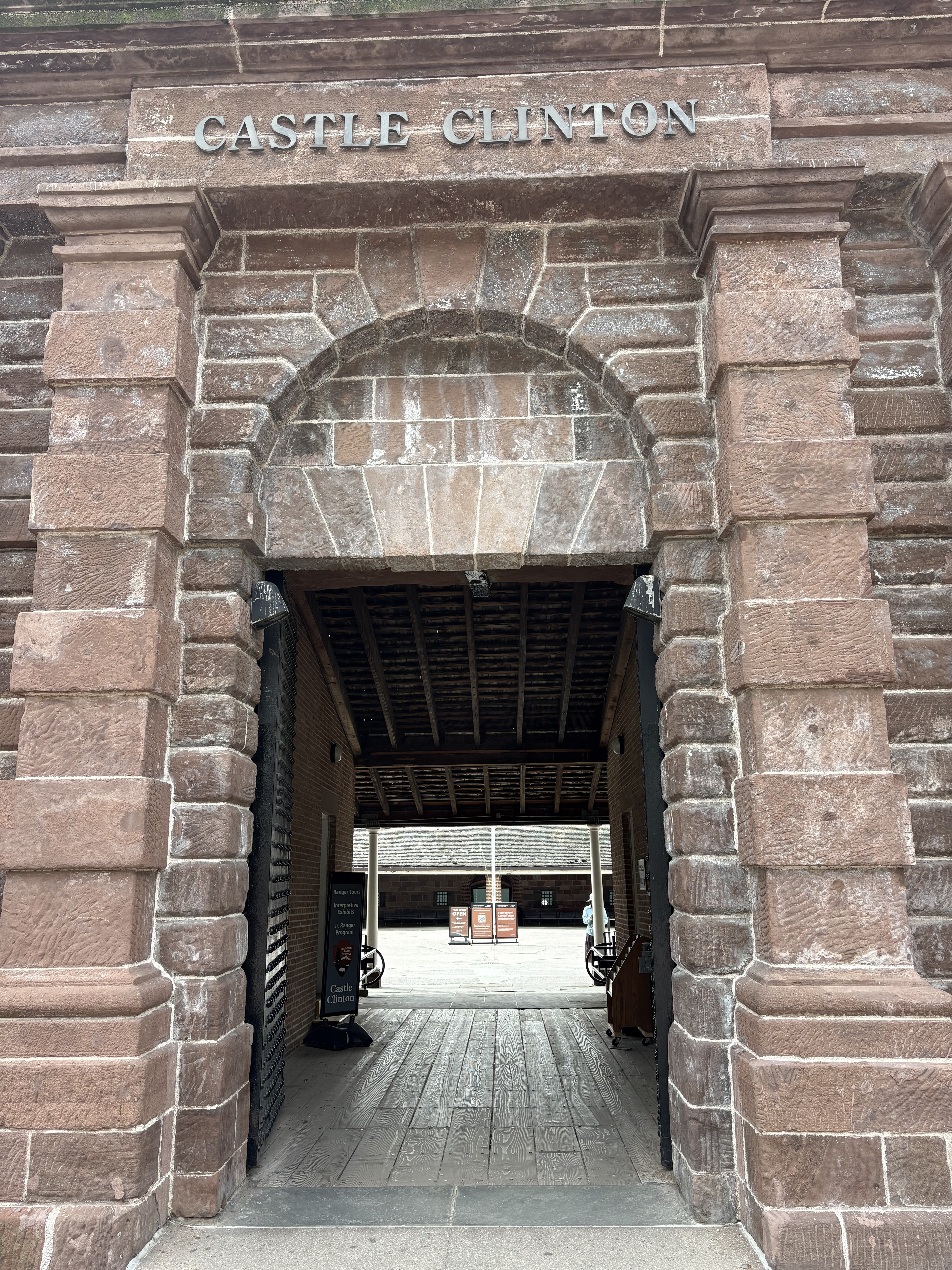 These arched doorways were some of the first American architectural aspects immigrants to America saw in the mid-19th century. (Deena Bouknight)
After the fort was decommissioned, the City of New York became the owner of Castle Clinton. Land between the water and the shoreline was filled in to create what was considered a “cultural emporium” for city dwellers and visitors alike. The fort was the anchor. From 1824 to 1854, people visiting Castle Clinton and what became the general Castle Garden could enjoy opera music, lectures, concerts, theatrical performances, and even horse shows. The fort and its surrounding park-like atmosphere attracted the likes of Revolutionary War hero Marquis de Lafayette, presidents, and Samuel F.B. Morse, who displayed his invention: the telegraph.
In the 1840s, a domed roof was added to the fortress. Then, when immigration boomed in the mid-to-late 19th century, the state of New York leased Castle Clinton to protect and process newcomers to the United States. Immigrants received lodging, information about navigating America, medical assistance, U.S. currency, and more until the federally operated inspection station on Ellis Island was constructed in 1892.
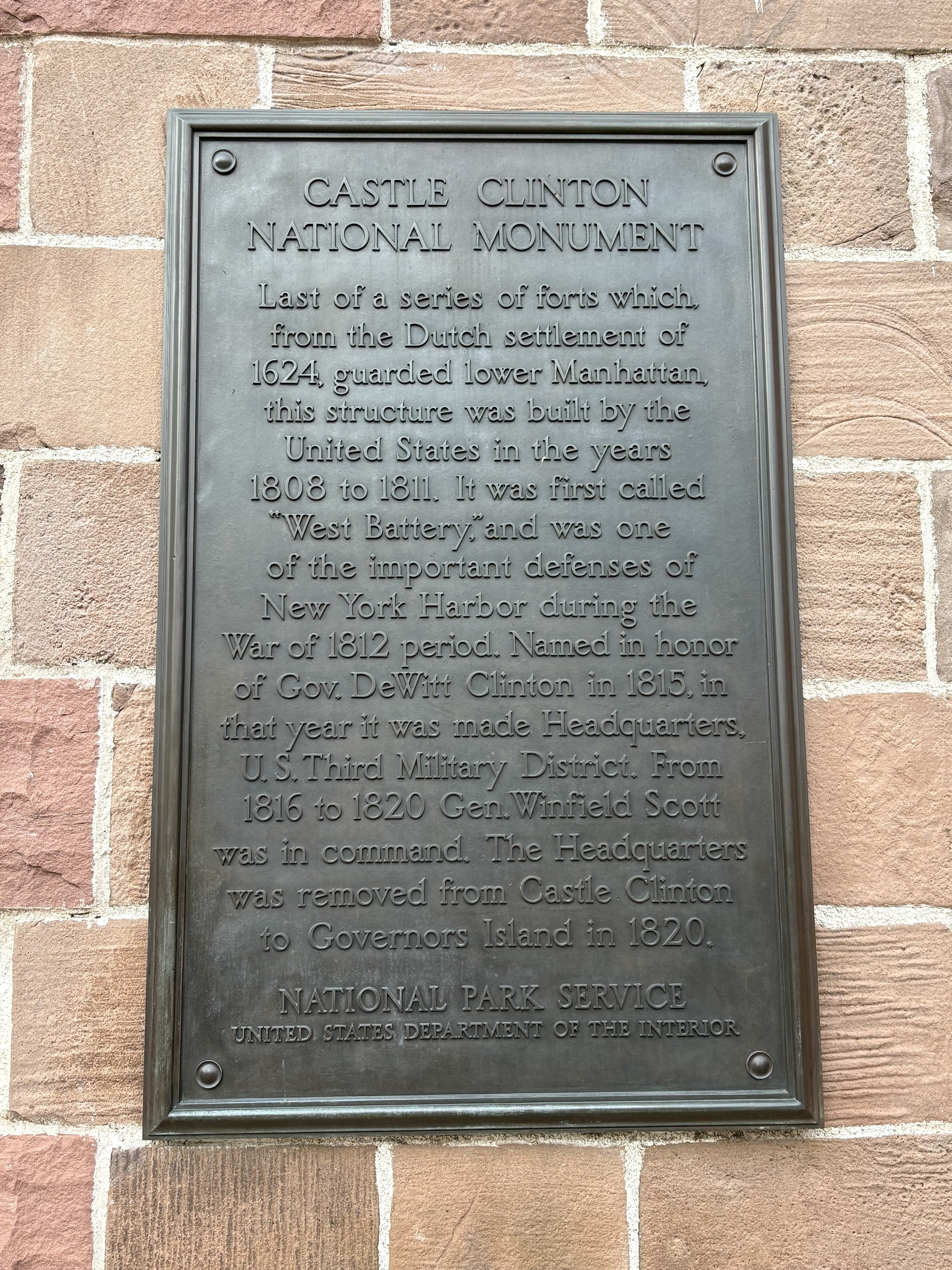 Thanks to President Harry Truman and persistent preservationists, Castle Clinton stands today. (Deena Bouknight)
Castle Clinton’s fourth life began in 1896, when it was transformed into an aquarium. It drew such large crowds that in the 1920s, the noteworthy New York City architectural firm of McKim, Mead & White was tasked with adding additional exhibit space. For almost 50 years, the New York City Aquarium was considered one of the city’s most popular attractions. Visitors numbered over 2 million each year—including schoolchildren, who participated in teaching programs. Sharks, eels, harbor seals, and seahorses were among the exhibits.
Castle Clinton was almost lost to history in 1941, when the aquarium had to close because of construction of the Brooklyn-Battery tunnel. Urban developers pushed for the fort to be demolished, saying it was antiquated and had served enough purposes. However, many New Yorkers protested in the form of “public information, campaigns, and lawsuits,” according to the National Park Service (NPS). So, in 1946, Castle Clinton was classified a National Monument under the jurisdiction of NPS.
In 1972, the fort underwent a preservation process to restore it to its original structure as much as possible. The restored fort opened in 1975 under the official designation of Castle Clinton National Monument. Since then, it has been open to the public primarily to house the Statue of Liberty & Ellis Island ticket sales office.
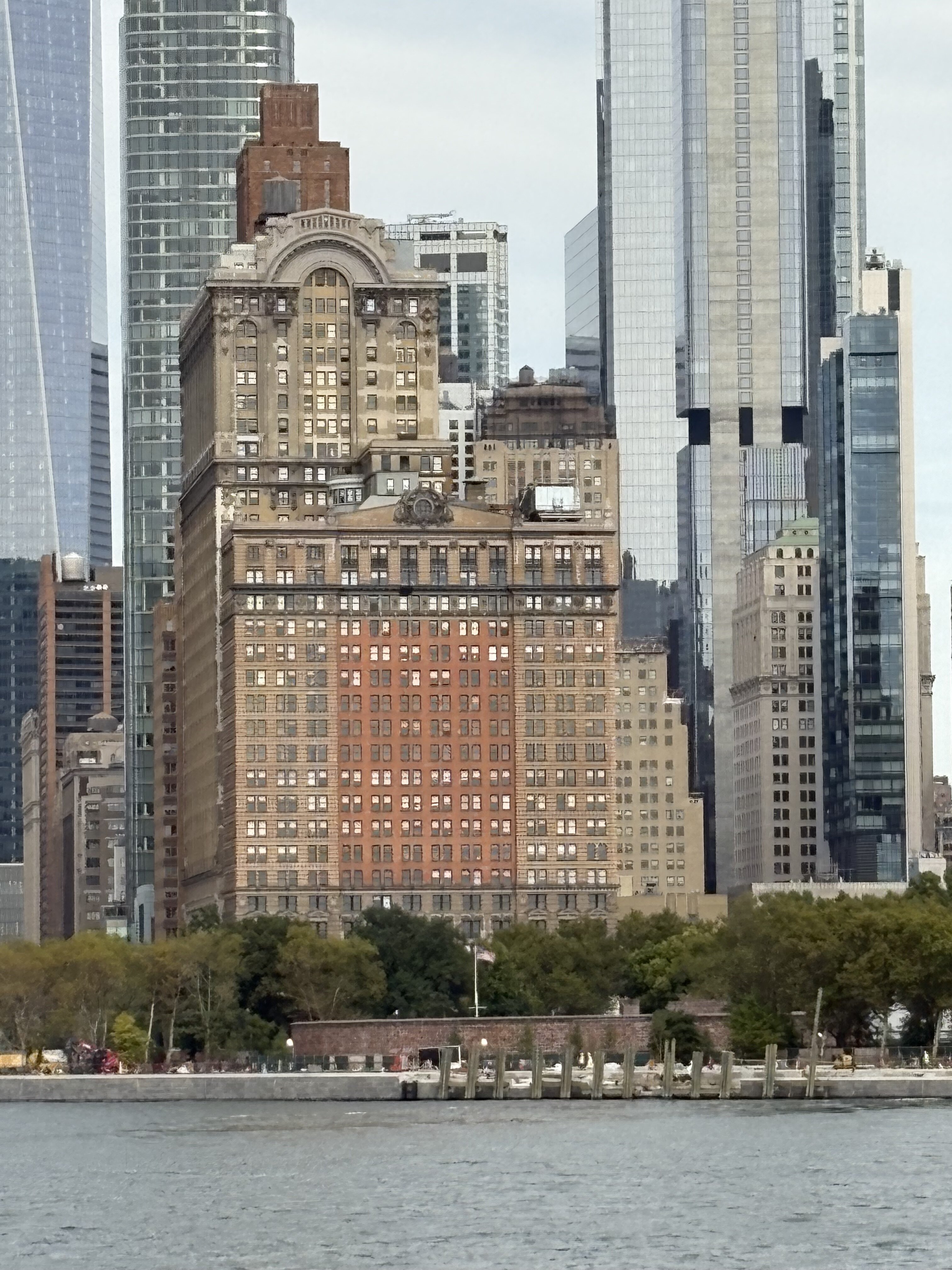 Tall skyscrapers surround Castle Clinton. (Deena Bouknight)
However, anyone entering its wide, castle-like, fortified entrance will benefit by setting aside time to walk the grounds, observe the quality construction, and peruse the museum. Exhibits present the history of how New York City was established from the Battery northward. Rangers lead regular talks and guided tours for individuals wanting to truly delve into Castle Clinton’s history.
Finally, Castle Clinton is worth paying attention to when traveling by ferry in the New York Harbor. From the water, spend a few moments viewing the expansive structure, now dwarfed by modern and Gilded Age high rises. Castle Clinton is historically relevant for the purpose it was originally intended, as well as for the many ways it has served—and continues to serve—New York City.
What arts and culture topics would you like us to cover? Please email ideas or feedback to features@epochtimes.nyc