SEARCH


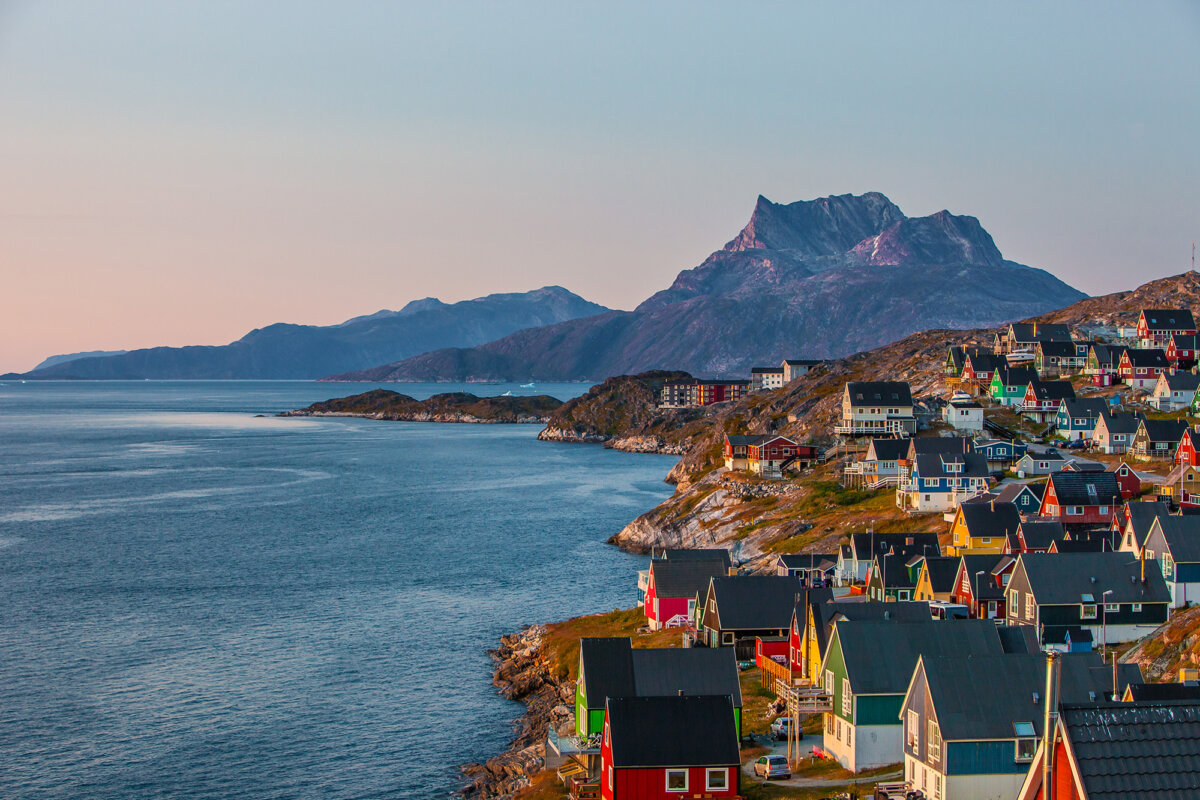
You may have heard the question before. Is Greenland really icy and is Iceland actually green? Well, the answer is yes—and no. It really depends on a few things, especially exact location.
But one thing’s for sure: Greenland, the world’s largest island, is an Arctic wonderland. It’s just emerging now as a major destination for travelers. A new airport in the capital of Nuuk is connected to Newark Liberty International Airport in New Jersey with regularly scheduled flights, and more cruise ships are arriving every year. That means that this remote and once largely inaccessible place is receiving record numbers of tourists.
I’ve visited a half-dozen times, and I’ll tell you firsthand: Greenland (called “Kalaallit Nunaat” in Greenlandic) is simultaneously spectacular, salubrious, and utterly forbidding. And it is actually green, at least in places, particularly along the southwest coast in the summer. In this corner of the country, a warmer ocean current from the south creates emerald fields and thickets of birch, ash, and alder.
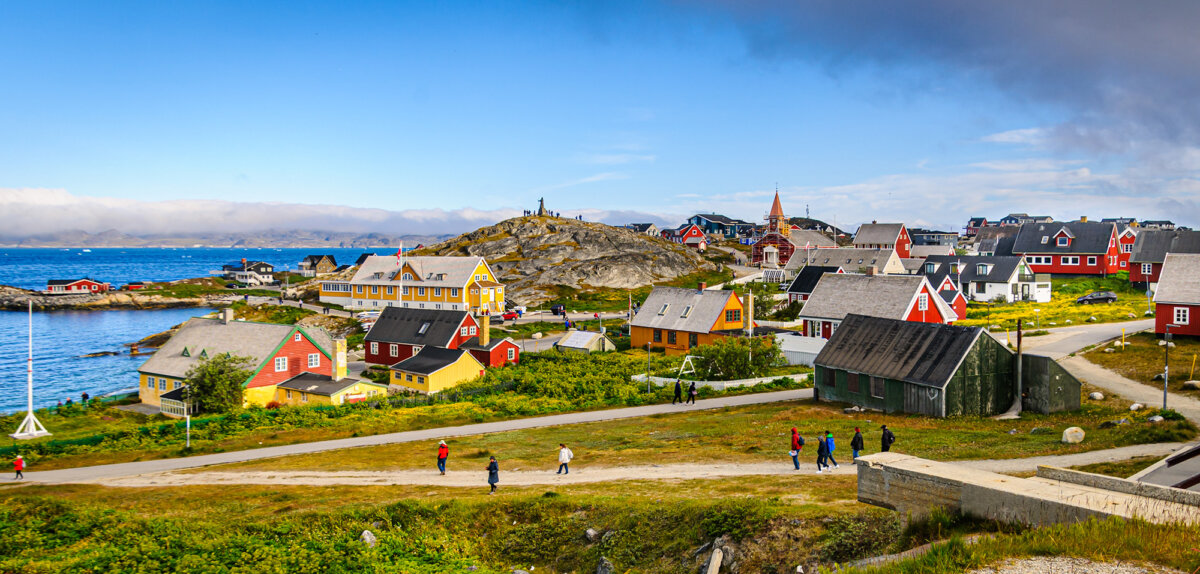
But to answer the question more accurately, most of Greenland is covered in ice and snow. The frosty coasts are lined with seemingly endless white-capped peaks, many of them unnamed even today. Inland, the most massive ice cap in the Northern Hemisphere covers about 80 percent of the ground area. Its dimensions are utterly staggering, running 1,800 miles long and measuring almost two miles deep at its thickest. The Greenland Ice Sheet is 660,000 square miles in total.
Greenland is a land of whales, seals, walruses, and polar bears, and it has a cultural mix that enchants almost as much as its natural beauty. In a place where the history is this long, it can get complicated. The first humans set foot on this icy island some 4,500 years ago. They crossed a frozen strait from what’s now Canada, followed by at least six waves of Inuit who migrated east, across the Arctic, to settle here. Modern politics get complicated because of the Vikings—more on that in a minute.
King of Ice and Sea
Home to fewer than 60,000 people, about 90 percent of them indigenous, Greenland is a self-governing, autonomous country. But it is also a parliamentary democracy within the Kingdom of Denmark, which makes King Frederik X, the Danish monarch, the head of state.
Denmark maintains a number of responsibilities, including handling Greenland’s foreign affairs and international security. It also provides significant financial support. Greenlandic people hold Danish passports and are full citizens of the Nordic nation. They also use the Danish krone (or crown) as their currency.
Greenland established its own home rule and parliament, called the Inatsisartut, in 1979. Full independence remains a priority for all major parties, as well as for the majority of Greenlanders. The process would involve negotiations with Denmark and a Greenlandic referendum. Many observers believe that it will happen, but when? That’s the question.
The reason the Danes are involved at all in a far-flung land some 1,800 miles away from their shores (at the closest) relates in part to the infamous Viking Erik the Red. Born in Norway and banished in 982, he sailed here to attempt to establish settlements. That’s where the whole “green” in Greenland thing started. Attempting to attract as many recruits as possible, he sought to make his cold and windswept colony sound as desirable as possible. It didn’t work.
Erik the Red died there, and the Norse slowly left. The last departed in the 1400s. But Scandinavia wasn’t done with Greenland. Not yet.
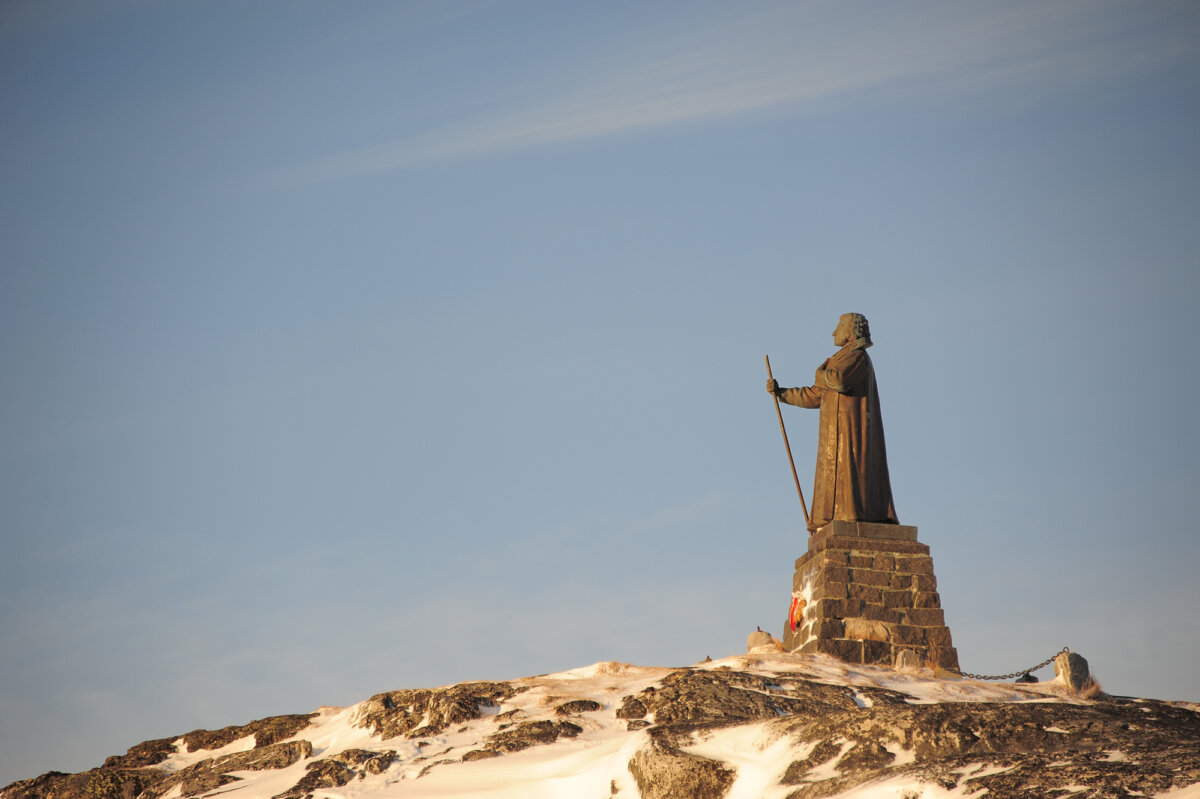
A Danish Norwegian priest named Hans Egede arrived here in 1721 to convert the Inuit residents and establish missions. His statue still occupies a promontory by the sea overlooking Nuuk, near the city’s most prominent Lutheran church. On a walking tour I took on a recent visit, a young guide noted that it is now a controversial monument.
Norwegian Danish colonization ensued, and Greenland remained a colony until it was made a full constituency of Denmark in 1953.
The Island’s Allure
Today, this cultural mix makes Greenland unlike any other place on earth. Traditions honored for thousands of years, including drum dancing and throat singing, are still celebrated. Hunting and fishing still form a vital part of the food supply. You can find seal alongside salmon in the supermarkets.
But it is modern, too. Nuuk even has a very nice shopping mall, plus a cinema and pubs where locally brewed beer is made with water from the polar ice cap. (The Greenland National Museum and Archives, home to 15th-century mummies and the world’s oldest skin boat, is also a highlight.) Some 91 percent of the population has access to the rest of the world through high-speed communications.
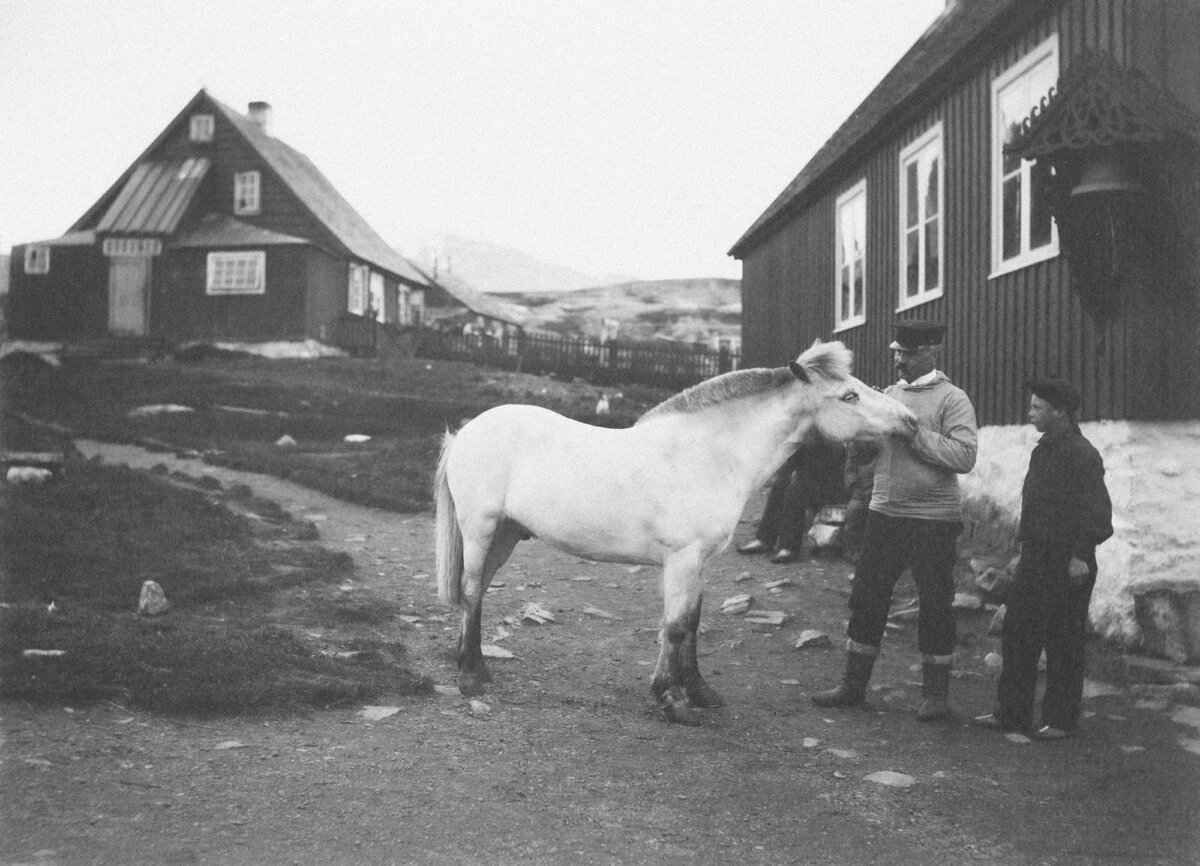
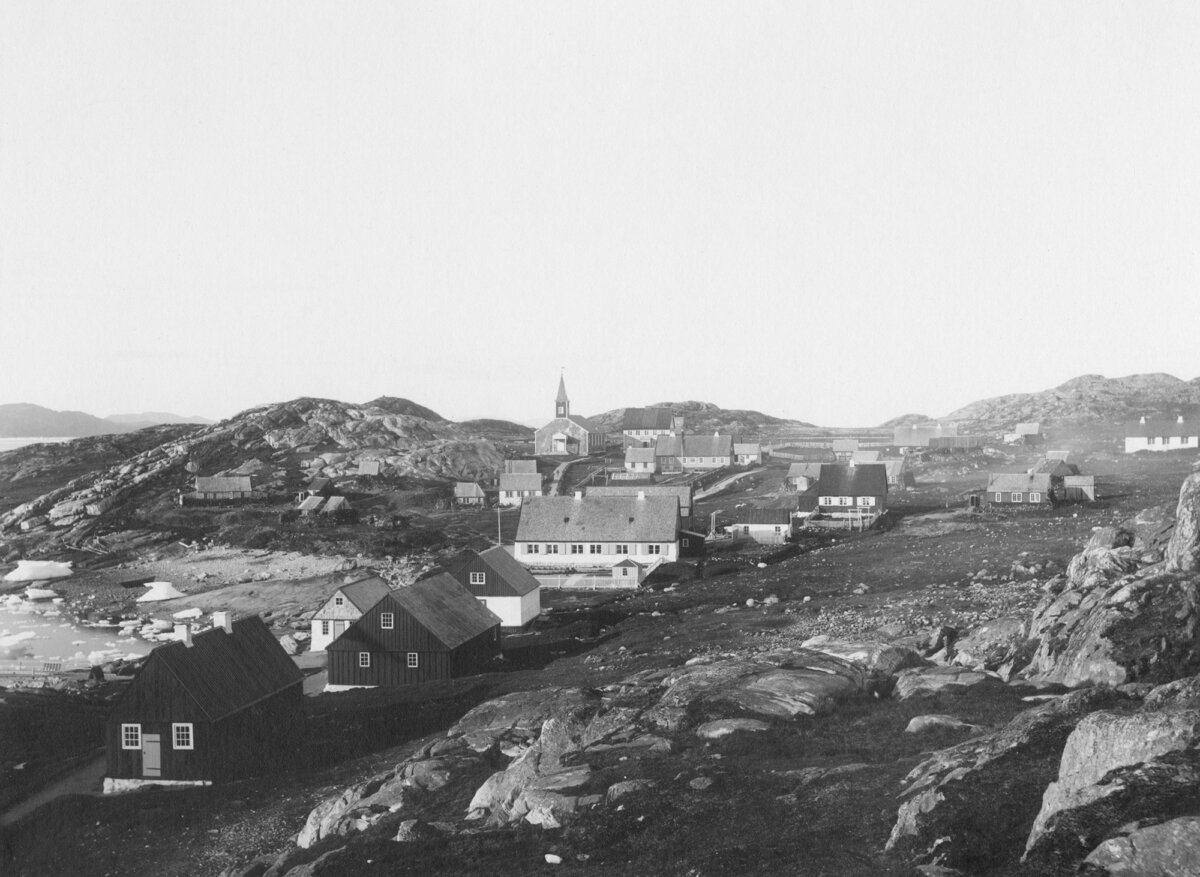
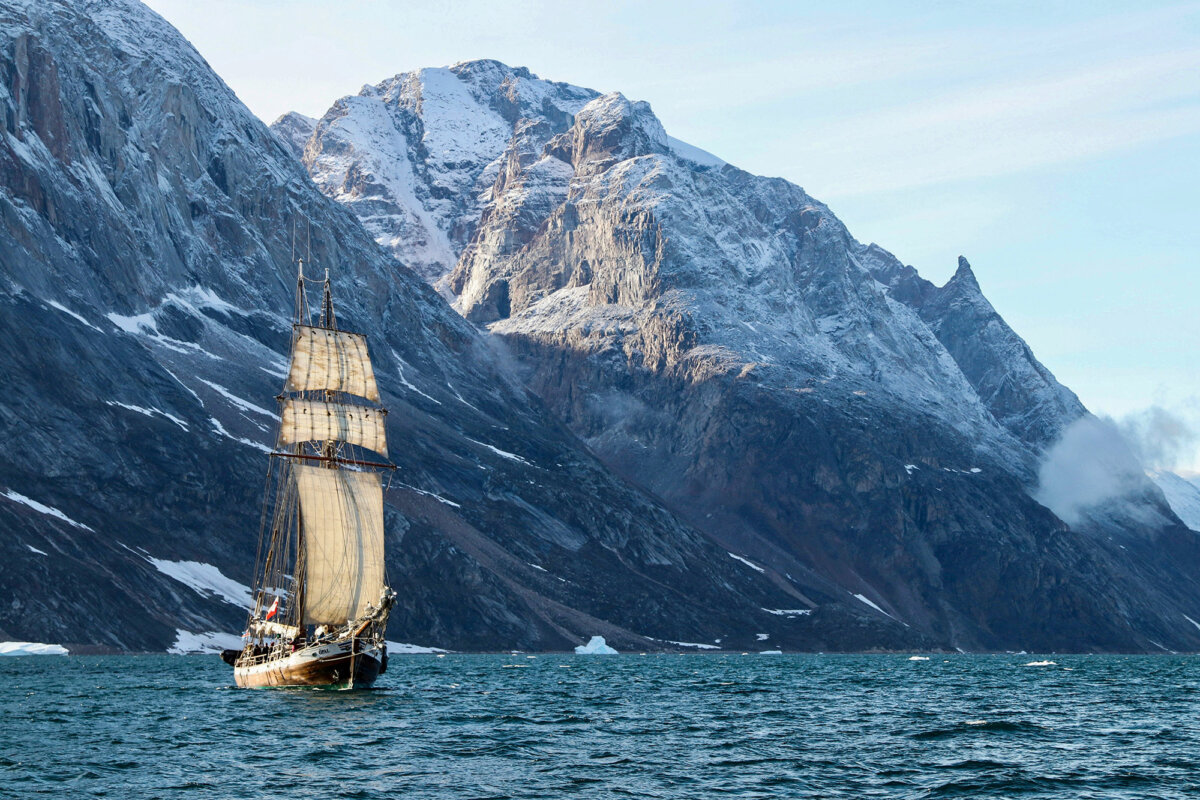
So whether you fly into that glassy, brand-new airport or sail there on a ship—just go. Put Greenland, where centuries and cultures mix to create marvelous combinations, on the top of your travel list. On my visits, I’ve dogsledded into the northernmost village in east Greenland and landed on the ice cap in a helicopter, getting just a small idea of its total scale. I’ve completed the easy hike to the famous fjord in Ilulissat, where so many of the world’s icebergs are made. I’ve spotted rare whales and polar bears.
All along the way, I’ve felt the warmth of the people in this very cold land. It’s a wonderful thing and perhaps the most memorable and important reason to visit Kalaallit Nunaat, both the icy parts and the green ones, too.

_______
Speaking Greenlandic
Greenlandic is related to other Inuit languages. Despite the relatively small number of speakers, the great distances between population centers have led to the evolution of four different and very distinct dialects: South, West, and East Greenlandic, as well as Thule. It is what’s known as a polysynthetic language, meaning that multiple affixes and suffixes on root words can make words as long as a whole sentence.
Fun fact: Greenlanders have borrowed words from English, perhaps learning them from U.S. soldiers stationed here during World War II. These include hello (“aluu”) and goodbye (“baaj”). Kids in public schools learn three languages: West Greenlandic, Danish, and English.