SEARCH


NR | 1h 39m | Documentary | 2026
The children in this film weren’t combatants. They weren’t human shields. They were just trying to stay alive while caught up in a war that wasn’t of their making.
These particular young people faced incredible ordeals that they lived to talk about, often through the therapeutic benefits of art and sport. Seven extraordinarily resilient Ukrainian youths tell their stories of recovery in Evgeny Afineevsky’s new documentary, “Ash and Crayons.”
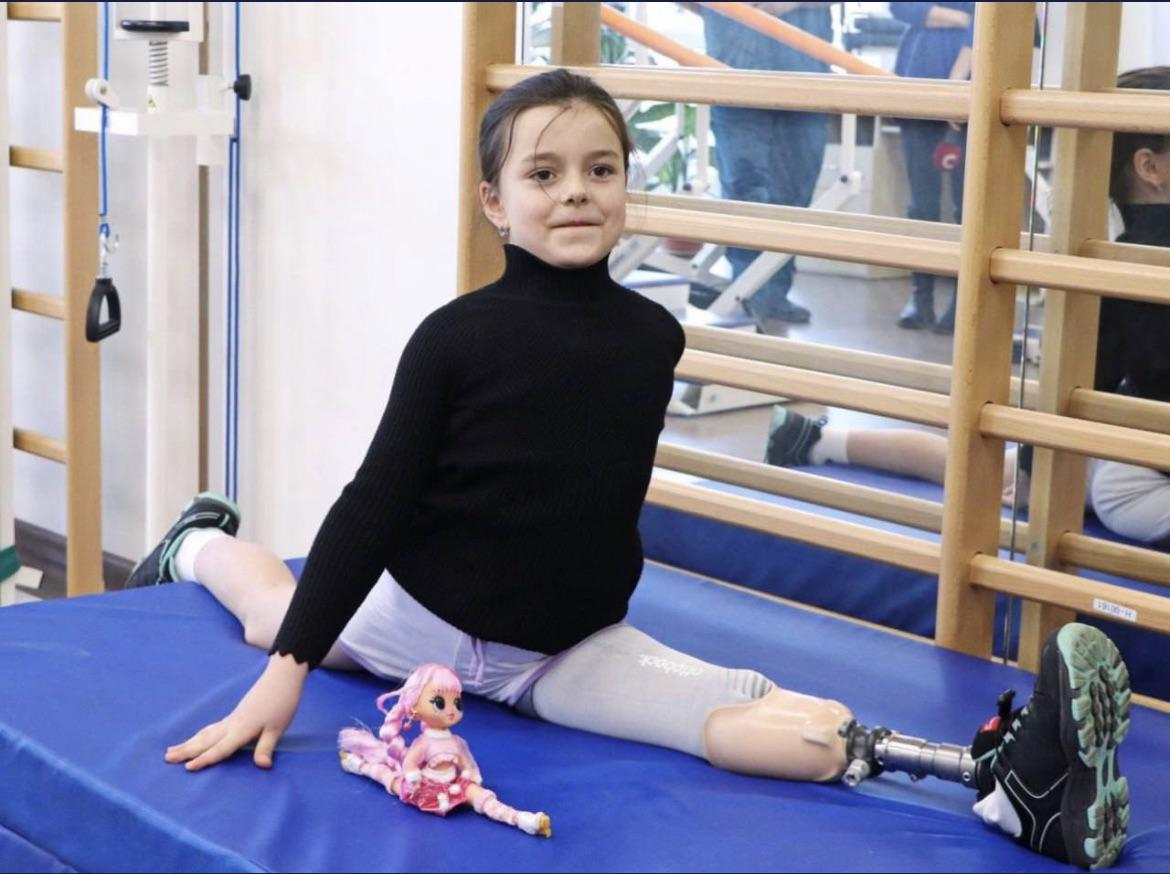
Sasha Paskal looks even younger than her mere 7 years. She aspired to represent her country as an elite Olympic gymnast until a Russian projectile struck her family’s home. Doctors were forced to amputate her left leg; she subsequently returned to rhythmic gymnastics routines with the help of a prosthetic limb.
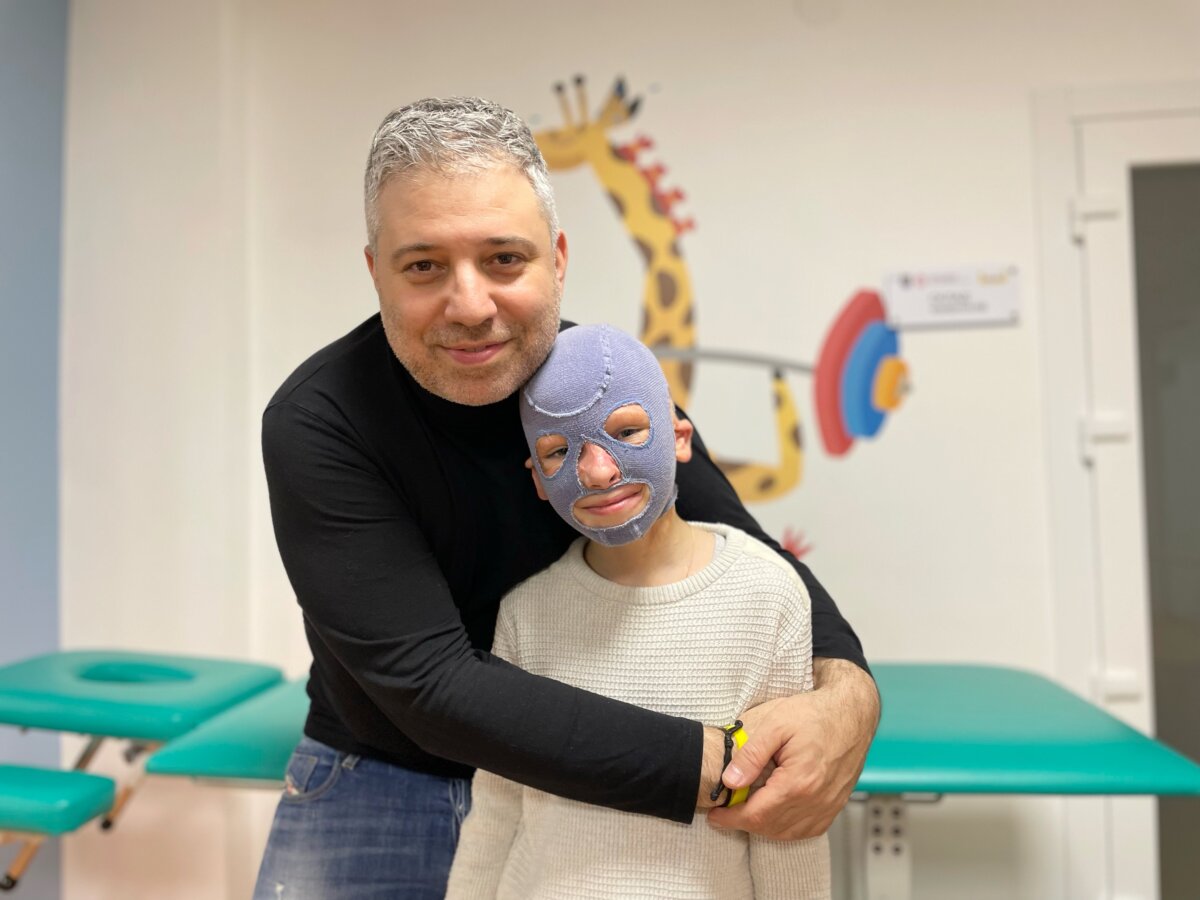
Likewise, 8-year-old Roman Oleksiv made his remarkably poised debut as a competitive ballroom dancer after suffering severe burns to 40 percent of his body during the bombing of a medical clinic. Tragically, Oleksiv’s mother was killed during the attack, but his father used their mutual love of music to encourage Oleksiv during his long, difficult convalescence.

Twelve-year-old Yana Stepanenko’s story somewhat parallels Paskal’s, but she required two prosthetic legs after Russia bombed the station where she and her family were waiting for a train headed west, away from the war zone. Yet, Stepanenko eventually completed her first 5K race after receiving care in San Diego.
The other four featured Ukrainian youths also share their experiences of captivity, usually as part of a deliberate Russian strategy to wage war against Ukraine’s future generations. Arguably, 18-year-old Vladislav Buryak was something of an exception. The 42 days he spent confined to first a provincial Russian jail cell and later a hotel room were clearly unplanned and uncoordinated. His imprisonment was psychologically grueling, especially when he was forced to clean out the grisly remains of a police station’s torture room.
Ironically, 17-year-old Valeriia Sydorova’s guardian grandmother initially agreed to send her to a Russian re-education camp, under the misconception that it would offer her safe refuge from the ongoing bombardment. Instead, the camp systematically attempted to indoctrinate Ukrainian refugee children into the Russian war-effort, which Sydorova resisted through her impressive strength of will.
Eighteen-year-old Bohdan Yermokhin was also nearly drafted into the Russian military. The invading army kidnapped him in Ukraine and placed him with an adoptive (or abductive) family in Moscow. The regime presented him as a grateful new Russian in state propaganda, but Yermokhin’s own social media posts told a different story.
Arguably, the abuse braved by 14-year-old Veronika Vlasova harkened back to the oppressive methods of the old Soviet regime the most. After the abducted girl refused to sign an affidavit accusing an innocent friend of sexual assault, she was committed to a series of state hospitals and mental institutions, where she underwent a barrage of humiliating tests.
Recoveries
No child should be treated like the subjects of “Ash and Crayons” were. Afineevsky scrupulously focuses on the children and the details of their recoveries, rather than the macro-conflict that erupted around them. Still, the circumstances that caused their trauma inescapably speak volumes.
One of the significant takeaways from “Ash and Crayons” is the importance of family for the healing process. Indeed, surviving fathers are very much present and engaged, like those who supported and consoled Oleksiv and Buryak as they rebuilt their lives.
Afineevsky’s film never mentions faith, which is surprising considering how his previous Academy Award-nominated documentary, “Winter on Fire: Ukraine’s Fight for Freedom,” scored a scoop. The film revealed the extent to which the Ukrainian Orthodox Church supported the embattled Maidan protesters who were demonstrating against the 2013 government’s pro-Russian, anti-Western policies.
“Ash and Crayons” stands out from other documentaries, either about the war in Ukraine or childhood trauma, in its distinctive use of animation. Produced by the Kyiv-based Karandash Animation Studio, the animation illustrates the subjects’ harrowing oral histories. Karandash’s richly detailed backdrops are quite cinematic, while their figures are surprisingly expressive. The recreated incidents of carnage hit viewers on a visceral, gut level.
The straightforward candor and the raw, unfiltered emotions of the young subjects’ own words are what will really stick with the audience. Ukraine’s children have endured extremely painful times, but, apparently, these seven have largely come through their trials triumphantly.
Their testimonies reflect a commitment to family and truthfulness which should inspire audiences of all nations. Highly recommended for those who also value family and community.
“Ash and Crayons” releases in theaters Nov. 20.
‘Ash and Crayons’
Director: Evgeny Afineevsky
Documentary
Not Rated
Running Time: 1 hour, 39 minutes
Release Date: Nov. 20, 2026
Rated: 4 stars out of 5
What arts and culture topics would you like us to cover? Please email ideas or feedback to features@epochtimes.nyc.