SEARCH


At the height of the farm crisis of the 1980s, Wendell Berry wrote in a new foreword to the “The Unsettling of America”: “Farmers are losing their farms, some are killing themselves, some in the madness of despair are killing other people, and rural economy and rural life are gravely stricken. … We are closer every day to the final destruction of private ownership not only of small family farms, but of small usable properties of all kinds.”
The great “unsettling” detailed in Berry’s book unfolded as agriculture became industrialized in the 1970s and 1980s and government policy pushed farmers to scale their operations and produce larger yields per acre. As a result of the spiraling cycle of rapid expansion and the implementation of factory-style farming techniques, fewer farmers did more work with greater debt loads. Then, in the 1980s, an increase in interest rates, a drop in exports, and a plummet in land and crop prices pulled the rug out from under the whole unstable system.
Many farmers went bankrupt, and farming families were displaced from their farms and driven to the cities by economic necessity. With the evaporation of small family farms and the corporatization of large ones, economic opportunity in rural America dwindled. There was no longer a sufficient population nor sufficient economic health to maintain local economies. Many small rural towns became virtual ghost towns as a result. Their once-vibrant main streets consist of boarded-up, disheveled, and dilapidated old buildings standing blankly beside an empty street, a kind of architectural cemetery of a past America.
Commenting on that collapse, business consultant, entrepreneur, and Iowa native Danna Larson told The Epoch Times, “The farm crisis was devastating to rural America, especially the Midwest, and it left a lot of people with no option but to leave.”
In her friend group growing up, there was an unspoken assumption that after high school, they’d have to leave their rural towns and go to the cities permanently to have a future.
“It just kind of felt like dreams were out of reach here after that,” she said. “The sad truth is, a lot of them were because of the effects of all of that. That’s when a major shift happened in rural America, and people went to the cities because they had to.”

But things have changed. Now, Larson argues, the assumption that economic prosperity and a fulfilling career are impossible in small-town America is outdated.
“That mindset has stuck around for longer than it probably should at this point,” she said.
Although the attitude might have made sense when Larson graduated from college, it doesn’t anymore, largely because of the employment opportunities created by the internet.
“When I graduated in public relations, there were no jobs for that in rural America,” she said. “But now I could absolutely do that from right here on the farm.”
Larson’s on a mission that agricultural sage Berry would likely approve of. She’s determined to prove to people that entrepreneurial dreams and financial success are well within reach in rural America—and through that message, she hopes to revitalize America’s small towns.
“We’ve got to change this mindset that’s been, you know, here for decades now, of like, well, if you really have big dreams, you probably better go to the city to live those out,” she said.
Through her platform, Rural Revival, Larson tells the stories of successful small-town businesses and leaders. She also offers consulting to businesses and municipal leaders looking to revive their towns. The stories Larson tells on her podcast are stories of people who’ve chosen a pioneering path that paradoxically keeps them close to home: They’ve chosen not to leave their small towns and have crafted fulfilling businesses and careers to support meaningful lives in these smaller communities.
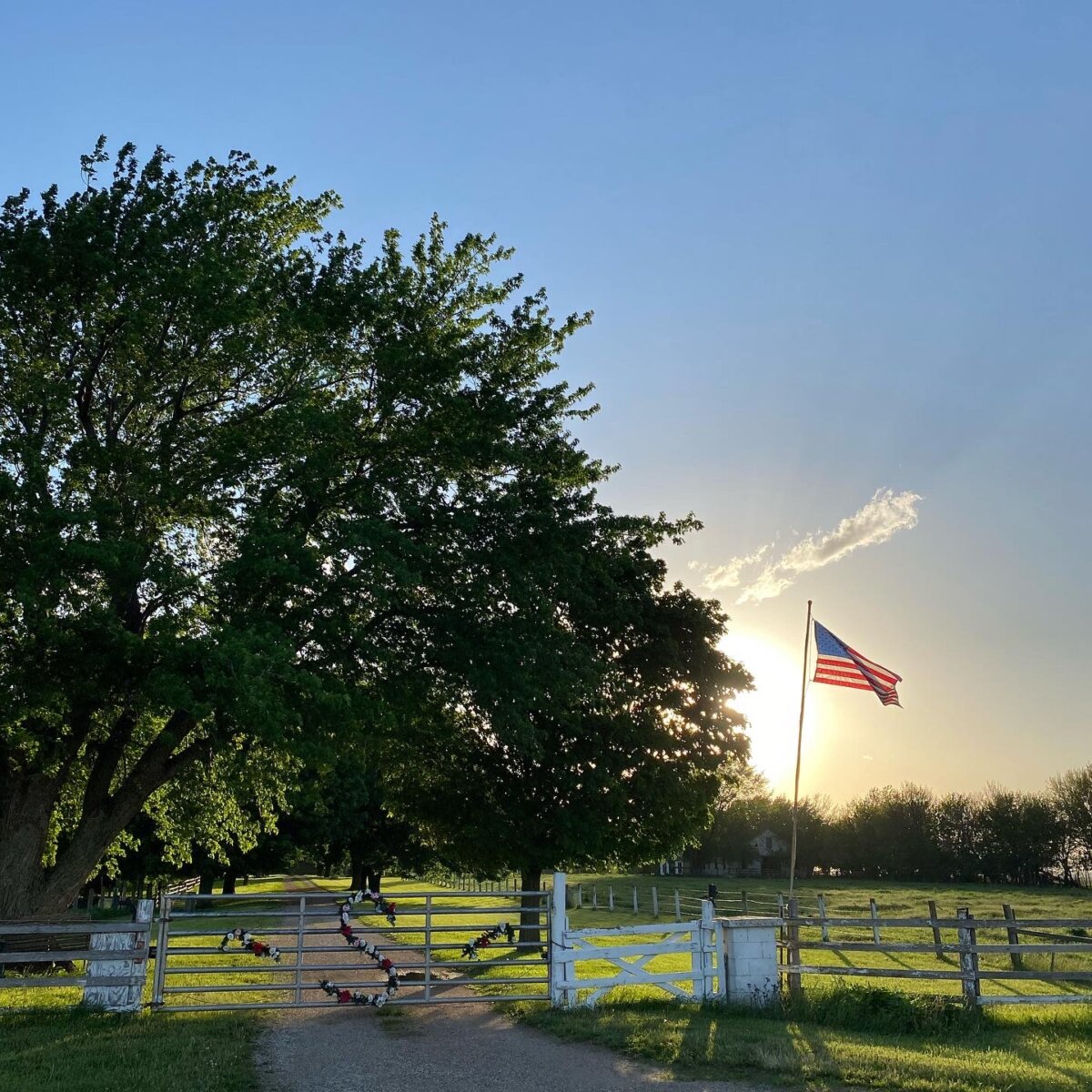
The germ of Rural Revival materialized as Larson drove back and forth between Nashville and her family farm in rural Iowa.
“I would drive home to Iowa to see my family through all these small towns,” she said. “And I just kept thinking, like: ‘I’m really sad that our small town seemed to be dying off. And I would really love to see us reverse that trend.’”
Larson began to realize that others felt the same way.
“When I was living in Nashville, that was when I think there kind of started to be a shift,” she said. “A lot of people were feeling the same way I was, and I noticed that I had friends moving back to their small towns and opening up businesses.”
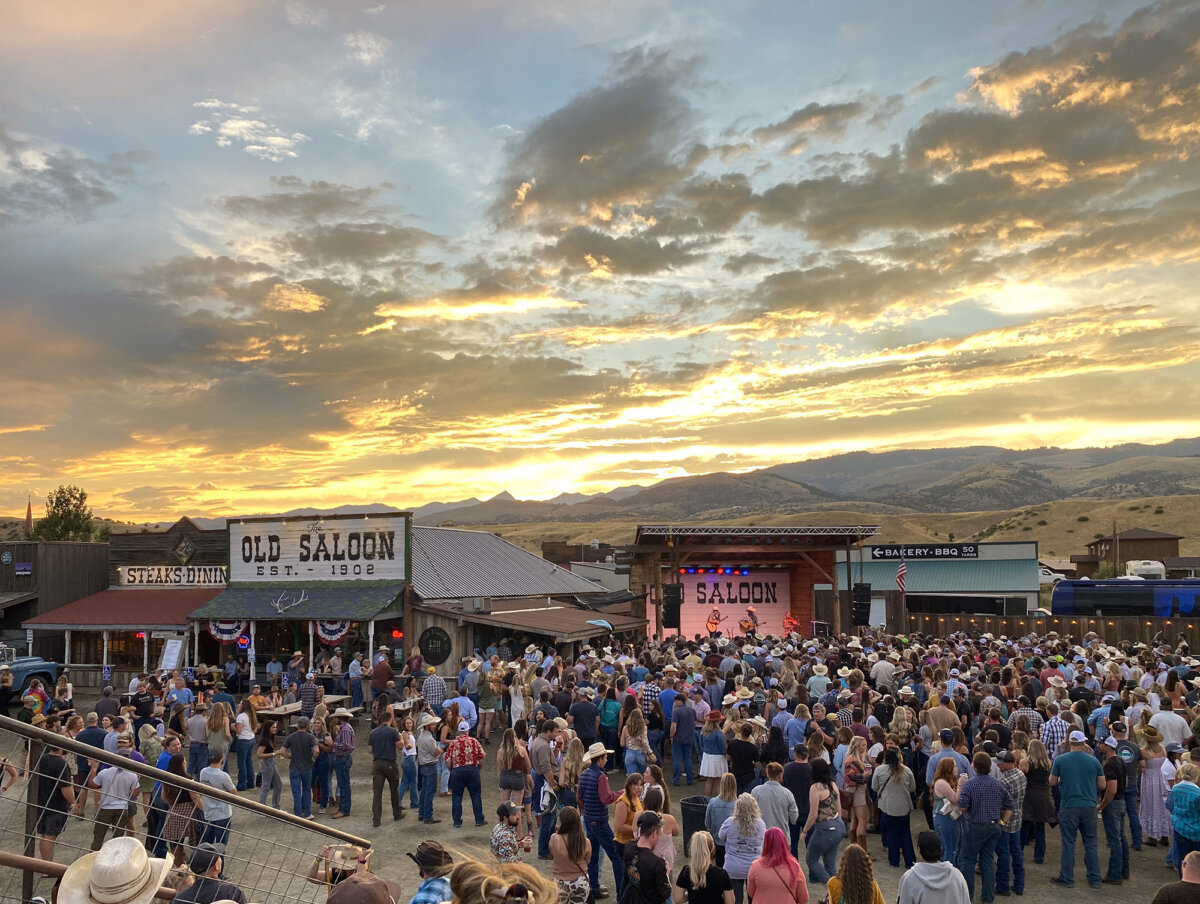
One such business was an old depot transformed into a bar by one of Larson’s entrepreneurial friends. One evening, Larson was enjoying live music at the depot and said to her companions, over the boom of the music: “This place is awesome, and people need to know that you can do this and actually make a living at it. Somebody needs to do a podcast or something.”
Larson’s friends enthusiastically encouraged her to start such a podcast, and so she did. The positive response to the podcast was overwhelming, and it led to other initiatives, such as consultations and branding services for small rural businesses and towns, speaking engagements, workshops, events, and a book, “Small Town Dreamer: Finding Courage to Chase Your Biggest Dreams in Rural America,” which became a No. 1 new release on Amazon in the self-employment category.
Larson’s efforts to rejuvenate small rural towns begin by trying to help them formulate a vision.
“That’s something I’ve really noticed in all the towns that I see that are doing a good job of being revived: There’s that visionary and then there’s also the people rallying around it to support that vision,” she said.
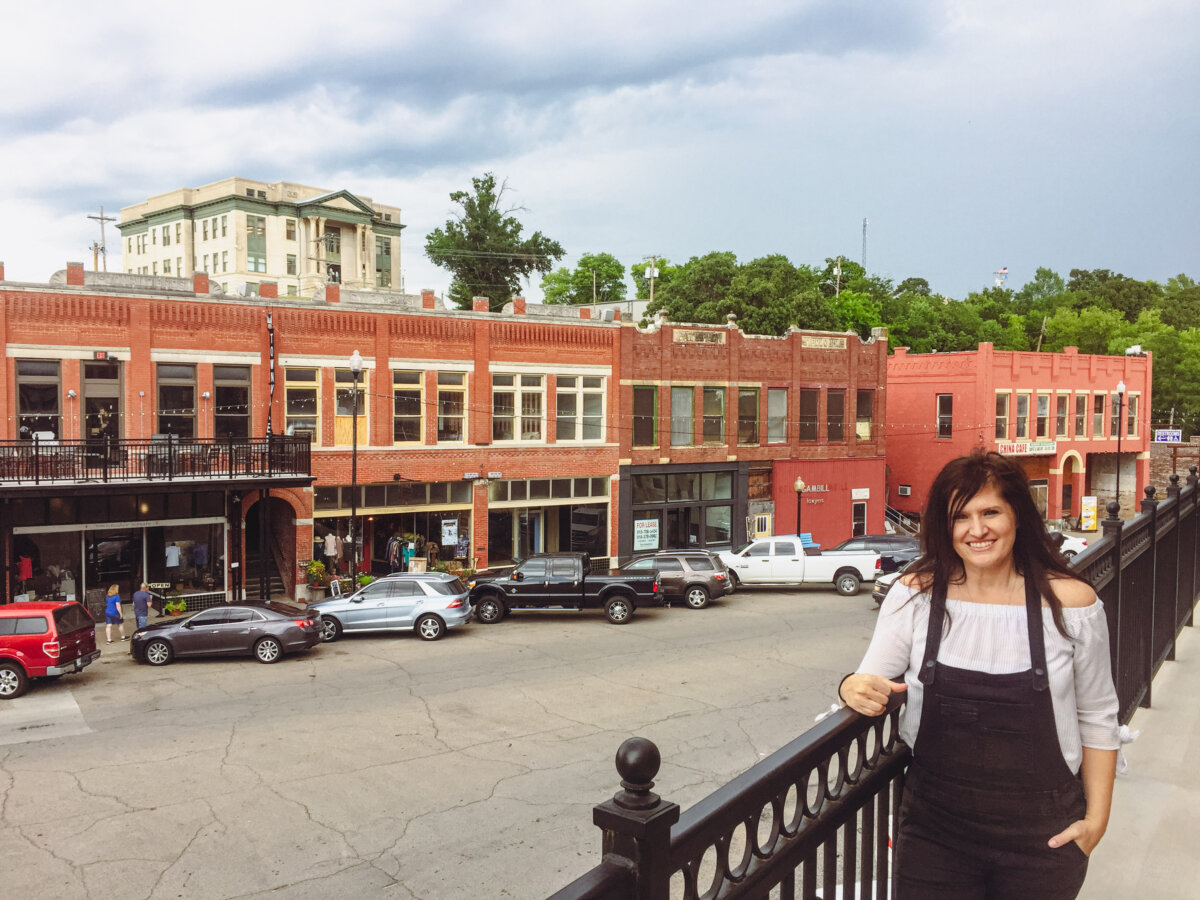
Sometimes, crafting the vision for the future begins by looking to the past. Larson will ask the locals, “What businesses did your town used to have?”
“Because more than likely, you know, the population is still in need of those services or stores or businesses,” she said.
It’s important, Larson says, to rub the dust from our eyes and see the familiar run-down buildings as places of opportunity. One event Larson helps run in various towns aims to do just that. It’s called the “What Could Be Tour,” and it consists of dressing up old abandoned buildings with mock storefronts and business facades and apartment spaces to help the local population visualize what’s possible. Within a year of the first tour Larson worked on, the town that put it on brought in real businesses to all four of the buildings they’d dressed up, revitalizing the downtown.
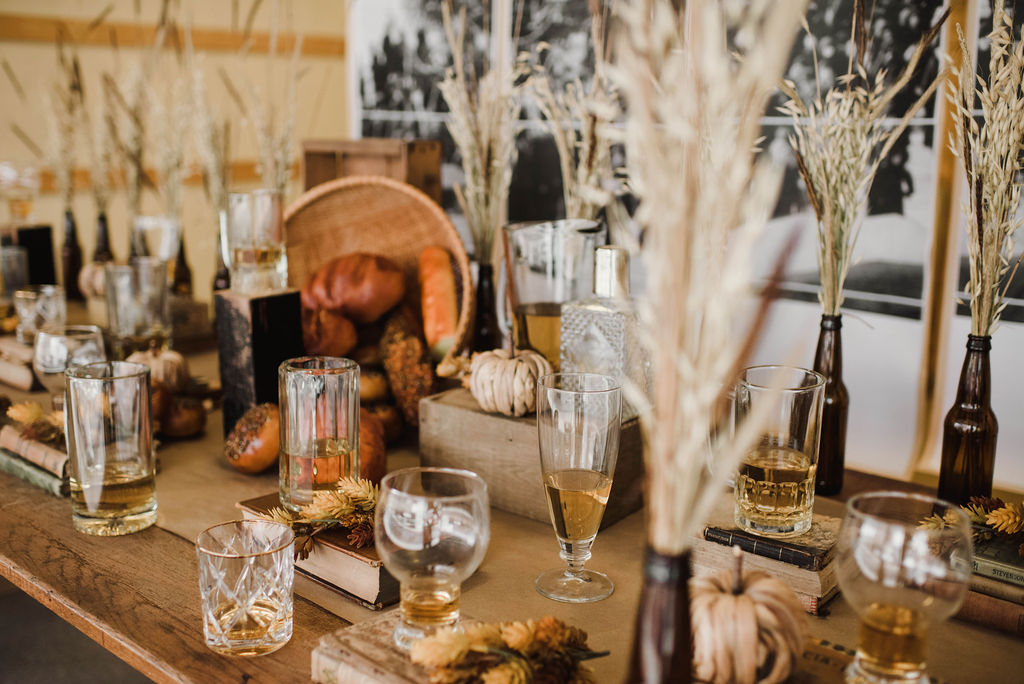
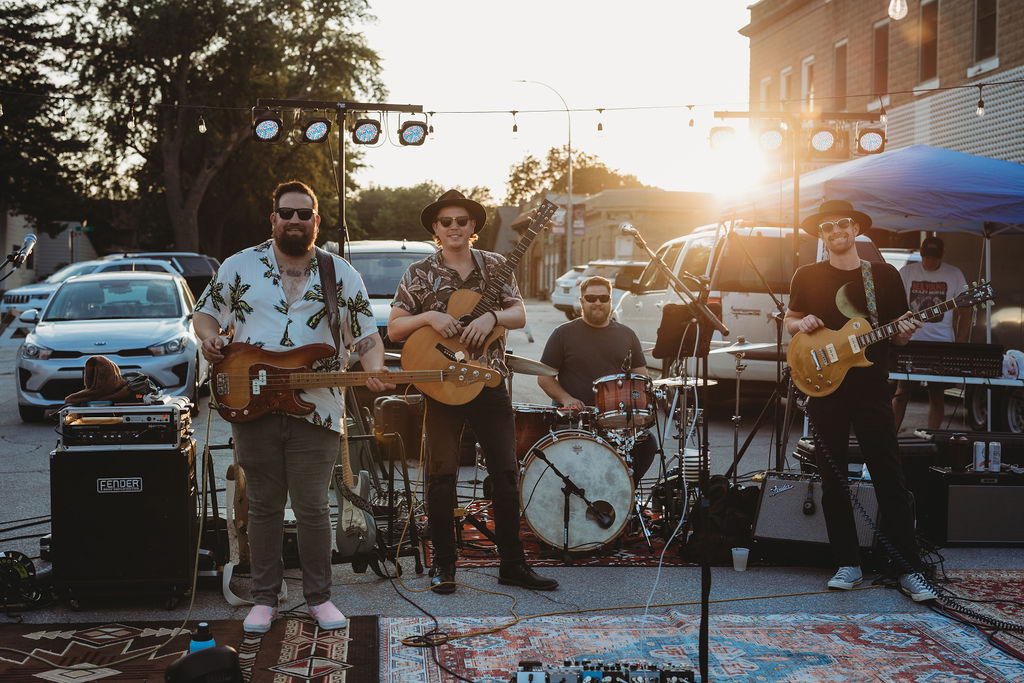
Another event Larson helps bring to small towns is called “the farm dinner.” The farm dinner involves shutting down a town’s main street and creating a communal, farm-to-table experience under the glow of strings of lights and to the hum of live music. The first iteration was such a big success that the event became the No. 1 thing people asked Larson about.
“I kind of realized I was onto something that could really help towns, because more than anything, it’s a huge momentum builder,” she said. “You give people a cool experience like that, it’s something that sticks with them, and it makes them want to do more for their town. And so I ended up putting a kit together because it was becoming impossible for me to be all these different places that people wanted to do these dinners.”
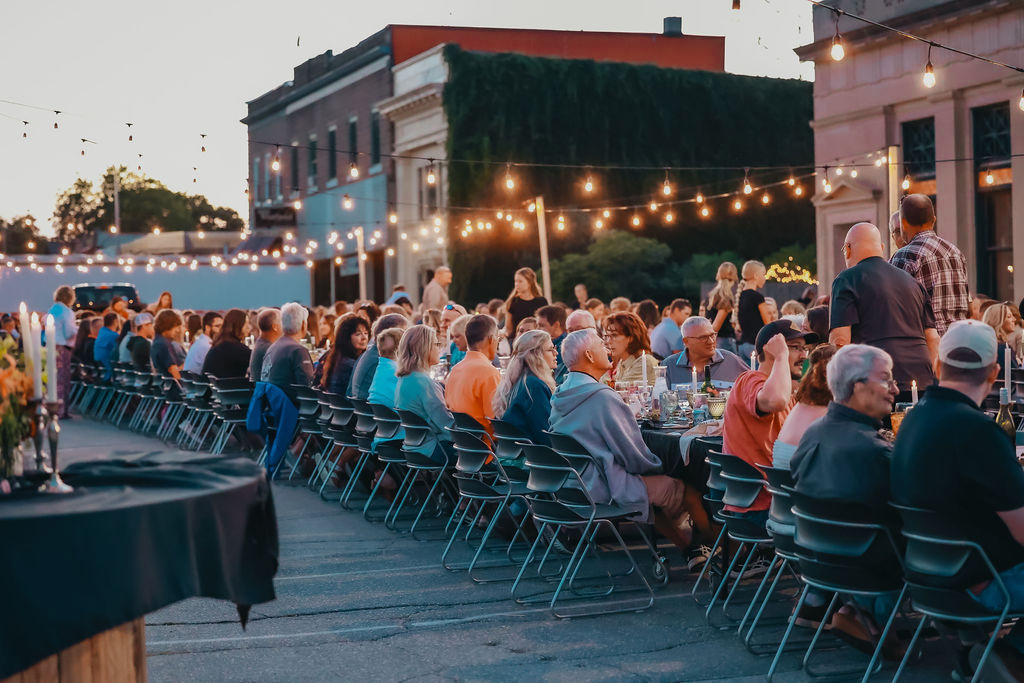
The community-building aspect of the farm dinners might be their most powerful effect. Larson said that, often, individuals in rural communities feel alone in their attempts to realize their visions. For true rural renewal, it’s essential for like-minded people to congregate around a shared understanding of the future of the town.
“One of the great qualities of rural America is that we know our neighbors’ names and we know the history of the families that live here and we know the history of the town,” Larson said. “But I think we forget that we even have that here, because it’s just part of our life. But that’s a really unique thing to rural America, and I think we have to make the most of it.”
According to Berry, the undermining of community and culture has been perhaps the most harmful consequence of the transformation of agriculture—on top of the ecological and economic blights it introduced. Yet it’s possible to rebuild local community through simple means. Larson highlighted the importance of the local coffee shop.
“People want that sense of community, and they want a place where we can come together and you can bump into, you know, somebody that you might not see otherwise,” she said. “And so I think, you know, that’s an important role that businesses can play.”
Because people desire these kinds of spaces, a coffee shop is a business that Larson claims can work in a town of almost any size. Such businesses serve a critical role in mending the social fabric that was torn by 20th-century disruptions.
It isn’t just coffee shops. Ever the optimist, Larson said she believes that many ventures are possible in small-town America if we can recover the vision and the community support.
“I believe in the people of rural America, I believe in the people of our small towns,” she said. “I just love seeing the people who are going for it and chasing their dreams. But there are so many more dreams out there that aren’t being lived out, and so that’s part of the reason I wrote my book was just to say, what is that dream that’s been inside of you that you have buried or that you don’t feel is possible here? Like that dream is in you for a reason, and rural America needs you to live that dream out. And oftentimes, when one person lives out their dream, it opens the door for so many other people to then live out their dream.”
What rural America needs is a new generation of “settlers”: people willing to tackle an ambitious vision with the understanding that it’s high time—and highly doable—to recover from the agricultural crisis that devastated rural communities.
Larson is here to help them do it.