SEARCH


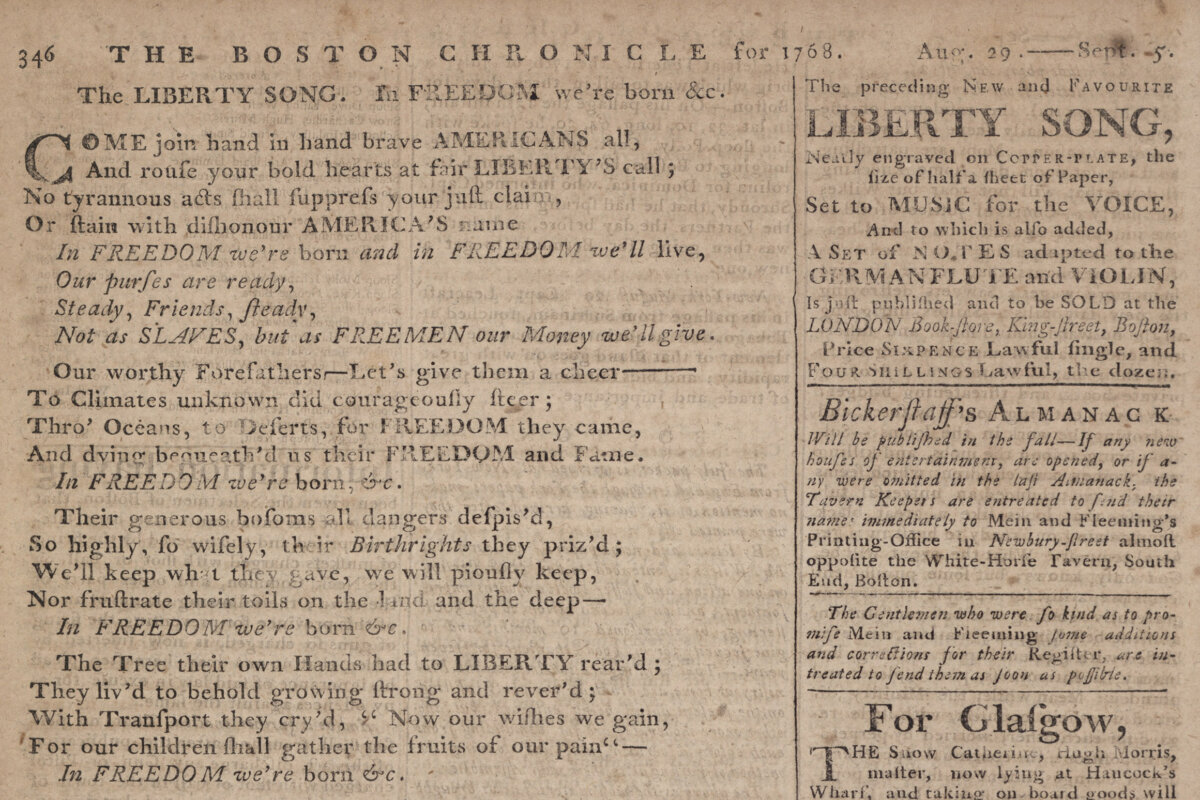
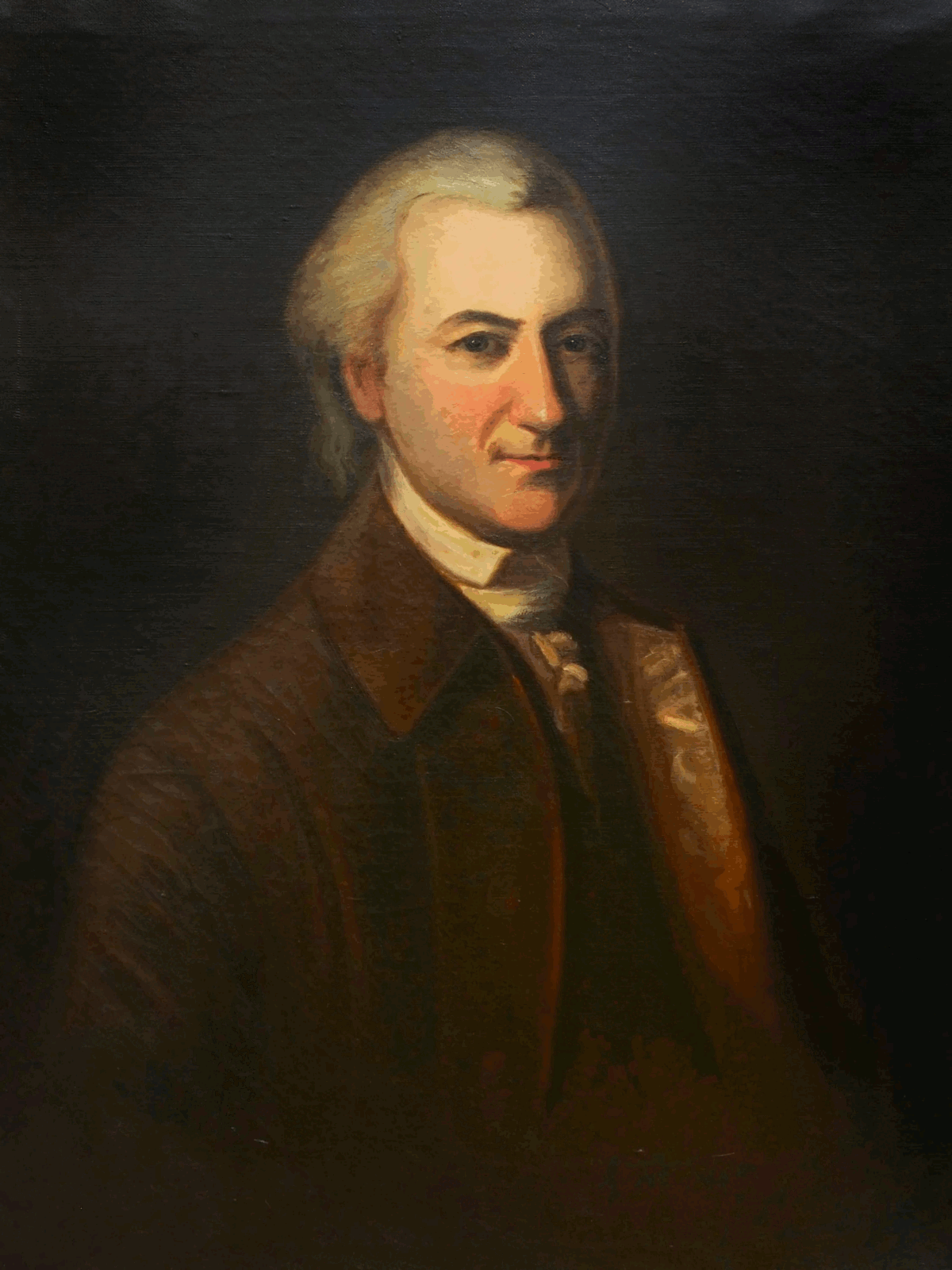
On July 4, 1768, Founding Father John Dickinson wrote a letter to James Otis Jr., a friend and lawyer residing in Massachusetts, telling him, “I enclose you a song for American freedom.” Inside the letter were lyrics that would eventually be sung at meetings and celebrations during America’s Revolutionary era.
The people of the burgeoning colonies brought their love of classical music with them to the New World, and, during the mid-1700s, Joseph Haydn and Wolfgang Amadeus Mozart were two favorites. But Dickinson would give communities a song they could sing. And it would be the first official song of a new musical tradition, one known today as American patriotic music.
Later, that July, the reserved and introverted farmer published “The Liberty Song” for the first time in the Boston Gazette. The spirited tune would become a unifier prior to America’s Revolutionary War, and its inspiring words would strengthen patriots’ resolve during their fight for freedom.
‘Sensations of Freedom’
While still under British rule, the Townshend Acts of 1767 were imposed upon the colonies, introducing new taxes on goods ranging from paint and glass to tea and paper. In response, prominent statesman Samuel Adams, with the assistance of Otis Jr., penned a document, the Massachusetts Circular Letter, arguing the illegitimacy of the Parliament’s demands.
It was released with the support of the state’s legislature, and, when the British government demanded the Massachusetts House of Representatives rescind the letter, many of its members refused. This series of events led to an escalation in tensions between Loyalists and Patriots.
Amid an uncertain future of a country not yet fully formed and growing unity among colonists seeking freedom from taxation without representation, Dickinson penned the first verses to “The Liberty Song.” A lively tone is set right away, with the opening lines “Come join hand in hand, brave Americans all,/ And rouse your bold hearts at fair Liberty’s call.”
But Dickinson’s quiet nature left him questioning the song’s tone, so he wrote to Otis once more, sharing with him, “I enclosed you the other day a copy of a song composed in great haste. I think it was rather too bold.”
He added a gentler verse to the song’s lyrics focusing on the virtue of working hard as a free man. The opening couplet goes, “How sweet are the labors that freemen endure,/ That they shall enjoy all the profit, secure—.” Another American diplomat, Arthur Lee from Virginia, contributed two verses as well.
Dickinson set the lyrics to “Heart of Oak,” a military march song from 1759 by William Boyce and David Garrick. It remains the British Royal Navy’s anthem today. After the initial publication of “The Liberty Song” in the Boston Gazette on July 18, 1768, the inspiring anthem was featured in the Boston Chronicle in August and was printed and released across various colonies such as Pennsylvania, New York, and Virginia.
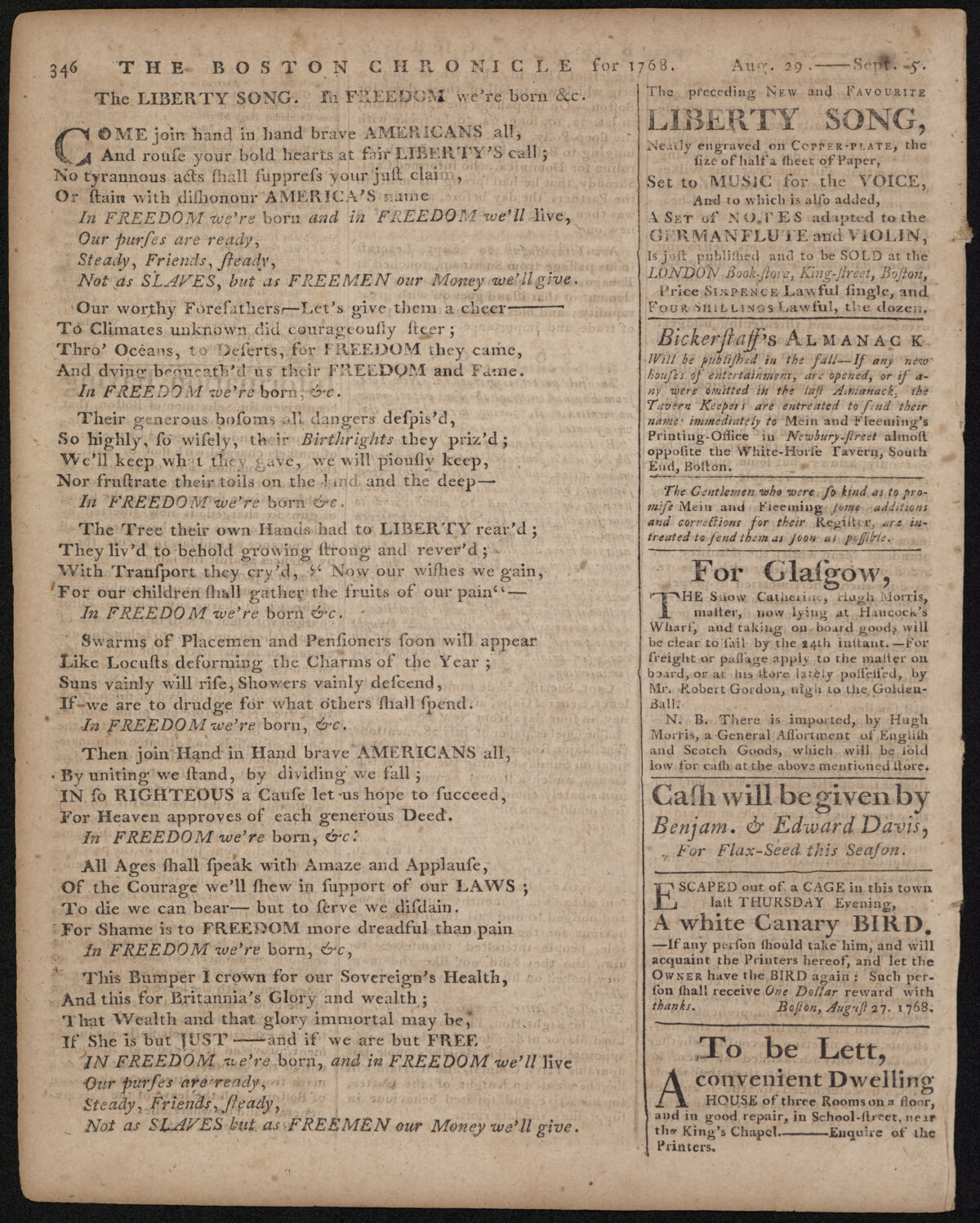
The song captured the spirit of the times and could soon be heard in many places. It would make its way to political gatherings and boost patriots’ morale when the Revolutionary War began in the spring of 1775. The line in the original version, “By uniting we stand, by dividing we fall,” gave way to the now-famous phrase, “United we stand, divided we fall.”
Founding Father and future president John Adams especially enjoyed the song. He described the effect it had at a large dinner alongside a crowd of patriots when they closed the evening with it. “The whole Company joined in the Chorus,” he wrote in his diary. “This is cultivating the Sensations of Freedom.”
A Historic Reminder
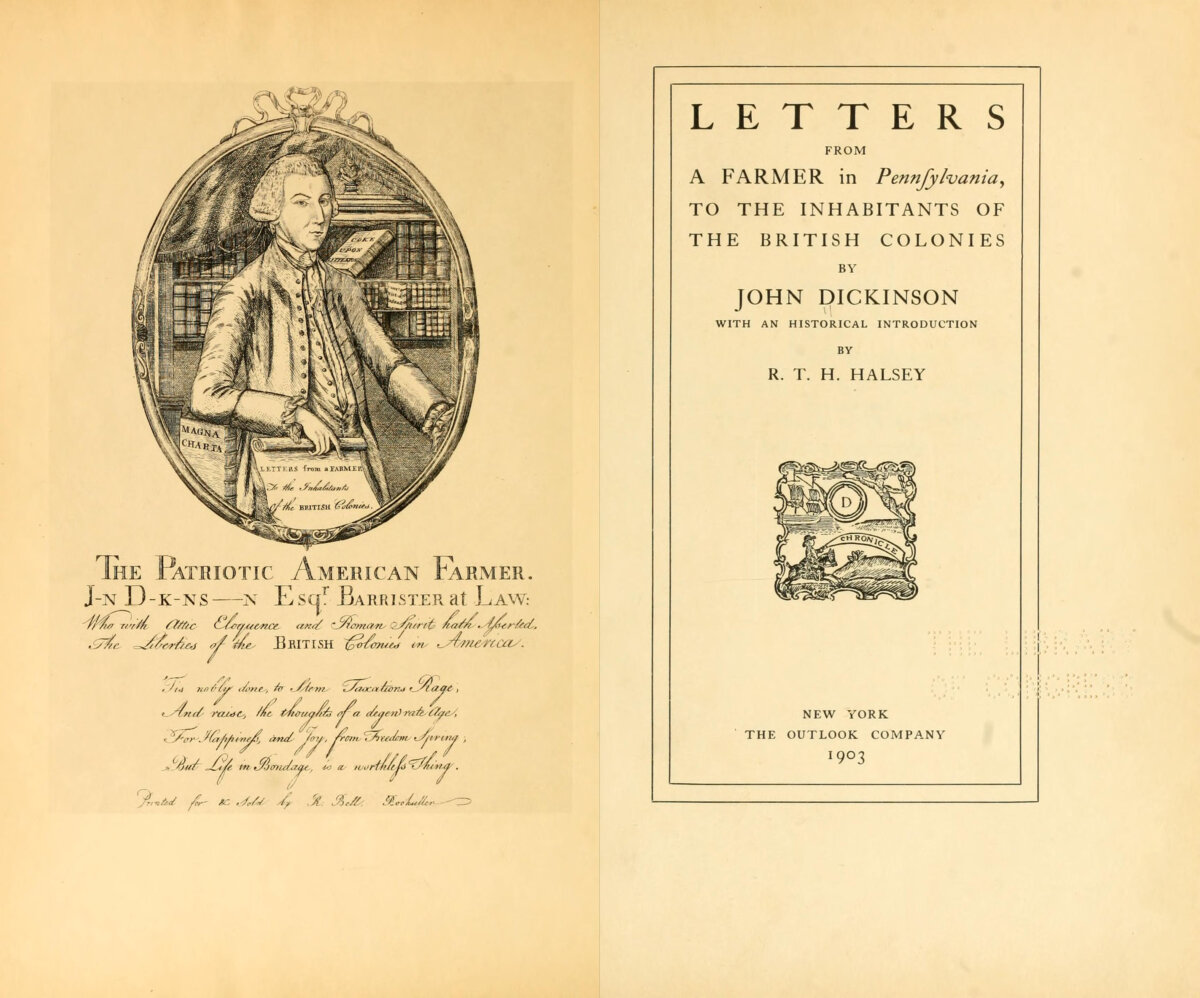
Dickinson was a prolific writer during the 18th century. He authored some of early America’s essential texts, including “Letters From a Farmer in Pennsylvania,” an influential series of essays. The pamphlet’s circulation reach was only eclipsed by Thomas Paine’s foundational work, “Common Sense,” according to the Bill of Rights Institute. Dickinson’s guiding voice during a time of great uncertainty and great possibility earned him the nickname, “The Penman of the American Revolution.”
Today, he is remembered for his talents not only as an essayist, but as a lyricist as well. “The Liberty Song” once helped unify a forming nation, and it is viewed now as a historic reminder of America’s longtime commitment to freedom.
What arts and culture topics would you like us to cover? Please email ideas or feedback to features@epochtimes.nyc.