SEARCH


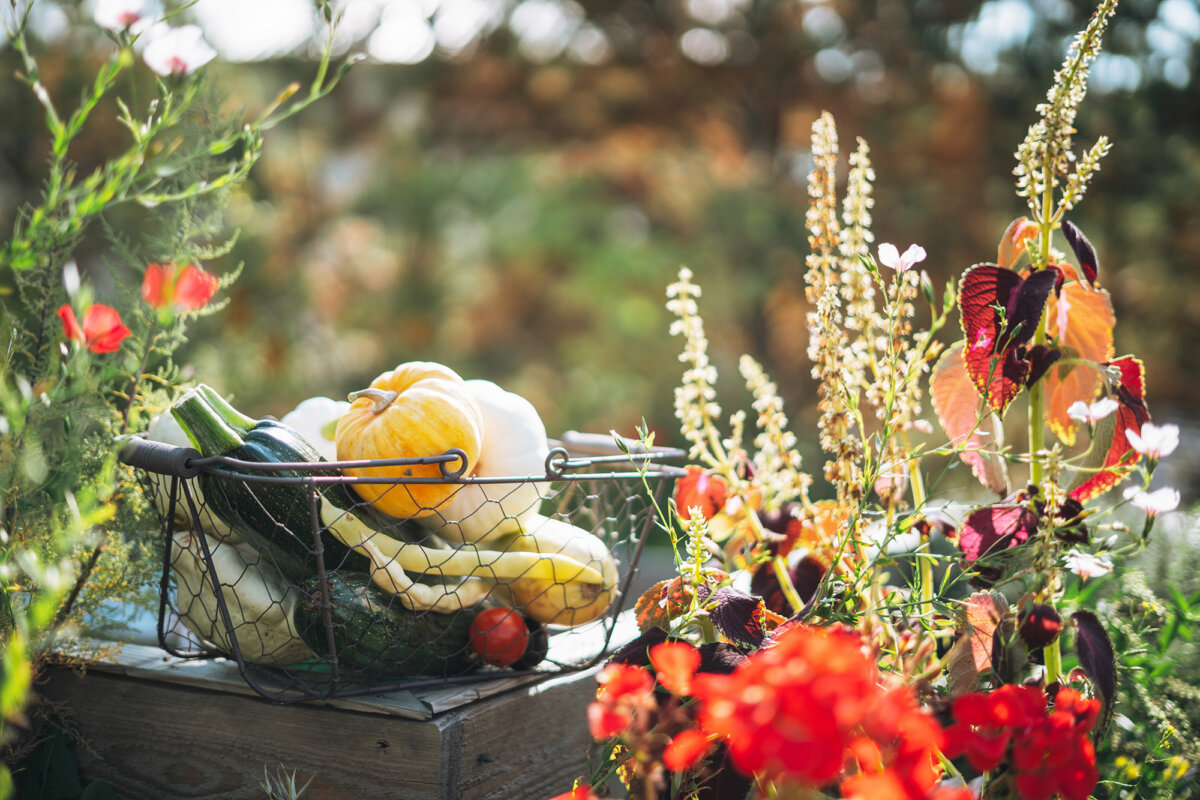
The dramatic colors of autumn foliage are complemented by the equally vibrant bounty of fall veggies like butternut squash, Brussels sprouts, eggplant, radishes, garlic, and onions, plus rainbow-hued Swiss chard. Beyond looking beautiful on the plate, colorful veggies also contain important nutrients like folates and beta-carotene.
Here’s how to get the most out of this harvest season—and a few tips for brighter spring blooms, too.
Tasty Tips
Sweet potatoes, pumpkins, and winter squash can be harvested as soon as they are ripe. Allow them to cure in a warm spot indoors for a few days or weeks. Pumpkins and winter squash should be kept in a dry, well-ventilated area, while sweet potatoes benefit from curing in higher humidity. After curing, move them to a cool, dry location for longer storage.
Trowel Time
Plant garlic cloves and shallots in early fall. This allows them time to establish healthy roots before they go dormant over winter, giving them a big head start on spring.
If there are at least 40 days until the first frost, then you have time to plant another crop of radishes and arugula. If there are at least 60 days remaining, consider adding cool-season lettuce, spinach, Swiss chard, turnips, and green onions (from sets).
Those lucky enough to live in zones with an even later first frost, or no frost at all, can plant beets, kale, collard greens, broccoli, cabbage, and bulb onions and fava beans. You can also provide varying degrees of frost protection with frost blankets, floating row covers, individual winter plant covers, or better yet, a greenhouse.
Seed Strategy
Overripe tomatoes can make good compost fodder, but they make even better seeds. These “wet” seeds should be fermented. Simply place them in a jar of water for a few days until they become separated from the pulp. Air dry on a paper towel, just like flower seeds. Store in a cool (40 to 50 degrees F), dry location. Make sure that there’s no excess moisture left on the seeds, as mold is a common cause of seed deterioration.
Faux Cold Snap
Spring bloomers like hyacinths, daffodils, and tulips require a period of cold winter temperatures in order to sprout and thrive in spring. Gardeners in Zones 8 to 11—which may not get a chill, and if they do, it’s not long enough—can mimic winter temps by placing seeds or bulbs in the refrigerator for 12-16 weeks. The process is called cold stratification or cold treatment.
Many seeds also need a period of winter cold to perform at their best, though the timeframe is often significantly less than the 12-plus weeks that bulbs need. For some perennials, natural outdoor stratification is effective. For others, cold stratification in the refrigerator may be better than planting them out in fall. This is often true for herbs like lavender, sage, lemon balm, mountain mint, and chamomile.
Echinacea, comfrey, St. John’s wort, bergamot, and licorice will also do better after a month in the refrigerator. Likewise, seeds from flowers like black-eyed Susan, goldenrod, poppy, wild strawberry, and phlox will benefit from 30 days under refrigeration.
Fruits and veggies have a wide range of chill times, from artichoke (2 weeks) and goji berry (4 to 6 weeks) to American elderberry, black elderberry, blueberry, and black chokeberry, which require 90 days. American ginseng can take up to 18 months of stratification, and ramps (wild leeks) require two cold periods to germinate. Junipers and witch hazel require both warm and cold stratification.
Another option is to shop online for seeds that have already been cold stratified.
The Landscape
As long as the soil temperature is above 50 degrees F and there are at least four weeks until the first frost, there’s still time to plant container-grown trees. In fact, fall is the best time to plant in southerly locales, where there’s a seasonal increase in rain. Maple, elm, linden, crabapple, honey locust, and sycamore are popular hardy choices.
Plan on protecting new plantings, as well as established but tender trees and shrubs, by wrapping them in burlap. If there are just a few plants, consider buying some easy-to-use freeze protection tree and shrub covers that feature handy zippers and drawstrings.
__________________________
Fall Clean-up
Pick weeds and remove dead or diseased plants, but leave the rest alone as a wildlife habitat. It will look scenic under a layer of snow, too.
Overwintering
When the nighttime temps dip below 50 degrees F, bring outdoor potted plants indoors for the winter. If you have tender plants in the ground that won’t tolerate cold temperatures, pot them up and bring them inside, too. Check them for pests, provide light and humidity (regularly misting works), and water them just enough so that the pot doesn’t dry out.
More Plants
Take semi-hardwood cuttings (older woody growth with fresh growth at the tip) of fig bushes, grape vines, mulberries, jasmine, rosemary, roses, and rhododendrons. Put them in a jar with moist perlite or vermiculite and place them where they get bright, but not direct, sunlight. Keep in mind that each species may need different levels of humidity, drainage, moisture, or rooting hormone, and prepare accordingly.
Garden Bed
Add compost, aged manure, or shredded fall leaves to the veggie plot. No shredder? Run the leaves over with a lawnmower. Other amendments include leaf mold, lime (if a soil test recommends it), and coffee grounds.