
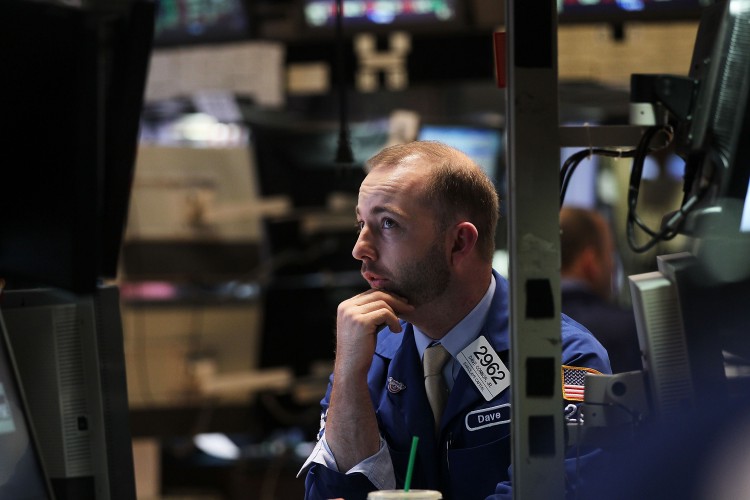
The Dow Jones Industrial Average increased by 75 points, or 0.6 percent, to 12,124, with 26 of the index's 30 components gaining.
The technology heavy Nasdaq Composite index gained 9 points on the day, or 0.4 percent, to 2685.
The Standard & Poor’s 500 index also tacked on 9 points, or 0.7 percent, to 1289, but remained below the psychologically important 1,300 level. The sectors gaining the most were natural resources, energy, and finance.
The U.S. Commerce Department reported that the U.S. trade deficit with foreign nations narrowed by 6.7 percent in April to $43.7 billion from a downwardly revised $46.8 billion in March. The government said that a major factor in this sudden decline was a record decrease in imports from Japan in the wake of the earthquake, tsunami, and nuclear crisis. For example, autos and auto part imports from Japan decreased sharply last month.
According to revised estimates from Bank of America Merrill Lynch released after the report, the decreased trade gap could add 0.3 percent to GDP growth. The bank now predicts GDP to increase 2.3 percent in the second quarter.
Weekly jobless claims, the number of people filing for unemployment benefits, were basically flat, increasing by 1,000 to 427,000 last week, reported the U.S. Labor Department.
With the increased appetite for risk in equities, demand for U.S. Treasury bonds naturally fell. The Treasury Department sold $13 billion in 30-year bonds at a yield of 4.238 percent, the lowest yield since October.
Oil prices on the New York Mercantile Exchange increased $1.19 to $101.93 a barrel for West Texas Intermediate Crude. Concerns linger that oil producing countries will not increase production fast enough to keep up with the world’s growing demand.
Meanwhile, the nationwide average pump price for gasoline fell another 1.4 cents on Thursday to $3.73 per gallon, according to AAA.







