| The media scandal for many people has raised questions and confirmed opinions about the ethics of today’s press. This is what Epoch Times reporters from Brazil to Bulgaria discovered when they asked locals: “Has the Murdoch phone-hacking scandal affected your view of the media in general? |
|
I think journalism is experiencing a crisis linked to the loss of their reason for being. It’s no longer an “arm” of society in the relationship between state and economic groups, [it’s no longer] acting as the spokesperson for the public; the same public is increasingly seen and treated only as consumers. For me, the scandal cases in England serve to show that the criticisms and suspicions that fall on the press actually do exist. What’s worrying is the fact that such misconduct by [journalism] professionals and their bosses has been happening for many years in major media groups. |
|
The Murdoch scandal has not affected my point of view of the press. We cannot judge all newspapers equally, but we see how journalism doesn’t respect ethics and illegally hacks phones violating the privacy of individuals and institutions, and compromising computer security in the world. I disagree with these actions. |
|
My opinion is that the world’s press is involved in friendships for both good and bad [reasons], but mostly for bad reasons. … [J]ournalism is fundamental to democracy and the lack of credibility and cynicism surrounding the profession is dangerous for a system that protects freedom of speech and liberties. |
|
I’d like to say that I had a fairly low opinion of the media in the first place, so I wasn’t really surprised at the depths that they sank to, to get their story. And I think that they need to come back to general journalism and relating the news as it really happens instead of sensationalizing. And leave celebrities alone; who really cares? |
|
No, it has not. I stopped buying the tabloids in the late ’70s when they mostly contained sensational stories. There is rarely anything positive or thoughtful with two sides debating with each other. |
|
Actually, the Murdoch phone-hacking scandal just confirms the impression I have of the way the media works. This story simply proves that journalists are ready to do whatever is needed just to gain public attention and raise ratings. It is evidence of the extent the problem has reached today, much further than the scandals with movie stars, singers, and soccer players. People working for tabloids know very well that in order to sell they need to sensationalize, so in one way or another they are creating this effect. Not that this justifies their methods. |
|
No, it didn’t affect my view of the media, because I am aware of the way things go. Anyway, I read written mass media a lot, and I know how to select news and information. |
|
[It] hasn’t at all. I haven’t given it much thought. I’ve kind of noticed it. It’s just been, for me, one of those stories that I know is going on, but I really haven’t engaged my mind with it. [In general] totally, if I read a poorly researched article or something, that totally influences the way I feel about that media. |
|
Murdoch’s case showed me that the privacy of individuals globally is so vulnerable. In the world there is no more privacy. Interestingly, the Murdoch phone-hacking scandal specifically, did not change my perception of the media. |
|
About the prominent Murdoch case and its side effects, I think the hacking, seen as a violation of law and considered espionage, reconfirms the accuracy of the information that can be delivered by a medium as important as the press. This is how the recorded conversations ended up reducing the loss of objectivity and misrepresentation very common these days in media. |
|
The systems of some media, who on the pretext of selling newspapers for profit, come to spy on people to get information … effectively, some media disturbs me. Fortunately, there are some media that do their job well; otherwise we would not know what is happening in the country. |
|
It hasn’t affected me. I’m glad that the president [Murdoch] has stepped up and tried to do something about it. I admire him for that. Whatever did happen, he’s tried to change that. |
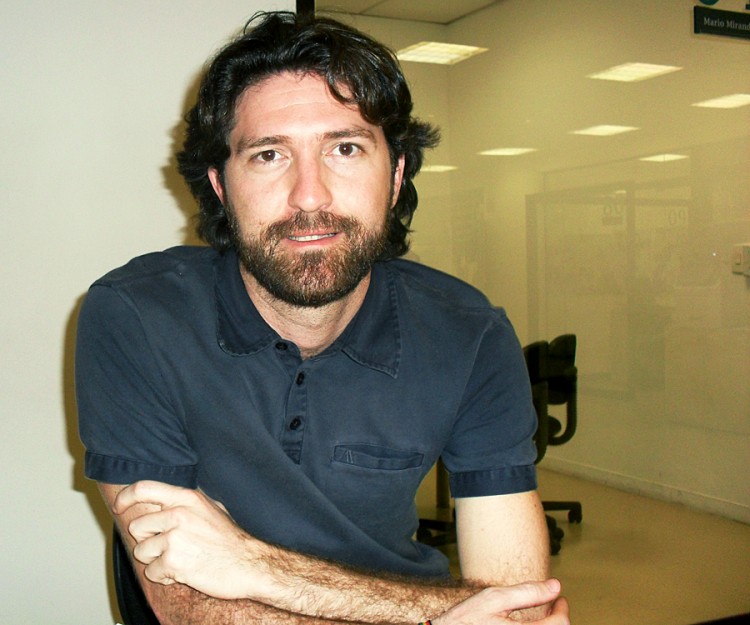
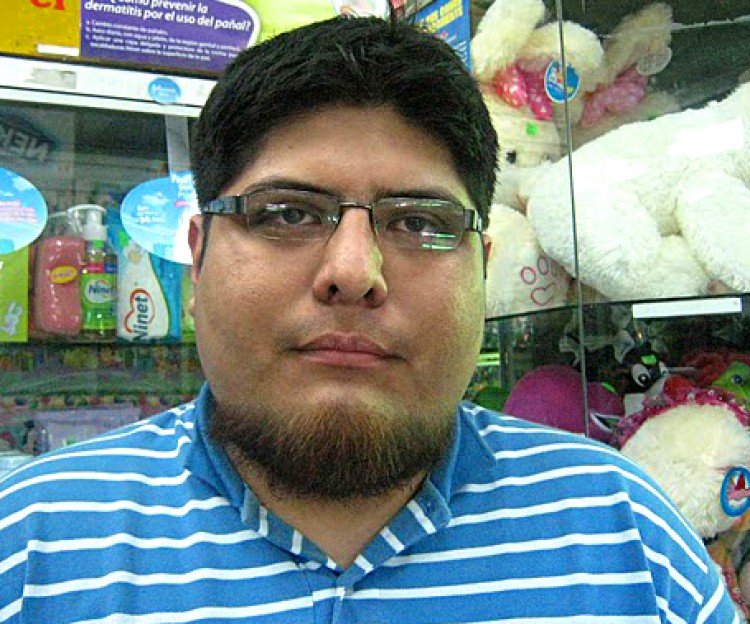


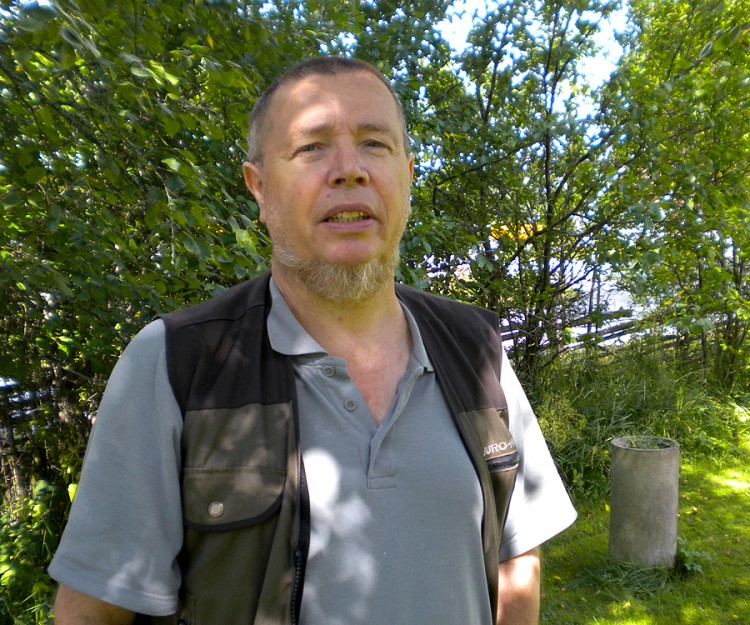



Look for the Global Q&A column every week. Epoch Times correspondents interview people around the world to learn about their lives and perspectives on local and global realities. Next week’s global question: “If you could ask someone in history one question, who would it be and what would you ask?”