
At the 1912 Olympic Games in Stockholm, Sweden, when there was still a competition in literature, Baron Pierre de Coubertin won the Gold medal with his poem “Ode to Sport.”
In the eighth stanza it read: “O Sport, you are Progress! (…) You teach [man] wise rules which allow him to exert himself with the maximum of intensity without compromising his good health.”
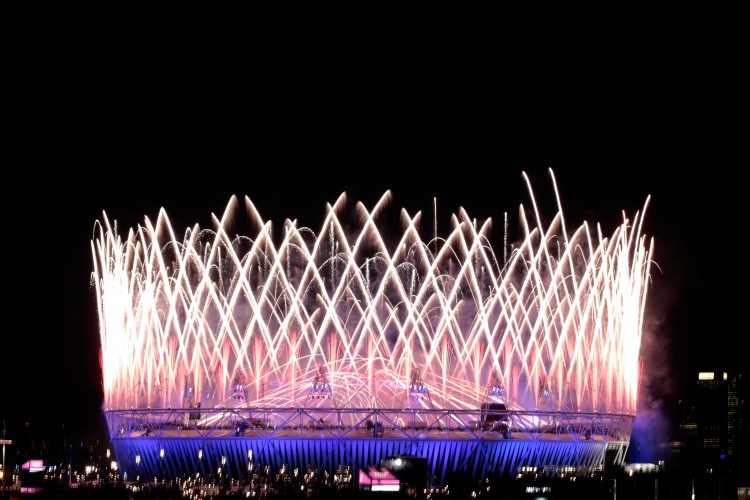
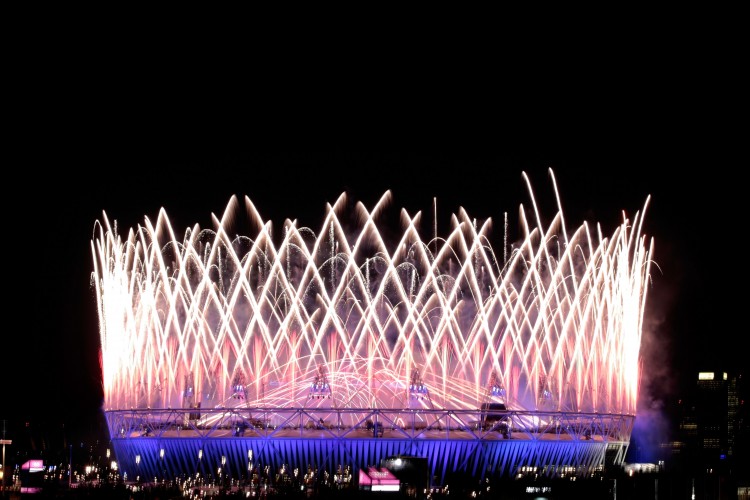
With the 2012 Games now fully underway in London, can the same be said for the economics of the Olympics?
Were the official planners guided by wise rules and did they invest just the right amount in order to maximize the benefit of the British people? Or did they compromise the good health of public finances?
Positive Short Term Economic Boost Expected
A comprehensive report released by Goldman Sachs titled “The Olympics and Economics 2012” deals with exactly these questions. The authors analyzed recent Olympic Games in Beijing and Sydney and also make projections for London 2012.
According to the report, the actual London Games will be profitable, inasmuch as revenues will exceed the direct cost of running the games. Tickets sales alone are expected to reach 500 million pounds ($785 million).
In addition, Goldman Sachs expects a short-term economic boost in the third quarter of 1.2–1.6 percent of GDP at an annualized rate. This boost will come from the outlays of the organizers on staff, security, and other equipment needed to run the games. In addition, hotels, restaurants, and retailers will see an increase in demand from tourists.
This short-term cost/benefit analysis excludes outlays for infrastructure and security spending totaling 8.5 billion pounds ($13.4 billion). Those might be recouped by selling land and facilities, but that will take time and the overall economic impact is much harder to quantify, according to the report.
Lessons From Beijing and Sydney
The experience from recent games in Sydney and Beijing was different, as ex-post analyses show that both games probably delivered a net economic loss. In the case of Sydney, according to a study by Madden and Giesecke from Monash University, the games probably cost the Australian economy AU$2 billion.
Goldman explains this phenomenon by the fact that the Australian economy was already running at full capacity during an economic boom in 2000 and the additional investments and consumption merely crowded out other economic activity.
The same is true for the 2008 Beijing Games. Goldman notes the country’s economy was overheating and that investment in infrastructure was already rampant, so the $40 billion spent over six and a half years added little to the country’s capital stock.
In addition, tourism did not pick up as expected, this time affected by the credit crisis in 2008: “Over the period when the Olympics were being held, tourist arrivals reached one of the lowest points since data started in 1998. This suggests that Beijing’s fully packed hotels and tourist facilities were not entirely representative of nationwide conditions at the time.”
Even worse for the economy, the Chinese regime decided to shut down polluting factories in a radius of 310 miles (500 km) around the city. While this might have had a positive short-term impact on the environment, it intensified the economic problems taking shape in the fall of 2008 as many of those factories never reopened.
The current tough economic times, however, make the short-term benefit for the Olympics in London more viable: “The positive multiplier effects from this year’s games could be larger than they have been in past Olympics, such as Beijing, Athens, and Sydney (when the host economies were already operating close to full capacity).”
The Epoch Times publishes in 35 countries and in 19 languages. Subscribe to our e-newsletter.