
Three years after the Hamas-led Oct. 7 attack that triggered the war in Gaza, Israelis are preparing to vote in an election widely seen as a defining moment for the country’s political future.
The vote will determine whether the longest-serving Israeli prime minister, Benjamin Netanyahu, secures another term or whether a fractured opposition can assemble a coalition capable of ending his long dominance of Israeli politics.
Unlike presidential elections in countries such as the United States, Israelis do not vote directly for a prime minister.
Instead, they elect political parties to the 120-seat Knesset, after which weeks of coalition negotiations typically determine who forms the next government.
With opinion polls showing neither major bloc close to the 61 seats needed for a parliamentary majority, post-election bargaining is expected to be as important as the vote itself.
From security and military service to coalition arithmetic, the election combines long-standing political divisions with new questions raised by the conflicts involving Israel in the past three years.
Here’s what to know before Israelis head to the polls.
Main Contenders
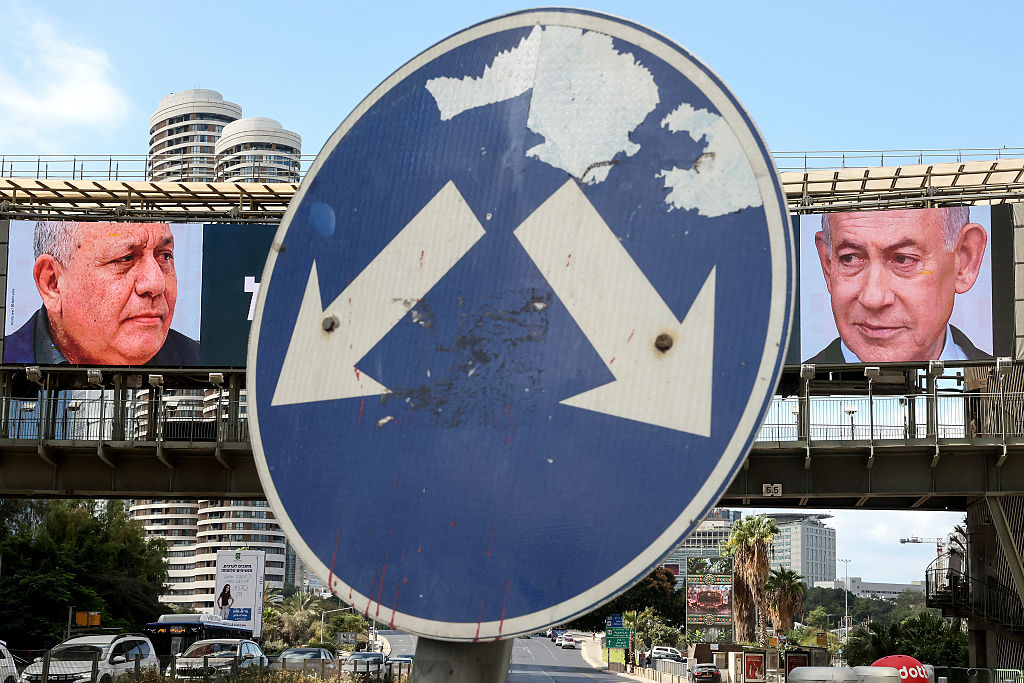
Although more than a dozen parties are running in the election, the race has largely become a contest between Prime Minister Benjamin Netanyahu’s nationalist Likud party and former Israel Defense Forces Chief of Staff Gadi Eisenkot’s centrist Yashar party.
 A worker examines ballots at a printing factory ahead of Israel’s legislative elections in Kiryat Gat, Israel, on Oct. 8, 2026. (Jack Guez / AFP via Getty Images)
He returned for a sixth term in 2022, after Likud and its right-wing allies won a parliamentary majority.
Endorsed by the U.S. President Donald Trump, Netanyahu has also gained supporters who credit him with strengthening Israel’s security, expanding diplomatic ties through the Abraham Accords, and maintaining a tough stance toward regional adversaries.
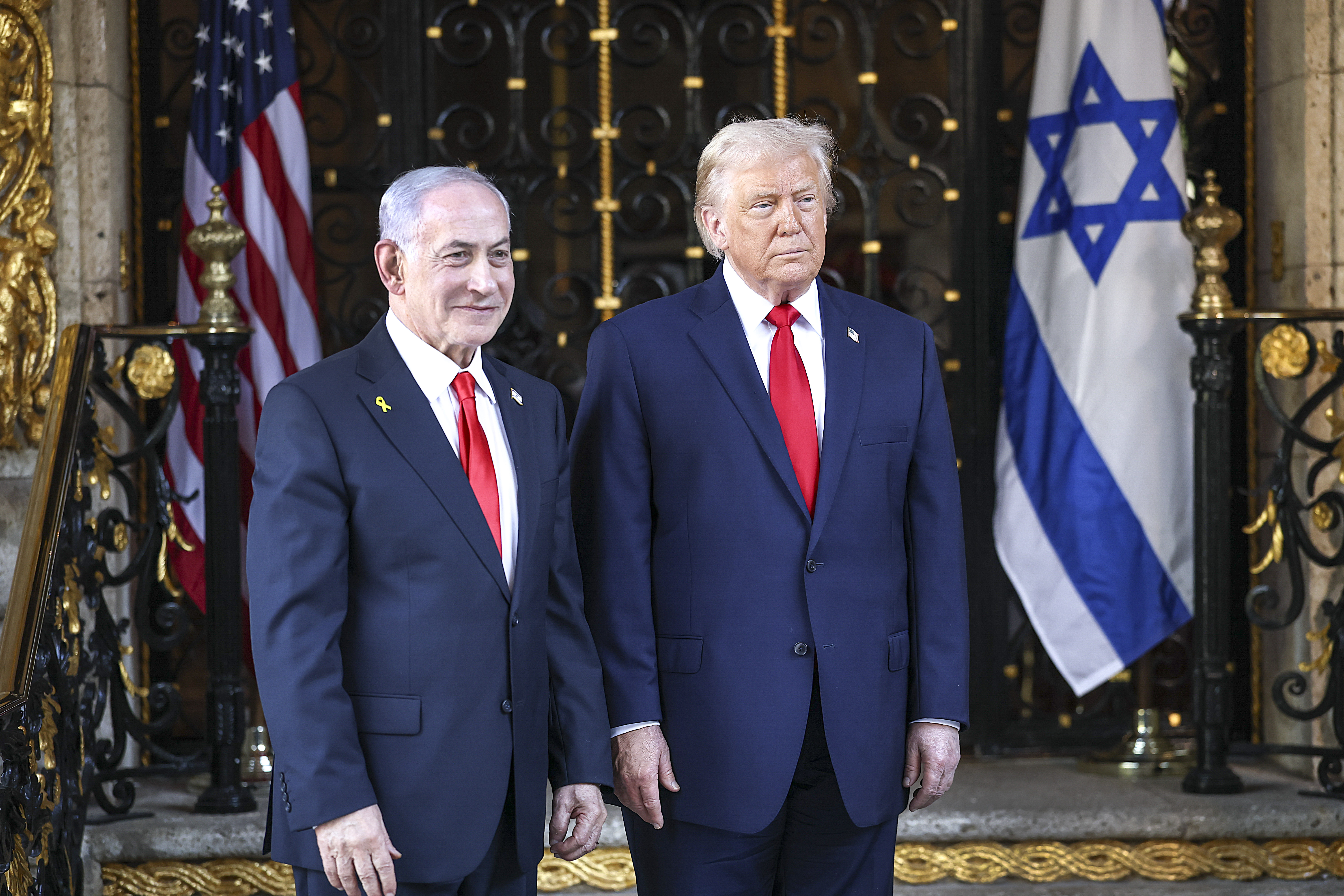 U.S. President Donald Trump welcomes Israeli Prime Minister Benjamin Netanyahu in Palm Beach, Fla., on Dec. 29, 2025. (Joe Raedle/Getty Images)
Approximately 1,200 people died in the Hamas operation, and 251 hostages were taken.
Netanyahu also continues to fight corruption charges at home, which he denies, while the International Criminal Court issued an arrest warrant for him in 2024 over allegations of war crimes and crimes against humanity.
His principal challenger is Gadi Eisenkot, a former military chief who entered politics in 2022 and now leads the newly formed Yashar party.
He has campaigned on integrity, social cohesion, and restoring Israel’s democratic foundations while maintaining a hawkish approach to national security.
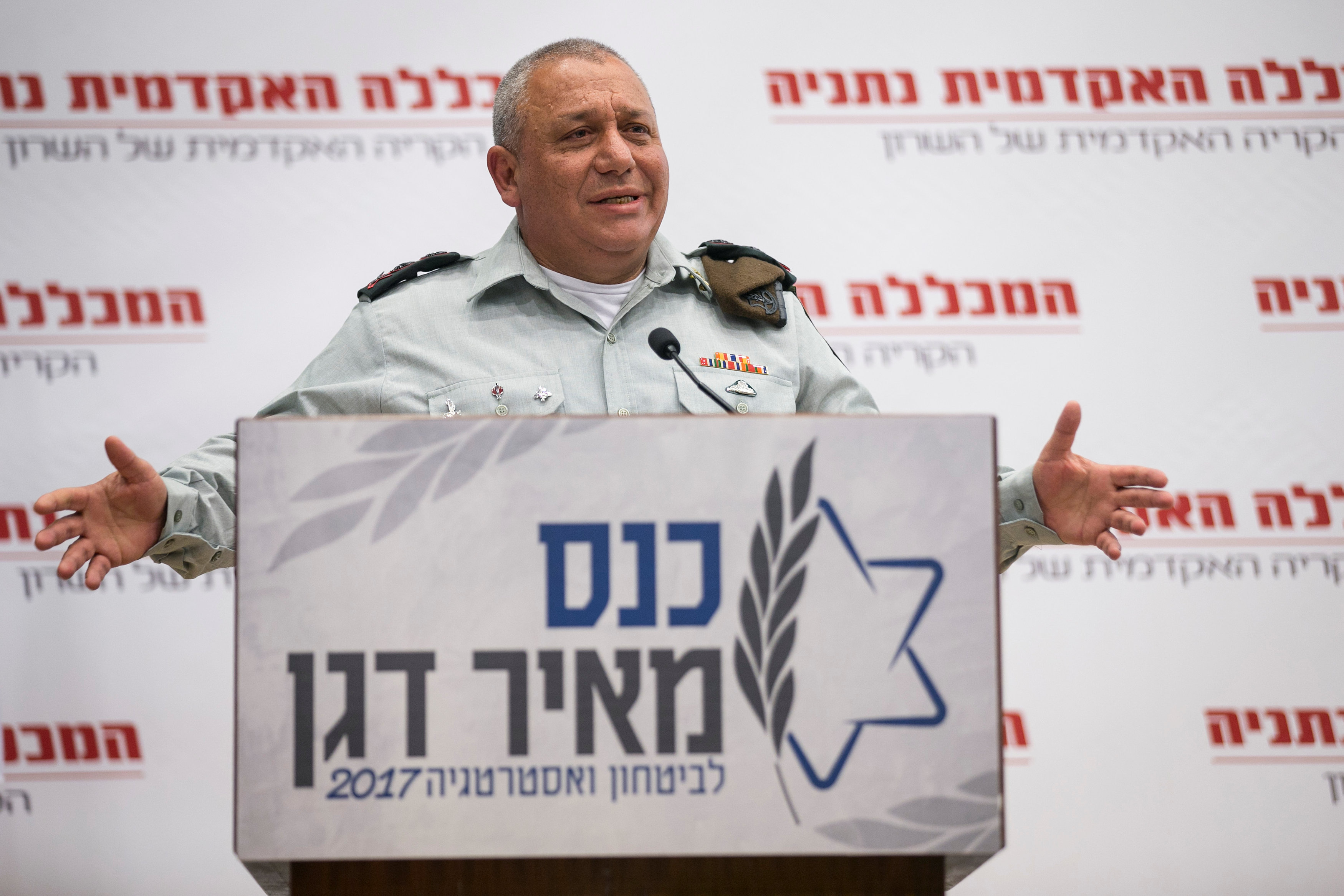 Then Israeli Chief of Staff Lieutenant-General Gadi Eizenkot delivers a speech during a Strategic Dialogue Conference in Netanya, Israel, on March 21, 2017. (Baz Ratner/Reuters)
He has also endured personal loss during the conflict, with his son and two nephews killed while serving in Gaza.
Former Prime Minister Naftali Bennett and centrist leader Yair Lapid have reunited under the Beyachad (“Together”) banner after previously joining forces to unseat Netanyahu in 2021.
Their coalition collapsed more than a year later over internal divisions.
 Former Israeli prime ministers Naftali Bennett (L) and Yair Lapid (R) hold a joint press conference announcing that their parties will run together in the upcoming elections, in Herzliya, Israel, on April 26, 2026. (Ariel Schalit/AP)
Smaller Parties
Several smaller parties could ultimately determine who governs.
National Security Minister Itamar Ben-Gvir’s right-wing Jewish Power party remains a key member of Netanyahu’s bloc and has gained support among younger voters.
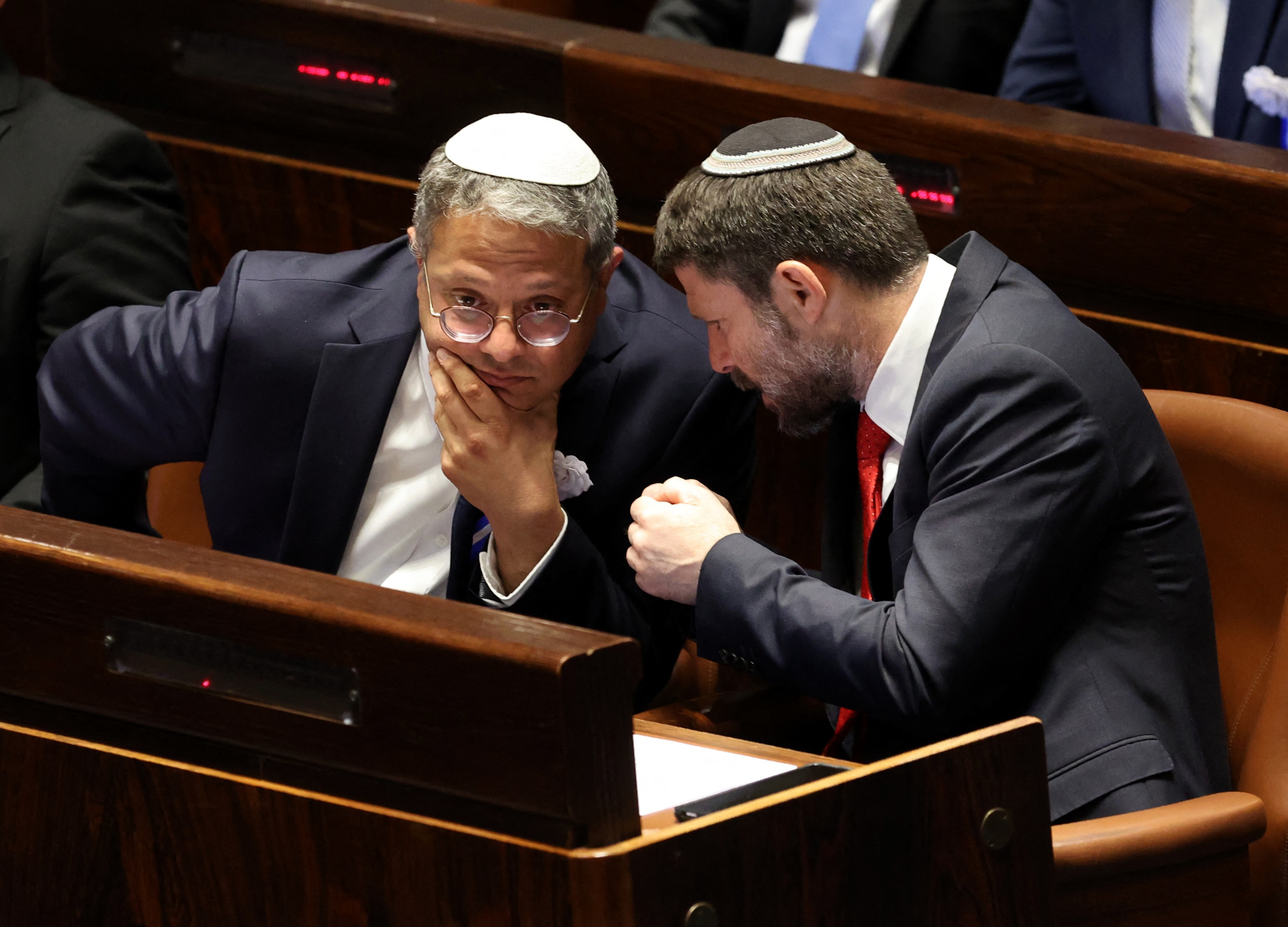 Israeli right-wing Knesset member Itamar Ben-Gvir (L) and Bezalel Smotrich (R) chat at the Knesset (Israeli parliament) in Jerusalem on Nov. 15, 2022. (Abir Sultan/AFP via Getty Images)
Dominating Issues
Security has overshadowed virtually every other issue in Israel’s election campaign.
The election is the first since the Oct. 7, 2023, Hamas attack, and the wars that followed in Gaza, Lebanon, and Iran have fundamentally reshaped political debate.
 Portraits of Israeli hostages held captive by Palestinian militants in the Gaza Strip since the Oct. 7, 2023, attacks are displayed beneath a digital clock showing the days, hours, and minutes they have been in captivity, outside the Tel Aviv Museum of Art, known as the “Hostages’ Square” in Tel Aviv, Israel, Oct. 11, 2025. (Jack Guez/AFP via Getty Images)
Military service has emerged as another defining issue. For decades, many Orthodox Jewish men studying full-time in religious seminaries have been exempt from Israel’s compulsory military service.
Netanyahu’s Orthodox coalition partners have grown increasingly frustrated by his inability to pass legislation preserving those exemptions.
 Israeli security forces attempt to disperse Orthodox Jews trying to block the entrance to the Abu Kabir holding facility in Tel Aviv in protest against the recent arrests of Orthodox draft dodgers on June 10, 2026. (Ilia Yefimovich/AFP via Getty Images)
The campaign has also revived debates over Israel’s relations with the Palestinians.
Netanyahu and his Likud party oppose the creation of a Palestinian state and have continued to support expanding Israeli settlements in the occupied West Bank.
Bennett also rejects Palestinian statehood, saying it would pose a security threat to Israel, while his Beyachad alliance partner, Lapid, has previously supported a two-state solution.
Eisenkot has called belief in a two-state solution after the Oct. 7 attack “delusional,” while opposing the government’s controversial E1 settlement plan, saying it would undermine territorial contiguity in the West Bank.
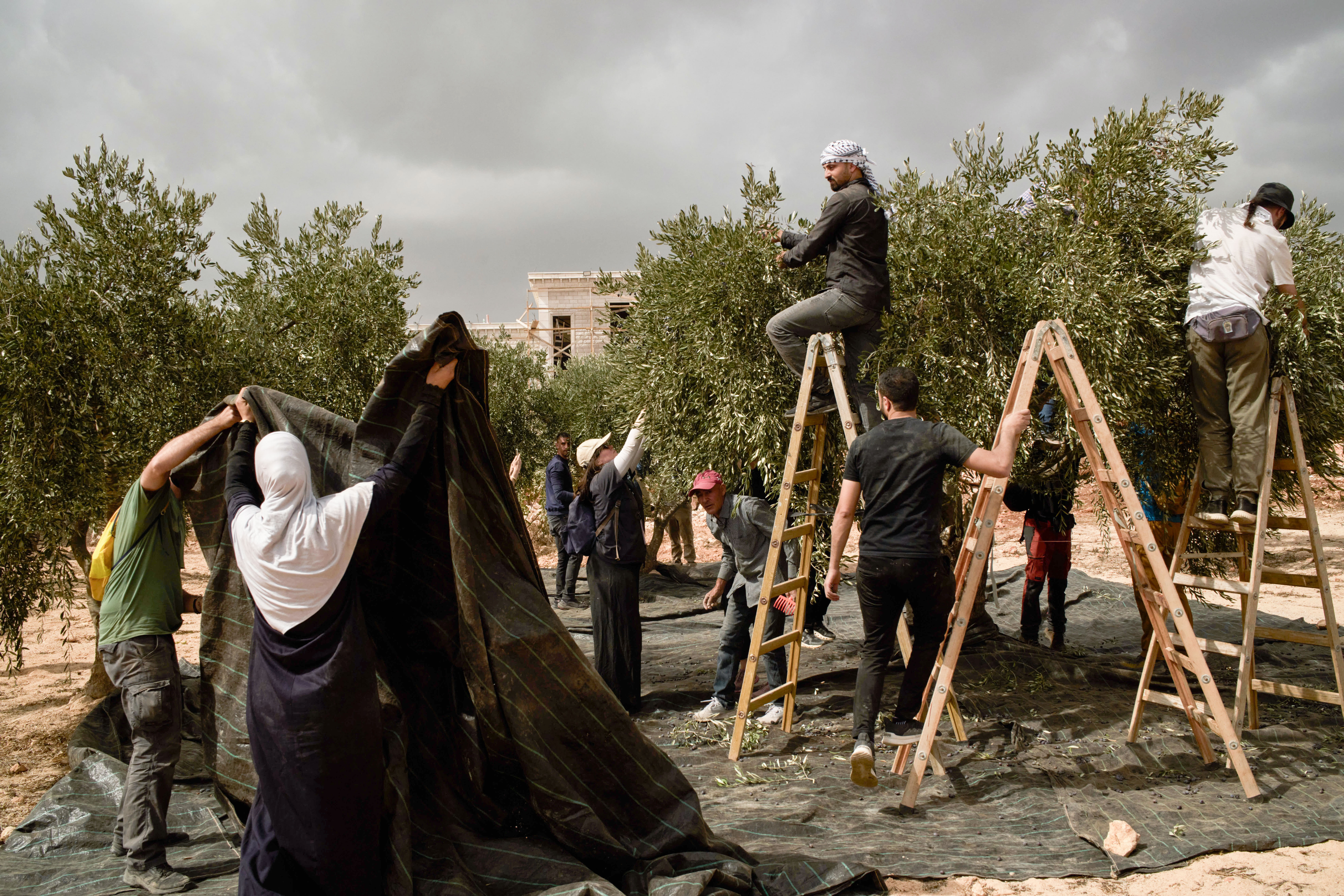 Palestinians and activists collect olives following an attack by Israeli settlers in the West Bank village of Abu Falah on Oct. 16, 2026. (Leo Correa/AP)
How Israel’s Election Works
Israel’s electoral system differs from those used in countries where voters directly elect a president or prime minister. On election day, Israelis vote for political parties rather than individual candidates.
The number of votes each party receives determines how many of the Knesset’s 120 seats it wins under a system of nationwide proportional representation.
No single party has ever won an outright parliamentary majority, making coalition governments the norm.
To enter parliament, a party must secure at least 3.25 percent of the national vote.
Once the results are certified, Israel’s president consults party leaders before asking the lawmaker considered most likely to command a parliamentary majority to try to form a government.
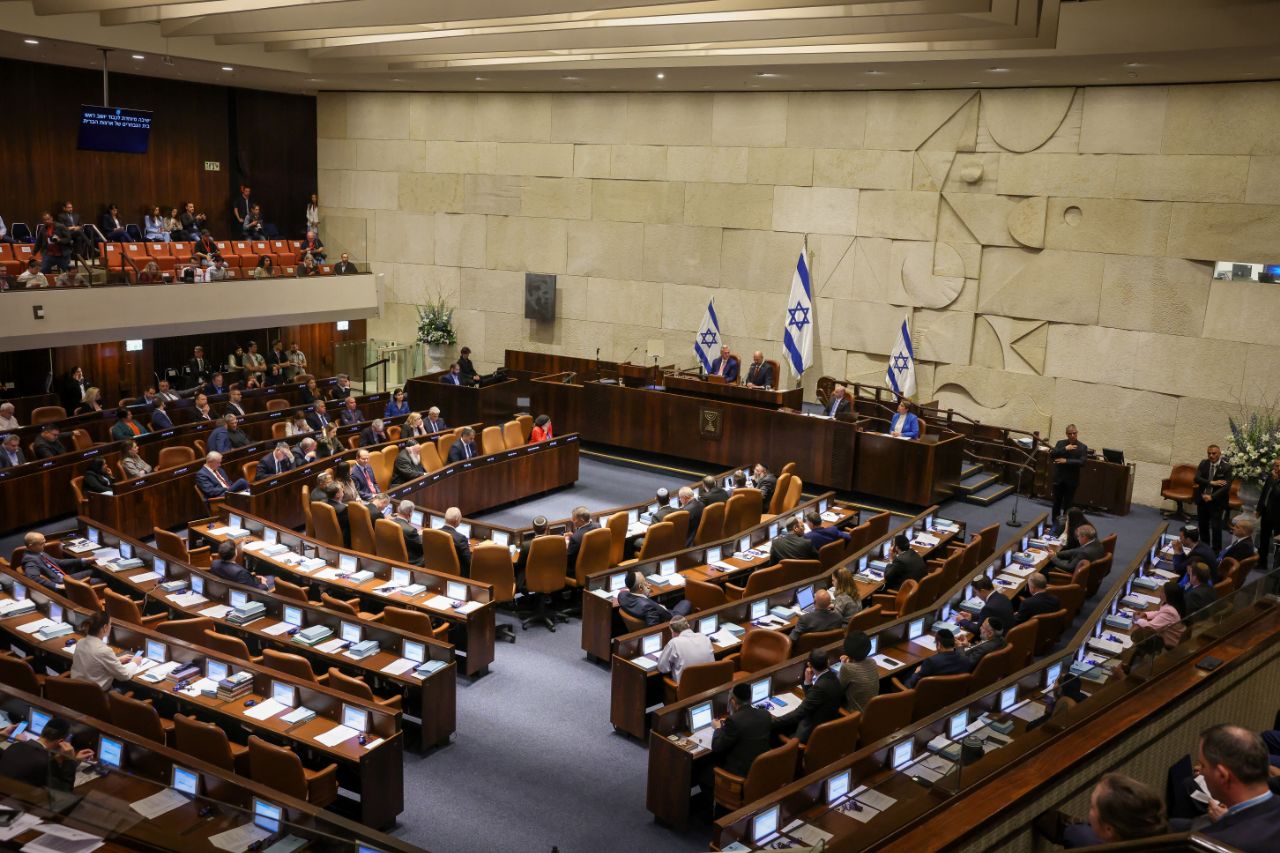 The Israeli Knesset in Jerusalem, Israel, on May 1, 2023. (Noam Moskowitz/Knesset Press Office)
A government requires the backing of at least 61 members of the 120-seat Knesset.
That coalition arithmetic explains why smaller parties often wield influence far beyond their electoral size.
Religious parties, Arab parties, and smaller right- and left-wing factions have frequently played kingmaker, using coalition negotiations to secure policy concessions or cabinet positions.
Polling Snapshot
Opinion polls suggest the race remains highly competitive, but they have also revealed a striking degree of consistency.
Most recent surveys show Eisenkot’s Yashar party ahead of Netanyahu’s Likud, while neither the prime minister’s right-wing and Orthodox bloc nor the opposition appears on course to secure the 61 seats needed to govern alone.
A Maariv/Lazar Research poll published on Oct. 20 projected Yashar to win 21 seats, ahead of Likud on 18, with Beyachad on 13 and the Democrats on nine.
The survey showed Netanyahu’s bloc and the Zionist opposition tied with 51 seats each, Arab parties holding 14 seats, and four seats allocated to parties outside the two main camps.
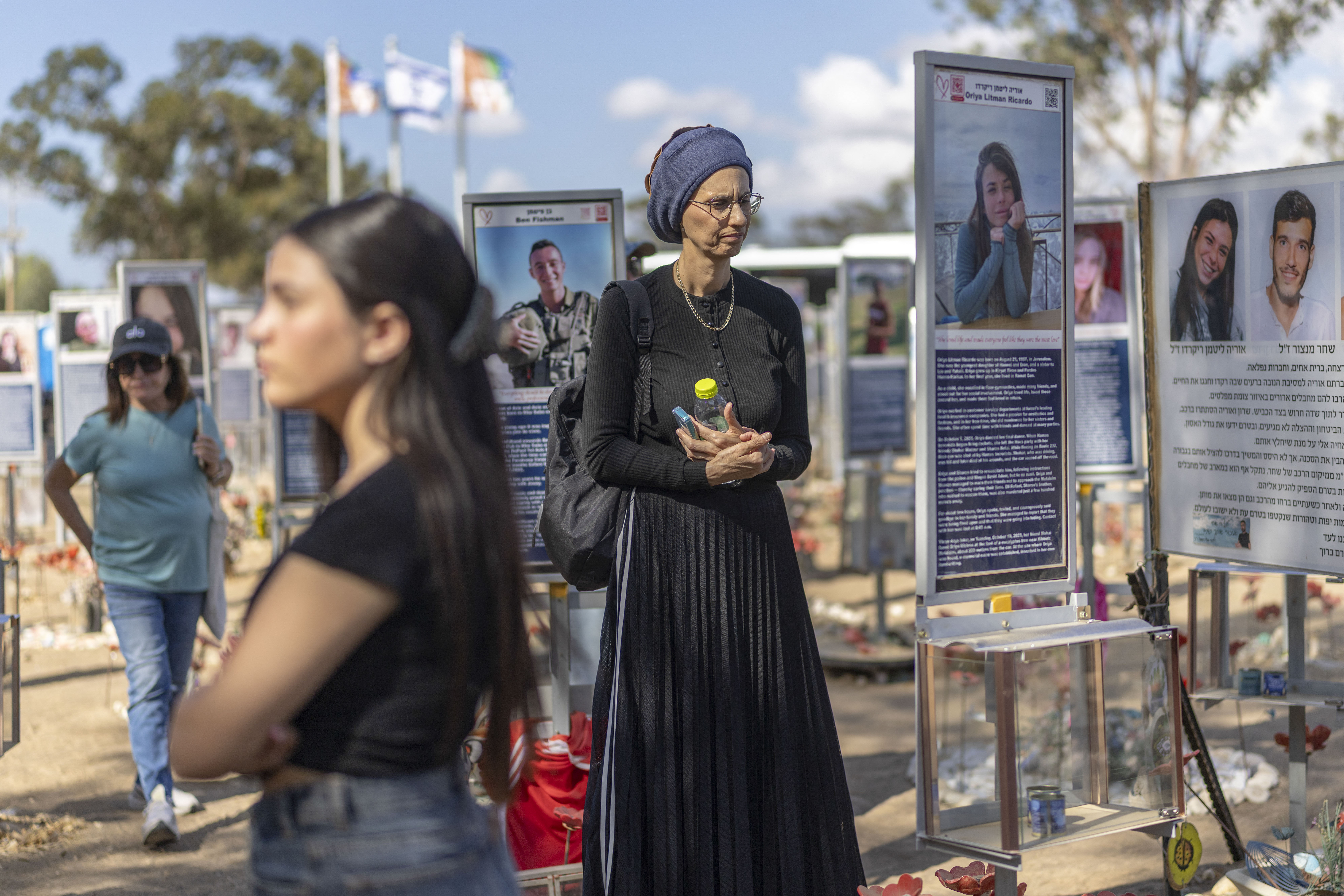 Israeli women pay their respects at the memorial to the victims of the 2023 Hamas attacks at the Nova festival site in Reim, Israel, on Oct. 6, 2026. (Ilia Yefimovich/AFP via Getty Images)
It projected his party to win 23 seats compared with 21 for Likud, while placing the Zionist opposition on 52 seats and Netanyahu’s bloc on 51. Arab parties were projected to win 13 seats, again leaving neither side close to a parliamentary majority.
Although the individual party numbers vary slightly from poll to poll, the broader trend has remained that the opposition has consistently edged ahead of Likud, yet neither political bloc appears capable of governing without support from smaller parties or lawmakers outside its natural allies.
That suggests coalition negotiations, rather than election night alone, are likely to determine who becomes Israel’s next prime minister.
Reuters and The Associated Press contributed to this report.