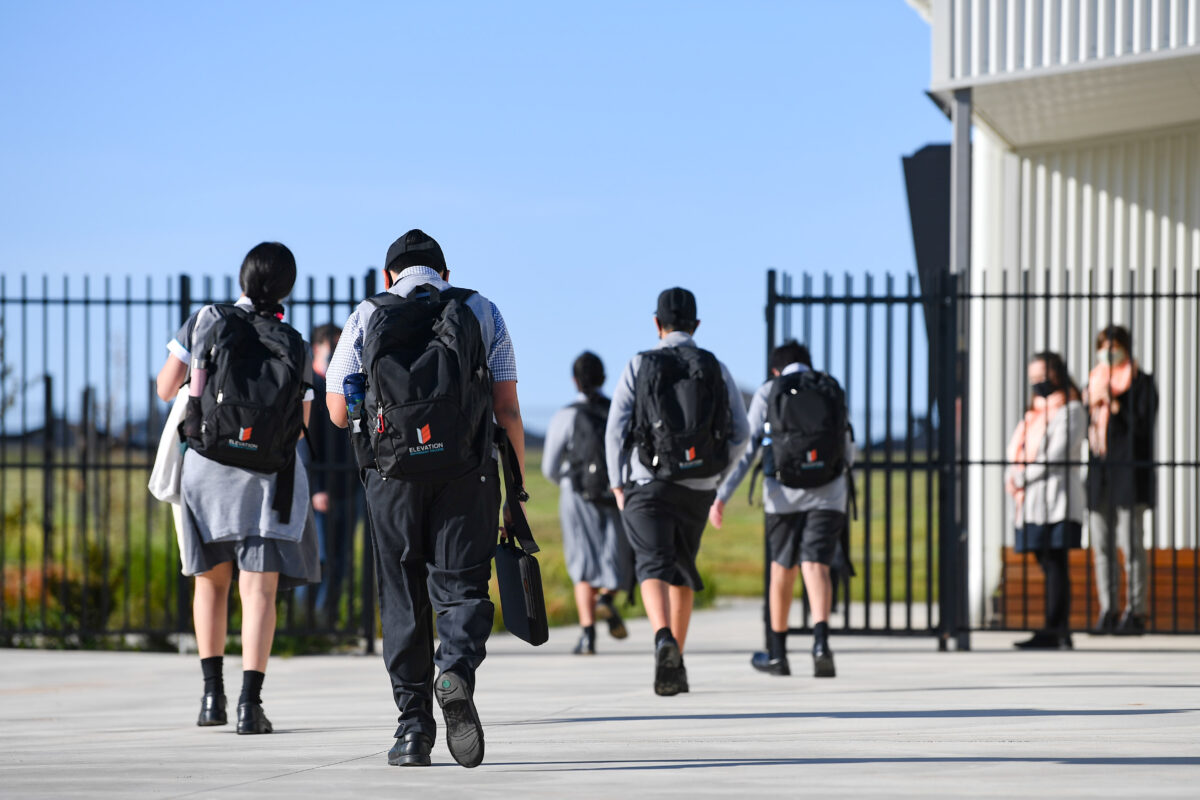

The Australian Centre to Counter Child Exploitation (ACCCE) has asked schools to help combat rising instances of forced marriage.
In 2015-16, the Australian Federal Police (AFP) received 69 reports of forced marriages—a practice that was only outlawed in Australia in March of 2013.
By 2023-24, that number had risen to 91, representing almost a quarter of all human trafficking-related reports that year.
Forced marriages are now the most reported human trafficking offence in Australia.
Despite these figures, experts warn the problem is likely much worse.
The Australian Institute of Criminology notes that many victims are too afraid to come forward due to coercion and cultural pressures.
The closed nature of affected communities makes it difficult to accurately measure the scale of forced marriages in Australia.
Unlike arranged marriages, where both parties fully and willingly consent, forced marriages involve coercion, threats, or deception.
Victim-Centric Approach
AFP Human Exploitation Commander Helen Schneider said schools were on the front lines of identifying and preventing this practice, because they are often best placed to spot signs of forced marriage in school-aged children.
“Things like a sudden change in domestic arrangements, heightened anxiety when talking about family matters or holidays, or having very limited independence can be early indicators of forced marriage,” Schneider said.
The AFP’s Human Exploitation Community Officers work with schools and at-risk communities to raise awareness, provide support, and offer victims pathways to seek help.
“The AFP takes a victim-centric approach that puts the safety and wellbeing of the victim first,” Schneider said.
“[Our] focus is to prevent this crime, However, the AFP will prosecute if someone has been forced to marry against their will.”
First Forced Marriage Conviction in Australia
In July 2024, a Victorian woman became the first Australian to be convicted of arranging a forced marriage.
She was sentenced to three years’ imprisonment for making her 20-year-old daughter marry a man against her will. Less than six months later, the daughter was murdered by the man.
Research from the Australian Institute of Criminology suggests that victims of forced marriage are also likely to suffer domestic and sexual abuse, as well as other forms of exploitation.
Signs of Forced Marriage
Authorities urge educators and the public to be aware of common signs of forced marriage, which may include:
- A family history of elder siblings leaving education early, marrying early, or indicating concerns about an early marriage.
- Strict control by family or community members in and outside of the home, including being the target of surveillance, always being accompanied, and having limited or no control of finances, life decisions, education, and career choices.
- Monitored or restricted communication.
- Concern regarding an upcoming trip overseas.
- Fear about the ramifications of not proceeding with an agreed-upon marriage or engagement.
- Fear of consequences if they refuse to marry.
Australian law applies to forced marriages conducted domestically and abroad, including cases where individuals are taken overseas to be wed against their will.
Support and Resources
The AFP encourages anyone at risk—or those who suspect someone is being forced into marriage—to seek help through the following channels:
- Call 131 AFP (237) or use the AFP’s human trafficking online information report.
- My Blue Sky: A specialised support service run by Anti-Slavery Australia
- Life Without Barriers: A federally funded Forced Marriage Specialist Support Program,
More information on identifying and reporting forced marriage is available on AFP’s website.