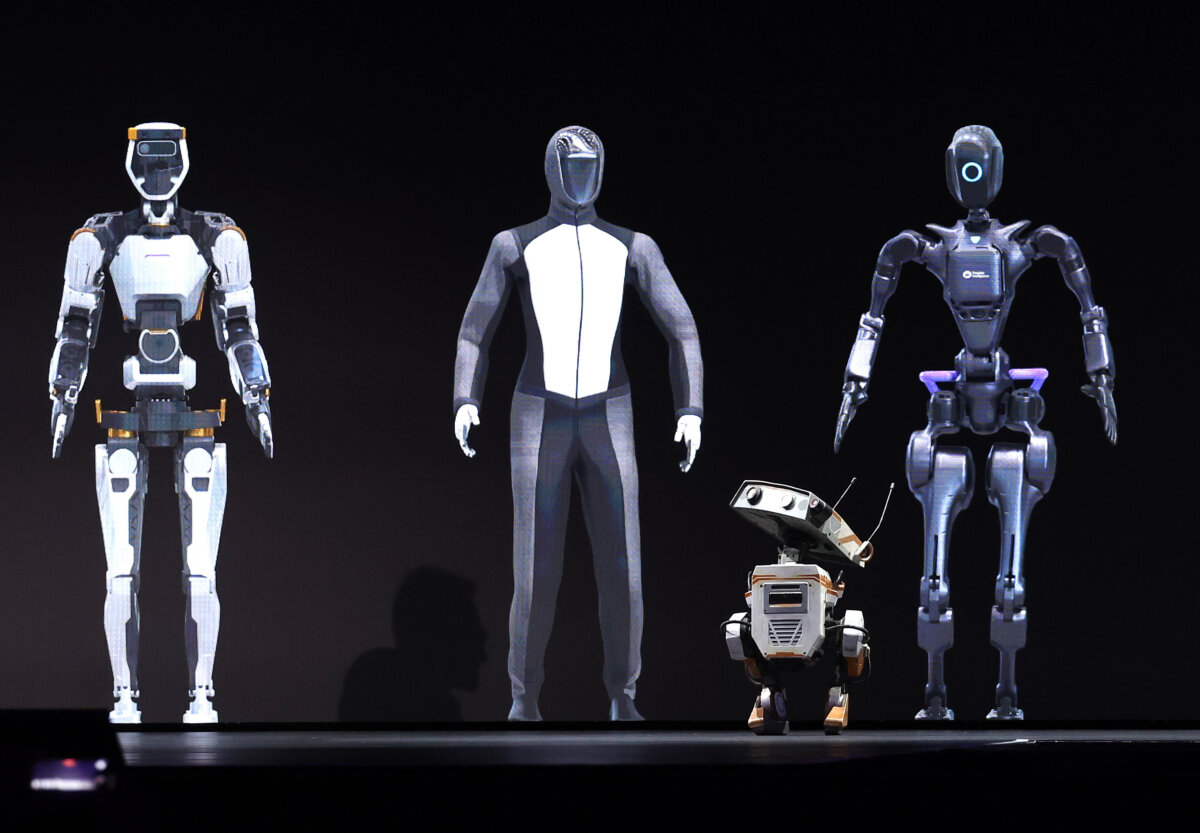

One researcher suggests the risk of AI is not a dark scientific dystopia, but a “comfortable zoo” where humanity’s pursuit of ease and comfort leads to quiet dependence.
In recent years, AI capabilities have grown dramatically, with advanced models showing significant leaps in intelligence
Research from Epoch AI found newer AI programs could grasp PhD level science in less than two years, yet researchers concede they have no clue regarding the nuts and bolts behind how AI is achieving this.
The situation has stoked concerns about the risks of AI’s future, and what it means everyday people.
Paul Darwen, associate dean of IT at James Cook University’s Brisbane campus, said that the risk of AI was less likely to be in the form of harsh dystopic takeovers akin to George Orwell’s 1984.
Instead, he said the current trend was more like Aldous Huxley’s novel, “Brave New World,” where society is fed an overindulgence of comfortable experiences at the expense of personal freedom.
“The fear is not so much [about] Skynet terminator–the evil robots will kill us all–but by seeking comfort,” Darwen told The Epoch Times.
“By seeking to be comfortable, it means there’s a certain retreat from the problems of the real world into a much smaller space which is comfortable and made possible by these tools, and so that eventually it becomes like ‘nanny’ situation.
“You have robots coddling people from cradle to grave. And instead of people being courageous piratical explorers, they just become inmates in a very comfortable zoo.”
Who Needs a Map: People Already Losing Skills
While Darwen said the today’s AI technology was still in its early days and that society was still far from becoming a version of a Brave New World, but he pointed to some creeping examples.
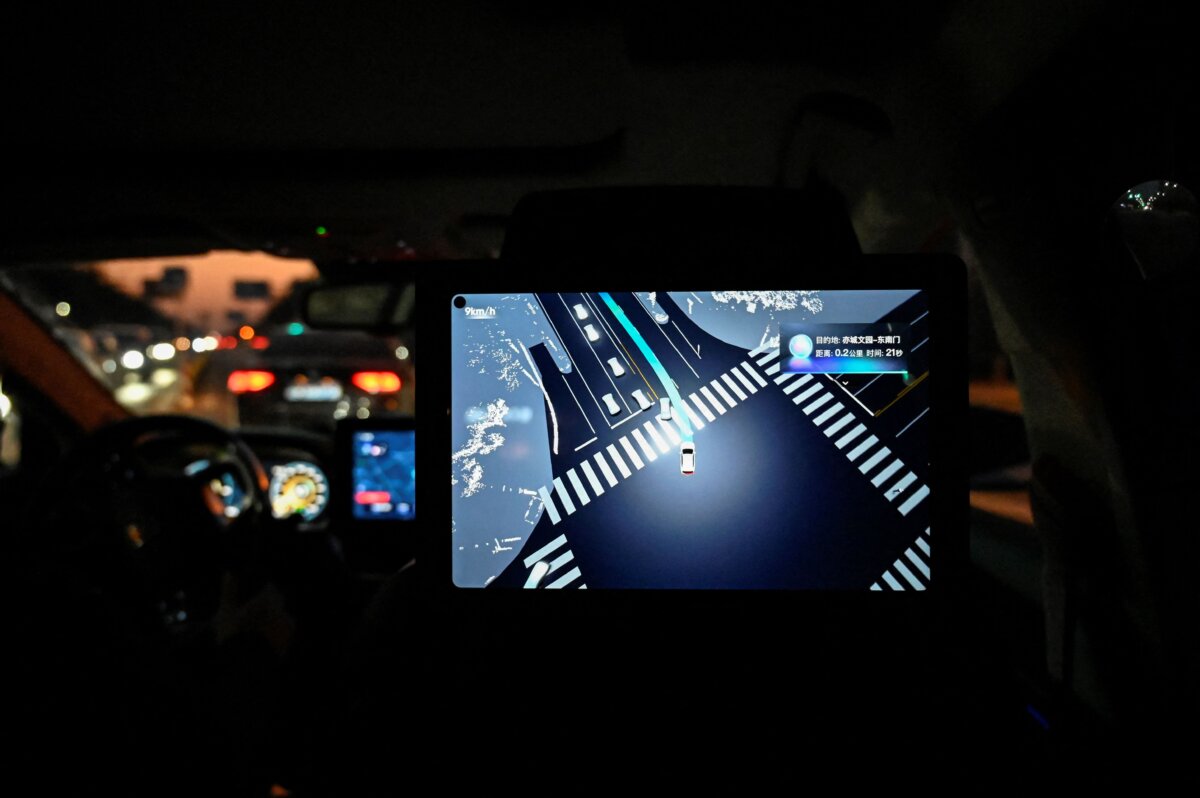
“The closest we have, I think, is the talking maps that are in everyone’s mobile phone,” he said.
“Psychologists tell us that to navigate without a map, you need the neurons, the experience, to be able to construct an artificial map in your mind, the sort of thing that air traffic controllers construct.”
However, the associate dean noted that many people have lost that skill entirely.
“[It comes] to the point that I’ve seen young people when they arrive at the freeway entrance, [and they ask:] ‘So, which direction is it to the Gold Coast?’
“And they have no concept of north or south, or where they’re coming from or where they’re going to. They’re completely at a loss, even on roads they’ve travelled many times before.
“It’s these sort of mental skills that they are missing out.”
Japanese Engineer Warns Too Much Comfort Renders Life Meaningless
In recent years, well-known figures in the AI industry have weighed in on AI’s contribution to mankind.
In January 2024, former OpenAI executive Zack Kass predicted that AI would be the solution to global problems.
Specifically, he said in the future, people would rely heavily on AI in their daily lives as smart computer programs replaced many professional and technical jobs.
Kass also stated that AI could probably be “the last technology humans ever invent” and that lives would become more fulfilling, joyful, and there would be less suffering.
Kass’s remarks echoed the views of OpenAI CEO Sam Altman, who in 2021 said AI could enrich society and ensure people wouldn’t need to work for basic survival anymore.
In contrast, Japanese electronic engineer and political commentator Satoru Ogino previously told The Epoch Times that the level of comfort AI could help humanity achieve would result in a less meaningful existence.
“Having high incomes without needing to work is merely a utopian fantasy. Only through hard work do things gain true meaning, and only then will people cherish everything,” he said.
“If everything becomes readily available, people will lose their sense of happiness and the meaning of existence, leading to greater crises and problems.”
In addition, Ogino was less optimistic about AI’s contribution to society regardless of its trajectory.
“In a negative scenario, the continuation of human survival will face enormous challenges,” he said.
“In a positive scenario, humans will become overly dependent on AI for all decisions, cease to labour and think, and eventually become puppets manipulated by AI, altering their thoughts and behaviours.”