
Pubs, hotels and tourism groups are breathing a sigh of relief after Labor watered down a proposal to slash backpacker visas.
Working holiday-makers wanting to stay in Australia a third year were going to be forced into a ballot for a shot at one of 5,000 visas, down from the current 31,000.
But Labor has walked that limit back, lifting the third-year backpacker cap to 25,000, Immigration Minister Tony Burke announced on Nov. 17.
Second-year backpacker visas will also remain capped at 45,000, but visitors will need to work in the regions for 120 days—rather than the current 88—to qualify from March onwards.
They will need to meet the existing requirement of six months’ regional work to stay for a third year.
“This is a much better outcome for regional and remote Australia than when the new migration measures were first announced,” said Australian Hotels Association CEO Stephen Ferguson, calling the backtrack common sense.
“To be blunt, we would have preferred to keep the old demand-driven system, but the government has listened to our concerns.
“Now we just need to get on with it.”
The backpacker ballots are among a suite of changes announced by Burke in September in an attempt to pull migration-driven population growth down from about 300,000 a year to a long-term target of 225,000.
The Coalition and One Nation have heaped pressure on the government to stem a post-pandemic arrivals surge, both promising deeper cuts.
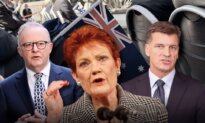
But Opposition Leader Angus Taylor said the ballots were a clumsy way of lowering migration.
“Working-holiday visas are an important part of our migration mix and we want to see more of it in regional areas … but they’ve created a complete mess with this raffle,” he said.
“He’s lost control of our borders and, at the same time, he’s failed to deliver the skills we need.”
The higher caps on backpackers would not stop the government hitting its closely-watched migration targets, the immigration minister said.
“That’s what’s forecast in the budget, that’s what we’re doing, that needs to happen,” Burke said.
“The total numbers haven’t changed—we work with industry in making sure that we get the best possible landing for the economy.”
A slowdown order on visas for British backpackers, who are exempt from the rural work requirement, was giving the migration system “headspace” to ensure the totals stacked up, Burke added.
Labor wants the exemption removed entirely to help slow arrivals of UK working holiday-makers, but that did not fly with British Prime Minister Andy Burnham when he met with Prime Minister Anthony Albanese earlier in November.
Nationals leader Matt Canavan said there was no need for backpacker caps at all, touting the Coalition’s pledge to concentrate migration cuts on student, graduate and bridging visas.
“This government refuses to take serious action … so it was left with a half-hearted action on backpacker visas, which has been a complete disaster,” he said.
“It does concern me that we keep tinkering here with a program that works.”
Senator Canavan said it was unnecessary to meddle with the arrangements around British working holiday-makers, which fall under a free trade agreement, suggesting the government could increase visa fees if it wanted fewer of them.
The National Farmers Federation said Burke’s announcement was a step in the right direction but “logistical realities” needed to be ironed out before it could fully support it.
Backpackers filled roughly one in seven farm jobs, the federation said.
Tourism and Transport Forum CEO Margy Osmond agreed the changes needed to go further.
“The caps need to go,” she said.
The sector had previously warned Labor’s changes would damage Australia’s reputation as a sought-after destination and harm tourism-dependent areas.
By Noah Secomb and Will Nicholas in Canberra.