
The federal Liberal-National Coalition has not done enough to gain the confidence of voters after its historic loss to Labor in the last election, a newly released poll shows.
Most concerning for Liberal leader Sussan Ley and party strategists, more than half of voters who gave the coalition their support in May would no longer do so. That represents approximately five million fewer votes if an election were held today, a potentially devastating fall in its base vote.
In the 2025 federal election, the coalition persuaded 96 percent of those seriously considering them to vote for one of its two member parties in order to achieve its 31.8 percent of the primary vote.
In comparison, since Labor started off with far more substantial support, it only had to persuade 82 percent of those seriously considering it for their first preference to achieve its 34.6 percent result.
That means the coalition needs to increase by 9 percent those prepared to consider them, just to be even with Labor.
Fifty-eight percent of voters said they have voted for the coalition federally in the past. Of those, 44 percent are not prepared to consider voting for them now, and a similar proportion (45 percent) did not vote for them in the 2025 federal election.
Not only are the Liberal and National parties failing to retain the confidence of their supporters, they are making no inroads into the broader vote, with two-thirds of 5,000 respondents to the YouGov poll taken in July saying they wouldn’t give their first preference to the coalition.
The survey was conducted on behalf of the think tank, Blueprint Institute, which concluded in its report on data, “Winning Back the Coalition’s Missing Middle,” that the coalition needs to do more than appeal to its base or undecided voters if it wants to win government through improving its primary vote.
“It must expand the number of people who are willing to consider its candidates as an option,” the report said, but warned that the opportunity to increase its primary vote among that cohort was “extremely limited.”
Environmental and Housing Policy
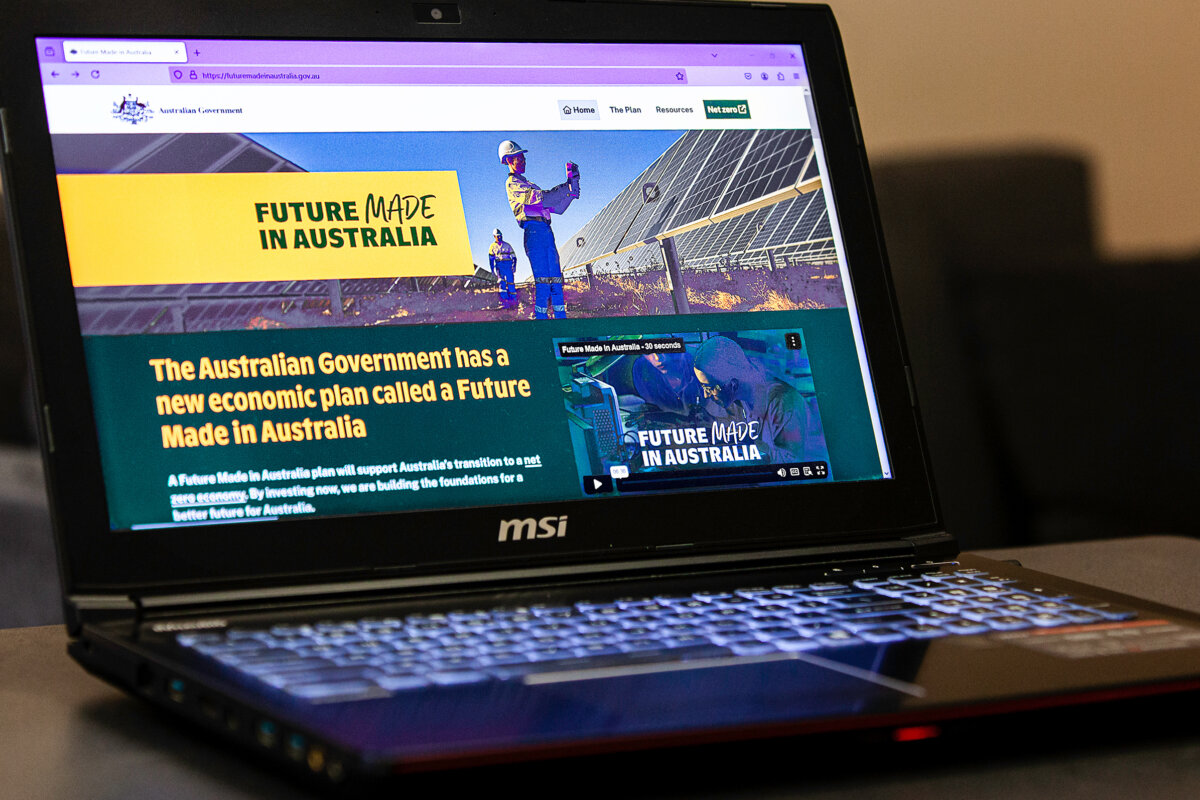
What appears to be driving previous supporters to turn their backs on the Liberals and Nationals is the parties’ policies—or perceived lack of policies—on climate change, renewable energy, and housing affordability.
Four in five former coalition voters and just over 70 percent of independent voters agreed the Liberals and Nationals needed a more comprehensive policy suite before they merited serious consideration.
Half of those who had previously voted for the coalition but had not done so at the 2025 election were critical of the coalition’s policy offerings on those topics.
For instance, only 16 percent of former supporters believed it was serious about addressing climate change, and more than half of all former coalition voters want it to retain its commitment to a net-zero emissions target.
The Liberals and Nationals are split on the net-zero by 2050 target, with more conservative and outspoken members wanting the commitment scrapped.
But they are at odds with inner city and moderate Liberals who have called for stronger climate action policies.
As a result, Liberal MPs have been all but wiped off the map in such electorates, going from holding 17 in 2019 to four in 2022, to just one at the last election.
Even in outer suburban areas, the party went from 21 seats to just eight across the same period.
In total, the Liberals were reduced to 28 out of 150 seats in the House of Representatives, their worst-ever result, as Labor increased its tally to 94 from 77, giving the party its largest-ever majority in an election.
The National Party retained its 15 seats, and initially announced it was breaking away from the coalition, though it has since agreed to remain.
Those who left the conservative parties were predominantly parents with young children and full-time workers in their 20s to 40s, the survey found.
The coalition is still seen as having strengths in economic management, national security, and foreign affairs, rating well on voter confidence in its ability to handle those issues.
Blueprint Institute co-founder Lachlan Crombie said the coalition would need to gain a broad appeal to voters rather than appealing to just a narrow sliver.
“That means appealing to young families who are not particularly ideological, but have turned away from the coalition because it’s drifted away from representing the values of modern Australia,” he said.
AAP contributed to this story.