
B.C. premier-designate Lorne Doerkson says his Conservative Party caucus is united after winning the Oct. 24 election, adding that his team must now make tough decisions to fulfill its campaign pledges.
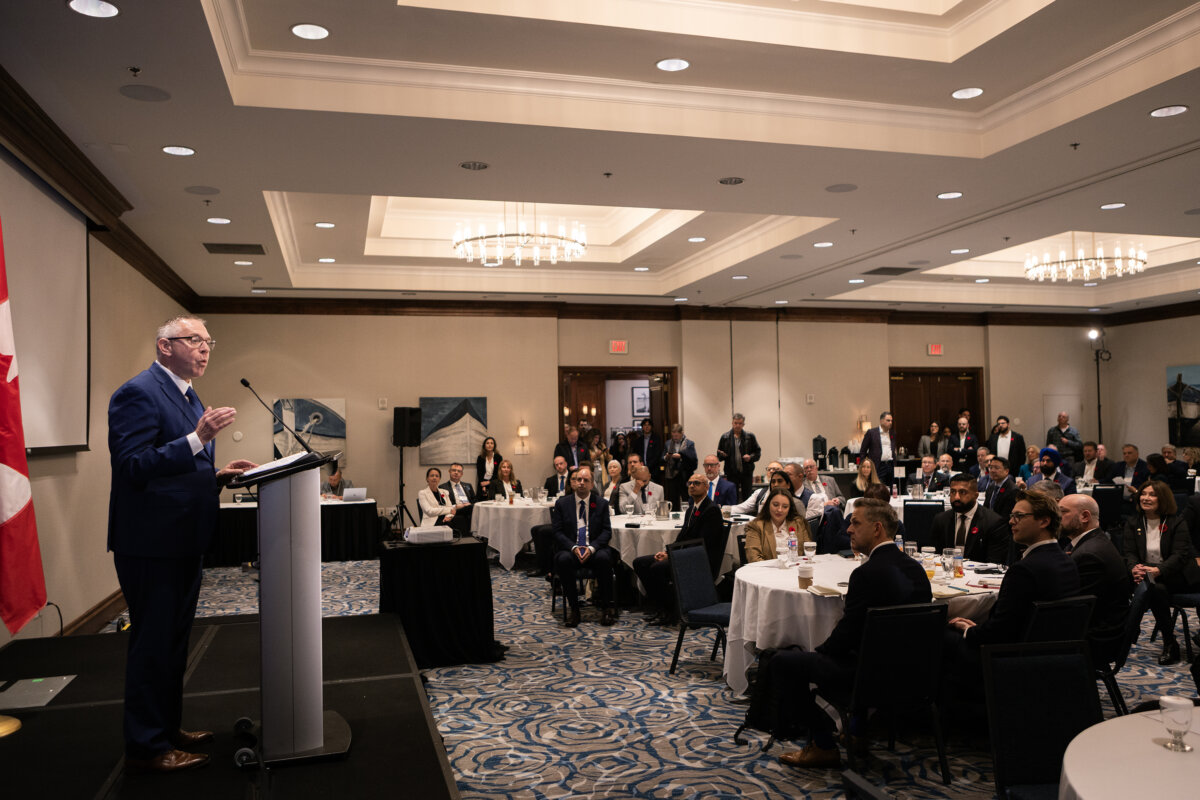
Doerkson made the comments during the party’s first caucus meeting on Nov. 2 in Victoria, following a landslide election victory that gave the Conservatives 63 seats in the provincial legislature, according to unofficial results.
The victory followed a turbulent period for the party marked by floor-crossings, senior staff resignations, allegations involving leaked text messages, and the departure of former leader Kerry-Lynne Findlay.
Several Conservative members had quit or been removed from caucus during Findlay’s leadership. She resigned two days before outgoing Premier David Eby called a snap election, two years ahead of schedule.
“I know that there will be a lot of commentary about this caucus, and a lot of people watching to see whether or not we can hold it together,” Doerkson said. “So let me save everyone the suspense: this caucus is unified.”
Doerkson told Conservative MLAs that although they had campaigned under the party’s banner, they now had a responsibility to govern on behalf of all British Columbians, regardless of how residents voted.
“That is the responsibility, of course, that comes from winning, but it makes making difficult decisions somewhat, maybe unpopular,” he said.
Doerkson said British Columbians could count on Conservative MLAs to remain focused on their election commitments, including improving the economy, healthcare, and public safety.
“We will build the infrastructure that a growing province needs. And we will absolutely give forestry the attention and respect that it deserves as a cornerstone of our economy for the future,” he said.
The Conservatives campaigned on rejecting new taxes, introducing provincial sales tax exemptions for small businesses, returning greater control over housing decisions to municipalities, expanding liquefied natural gas development, and repealing the Declaration on the Rights of Indigenous Peoples Act (DRIPA), among other issues.
The proposed repeal of DRIPA has drawn opposition from several First Nations leaders, including Grand Chief Stewart Phillip, who warned that repealing the legislation would constitute a “declaration of war.” Other indigenous leaders have urged the incoming government to retain the legislation as a framework for reconciliation.
Doerkson said he was committed to repealing DRIPA “as soon as we can,” amid criticism that it has created uncertainty and division.
The premier-designate said newly elected MLAs would be sworn in on Nov. 19, with the new cabinet to be announced on Nov. 20. He did not say whether he would recall the legislature for a fall sitting.
The BC NDP have questioned whether the Conservatives could deliver their promised tax reductions while also reducing the provincial deficit and maintaining public services.
The Conservatives have rejected suggestions during the campaign that their proposals would undermine public health care, saying they intended to maintain universal coverage, recruit additional doctors and nurses, and improve access to medical services.
The Canadian Press contributed to this report.