
ADELAIDE, Australia—Australians should not ignore CCP threats to political dissidents overseas, warns an exiled former Hong Kong lawmaker, who says the consequences will ripple throughout the region.
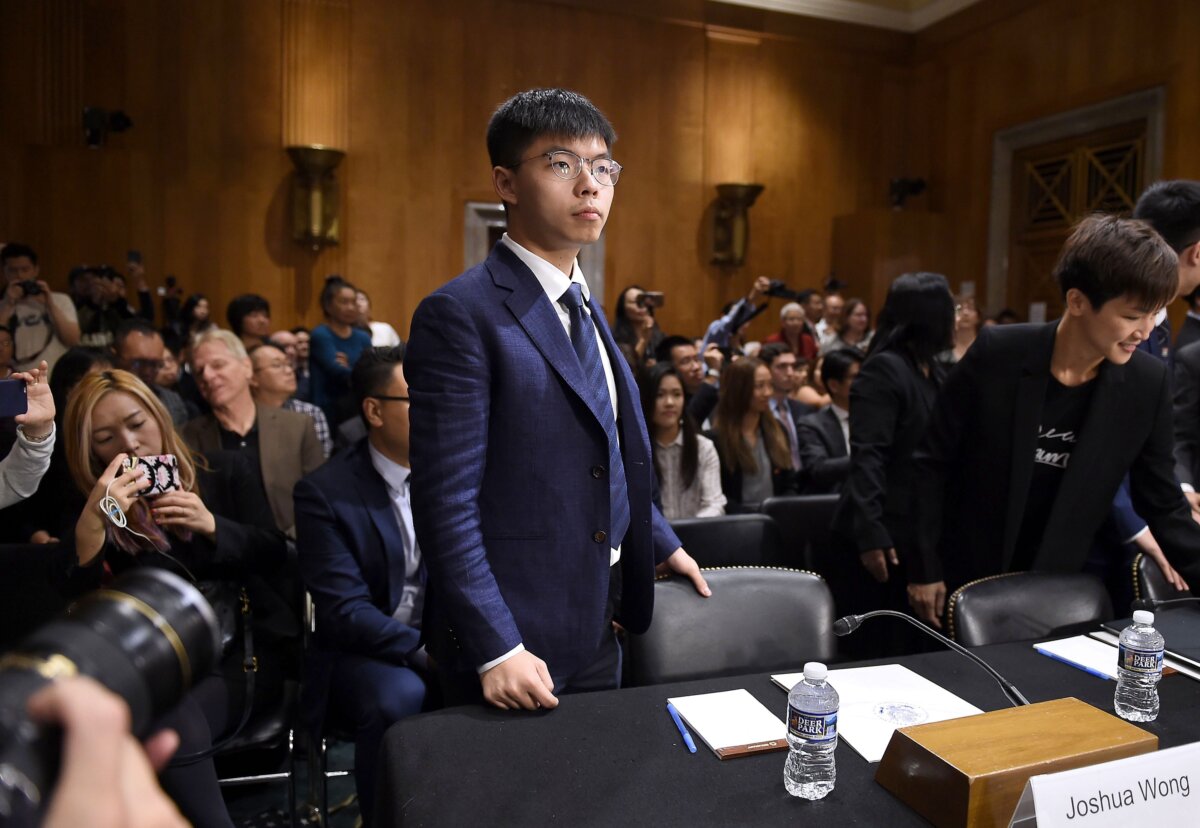
The former Hong Kong legislator, Ted Hui, who now resides in Adelaide was responding to the 10 year sentence handed down to democracy activist Joshua Wong by the Chinese Communist Party (CCP)-controlled authorities on Nov. 5.
“[The CCP wants] to extend its control in other lands in the world,” Hui told The Epoch Times.
“You never know that one day it will come to the Indo-Pacific area, and one day it will be very close to Australia.”
Wong, now 30, had pleaded guilty to conspiracy to collude with foreign forces under Hong Kong’s National Security Law (NSL).
The student activist has been imprisoned since November 2020 and is expected to remain behind bars until late 2036, when he will be 40.
Hui says not standing up for Wong means Australia could face “endless bullying in terms of trade” and “ideological influence over people’s minds” that would extend to government decisions and elections.
“Australia has to know that it’s a threat that cannot be controlled if we continue to be too soft.”
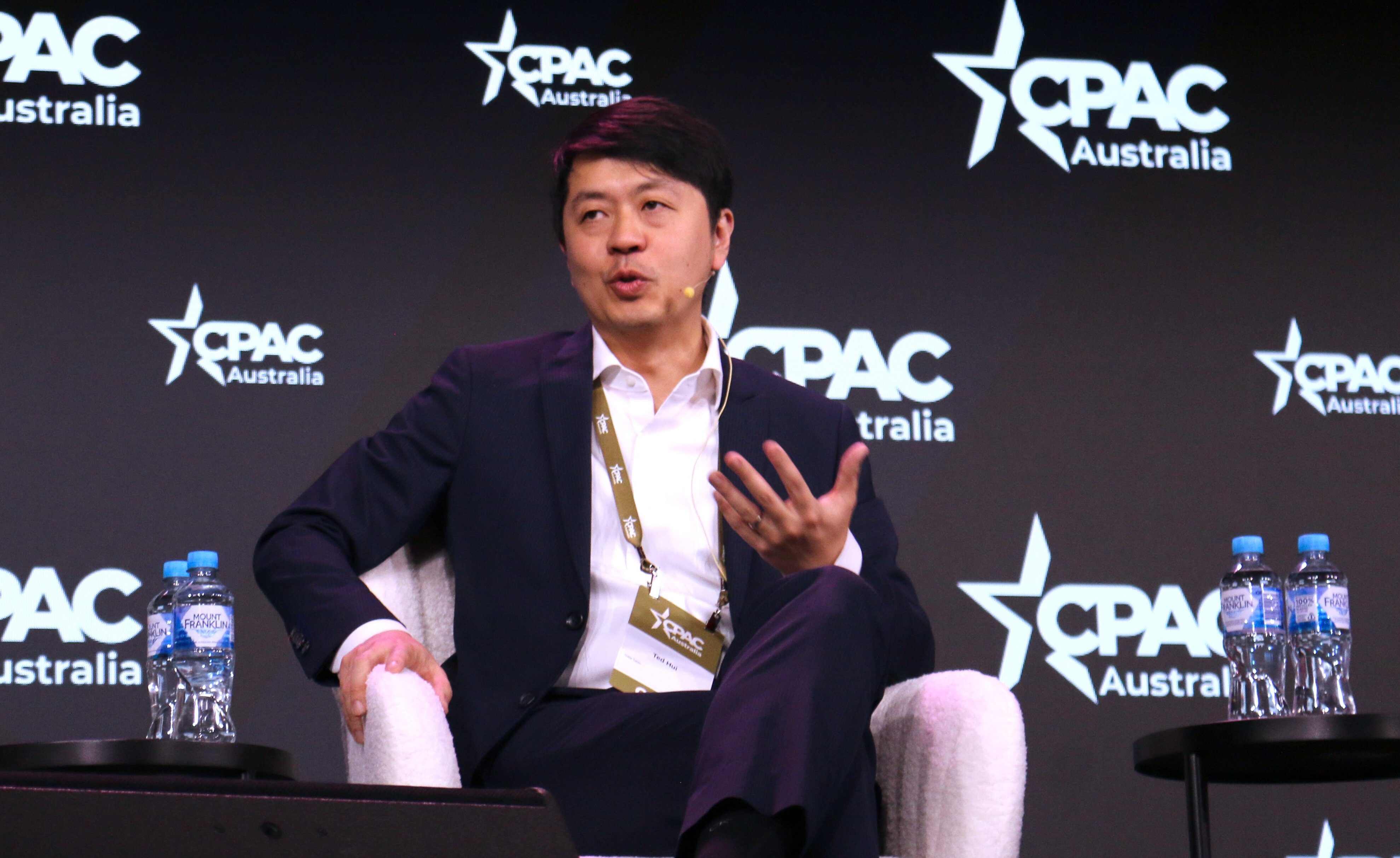 Former Hong Kong Legislator Ted Hui in exile speaks at CPAC Australia in Brisbane on Sept. 21, 2025. (Melanie Sun/The Epoch Times)
On Sept. 8, the Australian Senate also launched an inquiry into transnational repression, a subset of foreign interference, and involves the targeting of diaspora communities in Australia.
“We have heard about officials filming protests, families overseas hauled in for questioning over a relative’s social media post, and fake accounts set up to harass community leaders. This inquiry is a chance to get answers,” Greens Senator David Shoebridge wrote on X.
Australia has so far joined nine other countries, including the United States, United Kingdom, and Japan, in a joint statement on Nov. 6 condemning Wong’s imprisonment.
“We call for an immediate end to all unjust prosecutions of individuals charged under the NSL and urge the authorities in China and Hong Kong to uphold their international commitments and honour the rights and freedoms guaranteed to the people of Hong Kong under the Sino-British Joint Declaration (1984),” the statement reads.
Hong Kong authorities reject the criticism, maintaining that Wong had pleaded guilty and was sentenced through independent judicial proceedings. They expressed “strong dissatisfaction and firm opposition” to the foreign governments, accusing them of interfering in the territory’s internal affairs.
Although acknowledging Australia’s diplomatic response, Hui argued that statements alone were insufficient.
“The Australian government should issue sanctions against Hong Kong officials and Beijing officials who has been putting dissent into jail,” he said.
Hui also warned that Australia’s economic relationship with China should not prevent it from raising human rights concerns.
“If we continue to … act like business as usual, then one day, when it threatens Australia’s interest economically, ideologically, it will be a time too late to turn back,” he said.
Yang Lu contributed to this story.