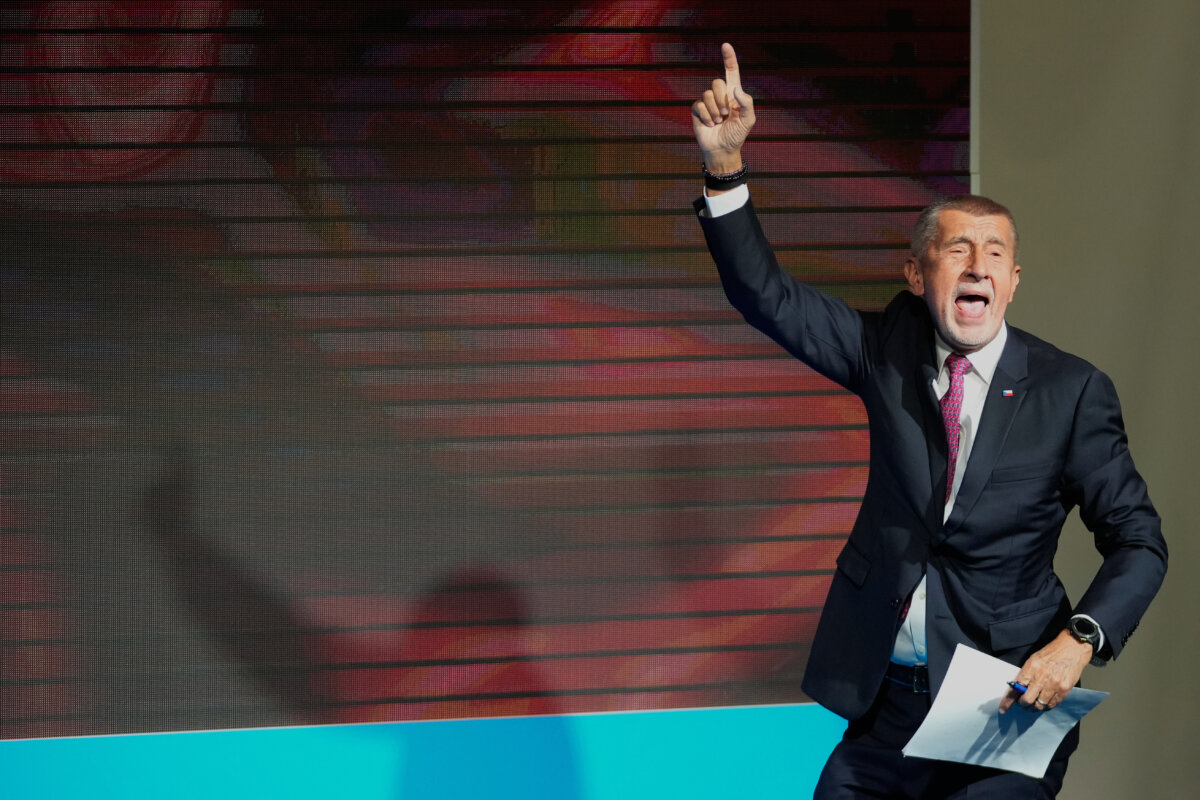

Former Prime Minister Andrej Babis is working to form a government after staging a political comeback to win the biggest share of the vote in the Czech Republic’s parliamentary election this weekend.
Slovakian-born billionaire Babis did not achieve an overall majority, but won the election with pledges to end military aid to Ukraine and to put the needs of the Czech people first.
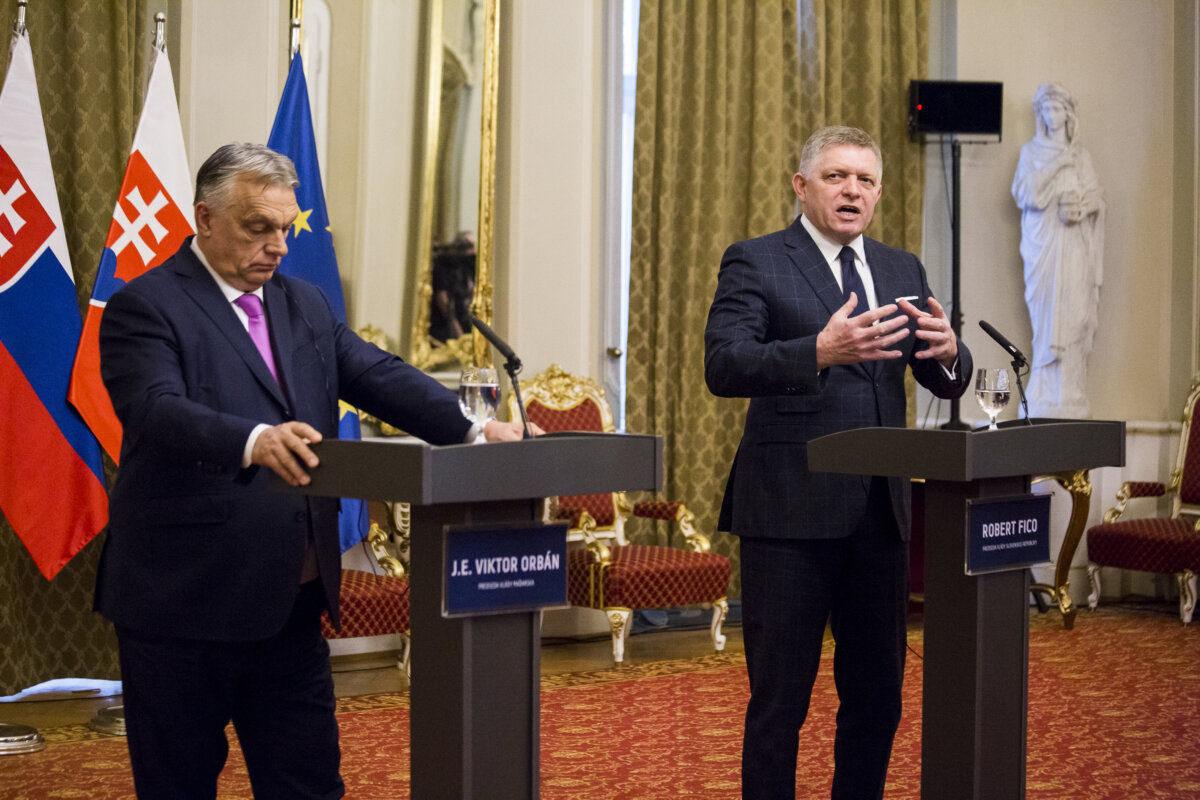
If he becomes prime minister, his policies will align with those of neighboring Prime Ministers Viktor Orban of Hungary and Robert Fico of Slovakia, who have continued to import Russian oil throughout the war with Ukraine and oppose European Union sanctions against Moscow.
The ANO movement, which Babis started (an abbreviation of Action of Dissatisfied Citizens that means “Yes” in Czech) to counter mainstream political parties, claimed its greatest election victory since its foundation in 2011.
Comparisons to Trump
“It’s for me the culmination of my political career,” said Babis, 71, who was a member of the Communist Party before the 1989 Velvet Revolution in the former Czechoslovakia and has drawn comparisons to U.S. President Donald Trump, partly because of his populist policies as well as his lengthy business career.
The two-day election filled 200 seats in the lower house of the Czech parliament. Babis won 80 seats, the Freedom Party took 15, and the Motorists took 13.
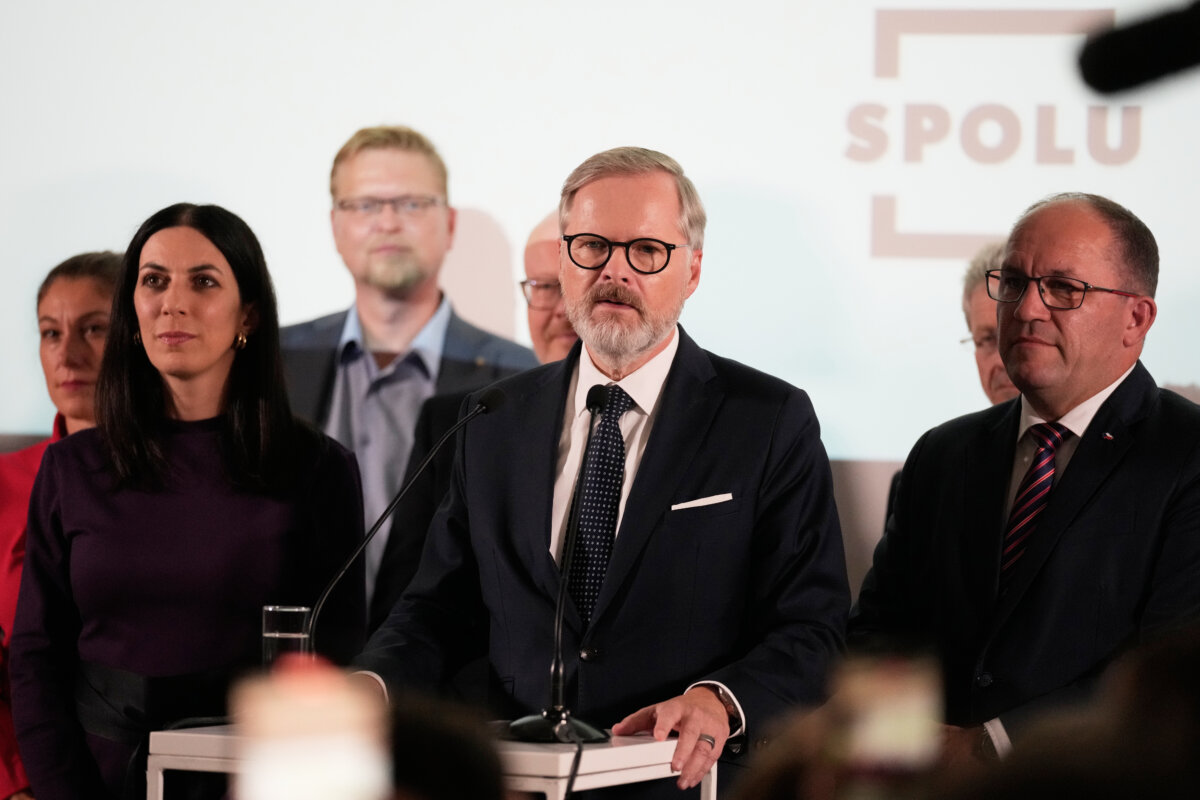
The Together coalition, led by incumbent Prime Minister Petr Fiala, won 52.
As well as a decisive shift in foreign policy, Babis’s pledges include revoking a hugely unpopular increase in the state pension age.
President Petr Pavel met with Babis and other party leaders on Sunday to discuss how a government might be formed.
The head of the strongest showing political force is usually given the chance by the president to lead a new government.
Babis has criticized Fiala for being a better prime minister of Ukraine than of Czechia. The billionaire had vowed to quit rather than stay in opposition after he was defeated in October 2021 by a coalition of pro-EU groups led by Fiala.
Babis labeled the weekend’s result “historic” both for himself and his “catch-all” political group since it entered national politics in 2013.
“We want the Czech Republic to become the best place for life in the European Union, and we will do everything to make it happen,” he told his supporters and media.
The Czech Republic has donated arms, including heavy weapons, to the Ukrainian forces and is behind an initiative that acquires artillery shells for Kyiv from countries outside the European Union.
Red Lines
A group of mayors known as STAN, also a member of Fiala’s government, achieved 11.1 percent of the vote, with another ally of Fiala, the Pirate Party, attracting 8.7 percent.
The Freedom and Direct Democracy party, which strongly opposes mass immigration, polled 7.9 percent, while a right-leaning group called the Motorists received 6.8 percent of the vote.
Babis said his aim was to form a one-party government, and he would have to seek tolerance from the two groups.
If he wants to govern alone, his minority Cabinet would need at least tacit support from the Freedom Party and the Motorists to win a mandatory parliamentary confidence vote to rule.
Another option for the three is to rule together as a coalition with a comfortable majority, but the Freedom Party wants to lead the country out of the EU and NATO altogether, which is a red line for both ANO and the Motorists.
“We’re clearly pro-European and pro-NATO,” Babis said after the victory.
‘Patriots for Europe’
Babis joined forces with Orban last year to create a new alliance in the European Parliament known as “Patriots for Europe,” marking a significant departure from the pro-EU Renew group that Babis previously belonged to.
The group is concerned with protecting national sovereignty and is opposed to mass, uncontrolled immigration.
It also takes a critical stance toward some of the EU policies around climate issues.
Babis first made an impact on the Czech political scene in the 2013 election, finishing second and becoming finance minister.
As the owner of the Agrofert conglomerate of some 200 agriculture, food, chemical, and media companies, Babis faced allegations that finance ministry officials used their powers to force his business competitors into liquidation.
Parliament approved a law that compelled him to transfer Agrofert to an independent trust fund, but he was eventually fired as finance minister in 2017 over separate unexplained business dealings.
In spite of the scandal, he won the 2017 election, becoming prime minister and forming a minority government with the Social Democrats that governed with the support of the maverick communists.
His term in office was marred with controversy, with police recommending that he be indicted over alleged fraud involving EU subsidies, while in 2021, he was implicated along with many wealthy people in the offshore accounts scandal dubbed the “Pandora Papers.”
He lost the parliamentary election a short time afterward, and two years later, he was defeated in a run for the largely ceremonial post of president by retired army general Petr Pavel.
Babis will be required to meet the conditions of an amended conflict of interest law before assuming office.
He is still facing fraud charges in the EU subsidies case, and the new Czech Parliament will have to lift his official immunity for a court to issue a verdict.
The Associated Press and Reuters contributed to this report.







