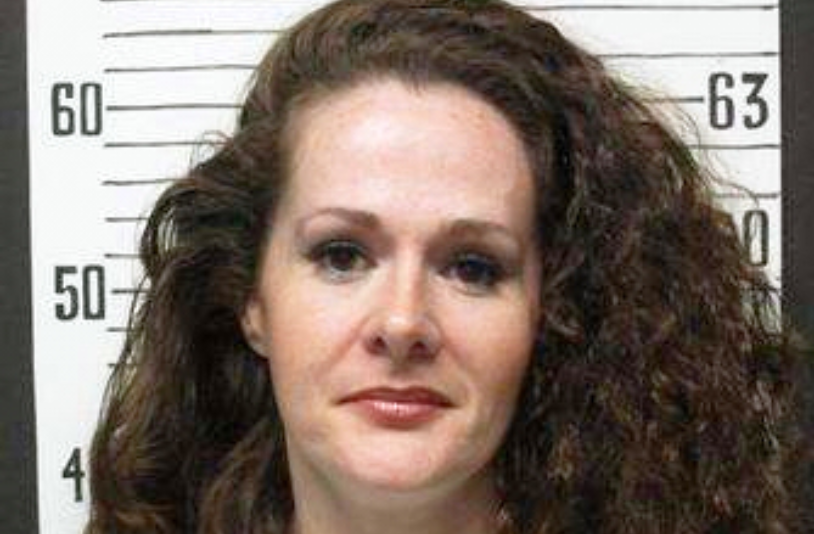

Tennessee wants to block Christa Pike’s attorneys from inspecting or testing the leftover lethal injection drug that was used in her failed execution, according to court documents.
The convicted murderer survived two lethal doses of pentobarbital during the failed execution inside Nashville’s Riverbend Maximum Security Institution on Sept. 30.
Tennessee lawyers argued that if Pike’s team obtained the substance’s remnants, it would violate state law by revealing the company that supplies the drug, according to court documents filed on Nov. 6.
Defendants asked the court to cancel the temporary order that gave Pike’s lawyers special access to inspect and test the leftover pentobarbital.
The 50-year-old was initially unconscious, intubated, and on a ventilator as of Oct. 1 after she survived the execution. She was discharged on Oct. 10, returning to the Debra K. Johnson Rehabilitation Center, a women’s prison where she was held for three decades.
The Epoch Times contacted Pike’s legal team for comment.
Pike was sentenced to death in 1996 for killing her job-training program classmate, 19-year-old Colleen Slemmer, in January 1995.
If the lethal injection had gone as planned, Pike would have been the first woman in Tennessee to be executed in at least 200 years.
But the day of her execution was filled with last-minute legal disputes.
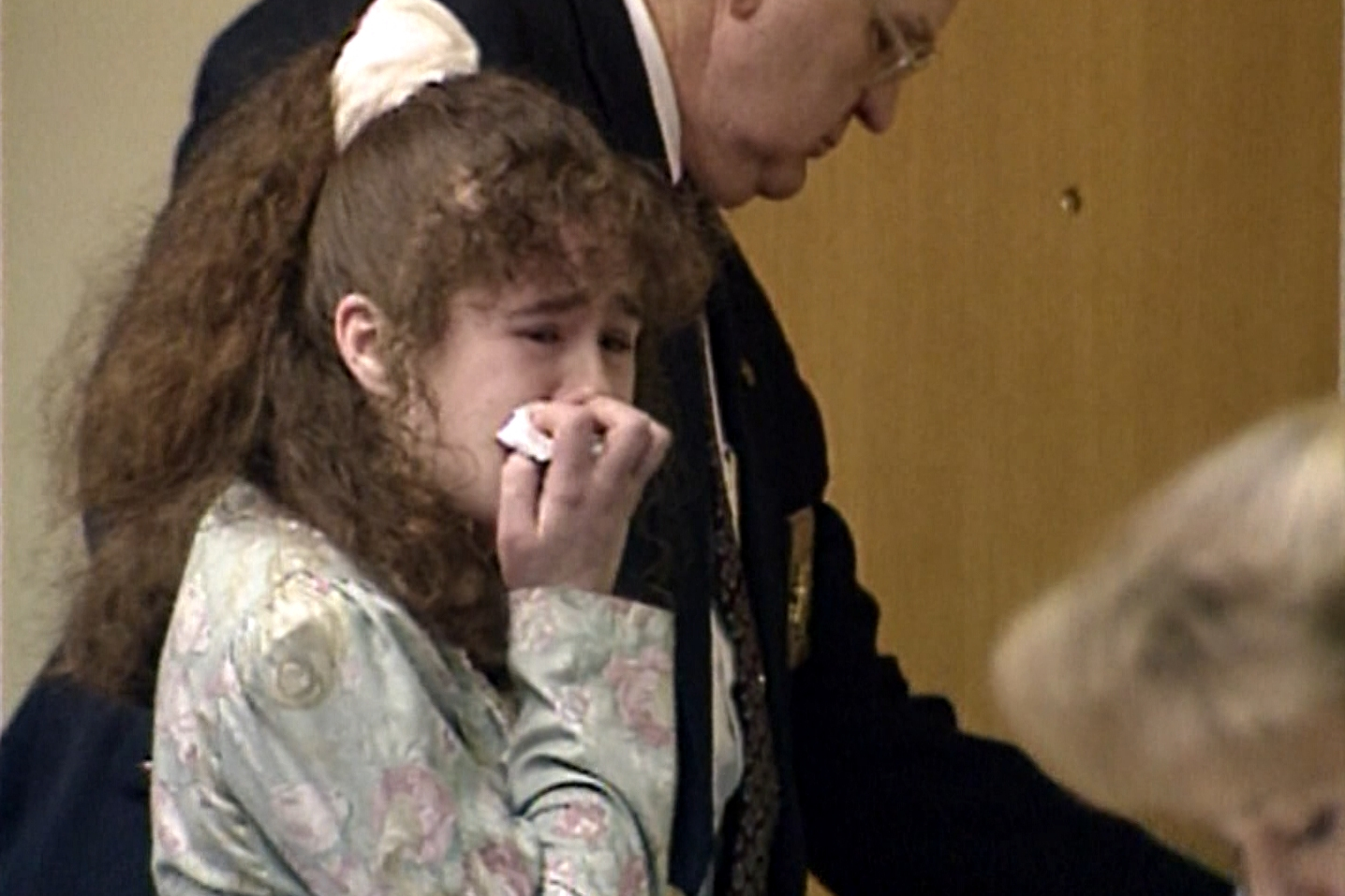 In this image from video provided by WBIR-TV, Christa Pike cries after being sentenced to death in Knoxville, Tenn., on March 30, 1996. (WBIR-TV via AP)
The Tennessee attorney general asked the U.S. Supreme Court to lift that pause, and it granted the request on a 6–3 vote just before 6 p.m. CT that day.
The execution was then scheduled for 7:30 p.m. CT, but the operation did not go as planned.
The Tennessee Department of Correction IV team allegedly spent an unusual amount of time trying to access her veins, using at least seven needles, including one that was bent at a 90-degree angle when it was removed, court documents revealed.
The ordeal caused Pike to cry, breathe loudly, and ask if her arm was supposed to feel like it was about to “burst open.”
Pike’s lawyers accused the IV team of not realizing that “the IV lines were not correctly placed or that the veins had blown and that the pentobarbital was, in whole or in part, entering Ms. Pike’s body.”
The Department of Correction has defended its process.
Gov. Bill Lee, a Republican, called the failed execution “deeply disturbing” and paused executions for the rest of 2026.
The next execution was supposed to be Gary Wayne Sutton, a convicted murderer whose Dec. 3 execution was halted by Lee and later formalized as a one-year reprieve until Oct. 7, 2027.
Sutton did not reply to a request for comment from The Epoch Times.