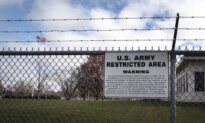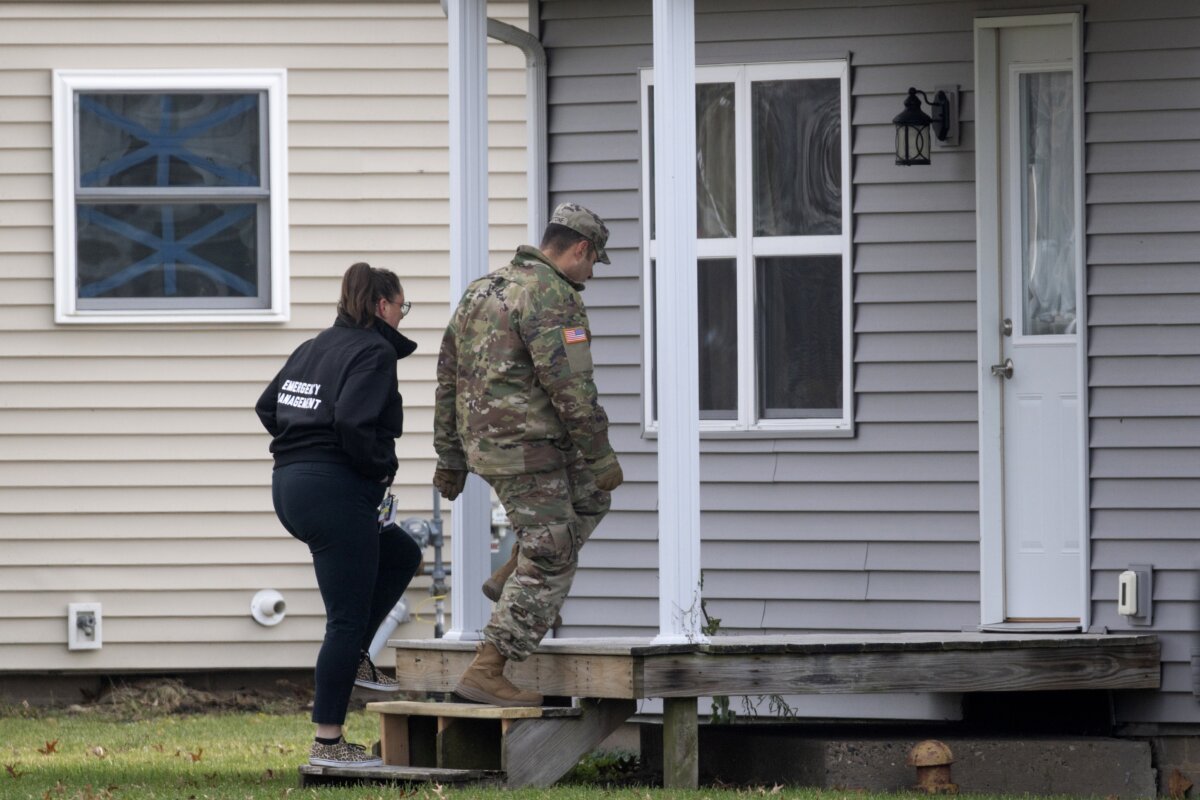

Federal officials on Nov. 25 said people living near the site where bomb-making chemicals were detonated in Iowa could leave their homes.
The Federal Emergency Management Agency (FEMA) gave the all-clear around the Iowa Army Ammunition Plant in Middletown, officials said at 5:31 Central Time, about eight-and-a-half hours after the explosions.
The Army, FEMA, and other federal agencies said in a joint statement that Iowans in the affected area, or southwest of the plant, could safely resume normal activities.
Army personnel earlier Wednesday set off a stockpile of lead azide that had degraded, making it impossible to neutralize or move, according to the Army and federal agencies.
The detonations were delayed amid concerns that they would expel lead dust into the atmosphere. Lead is toxic, even at low levels.
Authorities erected earthen berms, applied airborne misting, and took other measures to try to avoid particulates being sent into the air.
The Iowa Environmental Council, which had sued over the detonation plans, said that the legal action led to greater protective measures at the blast site.
“Iowa and neighboring states deserve a full accounting of why the situation was allowed to get to the point of crisis,” Sarah Green, executive director of the group, said in a statement after the detonations. “The Army’s neglect and lack of communication and preparedness caused an outcry among Iowans, so we took action to demand the transparency that Iowans deserve.”
The Environmental Protection Agency (EPA) collected 1,216 water, soil, dust, and air samples prior to the detonations. Three hundred EPA employees and contractors are on the ground in Iowa and nearby states.
The workers “will be conducting extensive and thorough monitoring, taking samples of air, land, and water, and deploying remediation efforts if necessary,” EPA Administrator Lee Zeldin said in a statement.
The EPA recommended people wipe down any outdoor surfaces children touch, such as play sets, with a wet cloth.
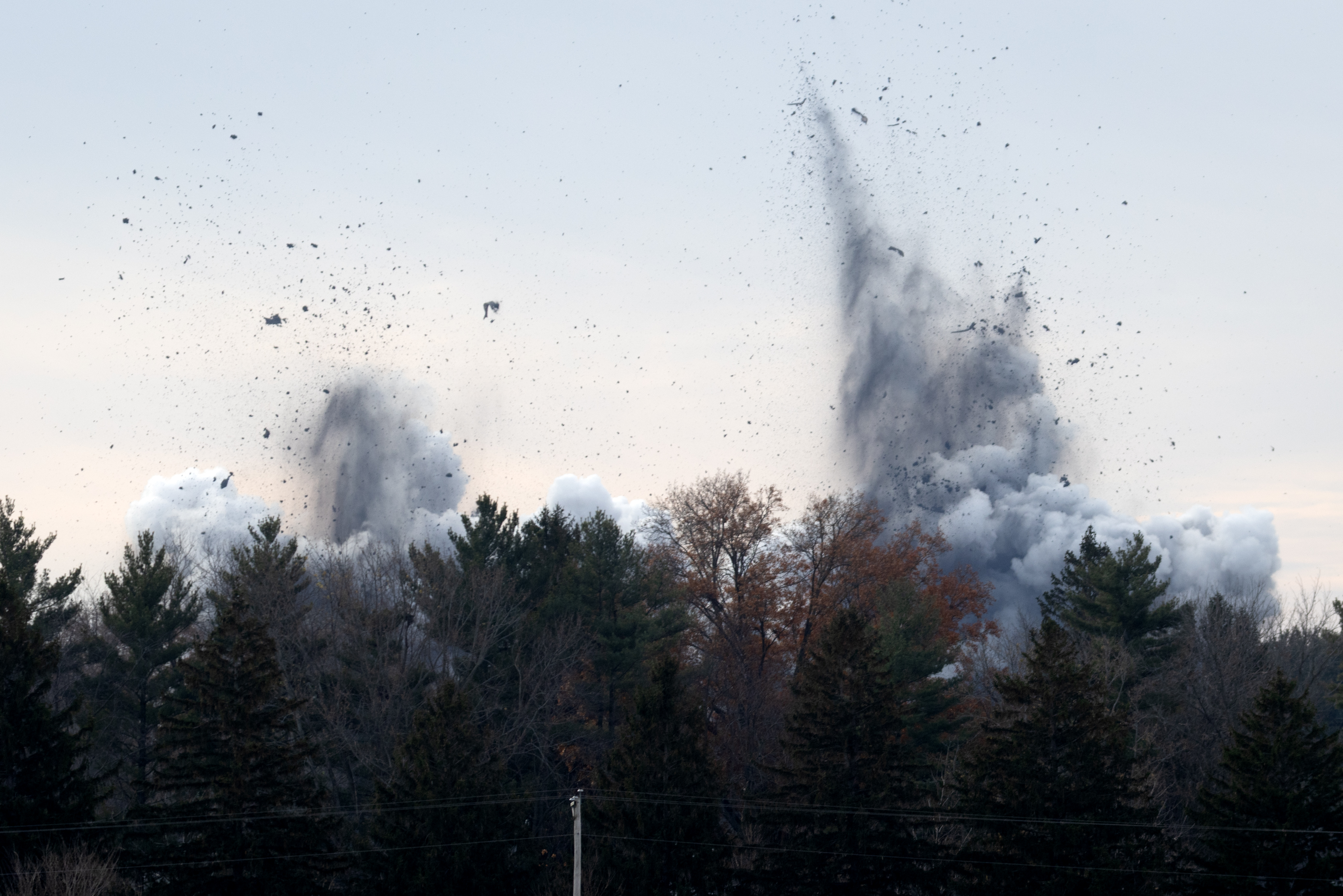 Debrie flies into the air after the detonation of lead azide in Middletown, Iowa, on Nov. 25, 2026. (Scott Olson/Getty Images)
“In one of the most complex mitigation efforts in history, our agencies coordinated at an unprecedented level and eliminated the threat posed by this decaying material,” the statement said. “All ongoing air monitoring results available at the time of this statement show no detectable lead.”
Iowa Gov. Kim Reynolds said in a statement that initial information from federal partners and state agency leaders showed that the Army’s mitigation “exceeded expectations.” She said that the EPA “has confirmed zero detection of airborne lead in the region.”
Mike Kehoe, governor of nearby Missouri, said in a video statement that detonations went off as planned and that the containment was better than expected.
“There are no detectable traces of lead heading into Missouri at this point in time,” he said. “We will continue to monitor the event, but we’re happy to say that water supplies, land, etc., all are safe for Missourians.”