
The Federal Communications Commission voted Thursday to ban China Mobile, China Telecom, China Unicom, and other IP-enabled service providers from directly accessing U.S. phone numbers, a move aimed at strengthening national security protections and preventing scam-related robocalls.
The FCC previously barred the three companies from providing international telecommunications services to the United States.
For telecom companies providing Voice over Internet Protocol (VoIP)—technology that converts voice into digital data and transmits it over an internet connection—direct access is cheaper. It allows VoIP providers to obtain U.S. telephone numbers directly from numbering administrators, rather than going through an intermediary telecommunications carrier.
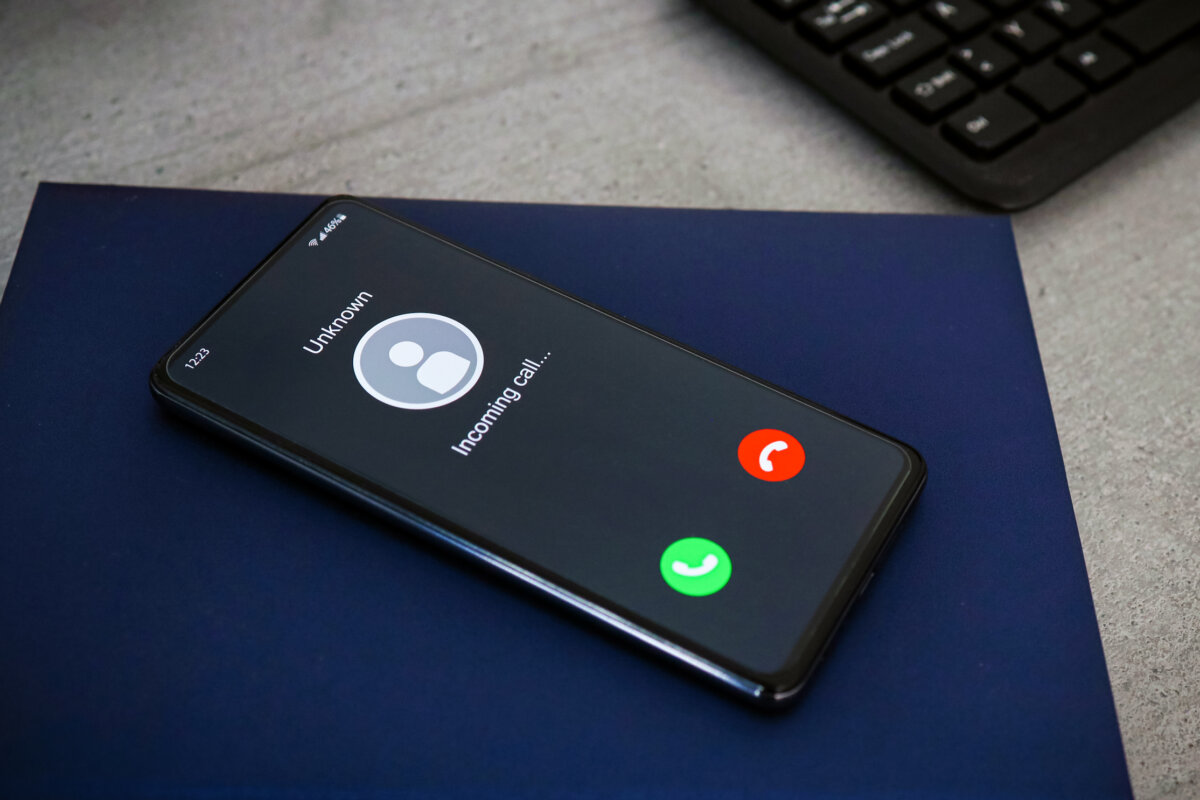
Robocalls are automated phone calls made using autodialing systems or prerecorded voice messages, often used by scammers to defraud people, according to the FCC’s website.
“Both new applicants and existing authorization holders will be required to certify that they are not entities identified on the Covered List, and that their interconnected VoIP networks do not use any covered communications equipment or services,” the FCC said.
“Providers that cannot certify to meeting these conditions must instead provide a detailed explanation of their relationship to the relevant Covered List entity and/or use of ‘covered’ equipment or services.”
The FCC’s Covered List is a public catalog of communications equipment and services that have been determined to pose an unacceptable risk to U.S. national security or the safety of Americans.
The FCC is also cutting off IP-enabled providers that rely on equipment from companies already listed as national security risks, including Huawei and ZTE.
FCC Chairman Brendan Carr said in a statement in October, when the rule was proposed, that it will make it substantially more difficult for bad actors to operate in U.S. networks. He said the agency would also strengthen its vetting process for all providers seeking access to U.S. telephone numbers.
“This step is part of our broader effort to look at every portion of the lifecycle of a call and make it more difficult for illegal robocalls to get through,” he added.
 FCC Chairman Brendan Carr at the Rayburn House Office Building in Washington on May 21, 2025. (John McDonnell/Getty Images)
“The U.S. move severely hinders normal economic and trade cooperation between Chinese and American businesses and is not in the interest of any party, including US companies and consumers,” a Chinese Foreign Ministry spokesperson told reporters during an Oct. 30 press conference.
Last month, the FCC voted unanimously to ban Chinese laboratories from testing electronics destined for the U.S. market. That ban takes full effect Dec. 1, 2028.
Chinese labs had handled testing tied to more than 80 percent of U.S. equipment-authorization applications in 2025.
Also in October, HKT, the major Hong Kong carrier and PCCW subsidiary, agreed under FCC pressure to wind down its U.S. operations by September 2027.
In October 2025, the commission ordered HKT to explain why revocation proceedings should not begin because of its affiliation with Chinese Communist Party-controlled China Unicom Americas.
Other steps still under consideration include blocking Chinese telecom companies from connecting to U.S. networks and from operating their own data centers inside the country.
Reuters contributed to this report.