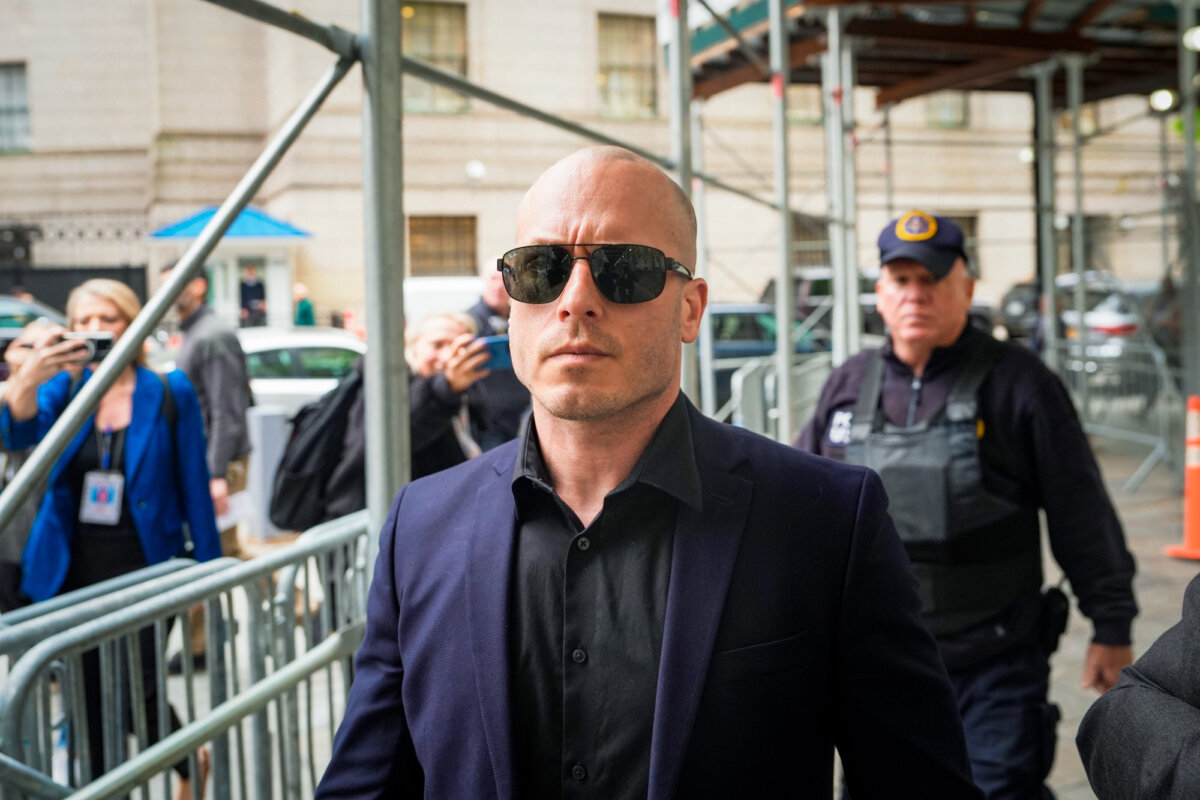
Federal prosecutors are seeking to conceal the name of a classified U.S. military unit and the identities of military witnesses in an upcoming trial against Gannon Ken Van Dyke, a U.S. special operations soldier accused of using classified information to place wagers concerning the capture of Venezuelan leader Nicolás Maduro.
In a pretrial request filed on Oct. 26 with the U.S. District Court for the Southern District of New York, prosecutors argued that the disclosure in open court of the name of a military unit and personnel involved in Maduro’s capture would present a significant security risk for that unit and its personnel.
Although the Sixth Amendment to the U.S. Constitution defines a criminal defendant’s right to confront the witnesses against him, prosecutors argued that this right is not absolute, and the anonymizing precautions they’re seeking are not unprecedented.
Lawyers for Van Dyke did not respond by publication time to a request for comment from The Epoch Times.
Van Dyke faces three counts of violating the Commodity Exchange Act with his alleged wagering, a fourth count of wire fraud, and a fifth count for money laundering. He previously pleaded not guilty.
Van Dyke’s criminal trial is scheduled to begin on Dec. 7.
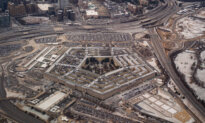
In their initial criminal indictment, unsealed in April, prosecutors said Van Dyke had served in the Army’s Special Forces and was stationed at Fort Bragg, North Carolina, at the time of his alleged offenses. As the indictment notes, Fort Bragg is the headquarters for both the U.S. Army’s Special Operations Command and the highly secretive Joint Special Operations Command.
The indictment states that, starting on or about Dec. 8, 2025, Van Dyke became involved in planning for the mission to capture Maduro and had access to relevant classified information. Prosecutors allege that Van Dyke used his access to classified information about the raid to inform multiple relevant wagers on the online prediction platform Polymarket, netting him approximately $400,000 in winnings.
The prosecution, in their latest motion, asked to insert the generic term “the Special Forces Unit” in place of the true name of the unit to which Van Dyke was assigned. Prosecutors also seek to allow key military witnesses to testify under pseudonyms and wear light disguises, bar courtroom sketch art and other recordings of the appearances of witnesses, and preclude the defense team from attempting to elicit or reveal any details of witness identities in open court.
The prosecution said that at trial, it intends to present details covering the number of special operations personnel involved in planning and execution of the mission to capture Maduro, their methods of communication before and during the mission, their weaponry, and details of their coordination with other U.S. military elements supporting the operation.
“These facts, when combined with the true name of the unit, could provide foreign adversaries with information that could be used and exploited in, for example, developing plans to counter the efforts of the Special Forces Unit in the future,” the motion states.
Although media reports have widely credited the Army’s Delta Force with leading Maduro’s capture, the U.S. government routinely avoids direct references to the unit and other “Tier One” elements within the Joint Special Operations Command. Delta Force operators may have been the ones to physically apprehend Maduro, but other elements within the joint command may also have played key supporting roles in the operation.
In a September interview with The Epoch Times, self-identified Delta Force veteran Brent Tucker said he had received information that Van Dyke was not in Delta Force but was instead assigned to a support element.
On Oct. 20, War Secretary Pete Hegseth issued a memo to Department of War employees, forbidding them from using nonpublic information from within the department for personal financial gain, including through wagers on online sites such as Polymarket.
Correction: A previous version of this article misstated the name of the Commodity Exchange Act and the number of military units prosecutors are seeking to conceal the names of. The Epoch Times regrets the errors.