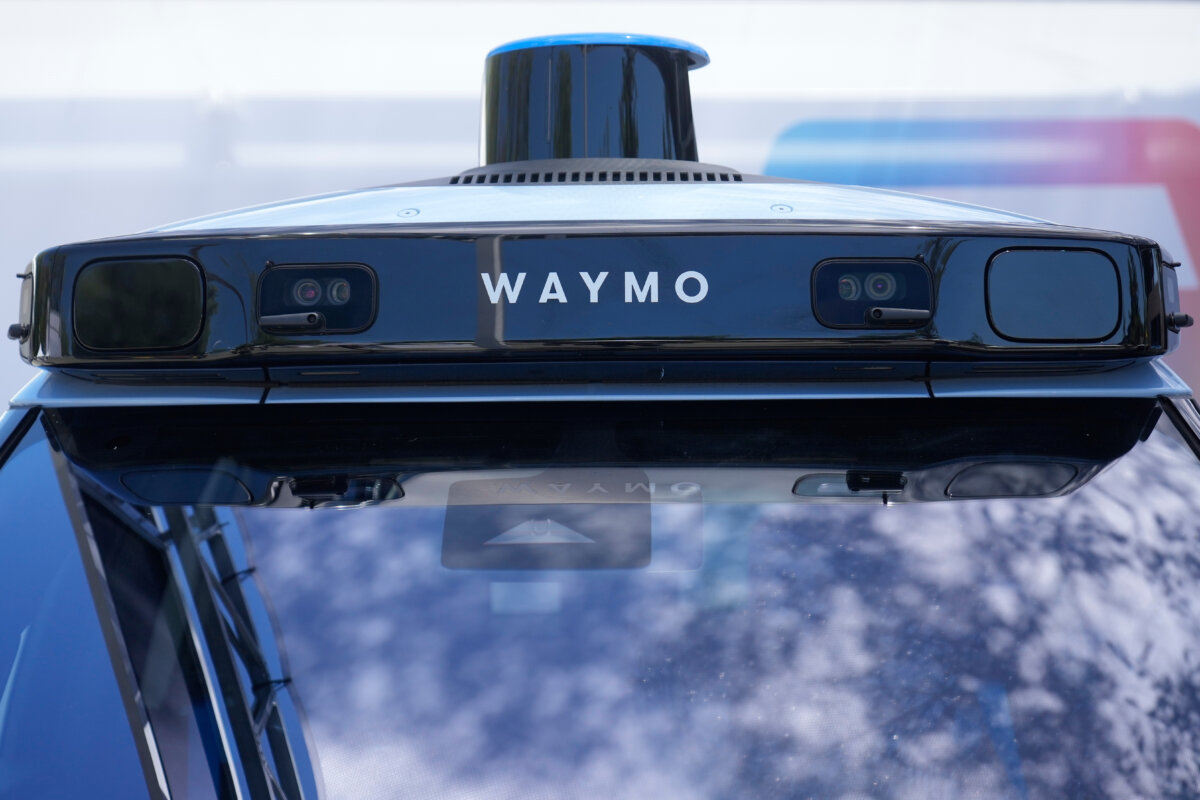

California has banned Waymo’s driverless taxis from state freeways after three of the autonomous cars drove directly into active construction zones and another failed to stop for a law enforcement emergency vehicle, the Department of Motor Vehicles (DMV) confirmed Nov. 17.
“The DMV action restricts Waymo from operating or testing its driverless vehicles on all California freeways,” DMV spokesman Jonathan Groveman told The Epoch Times.
The order was issued Nov. 11 after the department found that Waymo’s driverless freeway operations posed an “imminent hazard to public safety” after the recent incidents, despite past corrective actions, Groveman said.
Before the company can allow its taxis to drive on the freeways again, Waymo must give the state enough evidence to prove they can safely detect and respond to construction zones, emergency vehicles, and other roadway situations, according to the DMV.
When that evidence is submitted, the DMV will review it and determine if the company can restart operations on the freeways.
If the DMV finds deficiencies were not corrected, or if more facts surface that show Waymo’s freeway operations continue to pose an imminent hazard, the restrictions will stay in place, Groveman said.
Waymo responded to the DMV’s order, saying the company was complying with the freeway restrictions and has also taken its vehicles off freeways in other cities it operates in.
“Safety is at the foundation of everything we do,” Waymo spokeswoman Lauren Svensson told The Epoch Times.
The ride-hailing service continues to operate on surface streets, serving more than half a million trips each week.
“We are working with the California DMV and other state officials diligently and responsibly to resume freeway operations,” Svensson said.
In California, Waymo operates in the major metropolitan regions of Los Angeles, San Diego, and the San Francisco Bay Area.
The construction zone incident on U.S. 101 that occurred on Nov. 5 didn’t result in injuries or collisions, Svensson said.
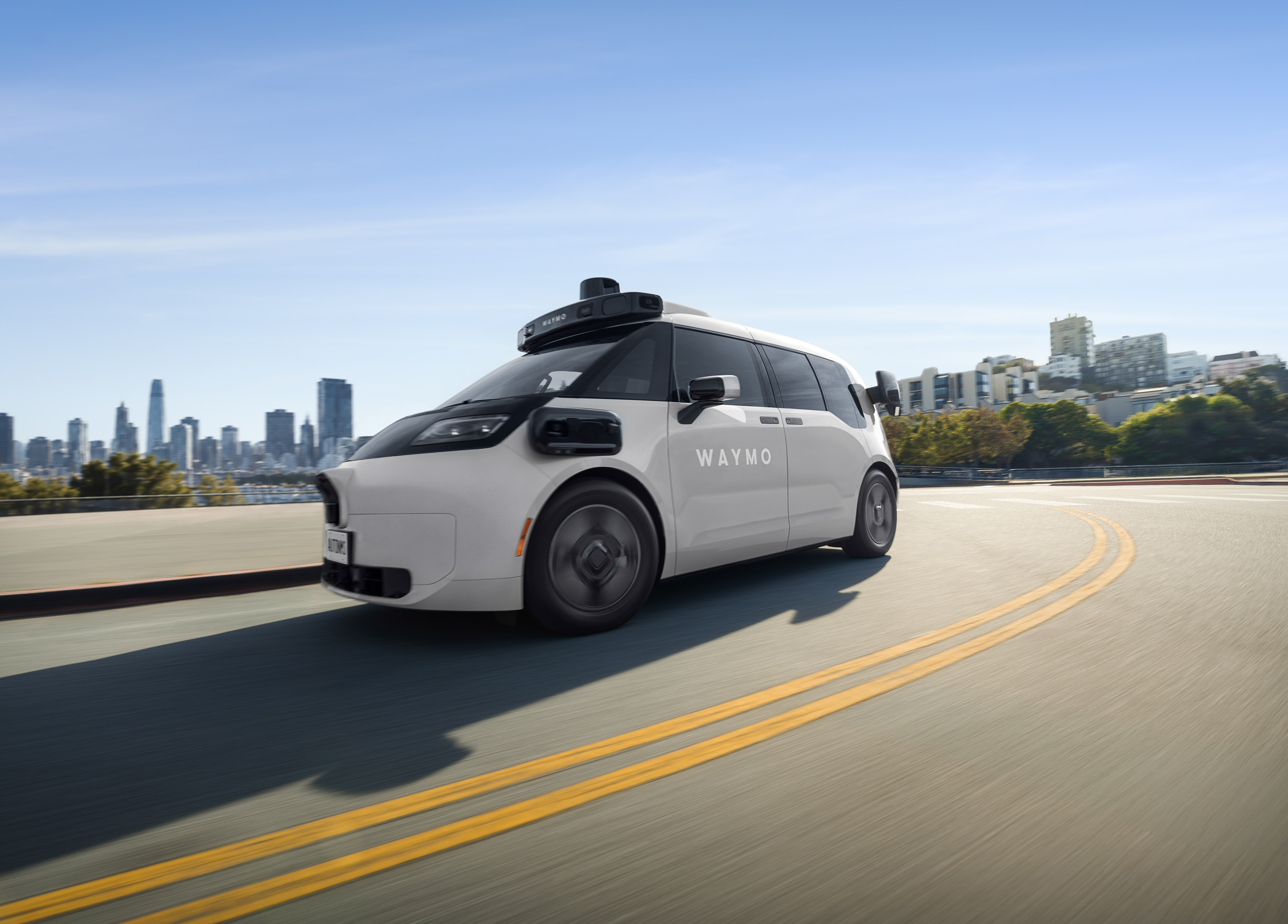 The all-electric Ojai integrated with the 6th-generation Waymo Driver. (Waymo)
Waymo has already undertaken work to improve performance around freeway construction zones, according to the company.
According to Waymo’s safety data after driving more than 270 million fully autonomous miles, Waymo says it has a 95 percent reduction in crashes resulting in serious injury or worse compared to human drivers.
The company first started testing its vehicles as the “Google Self-Driving Car Project” in the San Francisco Bay Area in early 2009 and received its driverless testing permit from the DMV in October 2018.
The first cars were modified Toyota Prius vehicles with early lidar (or light detection and ranging) and sensor technology.
On March 1, 2024, the California Public Utilities Commission approved the expansion of Waymo’s fared driverless services in Los Angeles and some cities near San Francisco.