
Black Friday online sales in the United States hit a new record, according to Adobe Analytics.
Data showed online sales reached $13.1 billion on Black Friday, up 11 percent from last year.
Customers snatched up popular toys and AI-powered items and filled their digital carts with basic essentials as inflation sits at 3.8 percent.
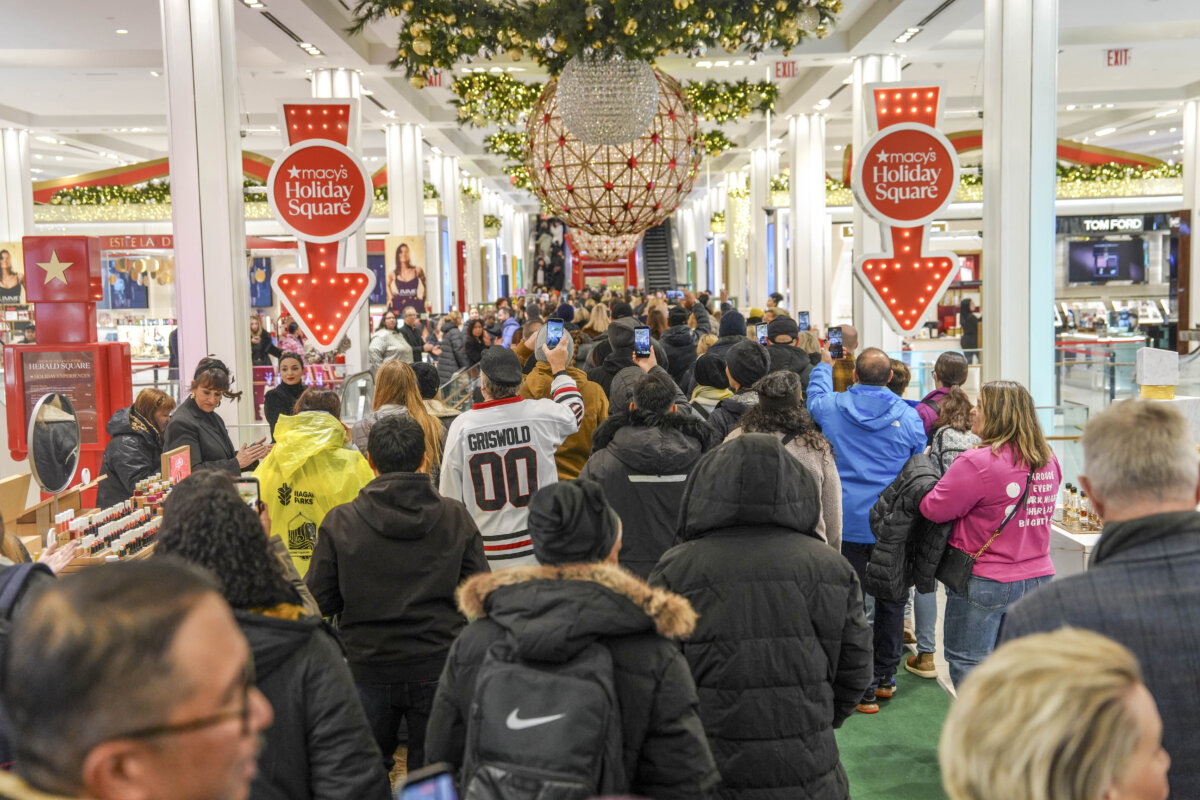
Foot traffic at stores dropped 2.2 percent compared to 2025.
PassBy, a geospatial analytics company, estimates that brick-and-mortar retail stores recorded nearly 930 million visits on the popular shopping day.
For the full November–December holiday season, Adobe forecasts electronics as the top category with $63.3 billion in sales, followed by apparel ($51.3 billion), furniture ($33.4 billion) and groceries ($26.1 billion).
The most-purchased electronics via buy now, pay later are expected to be AirPods Pro 3, Google Pixel 11, iPhone 18 Pro, Meta AI Glasses, Oura Ring 5, Samsung Galaxy S26, and WHOOP, a screenless wearable fitness and health tracker.
Popular gaming consoles are expected to be Meta Quest, Nintendo Switch 2, PlayStation 5/PS5 Pro, Xbox Series X, and Gaming PCs.
Popular video games include Call of Duty Modern Warfare 4, EA Sports FC 27, Grand Theft Auto VI, and Madden NFL 27.
“Consumers are looking for strong value, fueling record online spending, and driving ecommerce to $1 of every $4 spent on retail goods this holiday season,” the 2026 Adobe Digital Insights Holiday report found.
Adobe forecast toy sales at $9.6 billion for the full holiday season.
The most popular toys included Beyblade X, Jellycat Plush, K-pop Demon Hunters-themed toys, Legos, NeeDoh Squishies, Tickle Me Elmo Giggle Max, and Toy Story 5.
Shoppers are expected to spend $1.3 billion more through buy now, pay later than in 2025—more than an additional Cyber Monday’s worth of buy now, pay later spending—pushing full-season buy now, pay later to a record $21.3 billion.
Adobe Analytics predicts that Cyber Monday will be the first single day to surpass $15 billion in online spending in the United States.
Preliminary insights from Mastercard SpendingPulse suggest that technology such as artificial intelligence has changed how people shop by helping customers find products and compare options.
“Black Friday showed an adaptable consumer who remains willing to spend while being thoughtful about where, when, and how they do so,” said Michelle Meyer, the chief economist at the Mastercard Economics Institute.
Data from Mastercard SpendingPulse showed shoppers were already buying on holiday promotions on Thanksgiving Day, especially in electronics.
“Tech was a standout, particularly software, with spending on video games and AI tools showing up uniquely this year, while the return to stores reinforced the enduring appeal of the in-person shopping experience,” Meyer added.
Meyer said that even though digital sales were popular early in the holiday season, last-minute shoppers still flock to stores during the final week before Christmas.
“Black Friday is one of the peaks, but holiday shopping comes in waves,” Meyer said.
“We expect to see the typical moderation after Black Friday, but there’s still plenty of shopping ahead. Activity should build again around shipping cutoffs, followed by a final in-store push as shoppers check off the last items on their lists.”
Reuters contributed to this report.